Which Side of the Car Battery Do I Disconnect First
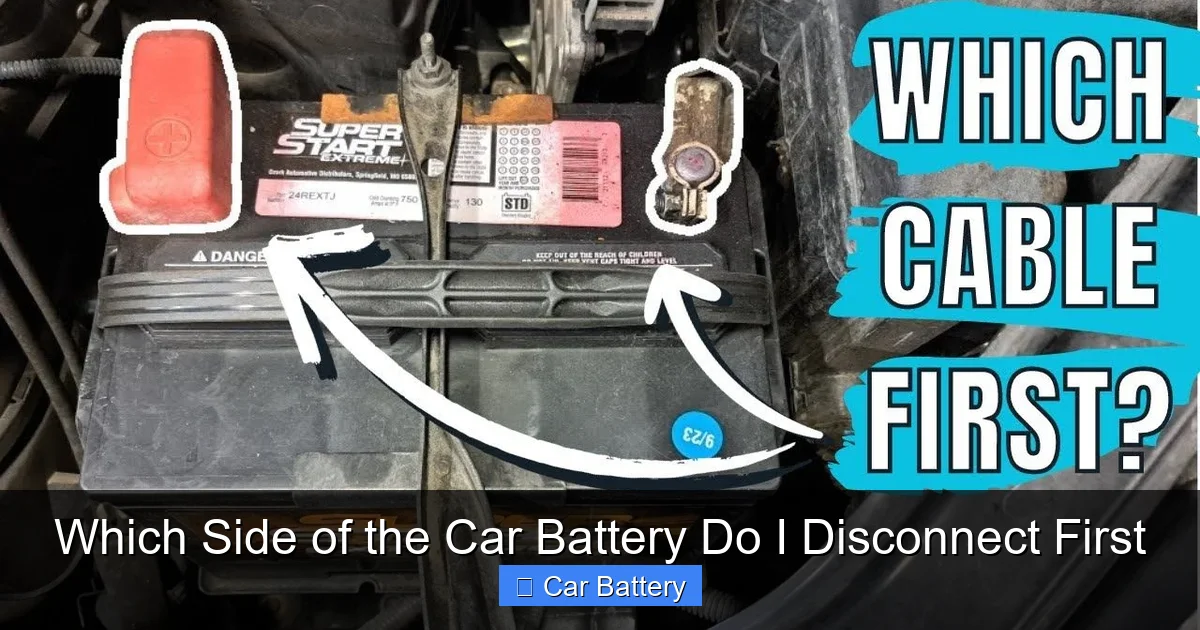
Always disconnect the negative terminal first when removing a car battery—and reconnect it last. This simple step prevents accidental short circuits, sparks, and potential damage to your vehicle’s electrical system. Following the correct sequence ensures safety and protects both you and your car.
Have you ever popped the hood of your car, stared at the battery, and thought, “Wait… which side do I disconnect first?” You’re not alone. Whether you’re replacing an old battery, cleaning corrosion, or performing routine maintenance, knowing the correct order to disconnect your car battery is crucial—not just for your safety, but for the health of your vehicle’s electrical system.
Car batteries are powerful sources of energy. A typical 12-volt car battery can deliver hundreds of amps, enough to start your engine and power all your car’s electronics. But that same power can be dangerous if mishandled. One wrong move—like touching a metal tool across both terminals—can cause a short circuit, sparks, or even a battery explosion. That’s why understanding the proper procedure is so important.
The good news? It’s simpler than you think. The rule is straightforward: **always disconnect the negative terminal first, and reconnect it last.** This small habit makes a big difference in preventing accidents and protecting your car’s sensitive electronics. In this guide, we’ll walk you through why this order matters, how to do it safely, and what to watch out for along the way.
In This Article
- 1 Key Takeaways
- 2 📑 Table of Contents
- 3 Why the Order Matters: The Science Behind Battery Safety
- 4 Step-by-Step Guide: How to Disconnect Your Car Battery Safely
- 4.1 Step 1: Park Safely and Turn Off the Engine
- 4.2 Step 2: Locate the Battery and Identify the Terminals
- 4.3 Step 3: Gather the Right Tools
- 4.4 Step 4: Disconnect the Negative Terminal First
- 4.5 Step 5: Disconnect the Positive Terminal
- 4.6 Step 6: Reconnect in Reverse Order
- 4.7 Step 7: Test and Reset Electronics
- 5 Safety Tips and Common Mistakes to Avoid
- 6 When Should You Disconnect Your Car Battery?
- 7 Myths and Misconceptions About Battery Disconnection
- 8 What to Do If You Accidentally Connect the Wrong Terminal
- 9 Conclusion: Safety First, Always
- 10 Frequently Asked Questions
- 10.1 Which side of the car battery do I disconnect first?
- 10.2 Can I disconnect the positive terminal first?
- 10.3 Do I need special tools to disconnect a car battery?
- 10.4 What happens if I reconnect the battery in the wrong order?
- 10.5 Will disconnecting the battery reset my car’s computer?
- 10.6 How often should I clean my car battery terminals?
Key Takeaways
- Disconnect the negative terminal first: This reduces the risk of short circuits and electrical shocks by breaking the ground connection before touching the positive side.
- Reconnect the positive terminal last: When reinstalling, attach the positive cable first, then the negative, to maintain a safe sequence.
- Wear safety gear: Use insulated gloves and safety goggles to protect against acid leaks, sparks, or battery explosions.
- Use the right tools: A properly sized wrench or socket prevents slipping and damage to battery terminals.
- Know your battery layout: Most cars have the negative terminal on the left (driver’s side), but always check the “+” and “–” markings.
- Avoid metal contact: Never let tools or jewelry touch both terminals at once—this can cause dangerous sparks or short circuits.
- Reset electronics after reconnection: Some vehicles may need radio codes, clock settings, or system resets after battery replacement.
📑 Table of Contents
- Why the Order Matters: The Science Behind Battery Safety
- Step-by-Step Guide: How to Disconnect Your Car Battery Safely
- Safety Tips and Common Mistakes to Avoid
- When Should You Disconnect Your Car Battery?
- Myths and Misconceptions About Battery Disconnection
- What to Do If You Accidentally Connect the Wrong Terminal
- Conclusion: Safety First, Always
Why the Order Matters: The Science Behind Battery Safety
At first glance, it might seem like disconnecting either terminal first would have the same result—the battery is disconnected, right? But there’s a critical reason why mechanics and automotive experts insist on removing the negative side first.
Your car’s electrical system is grounded to the chassis. That means the negative terminal of the battery is connected directly to the metal frame of the vehicle. When you disconnect the negative terminal first, you’re breaking the ground connection. This eliminates the risk of creating a complete circuit if your tool accidentally touches both the positive terminal and any grounded metal part of the car.
Imagine this: you’re trying to loosen the positive terminal, and your wrench slips. If the negative is still connected, the wrench could touch the positive terminal and the car’s metal body at the same time. That creates a short circuit—electricity flows instantly through the wrench, which can cause sparks, melt the tool, damage the battery, or even start a fire.
But if the negative is already disconnected, there’s no complete circuit. Even if your tool touches the positive terminal and the chassis, nothing happens because the ground path is broken. It’s like unplugging a lamp before changing the bulb—you’re cutting off the flow of electricity at the source.
Real-World Example: A Close Call
Let’s say you’re cleaning battery corrosion and decide to disconnect the positive terminal first. You grab your wrench, and as you loosen the bolt, the wrench slips and touches the positive terminal and the nearby metal bracket. Because the negative is still connected to the chassis, a spark flies, and you hear a loud pop. The battery emits a foul smell, and you notice a small burn mark on the terminal.
Now imagine the same scenario, but you disconnected the negative first. The wrench slips—no spark, no pop, no damage. The circuit was already broken, so nothing happens. That’s the power of doing it the right way.
How Batteries Work: A Quick Refresher
To understand why the negative-first rule works, it helps to know a little about how car batteries function. A car battery stores chemical energy and converts it into electrical energy. It has two terminals: positive (+) and negative (–). When the battery is connected, electrons flow from the negative terminal, through the car’s electrical system, and back to the positive terminal—this is called a circuit.
The negative terminal is grounded to the car’s frame, so any metal part of the vehicle is effectively part of the negative side of the circuit. That’s why touching a live positive terminal to any metal surface can complete the circuit and cause a short.
By disconnecting the negative first, you’re essentially “isolating” the battery from the car’s electrical system. This makes it much safer to work on the positive side without risking a dangerous discharge.
Step-by-Step Guide: How to Disconnect Your Car Battery Safely
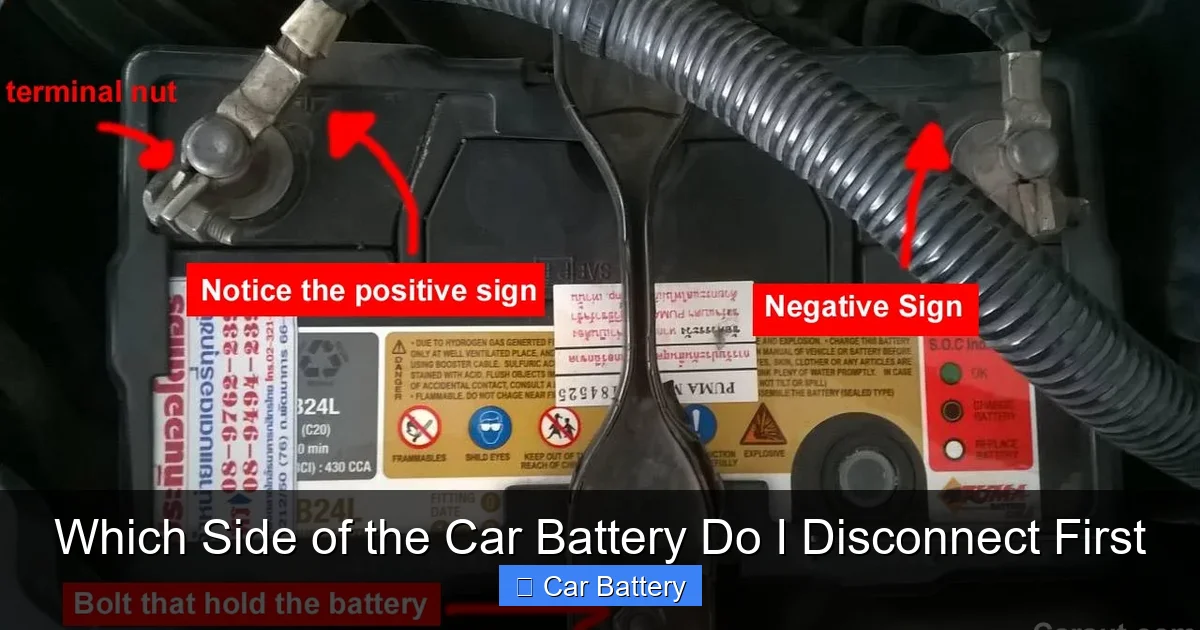
Visual guide about Which Side of the Car Battery Do I Disconnect First
Image source: carsut.com
Now that you know why the order matters, let’s walk through the actual process. Whether you’re replacing the battery, cleaning terminals, or performing maintenance, follow these steps to stay safe and avoid damage.
Step 1: Park Safely and Turn Off the Engine
First, make sure your car is parked on a flat, stable surface. Engage the parking brake and turn off the engine. Remove the keys from the ignition. If your car has a push-button start, make sure it’s completely powered down.
It’s also a good idea to wait a few minutes after turning off the engine. This allows any residual electrical charge in the system to dissipate, reducing the risk of sparks.
Step 2: Locate the Battery and Identify the Terminals
Pop the hood and find your battery. In most cars, it’s located near the front of the engine bay, but some vehicles (like certain BMWs or Hondas) have it in the trunk or under the rear seat. Check your owner’s manual if you’re unsure.
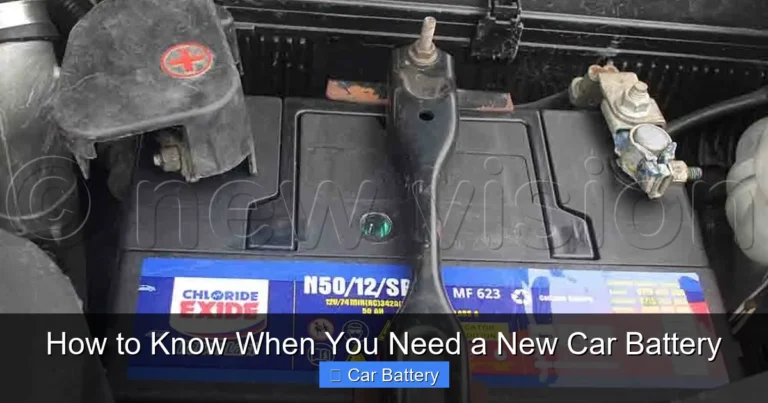
Once you’ve found it, look for the two terminals. The positive terminal is usually marked with a “+” sign and may have a red cover or red cable. The negative terminal has a “–” sign and typically has a black cable.
Pro tip: Even if the colors are faded, the markings on the battery case or terminal posts should still be visible. If not, look for the cable routing—the negative cable usually runs directly to the chassis or engine block.
Step 3: Gather the Right Tools
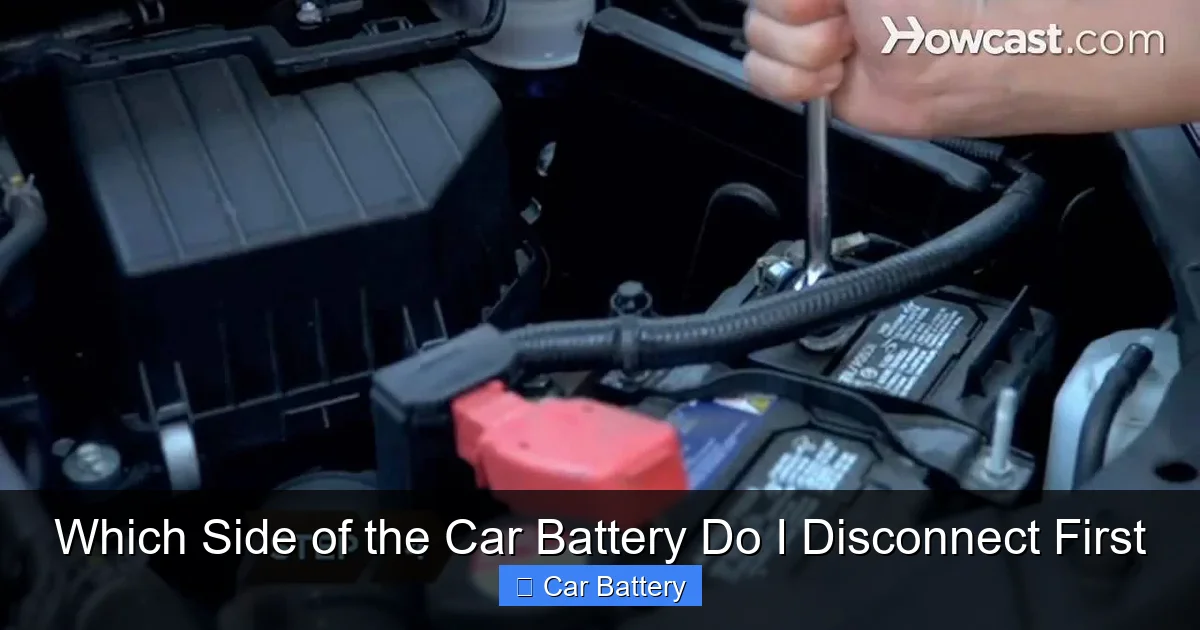
You’ll need a wrench or socket that fits the terminal nuts. Most car batteries use 10mm or 13mm nuts, but check your vehicle’s specifications. Use a box-end wrench or a socket with a ratchet for better control.
Avoid using adjustable wrenches if possible—they can slip more easily. And always use insulated tools to reduce the risk of electrical shock.
Step 4: Disconnect the Negative Terminal First
Now it’s time to disconnect. Start with the negative terminal.
1. Loosen the nut on the negative terminal clamp using your wrench. Turn it counterclockwise.
2. Once loose, carefully wiggle the clamp off the terminal post. Don’t force it—corrosion can make it stick.
3. Move the cable aside and secure it so it doesn’t accidentally touch the terminal or any metal part of the car.
Important: Never let the disconnected cable touch the positive terminal or any grounded metal. Use a piece of tape, a zip tie, or a battery terminal protector to keep it in place.
Step 5: Disconnect the Positive Terminal
With the negative safely disconnected, you can now remove the positive terminal.
1. Loosen the nut on the positive terminal clamp.
2. Remove the clamp and set it aside, away from the battery and any metal surfaces.
At this point, the battery is fully disconnected. You can now proceed with your task—whether it’s cleaning, testing, or replacing the battery.
Step 6: Reconnect in Reverse Order
When you’re ready to reconnect the battery, reverse the process:
1. Attach the positive terminal first. Slide the clamp over the positive post and tighten the nut securely.
2. Then, reconnect the negative terminal. Place the clamp on the negative post and tighten the nut.
This order—positive first, then negative—ensures that the final connection completes the circuit safely, without risking a short.
Step 7: Test and Reset Electronics
After reconnecting, turn on the ignition (but don’t start the engine yet). Check that the dashboard lights up normally. Start the engine and listen for any unusual sounds.
Some vehicles may require you to reset certain systems:
– The clock may need to be reset.
– The radio might ask for a security code.
– Power windows or sunroofs may need to be recalibrated.
Consult your owner’s manual for specific reset procedures.
Safety Tips and Common Mistakes to Avoid
Visual guide about Which Side of the Car Battery Do I Disconnect First
Image source: i.ytimg.com
Even with the right steps, mistakes can happen. Here are some essential safety tips and common pitfalls to watch out for.
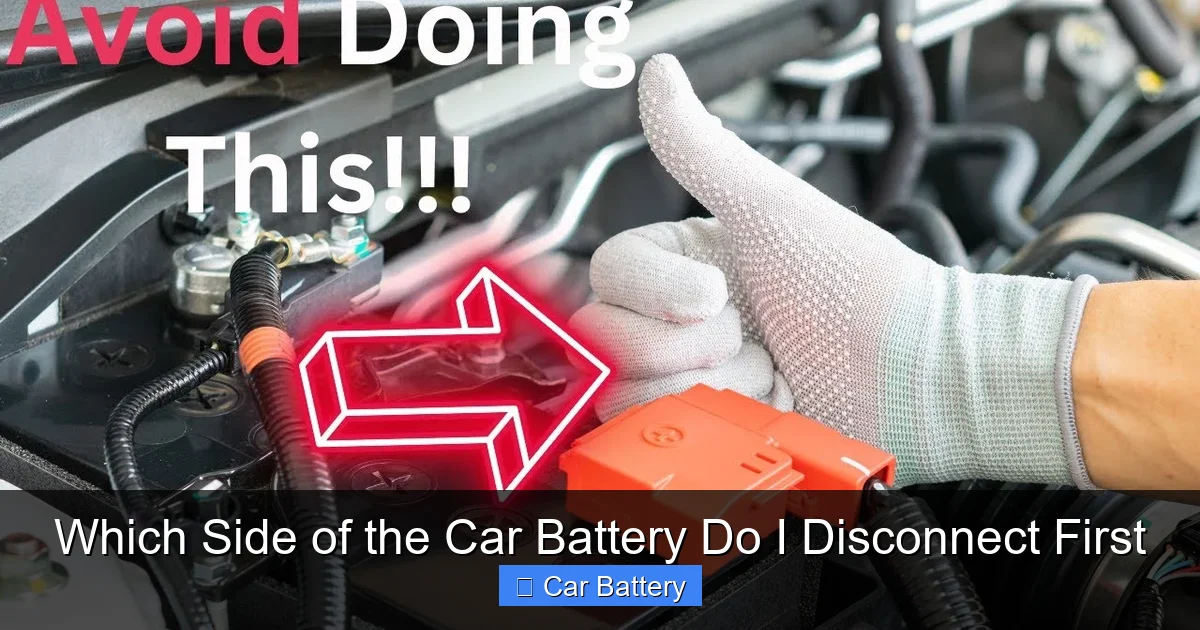
Wear Protective Gear
Car batteries contain sulfuric acid, which can cause severe burns. Always wear safety goggles and gloves when working near the battery. If you’re cleaning corrosion, use a mixture of baking soda and water to neutralize any acid residue.
Never Work on a Hot Battery
Avoid disconnecting the battery immediately after driving. The battery and surrounding components can be hot, increasing the risk of burns or accidental shorts. Let the engine cool for at least 15–20 minutes.
Don’t Use Metal Tools Near Both Terminals
As mentioned earlier, never let a metal tool touch both terminals at the same time. This includes wrenches, screwdrivers, or even jewelry like rings or watches. If you must wear a ring, consider removing it or covering it with tape.
Avoid Smoking or Open Flames
Car batteries can emit hydrogen gas, especially when charging or overheating. This gas is highly flammable. Never smoke, use a lighter, or create sparks near the battery.
Don’t Lift the Battery by the Terminals
When removing or installing a battery, always lift it by the handles or base—never by the terminals. The posts are fragile and can break, leading to leaks or electrical issues.
Check for Corrosion Regularly
White, green, or blue powdery buildup on the terminals is a sign of corrosion. It can interfere with electrical connections and cause starting problems. Clean it with a wire brush and baking soda solution, but always disconnect the battery first.
When Should You Disconnect Your Car Battery?
Visual guide about Which Side of the Car Battery Do I Disconnect First
Image source: i.ytimg.com
You don’t need to disconnect the battery for every little task, but there are several situations where it’s necessary or recommended.
Battery Replacement
This is the most common reason. Whether your battery is dead, old, or underperforming, replacing it requires disconnecting both terminals.
Cleaning Terminals
Corrosion buildup can prevent proper electrical contact. Disconnecting the battery allows you to clean the terminals thoroughly without risking a short.
Electrical Repairs or Upgrades
If you’re installing a new stereo, alarm system, or other electronics, disconnecting the battery prevents accidental damage to sensitive components.
Long-Term Storage
If you’re storing your car for weeks or months, disconnecting the battery can prevent parasitic drain (when small electrical loads slowly drain the battery). Alternatively, use a battery maintainer or trickle charger.
Jump-Starting Another Vehicle
When jump-starting, always connect the jumper cables in the correct order: positive to positive, then negative to a grounded metal part on the dead car (not the battery terminal). But if you’re preparing your own car to be jumped, disconnecting the battery isn’t usually necessary—just follow standard jump-start procedures.
Myths and Misconceptions About Battery Disconnection
Over the years, several myths have circulated about disconnecting car batteries. Let’s clear them up.
Myth: It Doesn’t Matter Which Terminal You Disconnect First
False. As we’ve explained, disconnecting the negative first is a critical safety step. Skipping it increases the risk of short circuits and damage.
Myth: Disconnecting the Battery Will Erase All Data
Partially true. Some vehicles store critical data (like engine calibration or security codes) in volatile memory that requires constant power. Disconnecting the battery can reset these systems. However, many modern cars use non-volatile memory, so not all data is lost. Still, it’s wise to have your radio code handy.
Myth: You Should Disconnect the Positive First to “Drain” the System
No. There’s no benefit to draining the system by disconnecting the positive first. In fact, it’s more dangerous. The correct method is negative first, positive last.
Myth: All Cars Have the Same Battery Layout
Not true. While most cars have the negative terminal on the left (driver’s side), some models—especially European or luxury vehicles—may have different configurations. Always check the markings.
What to Do If You Accidentally Connect the Wrong Terminal
Mistakes happen. If you accidentally connect the positive cable to the negative terminal (or vice versa), you’ve created a reverse polarity situation. This can cause serious damage.
Signs of reverse polarity:
– Fuses blowing immediately
– Smoke or burning smell
– Electrical components not working
– Battery swelling or leaking
If this happens:
1. Disconnect the battery immediately (negative first, if possible).
2. Check all fuses—replace any that are blown.
3. Inspect wiring and components for damage.
4. Have a professional mechanic inspect the vehicle before reconnecting.
In most cases, the damage is limited to blown fuses, but severe cases can harm the alternator, ECU, or other electronics.
Conclusion: Safety First, Always
Disconnecting a car battery might seem like a simple task, but doing it correctly can prevent accidents, protect your vehicle, and save you money on repairs. The golden rule—**negative first, positive last**—isn’t just a suggestion; it’s a safety standard followed by professionals worldwide.
By following the steps in this guide, wearing protective gear, and avoiding common mistakes, you can handle your car battery with confidence. Whether you’re replacing it, cleaning it, or just performing maintenance, taking the time to do it right ensures a safer, smoother experience.
Remember: your car’s electrical system is powerful, but with the right knowledge and precautions, it’s also manageable. So next time you pop the hood, take a deep breath, follow the steps, and disconnect that negative terminal first. Your safety—and your car—will thank you.
Frequently Asked Questions
Which side of the car battery do I disconnect first?
Always disconnect the negative terminal first. This breaks the ground connection and reduces the risk of short circuits or sparks when working on the battery.
Can I disconnect the positive terminal first?
It’s not recommended. Disconnecting the positive first increases the chance of a short circuit if your tool touches both the terminal and a grounded metal part of the car.
Do I need special tools to disconnect a car battery?
A standard wrench or socket that fits the terminal nuts (usually 10mm or 13mm) is sufficient. Insulated tools are preferred for added safety.
What happens if I reconnect the battery in the wrong order?
Reconnecting the negative before the positive is generally safe, but it’s best practice to attach positive first, then negative, to maintain consistency and safety.
Will disconnecting the battery reset my car’s computer?
It may reset some systems like the clock, radio presets, or engine learning values. Some vehicles require a security code to restore radio functionality.
How often should I clean my car battery terminals?
Inspect terminals every 6–12 months. Clean corrosion as soon as you notice it to maintain good electrical contact and prevent starting issues.