
Which Nissan Altima Years Should You Avoid?

Not all Nissan Altima years are created equal—some come with serious mechanical flaws and expensive repair bills. This guide reveals the specific model years you should avoid, highlights common problems, and helps you make a smarter, more reliable purchase.
So you’re thinking about buying a Nissan Altima. Smart move—this midsize sedan has been a popular choice for decades, offering a comfortable ride, decent fuel economy, and a spacious interior. But here’s the thing: not every Altima is built the same. Some model years are rock-solid, while others are ticking time bombs waiting to drain your wallet with unexpected repairs.
That’s why it’s crucial to know which Nissan Altima years you should avoid. Whether you’re shopping for a used car on a budget or upgrading from an older vehicle, making an informed decision can mean the difference between a smooth daily driver and a constant trip to the repair shop. In this guide, we’ll walk you through the problematic years, explain the most common issues, and help you identify the safest, most reliable Altima models on the market today.
Key Takeaways
- Avoid 2002–2006 models: These early 2000s Altimas suffer from chronic transmission failures, often requiring full replacements before 100,000 miles.
- Steer clear of 2013–2018 CVT issues: The continuously variable transmission (CVT) in these years is prone to overheating, shuddering, and premature failure.
- 2019–2020 models show improvement but still have concerns: While more reliable than earlier years, some owners report infotainment glitches and minor electrical faults.
- 2007–2012 models are a mixed bag: The 2007–2009 models improved reliability, but 2010–2012 still face CVT and engine oil consumption issues.
- Best years to consider: 2021–2024: These newer models feature updated tech, better fuel economy, and significantly improved transmission performance.
- Always check maintenance history: Even good model years can fail early if poorly maintained—service records are crucial.
- Get a pre-purchase inspection: A trusted mechanic can spot hidden problems before you buy, saving thousands in repairs.
📑 Table of Contents
The Nissan Altima: A Brief Overview
The Nissan Altima first hit the roads in 1993 as a compact sedan, but it quickly evolved into a midsize favorite thanks to its blend of affordability, comfort, and practicality. Over the years, it’s competed closely with the Honda Accord and Toyota Camry, often winning praise for its sportier handling and modern features. But like any long-running model, the Altima has had its ups and downs—especially when it comes to reliability.
Nissan has made significant improvements in recent years, particularly with engine technology and transmission design. However, several generations of the Altima have been plagued by recurring mechanical issues that have frustrated owners and damaged the car’s reputation. Understanding these flaws is key to avoiding a bad purchase.
Why Reliability Matters in a Used Car
When buying a used car, reliability isn’t just about avoiding breakdowns—it’s about peace of mind, resale value, and long-term cost savings. A car that constantly needs repairs not only disrupts your daily routine but can also cost more in the long run than a slightly higher upfront price on a dependable model.
For the Altima, reliability varies dramatically by model year. Some versions are known for lasting 200,000 miles or more with proper care, while others struggle to hit 100,000 before major components fail. That’s why knowing which years to avoid can save you thousands in repairs, towing fees, and downtime.
Top Nissan Altima Years to Avoid
If you’re shopping for a used Altima, there are certain model years you should approach with extreme caution—or avoid altogether. These years are notorious for specific, widespread problems that have been well-documented by owners, mechanics, and consumer reports.
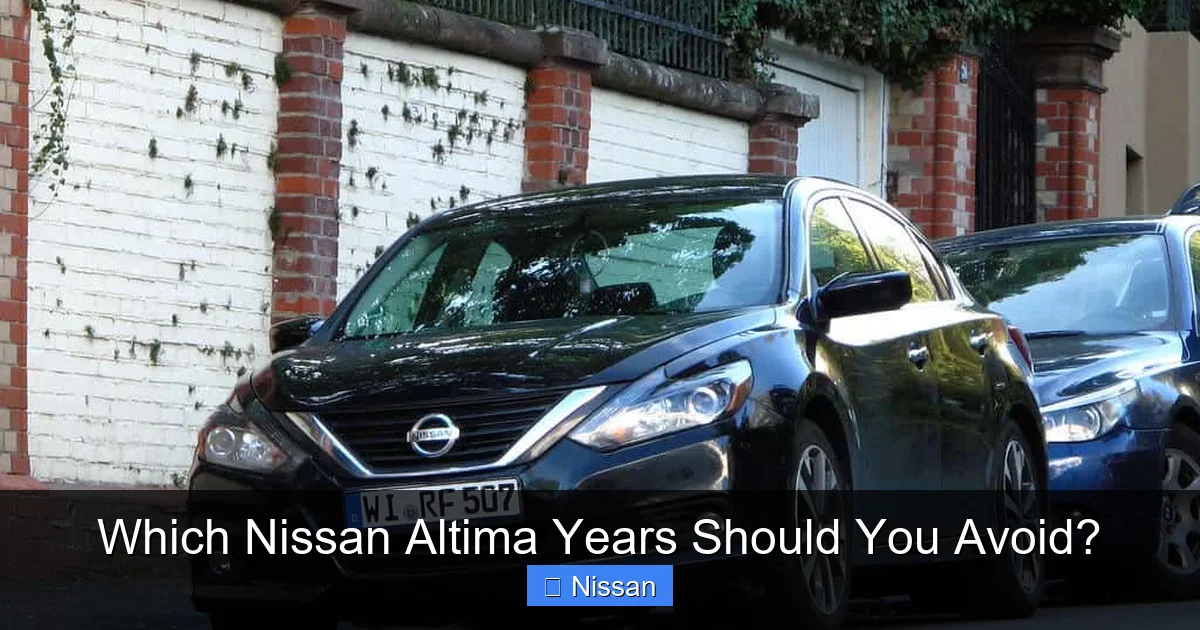
Visual guide about Which Nissan Altima Years Should You Avoid?
Image source: autocareaids.com
2002–2006: The Transmission Nightmare
The early 2000s were a rough time for the Nissan Altima, especially when it came to the transmission. Models from 2002 to 2006 are widely regarded as some of the worst in the Altima’s history, primarily due to chronic transmission failures.
Owners of these vehicles frequently report transmission slippage, delayed shifting, and complete failure—often before reaching 100,000 miles. In many cases, the only fix is a full transmission replacement, which can cost $3,000 or more. Some drivers have even experienced sudden loss of power while driving, creating serious safety risks.
For example, a 2004 Altima owner in Ohio reported that their transmission failed at just 87,000 miles. After paying $3,200 for a rebuilt unit, the car ran smoothly for another 40,000 miles—but the financial hit was significant. Another owner in Texas said their 2005 Altima’s transmission started shuddering at 65,000 miles, and the dealership refused to cover it under warranty.
Why did this happen? Nissan used a problematic 4-speed automatic transmission in these years that wasn’t built to handle the engine’s torque over time. Combined with poor fluid maintenance and design flaws, these transmissions were prone to overheating and wear.
Tip: If you’re considering a 2002–2006 Altima, avoid it unless you’re getting it for parts or as a project car. Even if it seems to run fine now, the transmission is likely on borrowed time.
2013–2018: CVT Troubles and Overheating
The 2013–2018 Nissan Altima models introduced a new generation of design and technology, including a more fuel-efficient engine and a sleeker exterior. But beneath the surface, these cars were saddled with a flawed continuously variable transmission (CVT).
CVTs are designed to improve fuel economy by providing seamless acceleration without traditional gear shifts. However, Nissan’s CVT units in these years were notoriously unreliable. Common complaints include:
- Transmission shuddering during acceleration
- Overheating, especially in hot climates or during highway driving
- Sudden loss of power or hesitation
- Premature failure requiring replacement
Many owners reported that their CVT failed between 60,000 and 90,000 miles. Nissan issued several technical service bulletins (TSBs) and extended warranties for some models, but the problems persisted. In 2019, a class-action lawsuit was filed against Nissan over CVT defects in multiple models, including the Altima.
One California driver shared that their 2015 Altima’s CVT started making a whining noise at 72,000 miles. Within weeks, the car wouldn’t move. The repair cost $4,100, and the dealership said it wasn’t covered under warranty because the fluid hadn’t been changed regularly—even though the owner had all service records.
Another issue with these models is the lack of a traditional dipstick to check CVT fluid levels, making maintenance harder for owners. Combined with the high cost of repairs, this makes the 2013–2018 Altima a risky buy.
Tip: If you’re looking at a 2013–2018 Altima, demand full maintenance records and consider having a mechanic inspect the CVT. Even then, be prepared for potential future issues.
2010–2012: A Step Forward, But Still Flawed
The 2010–2012 Nissan Altima models marked a redesign with updated styling, improved interiors, and better fuel economy. These years are generally more reliable than the 2002–2006 models, but they’re not without their problems.
The main concerns during this period are:
- CVT reliability (though less severe than 2013–2018)
- Engine oil consumption
- Suspension and steering issues
Some 2010–2012 Altimas with the 2.5L 4-cylinder engine have been reported to consume excessive oil—sometimes a quart every 1,000 miles. While not as dramatic as the Honda “oil burner” issues of the same era, it’s still a red flag that can lead to engine damage if ignored.
Additionally, owners have reported premature wear on suspension components like struts and control arms, leading to a rough ride and costly repairs. Steering complaints, including stiffness and noise, are also common.
That said, these models are still a better choice than the earlier 2000s Altimas—especially if they’ve been well-maintained. The 2010 model, in particular, is often cited as one of the more reliable years in this generation.
Tip: If you’re considering a 2010–2012 Altima, check the oil level regularly and look for signs of leaks. Also, inspect the suspension and ask about any previous repairs.
Better Years: When the Altima Shines
Not all Altima years are problematic. In fact, some model years stand out as excellent choices for used car buyers looking for reliability, value, and modern features.

Visual guide about Which Nissan Altima Years Should You Avoid?
Image source: autocareaids.com
2021–2024: The Modern Reliable Choice
The 2021–2024 Nissan Altima represents the most reliable and advanced generation of the sedan to date. These models come with a host of improvements, including:
- A redesigned CVT with better cooling and durability
- Standard advanced safety features like automatic emergency braking and blind-spot monitoring
- Improved fuel economy (up to 39 mpg highway)
- Updated infotainment with Apple CarPlay and Android Auto
- Stronger build quality and interior materials
Owners consistently praise these models for their smooth ride, responsive handling, and low maintenance costs. While no car is perfect, the 2021–2024 Altima has far fewer reported issues than earlier generations.
For example, a 2022 Altima owner in Florida reported driving over 40,000 miles with only routine oil changes and tire rotations. “It’s been flawless,” they said. “No warning lights, no strange noises—just a quiet, comfortable ride.”
Another advantage is Nissan’s improved warranty coverage and better customer service in recent years. If a problem does arise, it’s more likely to be addressed promptly and fairly.
Tip: If your budget allows, aim for a 2021 or newer Altima. These models offer the best combination of reliability, technology, and resale value.
2007–2009: The Comeback Years
After the transmission disasters of the early 2000s, Nissan made significant improvements with the 2007–2009 Altima. These models feature a more robust 5-speed automatic transmission (in most trims) and better overall build quality.
While not perfect, these years are generally considered reliable if properly maintained. Common issues are minor—things like worn brake pads, aging suspension parts, or minor electrical glitches. Major mechanical failures are rare.
One 2008 Altima owner in Michigan reported driving their car to 180,000 miles with only regular maintenance. “It’s been my daily driver for over a decade,” they said. “Never left me stranded.”
These models also offer good value on the used market, often priced lower than newer Altimas but still offering solid performance and comfort.
Tip: A well-maintained 2007–2009 Altima can be a smart buy—just avoid high-mileage examples with spotty service records.
How to Spot a Problematic Altima
Even if you’re looking at a “good” model year, it’s essential to inspect the car thoroughly before buying. Here are some red flags to watch for:
Visual guide about Which Nissan Altima Years Should You Avoid?
Image source: dashlights.net
Check the Maintenance History
A detailed service record is one of the best indicators of a car’s health. Look for regular oil changes, transmission fluid replacements, and brake inspections. Missing records or long gaps between services are warning signs.
For CVT-equipped models (2007 and newer), ask if the transmission fluid has ever been changed. Nissan recommends this service every 60,000 miles, but many owners skip it—leading to premature failure.
Listen for Unusual Noises
During a test drive, pay attention to how the car sounds. A whining or grinding noise from the transmission could indicate CVT problems. Rattling from the suspension may point to worn components. Engine knocking or ticking could signal oil starvation or internal wear.
Watch for Warning Lights
Check the dashboard for any illuminated warning lights, especially the check engine light or transmission warning. Even if they’re not on during your visit, ask if they’ve appeared in the past. Some sellers may reset them to hide issues.
Get a Pre-Purchase Inspection
This is the single most important step when buying any used car. A qualified mechanic can identify hidden problems—like frame damage, engine wear, or electrical faults—that aren’t obvious during a test drive.
Expect to pay $100–$150 for a thorough inspection, but it’s money well spent. Catching a $3,000 transmission issue before you buy could save you thousands.
Final Thoughts: Making the Right Choice
Choosing the right Nissan Altima comes down to knowing which years to avoid and which ones offer the best value and reliability. While the Altima has had its share of problems—especially with transmissions—recent models have largely overcome these issues.
If you’re on a tight budget, a well-maintained 2007–2009 or 2010 model can still be a solid choice. But for the best experience, aim for a 2021 or newer Altima with a clean history and low mileage.
Remember: a used car is only as good as its maintenance. No matter the year, regular care and attention will go a long way in keeping your Altima running smoothly for years to come.
Frequently Asked Questions
Which Nissan Altima year is the most reliable?
The 2021–2024 Nissan Altima models are considered the most reliable, thanks to improved CVT design, better build quality, and modern safety features. These years have far fewer reported issues than earlier generations.
What is the biggest problem with Nissan Altimas?
The most common problem across multiple Altima generations is transmission failure, especially in the 2002–2006 models with 4-speed automatics and the 2013–2018 models with CVTs. Overheating, shuddering, and premature failure are frequent complaints.
Is a 2015 Nissan Altima a good car?
The 2015 Altima is stylish and fuel-efficient, but it’s part of the problematic 2013–2018 CVT generation. Many owners report transmission issues, so it’s only a good buy if it has a full service history and a pre-purchase inspection.
How long do Nissan Altimas last?
With proper maintenance, a Nissan Altima can last 150,000 to 200,000 miles or more. However, models with transmission issues (like 2002–2006 or 2013–2018) may fail much earlier if problems aren’t addressed.
Should I avoid a used Nissan Altima?
Not necessarily. Avoid specific problematic years (2002–2006, 2013–2018), but well-maintained models from 2007–2009 or 2021–2024 can be excellent used cars. Always inspect the vehicle and check its history.
What should I check before buying a used Altima?
Check the maintenance records, look for transmission fluid changes (especially for CVT models), listen for unusual noises, and get a pre-purchase inspection. Also, verify there are no active recalls or unresolved service bulletins.
