When Are Bicyclists Required To Wear Helmets: State Laws

Contents
- 1 Legal basics: when are bicyclists required to wear helmets?
- 2 Age rules and common law patterns
- 3 Where and when helmets are often required
- 4 PAA-style questions (People Also Ask)
- 5 Safety benefits and evidence supporting helmet use
- 6 Enforcement, penalties, and exceptions
- 7 Choosing and fitting a helmet correctly
- 8 My experience and practical tips
- 9 Frequently Asked Questions of when are bicyclists required to wear helmets
- 10 Conclusion


Cyclists must wear helmets when local laws say so, often for minors and on designated trails.
I write about bicycle law and safety from years of fieldwork, policy review, and cycling events. This guide explains when are bicyclists required to wear helmets, how rules vary, and what that means for you. Read on for clear rules, real examples, and practical tips to stay safe and legal.

Legal basics: when are bicyclists required to wear helmets?
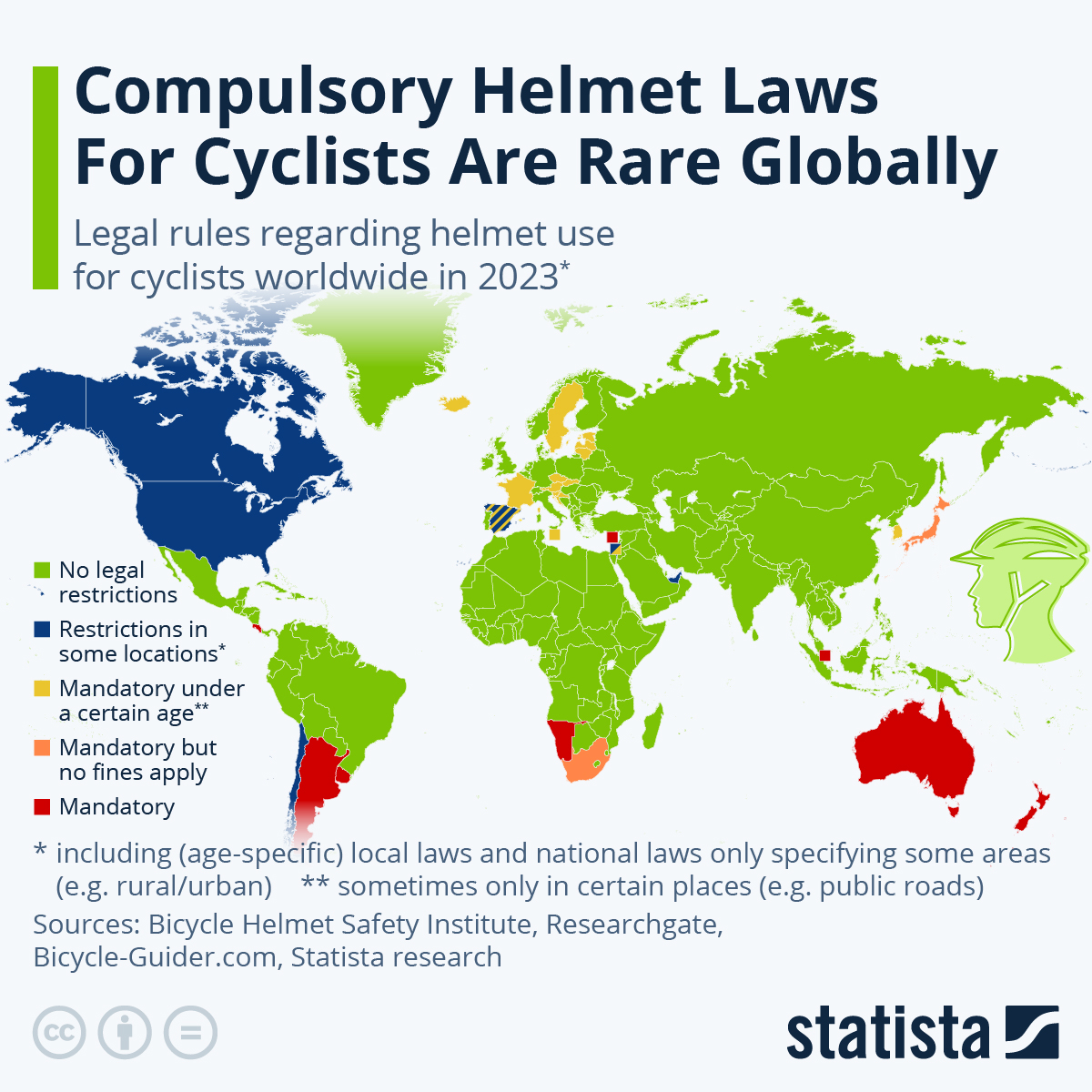
Laws about when are bicyclists required to wear helmets differ by place. Many states and countries set rules for children under a certain age. Some places also set rules for specific locations, like school zones or off-road trails. Knowing local law keeps you safe and helps you avoid fines.

Age rules and common law patterns
Most helmet laws target young riders. Typical age limits are 14 or under, or 17 and under in some areas. Some jurisdictions require helmets for all riders on public paths or in bike programs. Others have no helmet law at all, leaving the choice to the rider.
Where and when helmets are often required
Places and situations that often trigger helmet rules include:
- School travel programs and bike-to-school routes.
- Public parks, mountain-bike trails, and dedicated bike paths.
- Organized races, charity rides, and bike-share programs.
- Work settings where employers require protective gear for couriers.
When are bicyclists required to wear helmets is tied to both the rider and the location. If you ride in mixed jurisdictions, follow the strictest rule that applies. That keeps you covered legally and practically.
PAA-style questions (People Also Ask)
Do all states require bike helmets?
No. Some states mandate helmets for minors only. Other states leave helmet use to personal choice.
Are adults ever legally required to wear helmets?
Yes, in some places adults must wear helmets in parks or on certain trails. Requirements vary widely.
Does a bike-share helmet rule apply?
Some bike-share systems require or provide helmets. Check the program rules before riding.
Safety benefits and evidence supporting helmet use
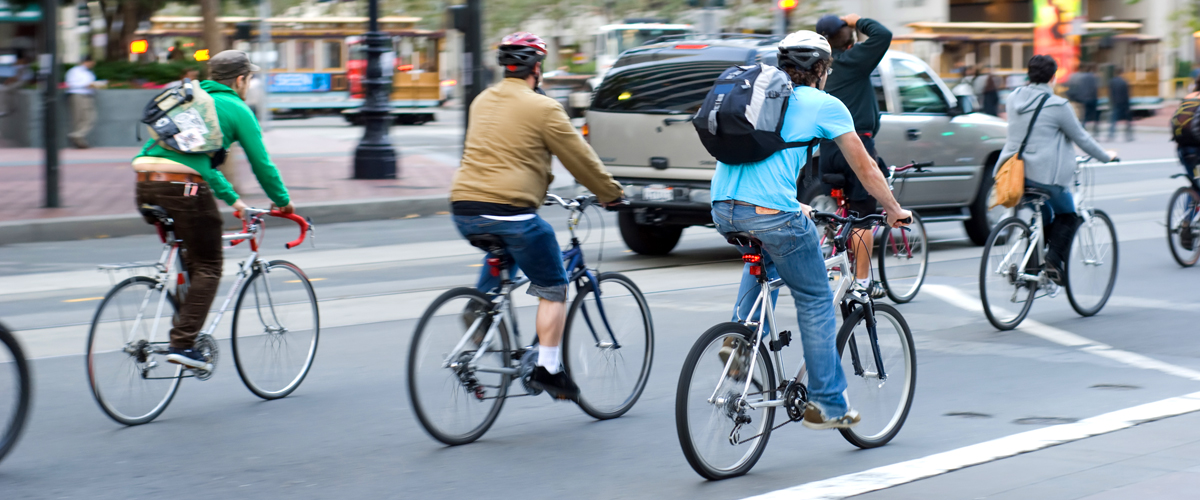
Helmets reduce head injury risk in crashes. Studies show helmets cut serious head injuries by a large margin. Wearing a helmet also increases your visibility and can help in insurance or liability cases after a crash. The safety gains matter whether laws require helmets or not.

Enforcement, penalties, and exceptions
Enforcement varies by place and situation. Common enforcement steps include warnings, fines, or ticketing for repeat violations. Exceptions sometimes include:
- Medical waivers for special conditions.
- Religious exemptions in rare cases.
- Situations where helmets would create additional risk, judged case by case.
When are bicyclists required to wear helmets often depends on the level of enforcement. If local police or park staff actively enforce rules, compliance rates rise.

Choosing and fitting a helmet correctly
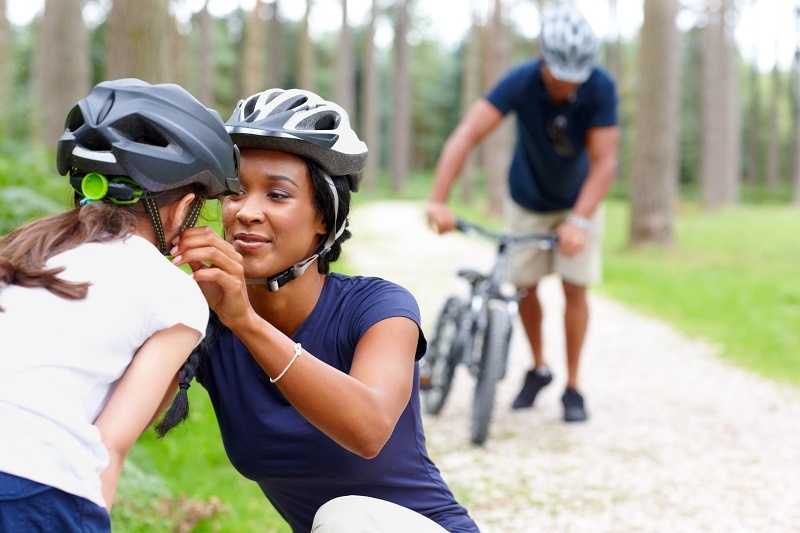
A helmet only protects if it fits and is worn right. Key fit tips:
- The helmet should sit level on your head, one to two finger widths above the brow.
- Side straps form a V just below each ear.
- Buckle the chin strap so two fingers fit snugly under it.
- Replace helmets after any crash or when they show wear.
Pick helmets with certified safety standards. A good fit increases comfort and the chance you will wear it every ride.

My experience and practical tips
I have worked with youth cycling groups and seen many helmet mistakes. New riders often wear helmets too high or unbuckled. I taught quick fit checks at events. The best tip I learned is to treat helmet fitting like shoe fitting. Try several sizes and walk or pedal for five minutes to test comfort. Small changes make helmets feel natural.
Frequently Asked Questions of when are bicyclists required to wear helmets
Are helmets required on bike paths?
Rules differ. Some paths require helmets for certain ages or for all users. Check the path rules.
What happens if a child rides without a helmet?
A child may get a warning or a fine where laws apply. Parents may be held responsible in some places.
Do laws cover scooters and e-bikes too?
Some places include scooters and e-bikes in helmet rules. Other places treat them separately. Look up local definitions.
Can an employer require helmets for bicycle commuters?
Yes. Employers can set safety policies that require helmets for work-related cycling. These policies can apply even if local law does not.
Are rental or shared-bike riders exempt?
Not usually. Riders using rentals or shared bikes must follow local helmet laws and program rules. Some programs provide helmets or guidance.
Conclusion
Knowing when are bicyclists required to wear helmets helps you ride with confidence. Laws vary, but helmets cut head injury risk and often protect kids by law. Fit your helmet well, follow local rules, and make helmet use a simple habit. Try a quick fit check before every ride and share what you learn with friends or family. If this helped, subscribe, leave a comment, or explore local safety resources to learn specific rules where you ride.