
Is It Compulsory To Wear A Bike Helmet: Legal Guide

Wearing a helmet is required in some places but not universally compulsory for all cyclists.
As someone who has studied bike laws and spent years cycling in cities and on country roads, I’ll walk you through whether is it compulsory to wear a bike helmet, why rules differ, and what that means for your safety. This article blends legal facts, research-backed benefits, practical tips, and real-life lessons so you can decide with confidence whether to wear a helmet every ride. Read on to get a clear, friendly, and actionable guide to helmet use and helmet laws.

Understanding helmet laws and basic definitions
Helmet laws set rules about who must wear a bike helmet and when. Some laws are universal, like for all cyclists. Others apply only to certain ages or locations. Knowing basic terms helps:
- Mandatory law: A rule that requires helmet use and can be enforced by fines.
- Age-based law: Requirements that apply to children or teens only.
- Local ordinance: City or county rules that can differ from national law.
Is it compulsory to wear a bike helmet depends on where you ride. The phrase “is it compulsory to wear a bike helmet” shows up in questions from parents, commuters, and casual riders. I’ll explain the common patterns so you can check rules where you live.

Legal landscape: who must wear a helmet and where
Laws vary by country, state, and city. Here are common models:
National laws
Some countries require helmets for all riders. Others leave it to regions or cities. If you travel, check national rules before riding.
State and provincial laws
Many places use age-based rules. For example:
- Children under a certain age must wear helmets.
- Teen and adult laws are less common but do exist.
Local ordinances
Cities sometimes pass their own rules for bike lanes, parks, or events. These can be stricter than state law.
To answer "is it compulsory to wear a bike helmet" for your area, check local government websites or contact a cycling group. Laws change, so verify current rules before a long trip.

Why helmet laws exist: benefits and evidence
Helmet rules aim to reduce head injuries and deaths. Research shows helmets can:
- Cut head injury risk by a significant percentage in crashes.
- Lower the chance of skull fractures and serious brain trauma.
- Provide clear benefits for riders of all ages.
Helmet laws also aim to reduce public health costs and emergency visits. While exact numbers vary, studies consistently find safety benefits for helmet use. When people ask "is it compulsory to wear a bike helmet," they often want to know if the legal rule also brings clear health gains. In many cases, it does.

style=”max-width: 100%; height: auto; border: 2px solid black; border-radius: 10px; display: block; margin: 0 auto;”
loading=”lazy”
/>
Common arguments against compulsory helmet laws and counterpoints
People raise several concerns when discussing "is it compulsory to wear a bike helmet." Here are common points and balanced responses:
-
Argument: Helmets deter cycling and reduce ridership.
- Counterpoint: Health gains from increased cycling often outweigh the small drop in riders. Cities can promote safe routes and bike lanes to keep people riding.
-
Argument: Helmets give a false sense of safety.
- Counterpoint: Education on safe riding reduces risky behavior. Helmets add protection but don’t replace good road habits.
-
Argument: Enforcement is unfair to low-income riders.
- Counterpoint: Programs that provide free or low-cost helmets can help equity while maintaining safety.
These debates matter. They shape how strict laws become. Whether is it compulsory to wear a bike helmet should reflect both safety evidence and community needs.

How to choose, fit, and care for a helmet
Choosing the right helmet matters more than wearing any helmet at all. Follow these steps:
- Pick the right size
- Try the helmet on. It should sit level and feel snug.
- Check the fit
- Use the two-finger rule under the strap and adjust side straps to form a V around each ear.
- Secure the chin strap
- Buckle and tighten so you can open your mouth and feel slight pressure.
- Replace after impact or five years
- Helmets lose protection after crashes or aging foam.
- Look for safety certifications
- Certified helmets meet impact standards set by testing bodies.
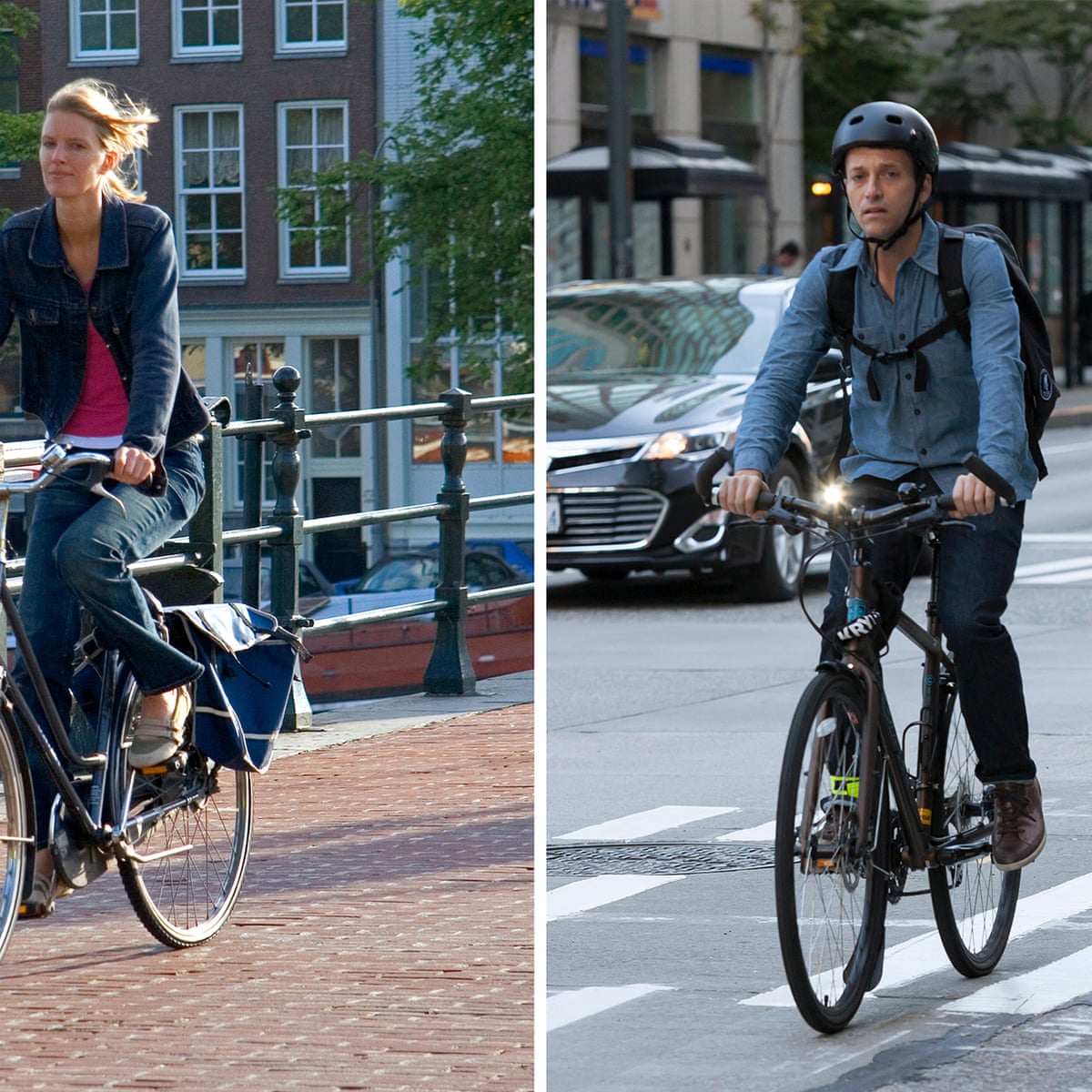
A good fit increases comfort and safety. If you ever ask "is it compulsory to wear a bike helmet," remember that a well-chosen helmet is essential whether required or not.
Practical tips and travel advice
If you commute, travel, or ride for fun, these tips help:
- Carry a helmet lock or a lightweight helmet if you stop frequently.
- Buy a bright color or add reflective stickers for visibility.
- Bundle helmet rules into trip plans when traveling abroad.
- Teach children helmet habits early for long-term safety.
From my rides in traffic and on trails, helmets have saved me from serious head knocks twice. They are lightweight and worth the small effort.

Personal experience and lessons learned
I rode to work for years without a helmet early on. After a fall on wet pavement, a helmet cracked and I walked away with a sore head but no fracture. That moment changed my view on whether is it compulsory to wear a bike helmet — for me, it became non-negotiable.
Lessons I share:
- Treat the helmet like seatbelts: wear it every time.
- Fit matters more than brand.
- Replace helmets after any crash, even a minor one.
These are simple steps from real rides that can make a big difference.

Frequently Asked Questions of is it compulsory to wear a bike helmet
Is it compulsory to wear a bike helmet for adults?
Rules vary by place. In many areas, adults are not legally required to wear a helmet unless local law says so.
Are kids always required to wear helmets?
Many regions mandate helmets for children under a certain age. Check local laws for the exact age limits and exceptions.
Do helmet laws actually reduce injuries?
Studies show helmet use lowers head injury risk. Laws that increase helmet use tend to reduce serious head injuries on a population level.
Will wearing a helmet make me less visible or less likely to be hit?
A helmet does not reduce visibility. Bright helmets and reflective gear can improve your visibility to drivers and help reduce collisions.
Can I be fined if I don’t wear a helmet?
If your area has a mandatory helmet law, yes, you can receive a fine. Enforcement levels vary by location.
What should I do if I’m unsure about local helmet rules?
Check local government or transport websites. You can also ask local cycling groups for up-to-date guidance.
Conclusion
Helmet rules are varied and often depend on where you ride. Whether is it compulsory to wear a bike helmet depends on local law, age, and place. From health data and my own experience, wearing a well-fitting helmet is a smart habit for most riders. Make a plan: check local rules, invest in a certified helmet, and wear it every ride. Share this article, subscribe for updates, or leave a comment with your local helmet law experience.

