
What Year Dodge Charger Models to Avoid

Not all Dodge Charger models are created equal. Some years are plagued by transmission failures, engine problems, and electrical gremlins that can turn your dream car into a money pit. This guide reveals the specific model years to avoid and why, helping you make a smarter, safer purchase.
So you’re thinking about buying a Dodge Charger. Maybe you’ve seen one roaring down the highway, all aggressive lines and muscle-car swagger, and thought, “That’s the one.” And honestly? You’re not wrong. The Charger blends American muscle with modern comfort, offering everything from a practical family sedan to a tire-smoking performance beast. But here’s the thing: not every Charger is built the same. Some model years are absolute winners—smooth, reliable, and packed with features. Others? Well, let’s just say they’ve earned their place on the “avoid at all costs” list.
If you’re shopping used—and let’s face it, most of us are—you need to know which years to steer clear of. A bad model year can mean thousands in repairs, constant trips to the mechanic, and a whole lot of frustration. We’re talking transmission failures that leave you stranded, electrical systems that act up for no reason, and engines that overheat on the freeway. And while the Charger has evolved significantly over the years, some early models in the modern era (post-2006) had growing pains that still haunt used car buyers today.
This guide is your roadmap through the Charger’s rocky history. We’ll break down the worst model years, explain why they’re problematic, and give you practical tips to avoid buying a lemon. Whether you’re eyeing a V6, a Hemi V8, or even a Charger Daytona, knowing which years to avoid can save you time, money, and a major headache. So buckle up—let’s dive into the Charger years you should skip.
Key Takeaways
- 2011–2014 Dodge Charger: Transmission troubles dominate – Many owners report premature transmission failure, especially in V8 models, leading to expensive repairs.
- 2012 Charger R/T and SRT8: Engine cooling issues – Overheating problems, particularly in high-performance trims, due to inadequate cooling system design.
- 2015 Charger: Electrical and infotainment glitches – Uconnect system crashes, dashboard warning lights, and faulty sensors were common complaints.
- 2016–2017 Charger: Recalls and suspension concerns – Multiple recalls for airbags, fuel pumps, and suspension components raised reliability red flags.
- 2018 Charger: Early model year teething problems – Some 2018 models suffered from software bugs and premature brake wear, though later builds improved.
- Always check vehicle history and get a pre-purchase inspection – Even in good years, individual cars can have hidden issues.
- Consider 2019–2023 models for better reliability – These years saw major improvements in build quality, tech, and powertrain refinement.
📑 Table of Contents
- The 2011–2014 Dodge Charger: A Transmission Nightmare
- The 2012 Charger R/T and SRT8: Overheating Woes
- The 2015 Dodge Charger: Electrical and Infotainment Headaches
- The 2016–2017 Dodge Charger: Recalls and Suspension Concerns
- The 2018 Dodge Charger: Early Model Year Teething Problems
- Better Alternatives: 2019–2023 Dodge Charger Models
- Final Tips for Buying a Used Dodge Charger
- Conclusion
The 2011–2014 Dodge Charger: A Transmission Nightmare
If there’s one thing that defines the 2011–2014 Dodge Charger experience, it’s transmission trouble. These years are notorious for premature transmission failure, especially in models equipped with the 5.7L or 6.1L Hemi V8 engines. The issue stems from the 5-speed automatic transmission (known as the W5A580), which simply wasn’t built to handle the torque output of the high-performance variants over the long haul.
Owners frequently report shuddering during acceleration, delayed shifting, and eventually, complete transmission failure—sometimes as early as 60,000 to 80,000 miles. Replacing or rebuilding the transmission can cost upwards of $4,000, which is a massive hit for a used car. Even if the car seems to run fine at first, the transmission may be on borrowed time.
Why the Transmission Failed So Often
The root of the problem lies in design and cost-cutting. Dodge used a transmission that was adequate for the V6 models but struggled under the stress of the V8s. The torque converter and clutch packs weren’t robust enough, leading to overheating and wear. Additionally, the transmission control module (TCM) sometimes failed to manage shift timing properly, accelerating wear.
There were also reports of poor fluid circulation and inadequate cooling, especially in stop-and-go traffic or hot climates. Over time, the transmission fluid would break down, leading to sludge buildup and internal damage.
Real-World Example: The 2012 Charger R/T
Take the 2012 Charger R/T, for instance. This model came with the 5.7L Hemi and was a favorite among enthusiasts for its balance of power and daily drivability. But many owners found themselves facing transmission issues within the first 70,000 miles. One owner in Arizona reported that his transmission started slipping during highway merges. By 75,000 miles, it had failed completely. The repair bill? $4,200. And get this—he had followed the maintenance schedule religiously.
Tips to Spot Transmission Problems
If you’re looking at a 2011–2014 Charger, especially a V8 model, here’s what to watch for:
- Check the transmission fluid: It should be red or pink and smell fresh. Dark, burnt-smelling fluid is a red flag.
- Test drive carefully: Listen for hesitation, jerking, or slipping during shifts. Pay attention to 2nd-to-3rd gear transitions.
- Ask for service records: Look for transmission fluid changes every 30,000–50,000 miles. Neglect here often leads to failure.
- Get a pre-purchase inspection: A mechanic can perform a pressure test and check for internal wear.
Even if the car passes these checks, consider the risk. Many experts recommend avoiding these model years altogether unless you’re prepared for a major repair.
The 2012 Charger R/T and SRT8: Overheating Woes
Visual guide about What Year Dodge Charger Models to Avoid
Image source: shstreetcar.com
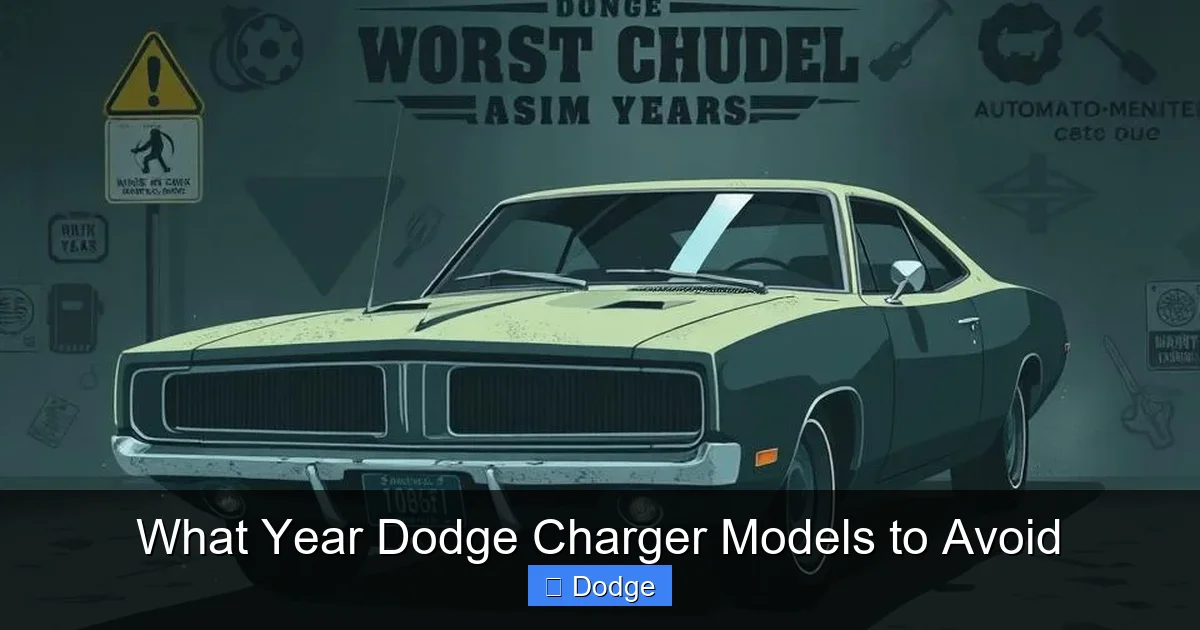
While the 2012 Charger R/T and SRT8 are celebrated for their power and performance, they come with a serious flaw: engine overheating. These high-output models generate a lot of heat, but the cooling systems in early 2010s Chargers weren’t always up to the task—especially in hot climates or during spirited driving.
Owners in states like Texas, Arizona, and Florida reported frequent overheating issues, even during normal highway driving. The problem was so widespread that it became a common topic on Charger forums and owner groups.
What Caused the Overheating?
The primary culprit was the radiator and cooling fan setup. The radiator was undersized for the heat output of the Hemi engines, and the electric cooling fans didn’t always engage properly. Additionally, the coolant temperature sensors sometimes gave false readings, preventing the fans from turning on when needed.
Another factor was the use of plastic components in the cooling system, such as the thermostat housing and radiator end tanks. These parts were prone to cracking and leaking over time, especially under thermal stress.
Real-World Example: The 2012 SRT8
A 2012 Charger SRT8 owner in Phoenix, Arizona, experienced repeated overheating during summer drives. Even with the A/C off and driving at moderate speeds, the temperature gauge would creep into the red. After multiple visits to the dealership, he discovered a cracked radiator and a faulty coolant temperature sensor. The repairs cost over $1,200, and the problem recurred a year later.
How to Avoid Overheating Issues
If you’re considering a 2012 R/T or SRT8, take these precautions:
- Inspect the radiator: Look for cracks, leaks, or signs of previous repairs.
- Check the cooling fans: Make sure both fans turn on when the engine is hot.
- Monitor coolant levels: Low coolant can indicate a leak or evaporation due to overheating.
- Upgrade the cooling system: Consider installing a high-capacity radiator or auxiliary fan if you live in a hot climate.
Again, the risk may not be worth it. Many owners of these models have switched to later years with better cooling designs.
The 2015 Dodge Charger: Electrical and Infotainment Headaches
Visual guide about What Year Dodge Charger Models to Avoid
Image source: carscounsel.com
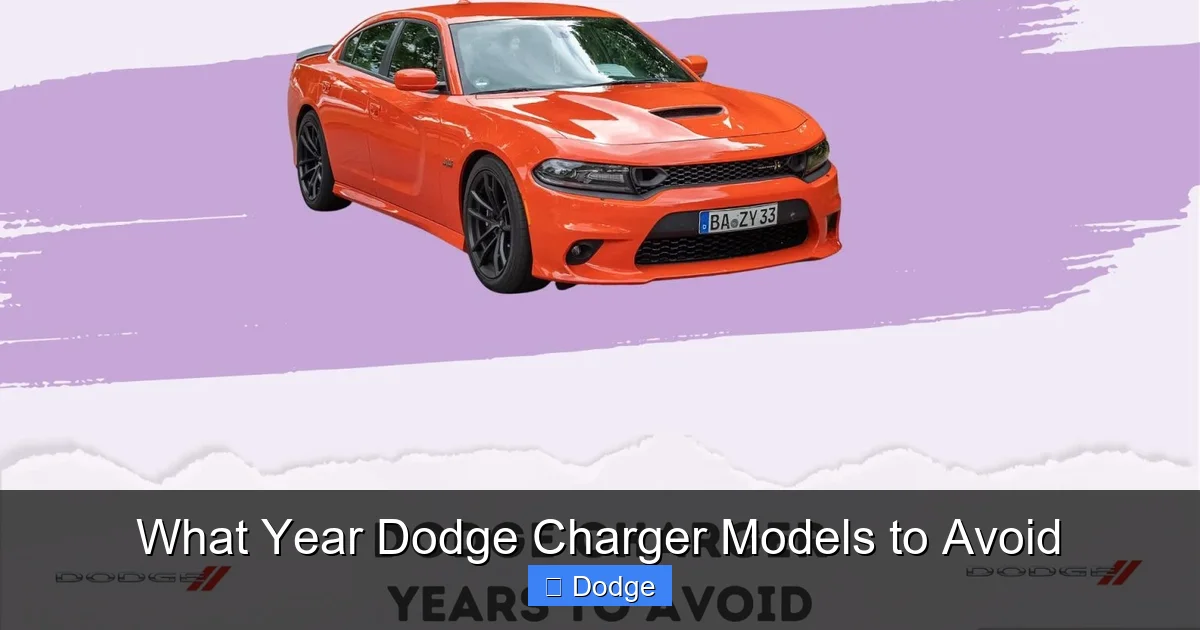
The 2015 Charger marked a mid-cycle refresh with updated styling and a new Uconnect infotainment system. But while the exterior looked sharper, the electronics inside were a mixed bag. Many 2015 models suffered from persistent electrical issues, particularly with the Uconnect system and dashboard warning lights.
Owners reported random system reboots, unresponsive touchscreens, and phantom warning lights—like the check engine light or ABS light—coming on for no reason. In some cases, the entire dashboard would go dark while driving.
Uconnect System Glitches
The Uconnect 8.4 system was a major upgrade in theory, offering navigation, Bluetooth, and smartphone integration. But in practice, it was buggy. Software crashes were common, and updates were slow to arrive. Some owners had to visit the dealership multiple times for software reflashes.
Worse, the system sometimes failed to recognize smartphones or would disconnect during calls. The backup camera would freeze, and the audio system would cut out mid-song.
Dashboard Warning Lights and Sensor Failures
Another common issue was faulty sensors. The tire pressure monitoring system (TPMS) often gave false readings, and the oil pressure sensor would trigger warnings even when oil levels were fine. These false alarms eroded trust in the car’s electronics and made owners second-guess real problems.
Real-World Example: The 2015 Charger SXT
A 2015 Charger SXT owner in Ohio reported that her Uconnect system would freeze every time she used Apple CarPlay. The backup camera would show a black screen, and the radio would stop working. After three software updates at the dealership, the problem persisted. She eventually traded the car for a 2018 model.
How to Check for Electrical Issues
Before buying a 2015 Charger:
- Test all infotainment features: Use Bluetooth, navigation, and smartphone mirroring.
- Check for warning lights: Start the car and watch the dashboard for any unusual alerts.
- Ask about software updates: Find out if the Uconnect system has been updated recently.
- Get a diagnostic scan: A mechanic can check for stored error codes in the car’s computer.
While not all 2015 models are bad, the risk of electrical gremlins is high enough to make this a year to approach with caution.
The 2016–2017 Dodge Charger: Recalls and Suspension Concerns
Visual guide about What Year Dodge Charger Models to Avoid
Image source: carscounsel.com
The 2016 and 2017 Chargers brought improvements in styling and tech, but they also came with a long list of recalls and mechanical concerns. These model years were hit with multiple safety recalls, including issues with airbags, fuel pumps, and suspension components.
Major Recalls to Watch For
Some of the most significant recalls included:
- Airbag inflators: Certain models had defective Takata airbag inflators that could explode upon deployment.
- Fuel pump failures: The electric fuel pump could fail, causing the engine to stall unexpectedly.
- Suspension issues: Some Chargers had faulty control arms or struts that could lead to poor handling or tire wear.
These recalls affected tens of thousands of vehicles and raised concerns about overall build quality.
Suspension and Handling Problems
Even beyond recalls, many owners reported premature wear on suspension components. The front struts and rear shocks didn’t last as long as expected, especially in models with the sport-tuned suspension. This led to a rougher ride and reduced handling precision.
Real-World Example: The 2016 Charger R/T
A 2016 Charger R/T owner in Michigan had his fuel pump fail at 45,000 miles, leaving him stranded on the highway. The dealership replaced it under warranty, but the same issue occurred again at 68,000 miles. He later discovered the recall and had the part replaced again—but the experience shook his confidence in the car.
How to Protect Yourself
If you’re looking at a 2016 or 2017 Charger:
- Check the NHTSA recall database: Enter the VIN to see if any recalls are open or incomplete.
- Ask for repair records: Make sure all recalls have been addressed.
- Inspect the suspension: Look for uneven tire wear or signs of leaking shocks.
- Test drive on rough roads: Listen for clunks or excessive bouncing.
While many of these issues were covered under warranty, buying a used car with unresolved recalls is risky.
The 2018 Dodge Charger: Early Model Year Teething Problems
The 2018 Charger introduced a refreshed exterior and updated tech, but as an early model year, it had its share of teething problems. Some 2018 models suffered from software bugs, premature brake wear, and minor build quality issues.
Software and Infotainment Bugs
The Uconnect system, while improved, still had occasional glitches. Some owners reported slow boot times, unresponsive screens, and Bluetooth pairing issues. These problems were often fixed with software updates, but early adopters had to deal with the frustration.
Brake Wear and Rotor Issues
Another common complaint was premature brake wear, especially on models with the performance brake package. The brake pads and rotors would wear out faster than expected, requiring replacement at around 20,000 to 30,000 miles.
Real-World Example: The 2018 Charger GT
A 2018 Charger GT owner in California noticed his brakes were squeaking and vibrating at just 25,000 miles. A mechanic found warped rotors and worn pads. The repair cost $600, and he later learned this was a common issue in early 2018 models.
How to Avoid 2018 Issues
If you’re considering a 2018 Charger:
- Check the brake condition: Look for scoring on the rotors and measure pad thickness.
- Test the infotainment system: Make sure it boots quickly and responds to inputs.
- Ask about software updates: Ensure the car has the latest Uconnect version.
- Look for later builds: Later 2018 models had fewer issues than early production units.
While not as problematic as earlier years, the 2018 Charger still carries some risk.
Better Alternatives: 2019–2023 Dodge Charger Models
If you’re looking for a reliable Charger, the 2019–2023 models are your best bet. These years saw significant improvements in build quality, technology, and powertrain refinement. The 8-speed automatic transmission replaced the older 5-speed, offering smoother shifts and better reliability.
Why These Years Are Better
- Improved transmission: The 8-speed ZF transmission is more durable and efficient.
- Updated Uconnect system: Faster, more reliable, and with better smartphone integration.
- Stronger cooling systems: Better radiators and fans prevent overheating.
- Fewer recalls: These years had significantly fewer safety recalls.
- Modern safety features: Available with adaptive cruise control, blind-spot monitoring, and more.
Real-World Example: The 2020 Charger Scat Pack
A 2020 Charger Scat Pack owner in Texas reports zero major issues after 50,000 miles. The transmission shifts smoothly, the infotainment works flawlessly, and the car has required only routine maintenance. He credits the improvements Dodge made starting in 2019.
Tips for Buying a 2019–2023 Charger
- Choose a well-maintained example: Look for low mileage and full service records.
- Prefer later model years: 2021–2023 models have the most refined tech and features.
- Consider certified pre-owned (CPO): CPO Chargers come with extended warranties and inspections.
Final Tips for Buying a Used Dodge Charger
No matter which year you choose, follow these best practices:
- Get a pre-purchase inspection: A mechanic can spot hidden issues.
- Check the vehicle history report: Use services like Carfax or AutoCheck to check for accidents, title issues, and maintenance.
- Test drive thoroughly: Drive on highways, city streets, and rough roads.
- Negotiate based on issues: If problems are found, use them to lower the price.
- Consider extended warranty: For older or high-mileage Chargers, a warranty can provide peace of mind.
Conclusion
The Dodge Charger is a fantastic car—when you get the right model year. But the 2011–2014, 2015, 2016–2017, and early 2018 models come with enough problems to make them risky purchases. Transmission failures, overheating, electrical glitches, and recalls have plagued these years, turning what should be a dream car into a maintenance nightmare.
By avoiding these problematic model years and focusing on the more reliable 2019–2023 Chargers, you can enjoy the power, style, and comfort the Charger is known for—without the constant repairs. Do your research, inspect the car thoroughly, and don’t rush into a purchase. Your future self will thank you.
Frequently Asked Questions
Which Dodge Charger year has the most problems?
The 2011–2014 models are widely considered the worst due to frequent transmission failures, especially in V8 versions. These issues often occur before 80,000 miles and can cost thousands to fix.
Is the 2015 Dodge Charger reliable?
The 2015 Charger has decent mechanical reliability but suffers from electrical and infotainment issues. The Uconnect system is prone to crashes and glitches, making it a mixed bag for daily use.
Should I avoid the 2012 Charger SRT8?
Yes, if you live in a hot climate or plan to drive aggressively. The 2012 SRT8 is known for overheating problems due to an undersized cooling system and faulty sensors.
Are 2016–2017 Chargers safe to buy?
They can be, but only if all recalls have been addressed. Check the NHTSA database for open recalls on airbags, fuel pumps, and suspension components before purchasing.
What’s the best year for a used Dodge Charger?
The 2019–2023 models are the most reliable, with improved transmissions, better tech, and fewer mechanical issues. The 2020 and newer models are especially recommended.
Can I fix a Charger with transmission problems?
Yes, but it’s expensive. Transmission rebuilds or replacements can cost $3,000–$5,000. Unless you’re prepared for that expense, it’s better to avoid problematic model years altogether.
