What Size Windshield Wipers for a 2016 Hyundai Elantra?

Contents
- 1 Key Takeaways
- 2 📑 Table of Contents
- 3 Why the Right Wiper Size is Non-Negotiable for Your 2016 Hyundai Elantra
- 4 The Official 2016 Hyundai Elantra Wiper Blade Sizes
- 5 Understanding Wiper Blade Types: More Than Just Size
- 6 How to Measure and Confirm Your Wiper Size Yourself
- 7 Installation: A Simple DIY Task for Your Elantra
- 8 Maintenance, Timing, and Seasonal Considerations
- 9 Beyond the Blades: Holistic Visibility Safety for Your Elantra
- 10 Frequently Asked Questions



The 2016 Hyundai Elantra uses 26-inch driver-side and 16-inch passenger-side windshield wiper blades. Getting the correct size is critical for full windshield coverage and a streak-free view. While these are the standard sizes, always double-check your specific trim’s label or measure old blades for absolute certainty before purchasing new ones.
Key Takeaways
- Standard Sizes: The common OEM sizes are a 26-inch blade for the driver’s side and a 16-inch blade for the passenger’s side.
- Verify Your Model: Always confirm sizes using your owner’s manual, a sticker on the driver’s side door jamb, or by measuring your existing wipers.
- Blade Type Matters: Beyond size, choose between traditional frame, beam (flat), or hybrid blades for different performance and durability.
- One-Size-Fits-None: Never assume wiper sizes are universal; even within the same model year, trims like the GLS vs. Limited can have slight variations.
- Installation is Simple: Most 2016 Elantra wipers use a standard J-hook connector, making DIY replacement a quick 5-minute job for most people.
- Replace Regularly: Plan to change your wipers every 6-12 months for optimal performance, especially before rainy or snowy seasons.
- Pair with Other Maintenance: While replacing wipers, it’s a great time to check your car battery’s health and inspect your tire tread depth for overall safety.
📑 Table of Contents
- Why the Right Wiper Size is Non-Negotiable for Your 2016 Hyundai Elantra
- The Official 2016 Hyundai Elantra Wiper Blade Sizes
- Understanding Wiper Blade Types: More Than Just Size
- How to Measure and Confirm Your Wiper Size Yourself
- Installation: A Simple DIY Task for Your Elantra
- Maintenance, Timing, and Seasonal Considerations
- Beyond the Blades: Holistic Visibility Safety for Your Elantra
Why the Right Wiper Size is Non-Negotiable for Your 2016 Hyundai Elantra
Let’s be real—windshield wipers aren’t the most glamorous part of your 2016 Hyundai Elantra. They sit there, quietly doing their job until that sudden downpour or muddy splash from a passing truck. Then, you need them to perform perfectly. Having the wrong size wiper blade isn’t just an inconvenience; it’s a major safety hazard. Blades that are too short leave dangerous gaps of uncleared glass, while blades that are too long can interfere with each other, causing chatter, skipping, and even damage to the wiper arms or the windshield itself. For your Elantra, a car known for its reliable and efficient commuting, clear visibility is paramount. Getting the precise size ensures the wiper arms apply the correct pressure across the entire windshield contour, giving you a consistent, streak-free wipe every single time. It’s the first and most fundamental step in maintaining your view through all weather conditions.
The Dangers of an Improper Fit
Using incorrectly sized wipers leads to a cascade of problems. First, you get poor cleaning performance. Uncovered spots mean your vision is compromised, especially at night with oncoming headlights. Second, the wiper mechanism can be strained. An overly long blade might bind or flex unnaturally, putting extra stress on the wiper motor and linkage, potentially leading to costly repairs down the line. Third, you’ll experience annoying noises—squeaking, squealing, or a rhythmic skipping sound that drives you crazy. Finally, you simply waste money on blades that don’t work well and will need replacing sooner because they’re not making proper contact. For a practical, no-nonsense car like the Elantra, every component should be chosen with precision. That starts with the correct measurement.
The Official 2016 Hyundai Elantra Wiper Blade Sizes
So, what are the magic numbers? For the vast majority of 2016 Hyundai Elantra models across all trims (GLS, SE, Sport, Limited, and Value Edition), the manufacturer specifies two sizes. The driver’s side (left side in left-hand drive markets) requires a longer blade, while the passenger side uses a shorter one. This asymmetrical design is common in many modern vehicles to maximize coverage without the blades interfering with each other at the rest position on the passenger side.

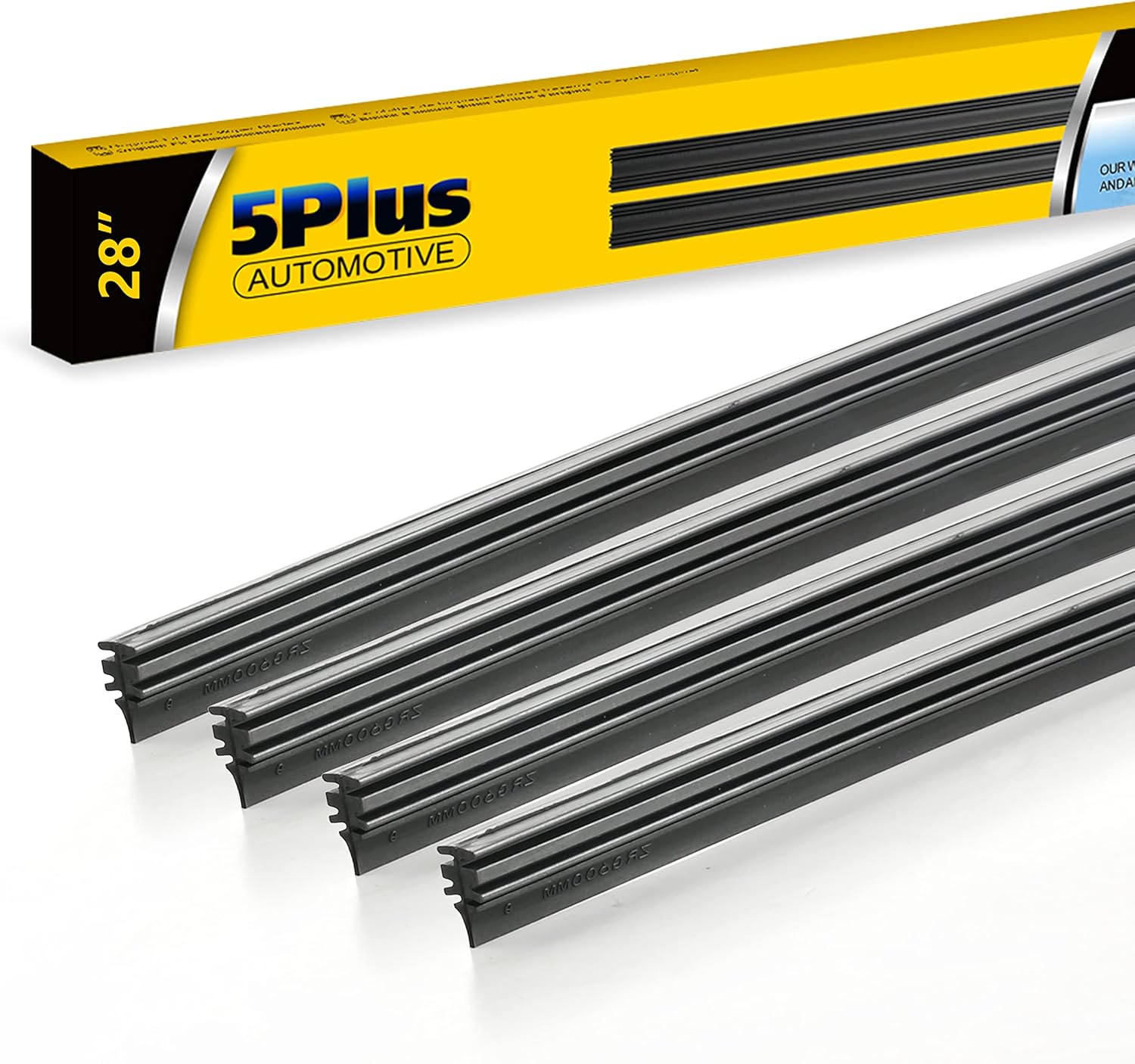
Visual guide about What Size Windshield Wipers for a 2016 Hyundai Elantra?
Image source: m.media-amazon.com
- Driver’s Side Wiper: 26 inches (or sometimes marked as 650mm)
- Passenger Side Wiper: 16 inches (or sometimes marked as 400mm)
These are the sizes you will find listed in your owner’s manual under the “Capacities and Specifications” chapter or on a small sticker inside the driver’s side door jamb. They are also the sizes most auto parts stores will look up for your vehicle when you ask for wiper blades.
Is This Always True? The Importance of Double-Checking
While the 26″/16″ combo is standard, we must add a crucial caveat. Manufacturing tolerances, optional packages (like a rear wiper on some trims), or even regional specifications can occasionally lead to minor variations. The most foolproof method is to physically measure your existing wiper blades. Don’t just look at the rubber insert; measure the entire metal or plastic frame from the hook attachment point to the very tip. Write these numbers down. Alternatively, you can simply lift the old blade away from the glass and read the size printed directly on it—it’s almost always there. This five-second check eliminates any doubt and guarantees a perfect fit.
Understanding Wiper Blade Types: More Than Just Size
Once you have the correct length, your next decision is about blade technology. The size gets the blade on the car, but the type determines how well it performs and how long it lasts. For your 2016 Elantra, you have three primary modern options, moving from basic to advanced.
Traditional Framed Blades
This is the classic design you’re probably most familiar with. A metal frame holds multiple rubber blades. They are the least expensive option upfront. However, the frame can collect ice and snow, reducing flexibility in winter, and the multiple pressure points can sometimes lead to uneven wear and streaking. They are a functional, budget-friendly choice but often require replacement more frequently.
Beam Blades (Flat Blades)
Beam blades are the current standard for most vehicles, including the Elantra. They are a single, contoured piece of rubber or silicone with a built-in spring mechanism that provides uniform pressure along the entire blade length. This design is more aerodynamic (reducing lift at high speeds), handles snow and ice better without a frame to pack with debris, and typically provides a cleaner, quieter wipe. They offer excellent value and performance for everyday driving.
Hybrid Blades
As the name suggests, hybrids combine elements of both. They have a rigid, aerodynamic backer (like a simplified frame) that supports a high-performance rubber or silicone blade. This design aims to provide the extreme pressure and durability of a framed blade with the sleek, snow-shedding profile of a beam blade. They are often marketed as premium or all-weather blades and are a fantastic choice if you live in an area with harsh winters or simply want the longest-lasting, highest-clarity wipe possible. When shopping, you’ll see brands like Bosch, Rain-X, ACDelco, and PIAA offering these styles in your 26″ and 16″ sizes.
How to Measure and Confirm Your Wiper Size Yourself
Even with the standard sizes memorized, I want to empower you with the skill to verify for yourself. It’s easy and takes less than a minute. Here’s your simple, foolproof guide to becoming your own wiper size expert.
The “Look at the Old Blade” Method (Easiest)
This is the fastest way. Gently lift the wiper arm away from the windshield so it stands away from the glass. On the rubber blade itself, or on the plastic/metal connector piece, you will find the size stamped or printed. It will say something like “26” or “650mm” for the driver side and “16” or “400mm” for the passenger side. This is the manufacturer’s exact specification for that blade. Just replace it with the same numbers.
The “Use a Tape Measure” Method (Most Certain)
If the old blade is missing or the printing is worn off, this is your golden method. Important: Do not measure just the rubber strip. You must measure the entire wiper blade assembly from the point where it hooks onto the wiper arm (the J-hook or pin) to the very farthest tip of the blade. Lay the blade on a flat surface and use a standard tape measure. Record the measurement in inches. This is the length you need to buy. Do this for both the driver and passenger side arms.
Checking the Manufacturer’s Label
Your owner’s manual is the ultimate source. Look in the index for “wipers,” “windshield wipers,” or “capacities.” There will be a specifications page. You can also check the sticker on the driver’s side door jamb, which often lists tire size, paint code, and sometimes wiper sizes. If you’ve lost the manual, many are available as free PDFs online from Hyundai’s official owner’s portal.
Installation: A Simple DIY Task for Your Elantra
Here’s the great news: replacing your 2016 Hyundai Elantra’s wiper blades is one of the easiest maintenance tasks you can do. You don’t need special tools or a mechanic’s training. Most Elantras use a simple J-hook connector. This is a small, J-shaped hook on the wiper arm that the blade’s adapter clicks onto. The entire process usually takes under 5 minutes per side.
Step-by-Step Installation Guide
1. Lift the Wiper Arm: Gently pull the wiper arm away from the windshield until it locks into a stable, perpendicular position. Some arms have a small tab to hold them up; if not, just be careful not to let the spring-loaded arm snap back.
2. Remove the Old Blade: Locate the connector where the blade meets the arm. For a J-hook, you’ll typically press a small tab or button on the blade’s adapter and slide it off the hook. Some older styles just slide off. Consult the instructions on your new blade’s packaging for the exact release mechanism.
3. Attach the New Blade: Take your new 26″ or 16″ blade. Ensure the correct adapter is attached (most come pre-assembled for J-hook, but it’s good to verify). Slide the new blade’s connector onto the J-hook of the wiper arm until you hear or feel a definitive click. Give it a gentle tug to ensure it’s locked in place.
4. Lower the Arm: Slowly and carefully lower the wiper arm back onto the windshield. Repeat for the other side.
5. Test: Turn on your wipers with the windshield wet (use your washer fluid). Watch for smooth, quiet operation across the entire glass. There should be no skipping, squeaking, or areas left dry.
Pro-Tip for the Rear Wiper
If your Elantra is a sedan (most are), it likely has a single small rear wiper on the liftgate. This has its own unique size, typically around 12 inches. Always check your manual or measure this one separately, as it’s a completely different part number from the front pair. Replacing it follows the same simple process.
Maintenance, Timing, and Seasonal Considerations
Knowing the size is half the battle; knowing when to replace them and how to care for them is the other half. Wiper blades are a wear item, like brakes or tires, and they degrade over time.
When to Replace: The 6-12 Month Rule
As a general rule, plan to inspect and likely replace your wiper blades every six months to a year. The elements—sun, ozone, rain, snow, ice, and road grime—break down the rubber compound. Signs it’s time for new blades include: streaking or smearing on the glass, squeaking or chattering noises, visible cracks or splits in the rubber, and the blade skipping over the glass, especially at higher speeds. A good practice is to replace them in the fall before winter sets in, ensuring you have a fresh, flexible set to handle snow and ice. A second replacement in the spring after the harsh winter is also a smart move for many drivers.
Caring for Your Blades to Extend Life
You can squeeze a few extra months of life from a good set with simple care. Regularly clean the rubber edge with a soft cloth dampened with rubbing alcohol or a dedicated wiper blade cleaner. This removes built-up oils and debris. In winter, always clear ice and snow from the windshield before turning on the wipers. Forcing frozen blades to move can tear the rubber or bend the frame. If your car is parked outside, gently lift the wiper arms away from the glass overnight during a freeze to prevent them from freezing to the windshield. These small habits protect your investment.
Matching Blades to Your Climate
Your local weather should influence your blade choice beyond just size. If you live in a region with heavy snow and ice, prioritize beam blades or hybrids with a winter-specific rubber compound that stays flexible in cold temperatures. Some even have a rubber boot over the metal joints to prevent ice buildup. For sunny, dry climates, UV-resistant rubber formulations are key to preventing dry rot. The best wiper blades for a Hyundai Elantra are the ones designed for the conditions you drive in most often.
Beyond the Blades: Holistic Visibility Safety for Your Elantra
Perfect wipers are only one part of the clear-vision equation. To be a truly safe and prepared driver, consider the full system that affects your ability to see and be seen.
Windshield Washer Fluid is Essential
Great blades need great fluid. Never use plain water, especially in winter (it freezes). Use a high-quality, season-appropriate windshield washer fluid. In winter, choose a de-icing formula with a low freezing point. In summer, a bug-splatter removing formula is helpful. Keep your reservoir topped up. A clean windshield with effective wipers and plenty of fluid is your primary defense against obscured vision.
Windshield Condition Matters
Even the best blades can’t fix a pitted or deeply scratched windshield. Over time, sand, debris, and even wiper grit can etch the glass surface, causing light to scatter and create glare, especially at night or in direct sun. If your windshield is heavily pitted or has deep scratches that new wipers can’t clear, it may be time for a replacement. A clear, undamaged windshield is a critical safety component.
Don’t Forget the Headlights
Clear vision goes both ways—seeing out and being seen. Dull, yellowed, or oxidized headlight lenses drastically reduce your nighttime visibility and make you less visible to others. A simple headlight restoration kit can work wonders, or consider replacement if the plastic is severely degraded. While you’re thinking about wipers and visibility, it’s a great time to also check your battery’s cranking amps to ensure your electrical system can handle the extra load of headlights and wipers during winter starts.
Frequently Asked Questions
Can I use a different size wiper on my 2016 Hyundai Elantra?
No. Using a different size, even by an inch, will compromise performance and can damage your wiper system. Always use the exact 26-inch and 16-inch sizes specified for your model to ensure proper arm geometry and full windshield coverage.
Are beam blades better than traditional framed blades for the Elantra?
For most drivers, yes. Beam blades provide more consistent pressure, are quieter, handle snow better without a frame to collect ice, and often last longer. They are the best all-around choice for a 2016 Elantra. Framed blades are a lower-cost alternative but may perform less optimally over time.
How do I know if my wiper connector is a J-hook or something else?
Look at the end of your wiper arm where it connects to the blade. A J-hook is a small, open, J-shaped metal hook. It’s the most common type on the 2016 Elantra. Other types include a straight pin or a bayonet-style connector. The old blade you remove will show you exactly what type it is, and new blades come with multiple adapters to fit all common styles.
My wipers still streak after installing new, correctly-sized blades. Why?
First, ensure the blades are properly locked onto the arms. A loose connection will cause skipping. Second, clean your windshield thoroughly with a glass cleaner and a microfiber cloth. Dirt and wax residues on the glass are a common cause of new blade streaking. Finally, check that you didn’t accidentally install the driver and passenger blades on the wrong sides—they are different lengths.
Should I replace both wipers at the same time?
Absolutely yes. Wiper blades wear out together. If one is damaged or worn, the other is not far behind. Replacing both at once ensures balanced, consistent performance and saves you from having to do the job again in a few months. It’s more efficient and safer.
What’s the average cost for a set of wiper blades for this car?
You can find a quality set of two beam blades (26″ and 16″) from reputable brands for anywhere between $20 and $50. Premium hybrid or winter-specific blades from top brands may run $40 to $70 for the pair. This is a very affordable maintenance item that provides a major safety benefit.