
How Much Is a Tire for a Hyundai Elantra?

Wondering how much a tire for a Hyundai Elantra costs? Prices typically range from $80 to $250 per tire, depending on size, brand, and performance level. With installation and balancing, expect to pay between $100 and $300 per tire—but smart shopping and maintenance can help you save.
[FEATURED_IMAGE_PLACEOLDER]
Key Takeaways
- Tire prices vary widely: A tire for a Hyundai Elantra can cost anywhere from $80 to $250, depending on size, brand, and performance features.
- Installation adds to the cost: Budget an extra $20–$50 per tire for mounting, balancing, and disposal fees at most shops.
- OE tires vs. aftermarket options: Original equipment (OE) tires may cost more, but aftermarket brands often offer better value and performance.
- Season and type matter: All-season tires are the most common and affordable, while winter or performance tires cost more.
- Shop around for deals: Online retailers like Tire Rack, Discount Tire, and Walmart often offer lower prices and promotions than local shops.
- Proper maintenance extends tire life: Regular rotations, alignments, and proper inflation can save you money by preventing premature wear.
- Consider total cost of ownership: A slightly more expensive tire with better fuel efficiency or longevity may save you money over time.
📑 Table of Contents
How Much Is a Tire for a Hyundai Elantra? A Complete Guide
If you’re driving a Hyundai Elantra, you already know it’s a reliable, fuel-efficient, and stylish compact sedan that’s perfect for daily commutes, weekend road trips, and everything in between. But like any vehicle, your Elantra depends heavily on one critical component: its tires. Whether you’re dealing with a flat, worn tread, or just due for a replacement, knowing how much a tire for a Hyundai Elantra costs is essential for budgeting and making smart decisions.
Tires aren’t just rubber circles that keep your car rolling—they’re your first line of defense against accidents, poor fuel economy, and uncomfortable rides. And while the Elantra is known for its affordability and low maintenance costs, tire replacement can still be a significant expense if you’re not prepared. The good news? With the right knowledge, you can find high-quality tires at reasonable prices without sacrificing safety or performance.
In this guide, we’ll break down everything you need to know about tire costs for the Hyundai Elantra. From average price ranges and factors that influence cost, to where to buy and how to save money, we’ve got you covered. Whether you’re driving a 2015 Elantra or the latest 2024 model, this article will help you make informed choices that keep your car safe, efficient, and your wallet happy.
Average Tire Prices for the Hyundai Elantra
Visual guide about How Much Is a Tire for a Hyundai Elantra?
Image source: sparetire.com
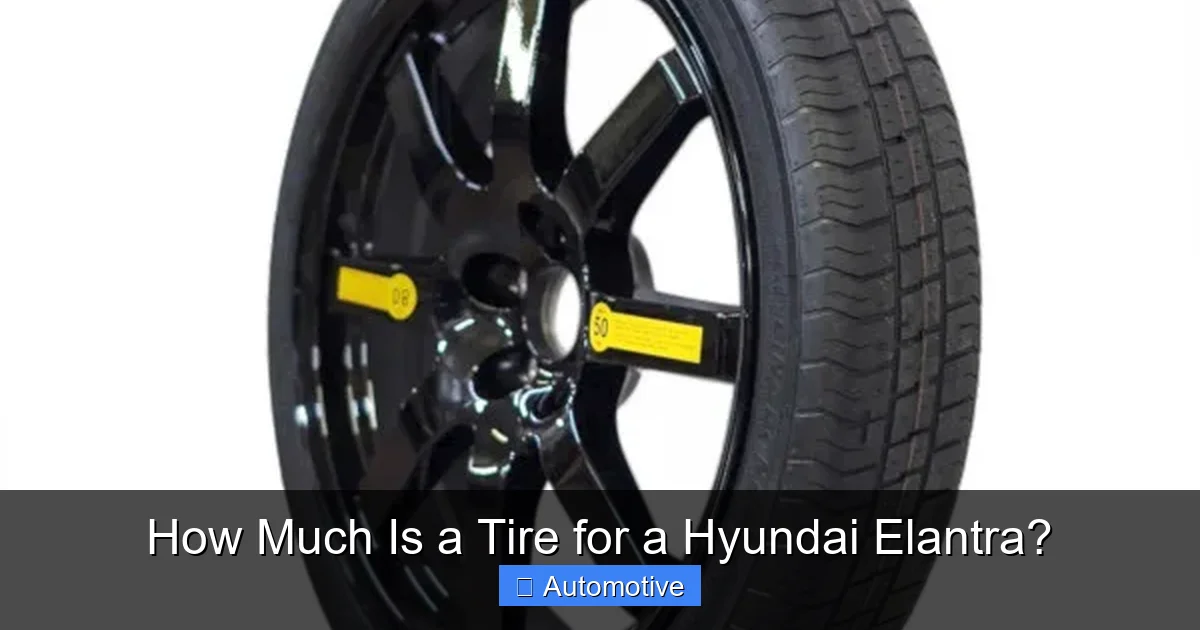
So, how much is a tire for a Hyundai Elantra? The short answer: it depends. But on average, you can expect to pay between $80 and $250 per tire, depending on several key factors. Let’s dive into the details.
Most Hyundai Elantras come equipped with 15- or 16-inch wheels, though newer models may feature 17-inch rims. The tire size typically ranges from 195/65R15 to 225/45R17, depending on the trim and year. This variation in size directly affects pricing—larger tires generally cost more due to increased material and manufacturing complexity.
For example, a basic 195/65R15 all-season tire from a budget brand like General or Kumho might cost around $80 to $100 per tire. On the other hand, a high-performance 225/45R17 tire from a premium brand like Michelin or Continental could run you $200 to $250 each. That’s a big difference, and it highlights why understanding your options is so important.
Let’s look at a few real-world examples. A 2022 Hyundai Elantra SEL with 16-inch wheels might use 205/55R16 tires. A set of four all-season tires from a mid-range brand like Firestone or Goodyear could cost around $400 to $500 total—about $100 to $125 per tire. If you opt for a premium brand like Michelin Defender, that same set might jump to $600 or more.
It’s also worth noting that prices can vary significantly between online and in-store retailers. Online platforms like Tire Rack, Discount Tire Direct, and SimpleTire often offer lower base prices, plus free shipping and installation partnerships. Local tire shops may charge more upfront but could include perks like free rotations or roadside assistance.
Factors That Influence Tire Pricing
Several factors determine how much you’ll pay for a tire on your Hyundai Elantra. Understanding these can help you avoid overpaying and choose the best option for your needs.
First, **tire size** plays a major role. As mentioned, larger tires cost more. A 17-inch performance tire will almost always be pricier than a 15-inch standard tire, even if they’re from the same brand.
Second, **brand reputation** affects cost. Premium brands like Michelin, Bridgestone, and Pirelli charge more because they invest heavily in research, durability, and performance. Budget brands like Westlake or Triangle offer lower prices but may not last as long or perform as well in extreme conditions.
Third, **tire type** matters. All-season tires are the most common and affordable, typically ranging from $80 to $150. Winter tires, designed for snow and ice, can cost $120 to $250. High-performance or summer tires, built for speed and handling, often start at $150 and go up from there.
Fourth, **tread life and warranty** influence price. Tires with longer tread warranties (like 60,000 or 80,000 miles) usually cost more upfront but can save you money over time by lasting longer.
Finally, **geographic location** can impact pricing. Tires may cost more in areas with high demand, harsh weather, or limited competition. For example, winter tires are more expensive in northern states, while all-season tires might be pricier in regions with extreme heat.
Original Equipment vs. Aftermarket Tires
When replacing tires on your Hyundai Elantra, you’ll face a choice: stick with the original equipment (OE) tires or go with aftermarket options.
OE tires are the ones that came with your car from the factory. For many Elantras, that might be a set of Nexen or Kumho all-season tires. These are designed to meet Hyundai’s specifications for comfort, noise, and fuel efficiency. However, OE tires aren’t always the best performers—especially if you drive aggressively or in challenging conditions.
Aftermarket tires, on the other hand, offer more variety and often better value. Brands like Michelin, Continental, and Goodyear make tires specifically designed to outperform OE options in areas like wet traction, tread life, and ride comfort. While they may cost a bit more, the improved performance and longevity often justify the price.
For example, a 2020 Elantra Limited might come with 225/45R17 Nexen tires. Replacing them with Michelin Pilot Sport A/S 4 tires could cost $200 each but offer significantly better handling and braking in rain and snow. Over time, that investment could pay off in safety and reduced replacement frequency.
Types of Tires for the Hyundai Elantra

Visual guide about How Much Is a Tire for a Hyundai Elantra?
Image source: i.ytimg.com
Not all tires are created equal—and choosing the right type for your driving habits and climate is crucial. Here’s a breakdown of the most common tire types for the Hyundai Elantra.
All-Season Tires
All-season tires are the most popular choice for Elantra owners. They’re designed to perform well in a variety of conditions, including dry, wet, and light snow. Most new Elantras come equipped with all-season tires, and they’re ideal for drivers in moderate climates.
These tires typically cost between $80 and $150 per tire. Brands like Goodyear Assurance, Firestone Champion, and Michelin Defender offer reliable all-season options that balance comfort, longevity, and performance.
One advantage of all-season tires is their versatility. You don’t need to swap them out seasonally, which saves time and money. However, they’re not the best choice for areas with heavy snow or extreme temperatures.
Winter Tires
If you live in a region with harsh winters—think snow, ice, and sub-freezing temperatures—winter tires are a smart investment. They’re made with softer rubber compounds and deeper treads that grip snow and ice far better than all-season tires.
Winter tires for the Elantra usually range from $120 to $250 per tire. While they cost more and require seasonal swapping, they can dramatically improve safety and control in winter conditions.
For example, a set of four Nokian Hakkapeliitta R5 tires (a top-rated winter tire) in 205/55R16 size might cost around $700 total. But if you drive in snowy areas, that investment could prevent accidents and save you thousands in potential damages.
Performance and Summer Tires
Performance tires are designed for drivers who want better handling, faster acceleration, and improved cornering. They’re typically used on sportier trims of the Elantra, like the N Line model.
These tires have stiffer sidewalls and aggressive tread patterns, which enhance grip but may reduce ride comfort and tread life. Prices range from $150 to $250 per tire.
Summer tires are a subset of performance tires, optimized for warm weather. They offer excellent dry and wet traction but should never be used in cold or snowy conditions, as the rubber hardens and loses grip.
While performance tires aren’t necessary for most Elantra drivers, they can enhance the driving experience if you enjoy spirited driving or live in a warm climate.
Touring and Grand Touring Tires
Touring tires are a step up from standard all-season tires. They’re designed for long-distance comfort, quiet rides, and extended tread life. These are great for highway commuters or frequent travelers.
Grand touring tires take it a step further, offering a balance of performance, comfort, and durability. Brands like Michelin and Bridgestone offer excellent touring options for the Elantra.
Prices for touring tires typically range from $120 to $200 per tire. While they cost more than basic all-season tires, their longevity and comfort often make them worth the investment.
Where to Buy Tires for Your Hyundai Elantra
Visual guide about How Much Is a Tire for a Hyundai Elantra?
Image source: tpmsreset.com
Once you’ve decided on the right type and size of tire, the next step is figuring out where to buy them. You have several options, each with pros and cons.
Online Retailers
Online tire retailers like Tire Rack, Discount Tire Direct, and SimpleTire are popular choices for their competitive pricing and convenience. These sites allow you to compare prices, read customer reviews, and often offer free shipping to a local installation shop.
One major advantage of online shopping is transparency. You can easily see the exact price per tire, including any discounts or promotions. Many sites also offer rebates, free road hazard protection, or buy-three-get-one-free deals.
For example, Tire Rack frequently runs promotions like “Save $50 on a set of four tires” or “Free installation at partner shops.” These deals can significantly reduce your total cost.
However, you’ll need to arrange installation separately, usually at a certified mechanic or tire shop. Most online retailers partner with local installers, so the process is seamless—but it does require a bit more coordination.
Local Tire Shops and Dealerships
Buying tires from a local shop or Hyundai dealership offers the convenience of one-stop service. You can get your tires mounted, balanced, and aligned all in one visit. Many shops also offer free services like tire rotations and flat repairs.
Dealerships may carry OE tires, which can be reassuring if you want to stick with the original specs. However, they often charge higher prices than online or independent shops.
Independent tire shops, like Firestone Complete Auto Care or Midas, usually offer competitive pricing and personalized service. They may also have loyalty programs or discounts for repeat customers.
One downside of local shops is limited selection. You might not find the exact brand or model you want, especially for less common sizes.
Big-Box Retailers
Stores like Walmart, Costco, and Sam’s Club also sell tires and offer installation services. These retailers often have low base prices and frequent promotions.
For example, Walmart’s tire center frequently offers $10 off per tire or free installation with purchase. Costco members can get discounted prices and free lifetime rotations and flat repairs.
However, availability may be limited, and you might not find premium brands at these locations. Also, appointment scheduling can be less flexible than at dedicated tire shops.
Installation and Additional Costs
When budgeting for new tires, it’s important to factor in more than just the price per tire. Installation and related services can add $20 to $50 per tire to your total cost.
Mounting and Balancing
Mounting involves attaching the tire to the wheel, while balancing ensures the tire spins smoothly without vibration. Most shops charge $15 to $25 per tire for this service.
Some online retailers include free mounting and balancing when you use their partner installers. Always ask about these fees upfront to avoid surprises.
Valve Stems and Disposal Fees
New tires often require new valve stems, which cost $5 to $10 each. Disposal fees for old tires typically range from $5 to $15 per tire, depending on local regulations.
These small charges can add up, so it’s wise to ask for a full quote before committing.
Alignment and Rotation
While not always required with new tires, a wheel alignment is recommended to ensure even wear and proper handling. Alignments cost $50 to $100.
Tire rotations, which extend tire life by promoting even wear, are usually free at many shops or included in service packages.
Road Hazard Protection
Some retailers offer road hazard warranties for $10 to $20 per tire. These plans cover damage from potholes, nails, or other road debris. While not essential, they can provide peace of mind, especially if you drive on rough roads.
Tips to Save Money on Hyundai Elantra Tires
Tire replacement doesn’t have to break the bank. With a few smart strategies, you can save significantly on your next set.
Shop During Sales and Promotions
Tire retailers often run seasonal promotions, especially in spring and fall. Look for deals like “Buy 3, Get 1 Free” or “$50 off a set of four.” Signing up for email alerts from your favorite retailers can help you catch these offers.
Consider Reconditioned or Used Tires
For budget-conscious drivers, reconditioned or lightly used tires can be a viable option—especially for spare tires or older vehicles. Just make sure they’re inspected by a professional and have plenty of tread left.
Buy in Sets of Four
Replacing all four tires at once ensures even wear and optimal performance. Many shops offer discounts when you buy a full set, and it prevents future mismatched wear.
Maintain Your Tires
Proper maintenance can extend tire life and save money in the long run. Check tire pressure monthly, rotate tires every 5,000 to 7,500 miles, and get alignments as needed.
Underinflated tires wear faster and reduce fuel efficiency, costing you more at the pump. Overinflated tires can lead to blowouts and uneven wear.
Choose the Right Tire for Your Needs
Don’t overspend on performance tires if you only drive to work and back. Conversely, don’t skimp on winter tires if you live in a snowy area. Matching your tires to your driving habits ensures you get the best value.
Conclusion
So, how much is a tire for a Hyundai Elantra? The answer isn’t one-size-fits-all, but with the information in this guide, you’re now equipped to make a smart, informed decision.
On average, expect to pay between $80 and $250 per tire, with total costs—including installation—ranging from $100 to $300 per tire. Prices vary based on size, brand, type, and where you buy, but by shopping around, maintaining your tires, and choosing the right option for your needs, you can keep costs manageable without sacrificing safety or performance.
Remember, tires are a critical part of your vehicle’s safety system. Investing in quality tires and proper maintenance not only saves money over time but also protects you and your passengers on the road.
Whether you’re replacing one tire or upgrading your entire set, take the time to compare options, read reviews, and ask questions. Your Hyundai Elantra—and your wallet—will thank you.
Frequently Asked Questions
How often should I replace the tires on my Hyundai Elantra?
Most tires last between 40,000 and 60,000 miles, depending on driving habits, road conditions, and maintenance. Check tread depth regularly—replace tires when they reach 2/32 of an inch or show signs of uneven wear.
Can I mix different tire brands on my Elantra?
It’s not recommended. Mixing brands or models can lead to uneven wear, reduced handling, and safety risks. Always replace tires in sets of four or at least in pairs on the same axle.
Are all-season tires enough for winter driving?
All-season tires handle light snow, but if you live in an area with heavy snow or ice, winter tires are safer and more effective. They provide better traction and shorter stopping distances in cold conditions.
Do I need to replace all four tires at once?
Ideally, yes. Replacing all four ensures balanced handling and even wear. If you must replace only two, install them on the rear axle for better stability.
Where is the cheapest place to buy tires for a Hyundai Elantra?
Online retailers like Tire Rack and Discount Tire Direct often have the lowest prices, especially during promotions. Local shops may offer competitive deals, so it’s worth comparing quotes.
How much does it cost to install tires on a Hyundai Elantra?
Installation typically costs $20 to $50 per tire, including mounting, balancing, and disposal. Some shops include free rotations or alignments with purchase.
