What Is a 6 Ply Tire
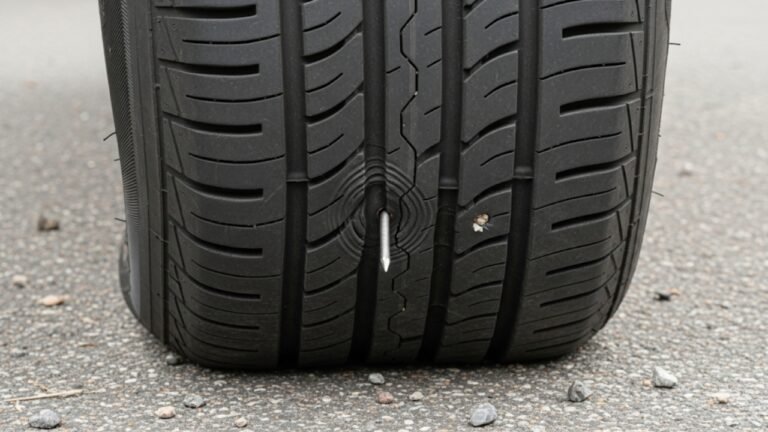
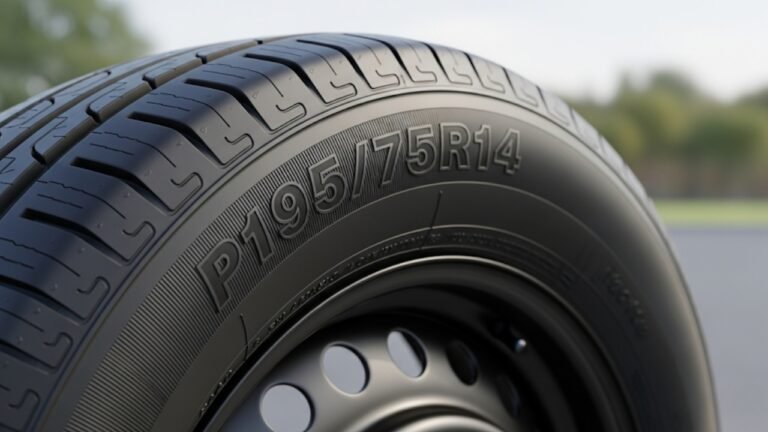
A 6 ply tire refers to a tire with six layers of reinforcing material—typically polyester, nylon, or steel—in its construction, offering enhanced strength and durability. These tires are designed for heavier loads and rougher conditions, making them ideal for trucks, SUVs, and off-road vehicles.
In This Article
- 1 Key Takeaways
- 2 📑 Table of Contents
- 3 What Is a 6 Ply Tire?
- 4 Understanding Tire Ply Ratings: The Basics
- 5 How 6 Ply Tires Are Constructed
- 6 Benefits of Using 6 Ply Tires
- 7 When to Choose a 6 Ply Tire (and When Not To)
- 8 Common Misconceptions About 6 Ply Tires
- 9 Maintenance Tips for 6 Ply Tires
- 10 Conclusion
- 11 Frequently Asked Questions
Key Takeaways
- 6 ply tires have six layers of casing material that provide extra strength and puncture resistance compared to lower-ply tires.
- They offer higher load capacity, making them suitable for hauling heavy cargo or towing trailers.
- Commonly used on trucks, SUVs, and off-road vehicles where durability and reliability are essential.
- Ply rating is different from tread layers—it refers only to the body plies, not the tread or belt layers.
- Modern tires often use fewer physical plies but achieve similar strength through advanced materials and construction.
- Look for Load Range ratings (like C, D, or E) instead of just ply numbers, as they better indicate actual performance.
- Proper inflation and maintenance are crucial to get the most out of a 6 ply tire’s lifespan and safety.
📑 Table of Contents
What Is a 6 Ply Tire?
If you’ve ever shopped for tires—especially for a truck, SUV, or off-road vehicle—you’ve probably come across terms like “6 ply,” “8 ply,” or “Load Range D.” But what does “6 ply” actually mean? Is it a measure of thickness? Strength? Or just marketing jargon?
Simply put, a 6 ply tire is one that has six layers of reinforcing fabric—called plies—woven into the tire’s carcass (the main body of the tire beneath the tread). These plies are typically made from materials like polyester, nylon, or rayon, and they run from bead to bead across the tire. Their job is to provide structural integrity, support the vehicle’s weight, and resist damage from impacts, punctures, and flexing.
But here’s the catch: modern tire technology has evolved. Today, many tires labeled as “6 ply” may not actually have six physical layers. Instead, manufacturers use stronger, lighter materials and advanced construction techniques to achieve the same or better performance with fewer actual plies. So while the term “6 ply” is still widely used, it’s important to understand what it really signifies—and what it doesn’t.
In this guide, we’ll break down everything you need to know about 6 ply tires: how they’re built, why they matter, when to use them, and how to choose the right one for your vehicle. Whether you’re hauling a trailer, driving off the beaten path, or just want tires that last longer, understanding ply ratings can help you make smarter, safer decisions.
Understanding Tire Ply Ratings: The Basics
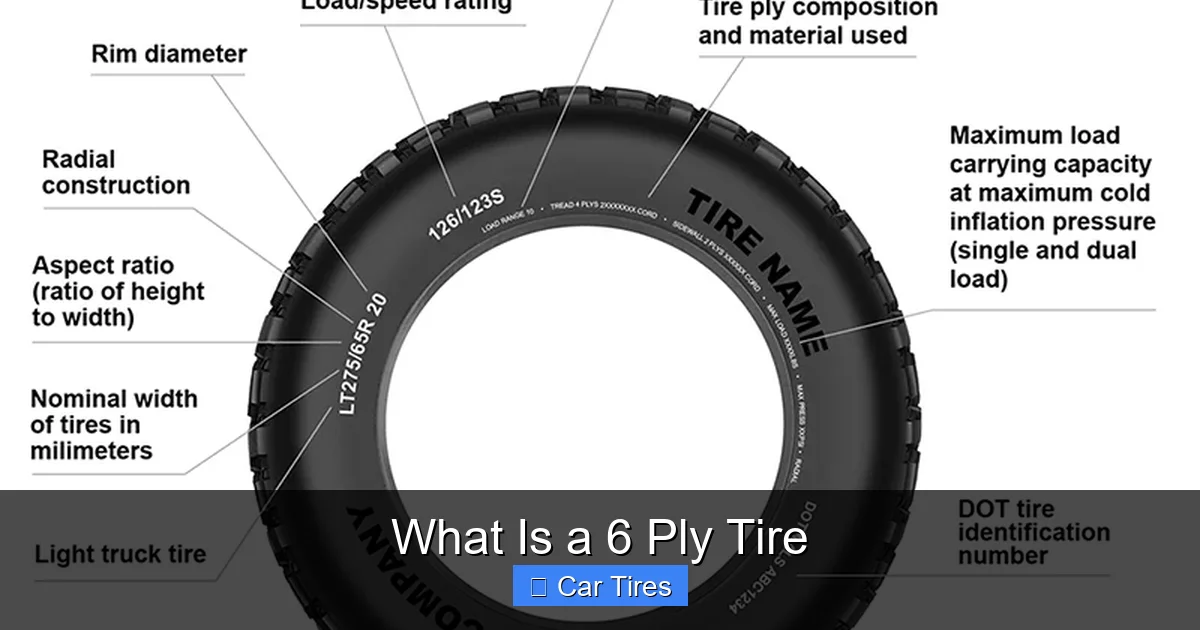
Visual guide about What Is a 6 Ply Tire
Image source: s3-us-west-1.amazonaws.com
To truly grasp what a 6 ply tire is, you need to understand the concept of “ply rating.” This term dates back to the early days of tire manufacturing, when tires were literally built with multiple layers—or plies—of cotton fabric. More plies meant a stronger, heavier-duty tire. Back then, a 4 ply tire was standard for passenger cars, while 6 or 8 ply tires were used for trucks and commercial vehicles.
Today, cotton is no longer used. Instead, synthetic materials like polyester and nylon offer greater strength, flexibility, and resistance to heat and wear. But the old terminology stuck. So when a tire is labeled “6 ply,” it’s not necessarily saying there are six physical layers. Rather, it’s indicating that the tire has the equivalent strength of a tire that once had six cotton plies.
This is where things get a bit confusing. A modern 6 ply tire might only have two or three actual body plies, but those plies are made from high-strength materials and may be reinforced with additional layers like steel belts or nylon overlays. The result? A tire that’s stronger, lighter, and more durable than its cotton-based ancestors—even with fewer physical layers.
So why keep the “ply” terminology? Because it’s familiar to consumers and gives a quick reference point for comparing tire strength. But it’s not the whole story.
Load Range vs. Ply Rating: What’s the Difference?
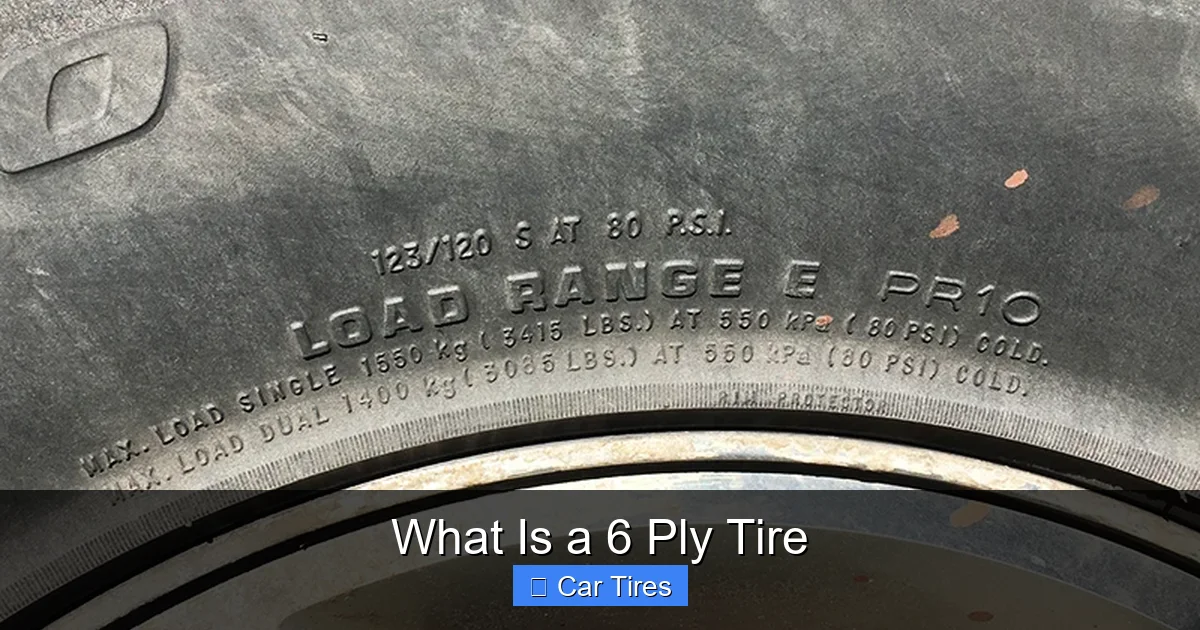
Here’s a key distinction: ply rating and load range are related but not the same. Ply rating is an older term that refers to the number of layers (or equivalent strength) in the tire’s casing. Load range, on the other hand, is a modern classification system that tells you how much weight the tire can safely carry at a given air pressure.
For example, a tire labeled “Load Range C” is typically equivalent to a 6 ply tire in terms of strength and load capacity. Load Range D usually corresponds to 8 ply, and Load Range E to 10 ply. These ratings are more accurate and useful than ply numbers because they’re standardized and directly tied to performance.
You’ll often see both terms used together. A tire might say “6 ply (Load Range C)” to give you both the traditional and modern reference points. But when in doubt, focus on the load range—it’s a better indicator of real-world capability.
Why Ply Ratings Still Matter
Even though ply ratings are somewhat outdated, they’re still useful for a few reasons. First, they help consumers quickly compare tires across brands and models. If you’re used to driving on 6 ply tires and want something similar, that label gives you a starting point.
Second, ply ratings are especially helpful for off-road and heavy-duty applications. If you’re driving on rocky trails, towing a camper, or hauling construction materials, you need tires that can handle stress and abuse. A 6 ply tire (or higher) is more likely to resist cuts, punctures, and sidewall damage than a lighter-duty tire.
Finally, ply ratings can influence ride quality and fuel efficiency. Heavier, stronger tires tend to be stiffer, which can make the ride feel rougher—but also more stable under load. It’s a trade-off, and understanding ply ratings helps you decide what’s right for your needs.
How 6 Ply Tires Are Constructed

Visual guide about What Is a 6 Ply Tire
Image source: tirehungry.com
Now that we’ve covered the basics, let’s dive into how a 6 ply tire is actually built. While the exact design varies by manufacturer and tire type, most 6 ply tires follow a similar construction pattern. Here’s a breakdown of the key components:
The Casing (Body Plies)
The heart of any tire is its casing—the layers of fabric that form the tire’s structure. In a 6 ply tire, these are the six (or equivalent) layers that run from one bead to the other. They’re usually made from polyester, which offers a good balance of strength, flexibility, and resistance to heat and fatigue.
These plies are layered in a crisscross pattern, which helps distribute stress evenly across the tire. The more plies, the stiffer and stronger the casing. That’s why 6 ply tires are better at handling heavy loads and rough terrain.
Beads and Sidewalls
At the edges of the tire are the beads—thick, reinforced rings made of steel wire wrapped in rubber. They lock the tire onto the wheel rim, creating an airtight seal. The sidewalls, which connect the tread to the beads, are also reinforced in 6 ply tires to resist cuts and impacts.
Because 6 ply tires are often used on trucks and off-road vehicles, their sidewalls are typically thicker and more durable than those on passenger car tires. This extra protection is crucial when driving over rocks, curbs, or debris.
Tread and Belt Layers
While the body plies provide structural strength, the tread and belt layers handle traction and stability. The tread is the part of the tire that touches the road, made from a durable rubber compound designed for grip and wear resistance.
Beneath the tread are the belt layers—usually made of steel or nylon—that wrap around the tire like a belt. These layers help keep the tread flat and stable, especially at high speeds. They also add puncture resistance, particularly in the tread area.
It’s important to note that the belt layers are not counted in the ply rating. A 6 ply tire might have two body plies and four belt layers, but only the body plies contribute to the “6 ply” designation. This is a common source of confusion, so always check the tire’s specifications if you’re unsure.
Inner Liner and Additional Reinforcements
Modern tires also include an inner liner—a layer of airtight rubber on the inside that helps maintain air pressure. In 6 ply tires, this liner is often thicker to prevent leaks and improve durability.
Some high-performance or off-road 6 ply tires also include extra reinforcements, such as nylon overlays over the belts or Kevlar inserts in the sidewalls. These features enhance strength without adding significant weight.
Benefits of Using 6 Ply Tires

Visual guide about What Is a 6 Ply Tire
Image source: sentrytire.com
So why choose a 6 ply tire over a lighter-duty option? The answer comes down to performance, durability, and safety—especially if you’re using your vehicle for more than just daily commuting.
Higher Load Capacity
One of the biggest advantages of 6 ply tires is their ability to carry heavier loads. Because of their reinforced construction, they can support more weight without overheating or failing. This makes them ideal for:
– Pickup trucks used for towing trailers, boats, or RVs
– SUVs carrying large families or gear
– Work vehicles hauling tools, equipment, or materials
– Off-road vehicles driving on uneven or rocky terrain
For example, if you’re towing a 7,000-pound travel trailer, you’ll want tires that can handle the extra stress. A 6 ply tire (Load Range C) is typically rated for around 1,760 to 2,040 pounds per tire at maximum pressure—enough for most light to medium-duty towing.
Improved Durability and Puncture Resistance
6 ply tires are built to last. The extra layers in the casing and thicker sidewalls make them more resistant to cuts, punctures, and impacts. This is especially important if you drive on gravel roads, construction sites, or off-road trails where sharp rocks and debris are common.
Imagine driving through a forest trail and hitting a sharp rock. A lighter tire might get a gash in the sidewall, leading to a blowout. But a 6 ply tire is more likely to shrug it off, keeping you safe and on the road.
Better Stability and Handling Under Load
When you’re carrying a heavy load or towing, your vehicle’s handling can change dramatically. The rear end may sag, the steering may feel loose, and the ride may become bouncy. 6 ply tires help counteract these issues by providing a stiffer, more stable platform.
Their reinforced construction reduces sidewall flex, which improves steering response and overall control. This is especially noticeable when cornering or braking with a full load.
Longer Tread Life
Because 6 ply tires are made from stronger materials and designed for heavy-duty use, they often last longer than standard tires. The tread compound is typically more wear-resistant, and the robust construction helps prevent irregular wear patterns.
Of course, tread life also depends on driving habits, road conditions, and maintenance. But all else being equal, a 6 ply tire will generally outlast a 4 ply tire, especially under demanding conditions.
Enhanced Off-Road Performance
If you enjoy off-roading, 6 ply tires are a smart choice. Their durability allows you to run lower air pressures for better traction on sand, mud, or rocks—without risking pinch flats or sidewall damage.
Many off-road enthusiasts prefer 6 ply or higher tires for this reason. They provide the confidence to tackle tough terrain, knowing their tires can handle the abuse.
When to Choose a 6 Ply Tire (and When Not To)
While 6 ply tires offer many benefits, they’re not the right choice for every vehicle or driving situation. Here’s how to decide if they’re right for you.
Ideal Use Cases
– **Towing and Hauling:** If you regularly tow a trailer, boat, or camper, 6 ply tires provide the extra strength and stability you need.
– **Off-Roading:** For rock crawling, mudding, or trail driving, the added durability of 6 ply tires is a major advantage.
– **Commercial or Work Vehicles:** Trucks used for construction, landscaping, or delivery benefit from the long-lasting performance of 6 ply tires.
– **Heavy-Duty SUVs:** Large SUVs like the Ford Expedition or Chevrolet Tahoe often come with 6 ply tires from the factory due to their size and load capacity.
When a 6 Ply Tire Might Be Overkill
– **Daily Commuting in a Sedan:** If you drive a compact car or sedan for city driving, a 6 ply tire is unnecessary and may hurt fuel economy and ride comfort.
– **Light-Duty Trucks with Minimal Loads:** If your truck is mostly used for errands and light hauling, a 4 ply or Load Range B tire may be sufficient.
– **Fuel Efficiency Concerns:** Heavier, stiffer tires can increase rolling resistance, which may reduce gas mileage. If fuel economy is a top priority, consider a lighter tire.
Tips for Choosing the Right Tire
1. **Check Your Vehicle’s Manual:** Your owner’s manual will specify the recommended tire size, load range, and ply rating. Stick to these guidelines for safety and performance.
2. **Consider Your Driving Habits:** Think about how you use your vehicle. Do you tow often? Drive off-road? Carry heavy loads? Your answers will guide your tire choice.
3. **Look at Load Range, Not Just Ply:** As mentioned earlier, load range is a better indicator of real-world performance. A Load Range C tire (6 ply equivalent) is a good middle ground for many trucks and SUVs.
4. **Don’t Overinflate:** While 6 ply tires can handle higher pressures, overinflating them can lead to a harsh ride and uneven tread wear. Always follow the manufacturer’s recommended pressure.
5. **Rotate and Maintain:** Even the toughest tires need care. Regular rotation, alignment, and inspections will help them last longer and perform better.
Common Misconceptions About 6 Ply Tires
Despite their popularity, 6 ply tires are often misunderstood. Let’s clear up some of the most common myths.
Myth 1: “More Plies Always Mean Better Performance”
Not necessarily. While more plies generally mean greater strength, modern materials allow manufacturers to achieve high performance with fewer layers. A well-designed 4 ply tire with advanced materials can outperform a poorly made 6 ply tire.
Myth 2: “6 Ply Tires Are Only for Trucks”
While they’re most common on trucks and SUVs, some larger crossovers and performance vehicles also use 6 ply tires—especially if they’re designed for towing or off-road use.
Myth 3: “All 6 Ply Tires Are the Same”
Far from it. Tires vary widely in quality, tread design, rubber compound, and intended use. A 6 ply all-terrain tire will perform very differently from a 6 ply highway tire, even if they have the same ply rating.
Myth 4: “You Can’t Use 6 Ply Tires in Winter”
You absolutely can. Many winter and all-weather tires come in 6 ply versions, offering the same durability with added traction in snow and ice.
Maintenance Tips for 6 Ply Tires
To get the most out of your 6 ply tires, proper maintenance is essential. Here are some best practices:
– **Check Tire Pressure Weekly:** Underinflation is the leading cause of tire failure. Use a quality gauge and check pressure when tires are cold.
– **Rotate Every 5,000–7,000 Miles:** This helps ensure even tread wear and extends tire life.
– **Inspect for Damage:** Look for cuts, bulges, or embedded objects, especially after off-road trips.
– **Balance and Align Regularly:** Poor alignment can cause uneven wear and reduce handling.
– **Avoid Overloading:** Even 6 ply tires have limits. Check the load index and never exceed the recommended capacity.
Conclusion
A 6 ply tire is more than just a number—it’s a sign of strength, durability, and reliability. Whether you’re towing a trailer, exploring the backcountry, or just want tires that last, understanding what a 6 ply tire is and how it works can help you make the right choice.
While the term “6 ply” may be a holdover from an earlier era of tire manufacturing, it still serves as a useful shorthand for comparing tire strength. But remember: focus on load range, construction quality, and your specific needs—not just the ply count.
With the right 6 ply tires, you’ll enjoy better performance, longer life, and greater peace of mind on every drive.
Frequently Asked Questions
What does “6 ply” mean on a tire?
“6 ply” refers to a tire with six layers of reinforcing fabric in its casing, or the equivalent strength. It indicates higher durability and load capacity compared to lower-ply tires.
Are 6 ply tires good for towing?
Yes, 6 ply tires are excellent for towing because they can handle heavier loads and provide better stability under stress, reducing the risk of tire failure.
Can I use 6 ply tires on a regular car?
Generally, no. 6 ply tires are designed for trucks, SUVs, and heavy-duty vehicles. Using them on a regular car can lead to a harsh ride and reduced fuel efficiency.
How long do 6 ply tires last?
With proper maintenance, 6 ply tires can last 50,000 to 80,000 miles or more, depending on driving conditions, load, and tire quality.
Are 6 ply tires more expensive?
Yes, they tend to cost more than lower-ply tires due to their stronger materials and construction. However, their durability often makes them a worthwhile investment.
Do 6 ply tires improve off-road performance?
Absolutely. Their reinforced sidewalls and puncture resistance make 6 ply tires ideal for off-roading, allowing you to tackle rough terrain with confidence.