
265/70r15 Tire Size

The 265/70R15 tire size is a popular all-season and all-terrain choice for SUVs, pickup trucks, and older crossovers. It offers a balanced blend of comfort, traction, and load capacity, making it ideal for daily driving, light off-roading, and towing.
Key Takeaways
- Common Fitment: The 265/70R15 is widely used on vehicles like the Ford Ranger, Toyota Tacoma, Jeep Cherokee, and older SUVs.
- Tire Dimensions: This size features a 265 mm tread width, 70% aspect ratio, and fits 15-inch wheels, resulting in an overall diameter of about 29.6 inches.
- Performance Balance: It provides a smooth ride on pavement while handling light off-road conditions and moderate loads.
- Load and Speed Ratings: Most 265/70R15 tires support load indexes from 109 to 112 (up to 2,271 lbs) and speed ratings from S (112 mph) to H (130 mph).
- Seasonal Options: Available in all-season, all-terrain, and mud-terrain variants to suit different climates and driving needs.
- Replacement Tips: Always check your owner’s manual and consider tread pattern, warranty, and intended use when selecting new tires.
- Fuel Efficiency: Low-rolling-resistance models can improve gas mileage, especially on highway drives.
📑 Table of Contents
- What Is the 265/70R15 Tire Size?
- Vehicle Compatibility and Common Applications
- Understanding Tire Dimensions and Specifications
- Performance Characteristics: On-Road and Off-Road
- Top Tire Options in 265/70R15
- Installation, Maintenance, and Replacement Tips
- Cost Considerations and Value Over Time
- Conclusion
What Is the 265/70R15 Tire Size?
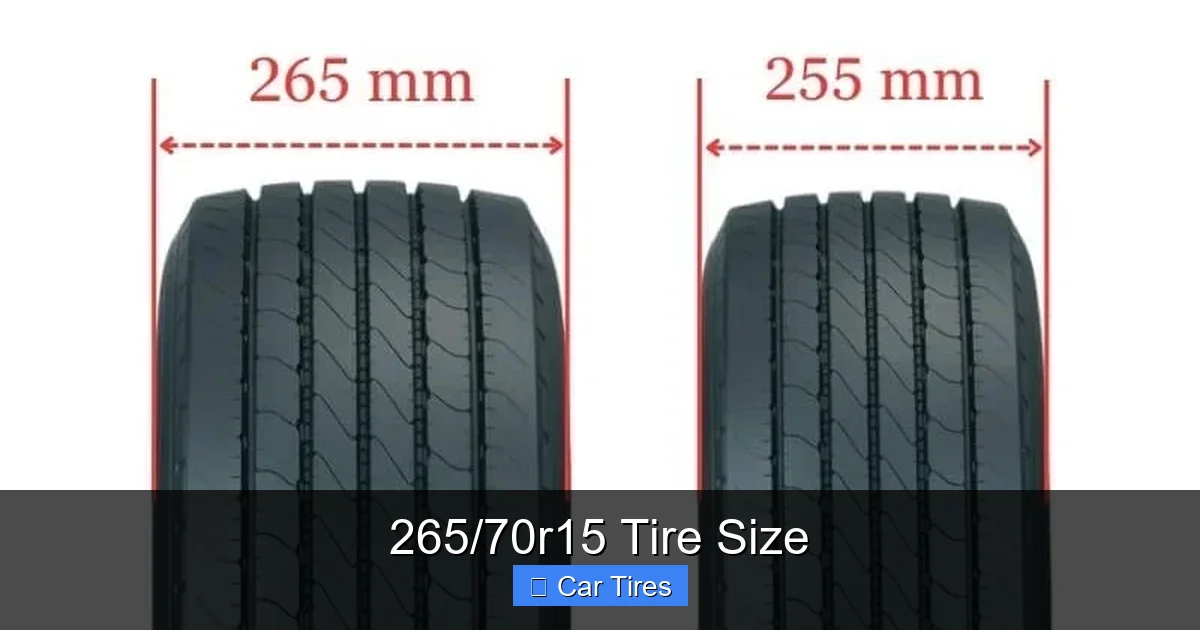
The 265/70R15 is a metric tire size commonly found on light trucks, SUVs, and older crossover vehicles. Breaking it down: “265” refers to the tire’s section width in millimeters—how wide the tire is from sidewall to sidewall when mounted and inflated. The “70” is the aspect ratio, meaning the sidewall height is 70% of the tire’s width. The “R” stands for radial construction, which is the standard for modern tires, and “15” indicates the wheel diameter in inches that the tire is designed to fit.
This size strikes a sweet spot between comfort, capability, and compatibility. It’s not too big to hurt fuel economy, nor too small to compromise stability or load-carrying ability. Because of this balance, the 265/70R15 has remained a go-to option for drivers who want reliable performance without going overboard on size or cost. Whether you’re commuting daily, hauling gear, or venturing off the beaten path occasionally, this tire size delivers solid versatility.
Vehicle Compatibility and Common Applications
The 265/70R15 tire size fits a wide range of vehicles, especially those from the late 1990s through the mid-2010s. It’s a favorite among owners of compact and midsize trucks, as well as older SUVs that prioritize practicality over flashy styling. Some of the most common vehicles that use this tire size include the Ford Ranger (especially 2WD models), Toyota Tacoma (early generations), Jeep Cherokee (XJ and KJ models), Nissan Frontier, and Chevrolet S-10.
Visual guide about 265/70r15 Tire Size
Image source: tireblogger.com
You’ll also find this size on select full-size SUVs like the Ford Explorer (first and second generations) and the Dodge Durango (early models). Even some older minivans and work vans, such as the Ford E-Series, may come equipped with 265/70R15 tires depending on trim and configuration. This broad compatibility makes it easy to find replacement tires, and many manufacturers still produce high-quality options in this size.
Why This Size Remains Popular
Despite newer vehicles trending toward larger wheels and lower-profile tires, the 265/70R15 endures because it offers a taller sidewall than many modern sizes. That extra sidewall flex translates into a more comfortable ride over bumps, potholes, and rough roads. For drivers who value ride quality—especially those using their vehicle for daily commuting or long road trips—this can be a major advantage.
Additionally, the slightly taller profile provides better protection against curb rash and wheel damage, which is helpful if you park in tight urban spaces or drive on poorly maintained roads. And because 15-inch wheels are generally less expensive than larger diameters, maintaining a set of 265/70R15 tires can be more budget-friendly over time.
Understanding Tire Dimensions and Specifications
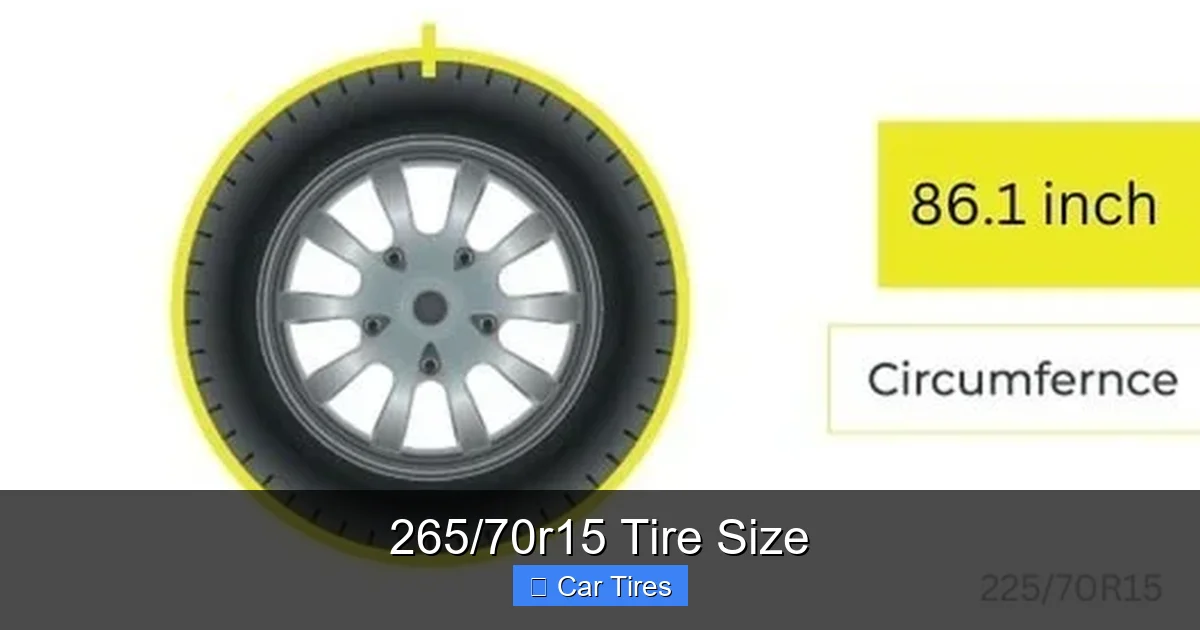
To fully appreciate what the 265/70R15 offers, it helps to understand its exact dimensions. The overall diameter—or height—of this tire is approximately 29.6 inches. That means when mounted on a 15-inch wheel, the total height from ground to top of the tire is just under 30 inches. The section width is 265 millimeters, which converts to about 10.4 inches. The sidewall height is 70% of that width, so roughly 7.3 inches (or 185.5 mm).
Visual guide about 265/70r15 Tire Size
Image source: tireblogger.com
These dimensions influence several key performance factors. A taller sidewall (thanks to the 70% aspect ratio) absorbs more shock, improving ride comfort. The 265 mm width provides a stable contact patch for confident handling without being so wide that it increases rolling resistance significantly. And the 15-inch wheel diameter keeps unsprung weight relatively low, which helps with acceleration, braking, and suspension responsiveness.
Load Index and Speed Rating Explained
Every 265/70R15 tire comes with a load index and speed rating. The load index tells you how much weight the tire can safely support when properly inflated. For this size, common load indexes range from 109 to 112. A load index of 109 corresponds to 2,271 pounds per tire, while 112 supports up to 2,469 pounds. That’s more than enough for most passenger vehicles and light-duty trucks, even when carrying passengers, cargo, or towing small trailers.
Speed ratings indicate the maximum speed the tire can sustain under optimal conditions. Most 265/70R15 tires carry an “S” rating (112 mph) or “H” rating (130 mph). While you’re unlikely to drive that fast legally, the rating ensures the tire can handle high speeds safely if needed—such as during highway merges or emergency situations. Always match or exceed your vehicle manufacturer’s recommended speed rating when replacing tires.
Revolutions Per Mile and Rolling Circumference
Another important spec is revolutions per mile (RPM), which affects your speedometer accuracy and fuel economy. The 265/70R15 typically rotates around 705–715 times per mile. This is slightly fewer than lower-profile tires but more than much larger off-road sizes. Fewer revolutions generally mean less friction and potentially better mileage, though tread design and rubber compound play bigger roles.
If you’re upgrading from a different tire size or considering a lift kit, it’s wise to check RPM compatibility. A significant change can throw off your odometer and speedometer readings, leading to inaccurate trip calculations or even speeding tickets. Many tire retailers offer online calculators to compare RPM between sizes—use them before making a switch.
Performance Characteristics: On-Road and Off-Road
The 265/70R15 shines in its ability to handle both paved roads and light off-road terrain. On highways and city streets, it delivers a quiet, comfortable ride with predictable handling. The moderate width and tall sidewall help isolate the cabin from road noise and vibrations, making long drives more pleasant. Steering response is typically direct enough for confident cornering, though not as sharp as performance-oriented tires.
Visual guide about 265/70r15 Tire Size
Image source: tireblogger.com
For light off-roading—think gravel roads, forest trails, or muddy campsites—this size performs admirably, especially when paired with an all-terrain or mud-terrain tread pattern. The extra sidewall height provides some natural flex over rocks and ruts, reducing the risk of pinch flats. However, it’s not designed for extreme rock crawling or deep mud like larger, more aggressive off-road tires. Think of it as a “weekend warrior” setup: capable enough for adventure but still civilized for daily use.
Tread Patterns and Their Impact
Not all 265/70R15 tires are created equal—tread design dramatically affects performance. All-season tires feature symmetric or asymmetric patterns optimized for wet and dry traction, with siping for light snow. These are ideal for drivers in moderate climates who want year-round usability without switching tires seasonally.
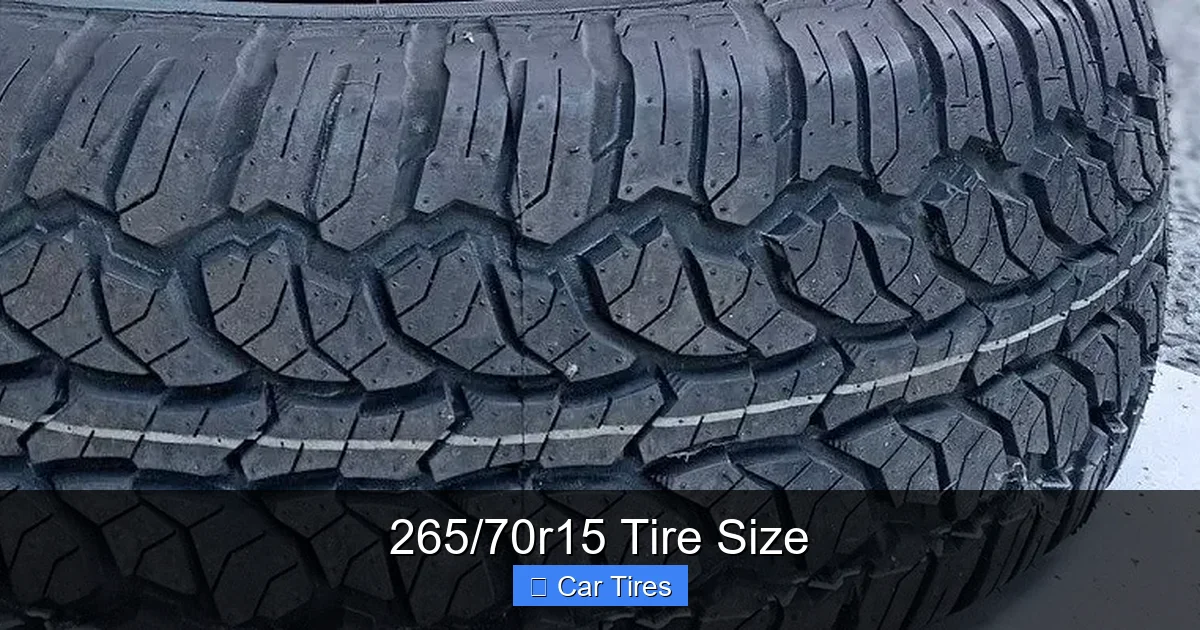
All-terrain tires add more aggressive shoulder lugs and deeper grooves for better grip on dirt, sand, and light mud. They often include stone ejectors to prevent debris buildup and reinforced sidewalls for added durability. Mud-terrain versions go even further with large, open tread blocks for maximum traction in soft or slippery conditions—but they tend to be noisier and wear faster on pavement.
Choose based on your primary driving environment. If you mostly stick to asphalt, an all-season tire will save you money and noise. If you frequently explore backroads or live in a snowy region, an all-terrain might be worth the trade-off.
Fuel Efficiency and Rolling Resistance
Rolling resistance is a hidden factor that affects fuel economy. Tires with low rolling resistance require less energy to keep moving, which translates to better gas mileage. Many modern 265/70R15 all-season and highway-terrain tires now incorporate silica-enhanced compounds and optimized tread designs to reduce resistance without sacrificing grip.
For example, the Michelin Defender LTX M/S in this size boasts excellent fuel efficiency thanks to its EnergySaver construction. Similarly, the Goodyear Wrangler SR-A uses a fuel-saving tread compound. If saving at the pump is a priority, look for tires labeled “low rolling resistance” or “fuel-efficient.” Even small improvements can add up over thousands of miles.
Top Tire Options in 265/70R15
While the market for 265/70R15 tires has narrowed compared to more common sizes, several excellent options remain available. Here are a few standout choices across different categories:
All-Season: The Michelin Defender LTX M/S is a top pick for highway comfort, longevity, and wet/dry traction. It’s backed by a 70,000-mile treadwear warranty and excels in snow for an all-season tire.
All-Terrain: The BFGoodrich All-Terrain T/A KO2 offers legendary durability, excellent off-road capability, and strong sidewall protection. It’s a favorite among overlanders and truck enthusiasts.
Budget-Friendly: The General Grabber HTS delivers solid performance at a lower price point, with good tread life and respectable off-road manners.
Mud-Terrain: For serious off-roaders, the Cooper Discoverer STT Pro provides aggressive traction in mud, rocks, and snow, though expect more road noise.
Highway Touring: The Continental CrossContact LX20 focuses on comfort, quietness, and fuel efficiency—perfect for SUVs used primarily for family trips and commuting.
When shopping, always read recent customer reviews and consider your driving habits. A tire that’s perfect for a weekend camper might be overkill (and too loud) for a daily commuter.
Installation, Maintenance, and Replacement Tips
Installing 265/70R15 tires is straightforward if you have the right tools—or better yet, let a professional handle it. Proper mounting, balancing, and alignment are crucial for even wear, smooth handling, and safety. Most tire shops will also perform a free rotation and inspection during installation.
After installation, maintain your tires with regular checks. Inspect tread depth monthly using a penny (insert it into the groove—if Lincoln’s head is fully visible, it’s time to replace). Check air pressure at least once a month and before long trips; underinflated tires wear faster and hurt fuel economy. Rotate tires every 5,000 to 7,500 miles to promote even tread wear.
When it’s time to replace, don’t just match the size—consider upgrading your tread pattern or compound based on your current needs. For instance, if you’ve moved to a snowier climate, switching from all-season to all-terrain could improve winter safety. And always replace tires in sets of four unless only one is damaged beyond repair.
Winter and Snow Performance
While many 265/70R15 all-season tires offer decent light snow traction, they’re not substitutes for dedicated winter tires in harsh climates. If you live where snowfall is frequent or temperatures regularly drop below freezing, consider installing winter tires (marked with the Three-Peak Mountain Snowflake symbol) during colder months.
All-terrain tires like the BFGoodrich KO2 or Cooper AT3 often perform better in snow than standard all-seasons due to deeper grooves and more aggressive siping. But for icy roads or deep snow, nothing beats a true winter tire. Plan ahead—winter tires should be mounted before the first snowfall.
Cost Considerations and Value Over Time
The 265/70R15 sits in a mid-range price bracket. Expect to pay between $120 and $250 per tire, depending on brand, performance level, and retailer. Premium all-terrain or mud-terrain models cost more upfront but may last longer due to tougher construction.
However, value isn’t just about initial price—it’s about cost per mile. Tires with longer tread warranties (like the Michelin Defender’s 70,000 miles) spread the expense over more miles, lowering long-term costs. Also, fuel-efficient models can save you hundreds in gas over the life of the tire. Factor in potential savings when comparing options.
Don’t forget to ask about rebates, free installation, or road hazard protection when purchasing. Many retailers offer seasonal promotions that can significantly reduce your total out-of-pocket cost.
Conclusion
The 265/70R15 tire size remains a smart, versatile choice for drivers who value comfort, capability, and practicality. Whether you’re navigating city streets, hauling gear, or exploring backroads, this size delivers a balanced performance profile that suits a wide range of vehicles and lifestyles. With careful selection based on your driving needs—and proper maintenance—you can enjoy safe, reliable, and efficient miles for years to come.
As vehicle technology evolves, classic sizes like the 265/70R15 may become less common, but their proven track record ensures they’ll remain relevant for owners of capable trucks and SUVs. Take the time to understand your options, invest in quality tires, and keep them well-maintained. Your vehicle—and your wallet—will thank you.
Frequently Asked Questions
What vehicles use 265/70R15 tires?
The 265/70R15 tire size is commonly found on compact and midsize trucks like the Ford Ranger, Toyota Tacoma, and Nissan Frontier, as well as older SUVs such as the Jeep Cherokee and Ford Explorer.
Can I use 265/70R15 tires for off-roading?
Yes, especially if you choose all-terrain or mud-terrain tread patterns. This size handles light to moderate off-road conditions well, though it’s not ideal for extreme rock crawling.
How tall is a 265/70R15 tire?
The overall diameter is approximately 29.6 inches, making it slightly taller than many modern low-profile tires but still manageable for most vehicles.
What’s the difference between all-season and all-terrain 265/70R15 tires?
All-season tires prioritize comfort and wet/dry traction on pavement, while all-terrain tires offer better grip on dirt, gravel, and light snow with more aggressive tread designs.
Do 265/70R15 tires affect fuel economy?
They can, depending on tread design and compound. Low-rolling-resistance models improve fuel efficiency, while aggressive off-road tires may reduce it slightly.
How often should I replace my 265/70R15 tires?
Most tires last 40,000 to 70,000 miles, depending on driving habits, climate, and maintenance. Check tread depth regularly and replace when it reaches 2/32 of an inch.