
What Does a Dry Rotted Tire Look Like

Dry rot in tires is a serious safety hazard that often goes unnoticed until it’s too late. It appears as cracking, brittleness, and discoloration on the tire’s surface and sidewalls, usually caused by age, heat, and lack of use. Catching it early can prevent blowouts and accidents.
Key Takeaways
- Visual cracks are the most obvious sign: Look for fine lines or deep fissures on the sidewalls and between tread grooves.
- Brittle or crumbly rubber indicates advanced dry rot: Tires lose flexibility over time and may flake or break when pressed.
- Discoloration often accompanies dry rot: Tires may turn gray, brown, or chalky, especially in exposed areas.
- Age is a major factor: Most tires degrade significantly after 6–10 years, regardless of tread depth.
- UV exposure and heat accelerate dry rot: Parking in direct sunlight or hot climates speeds up rubber deterioration.
- Underinflation worsens the problem: Low air pressure causes flexing and heat buildup, increasing crack formation.
- Replace dry rotted tires immediately: Driving on compromised tires risks blowouts, loss of control, and accidents.
📑 Table of Contents
What Does a Dry Rotted Tire Look Like? A Complete Guide
Imagine you’re getting ready for a weekend road trip. You check your oil, top off your windshield fluid, and give your car a quick once-over. Everything looks good—except maybe those faint lines on the side of your tires. You’ve seen them before, but you’re not sure what they mean. Are they just cosmetic? Or could they be a sign of something more serious?
Those lines might be dry rot—a silent but dangerous condition that affects aging tires. Dry rot, also known as sidewall cracking or weather checking, occurs when the rubber in a tire breaks down due to age, environmental exposure, and lack of use. It’s not just about how much tread you have left; even a tire with plenty of tread can be unsafe if it’s dry rotted. Recognizing the signs early can mean the difference between a smooth drive and a dangerous blowout on the highway.
In this guide, we’ll walk you through everything you need to know about dry rotted tires—what they look like, why they happen, how to spot them, and what to do if you find them. Whether you’re a daily commuter, a weekend adventurer, or just someone who wants to keep their vehicle safe, understanding dry rot is essential. Let’s dive in.
Understanding Dry Rot: What It Is and Why It Happens
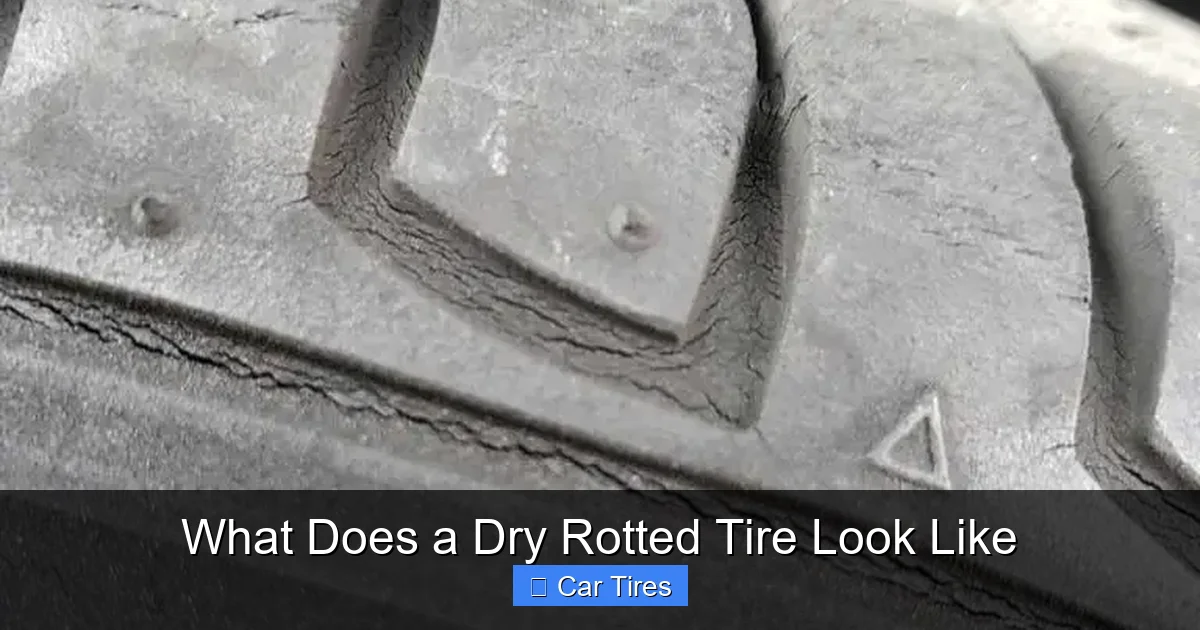
Dry rot isn’t actually caused by fungus or moisture—despite the name. It’s a form of rubber degradation that happens over time when the compounds in tire rubber begin to break down. Tires are made from a mix of natural and synthetic rubber, reinforced with steel belts and fabric layers. Over the years, exposure to oxygen, heat, sunlight, and ozone causes the rubber to lose its elasticity and become brittle.
Visual guide about What Does a Dry Rotted Tire Look Like
Image source: tiregrades.com
This process is similar to how an old rubber band snaps when you stretch it—except on a much larger and more dangerous scale. When a tire dries out, it can no longer flex properly as it rolls. Every bump, turn, and stop puts stress on the weakened rubber, increasing the risk of cracks forming and eventually leading to a blowout.
Common Causes of Dry Rot
Several factors contribute to dry rot, and most are outside your direct control. However, understanding them can help you take preventive steps.
- Age: Tires degrade over time, even if they’re not used. Most manufacturers recommend replacing tires every 6 to 10 years, regardless of tread depth. The rubber compounds break down naturally, and the older the tire, the higher the risk of dry rot.
- UV Exposure: Sunlight, especially ultraviolet (UV) rays, accelerates rubber deterioration. Parking your car outside in direct sunlight for long periods—common in sunny states like Arizona or Florida—can speed up dry rot significantly.
- Heat: High temperatures, whether from climate or driving conditions, increase the rate of oxidation in rubber. Hot pavement and prolonged highway driving generate heat that can cook the tire from the inside out.
- Ozone Exposure: Ozone in the air reacts with rubber, causing it to crack. This is especially common in urban areas with higher pollution levels.
- Lack of Use: Tires that sit unused for long periods—like on a stored vehicle or spare tire—are more prone to dry rot. Without regular rotation and movement, the rubber doesn’t stay flexible.
- Underinflation: Driving with low tire pressure causes the sidewalls to flex more than designed, generating excess heat and stress. This accelerates wear and increases the likelihood of cracking.
Why Dry Rot Is Dangerous
At first glance, dry rot might seem like a cosmetic issue. But it’s far from harmless. Cracks in the sidewall or tread area can allow air to escape slowly, leading to underinflation. Worse, deep cracks can weaken the tire’s structure, making it prone to sudden failure.
A blowout at high speed is one of the most dangerous outcomes. It can cause loss of vehicle control, especially if it happens on a front tire. In extreme cases, the tire can shred completely, sending debris flying and potentially causing an accident.
Even if a blowout doesn’t occur, dry rot reduces the tire’s ability to grip the road, especially in wet or slippery conditions. The cracked rubber can’t channel water effectively, increasing the risk of hydroplaning.
Visual Signs of a Dry Rotted Tire
Now that you understand what causes dry rot, let’s talk about how to spot it. The good news is that most signs are visible to the naked eye—if you know where to look. Dry rot typically appears first on the sidewalls, but it can also affect the tread area and bead (the part that seals against the wheel).
Visual guide about What Does a Dry Rotted Tire Look Like
Image source: ztireexpress.com
Cracking on the Sidewalls
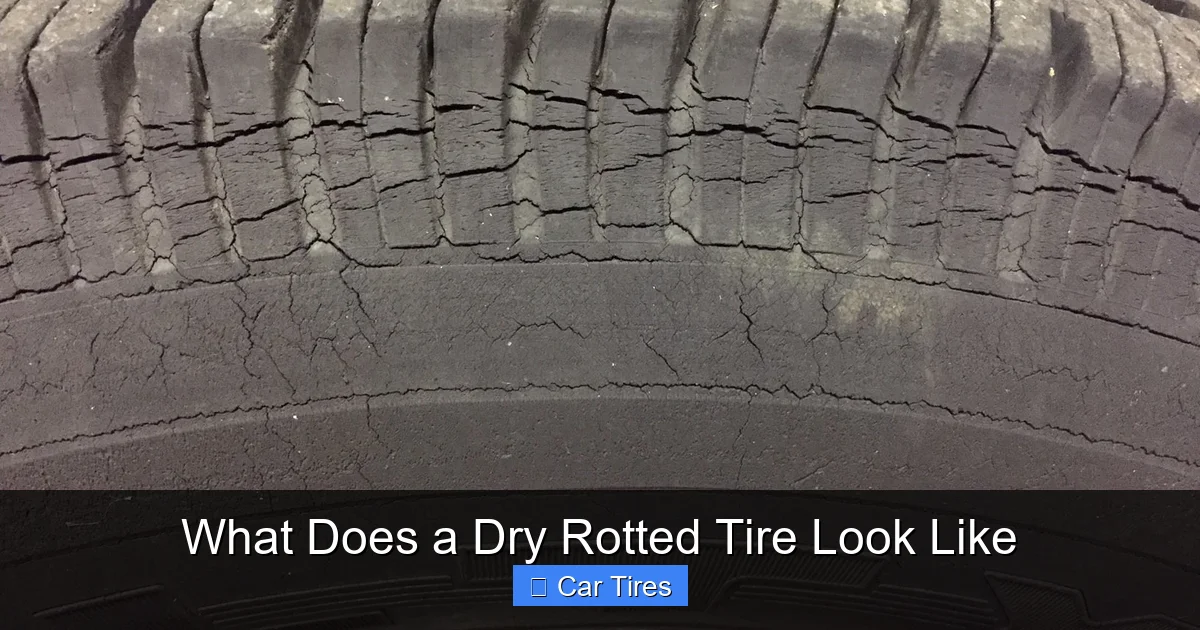
The most common and noticeable sign of dry rot is cracking on the sidewalls. These cracks can range from fine, hairline fractures to deep, gaping fissures.
- Hairline cracks: These look like tiny lines running vertically or diagonally across the sidewall. They may appear as a network of fine lines, similar to cracked glass. At this stage, the tire may still be safe, but it’s a warning sign that deterioration has begun.
- Deep cracks: As dry rot progresses, the cracks become wider and deeper. You might see chunks of rubber missing or areas where the sidewall looks spongy or pitted. These cracks can extend into the internal structure of the tire, compromising its integrity.
- Cracks between tread blocks: While less common, dry rot can also appear in the grooves between tread blocks. These cracks are often harder to see but can be just as dangerous.
To check for sidewall cracks, run your fingers along the sidewall. If you feel rough edges, flaking rubber, or deep grooves, the tire is likely dry rotted. Be gentle—dry rotted rubber can break off easily.
Discoloration and Chalky Appearance
Another telltale sign is discoloration. Healthy tires are usually black with a slight sheen. As dry rot sets in, the rubber may turn gray, brown, or develop a chalky, powdery texture.
This happens because the outer layer of rubber oxidizes and begins to break down. The chalky appearance is often most noticeable in areas exposed to sunlight, such as the outer sidewall. If you wipe the surface and your hand comes away with a gray or white residue, that’s a strong indicator of dry rot.
Brittle or Crumbly Rubber
Flexibility is key to a tire’s performance. When rubber becomes dry rotted, it loses its elasticity and becomes brittle. You can test this by gently pressing or pinching a small section of the sidewall.
If the rubber feels hard, cracks under slight pressure, or flakes off like old paint, the tire is no longer safe. In severe cases, the rubber may crumble when touched. This is a clear sign that the tire needs immediate replacement.
Bubbles or Bulges on the Sidewall
While not always caused by dry rot, bulges or bubbles on the sidewall can be a related issue. These occur when the internal layers of the tire separate due to weakened rubber or impact damage. Dry rot can contribute to this by making the tire more vulnerable to structural failure.
A bulge looks like a soft spot or raised area on the sidewall. It may feel spongy when pressed. Never ignore a bulge—it’s a sign that the tire could fail at any moment.
Cracks Around the Valve Stem or Bead
Dry rot can also affect the areas where the tire seals to the wheel. Check around the valve stem (where you add air) and the bead (the edge that sits on the rim). Cracks in these areas can lead to slow leaks or complete air loss.
These cracks are often smaller and harder to see, so use a flashlight and look closely. If you notice any cracking or deterioration near the rim, have the tire inspected by a professional.
Where to Look: Key Areas to Inspect
To thoroughly check for dry rot, you need to inspect the entire tire—not just the tread. Here’s a step-by-step guide to help you examine your tires like a pro.
Visual guide about What Does a Dry Rotted Tire Look Like
Image source: images.simpletire.com
1. The Sidewalls
The sidewalls are the most vulnerable part of the tire when it comes to dry rot. They’re exposed to sunlight, ozone, and physical stress every time you drive.
Start by looking at both the inner and outer sidewalls. Use a flashlight if needed. Look for:
- Vertical or diagonal cracks
- Discoloration or chalky patches
- Brittle or flaking rubber
- Bubbles or soft spots
Don’t forget the inner sidewall—this area is often overlooked but can show early signs of dry rot, especially on vehicles with low-profile tires.
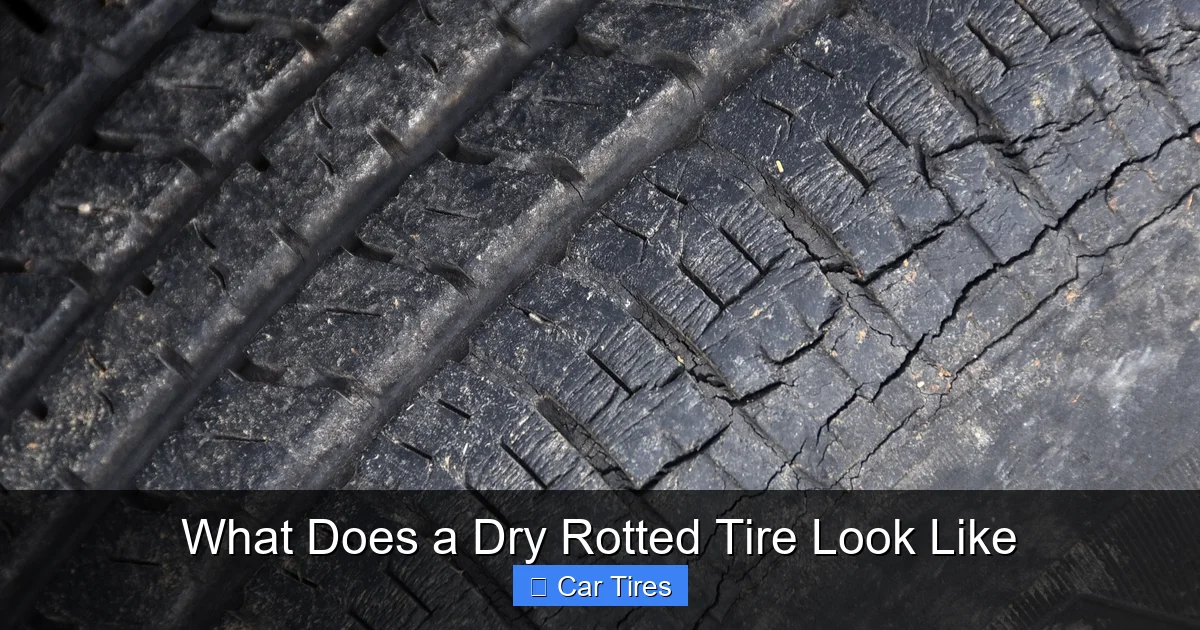
2. The Tread Area
While dry rot is less common in the tread, it can still occur—especially in older tires or those with uneven wear.
Look for:
- Cracks between tread blocks
- Splitting or chunking in the grooves
- Uneven wear patterns that may indicate internal damage
Run your hand over the tread. If you feel rough edges or deep grooves, inspect further.
3. The Valve Stem and Rim Area
The valve stem is a common leak point, and dry rot can weaken the rubber around it.
Check for:
- Cracks or brittleness near the valve
- Loose or wobbly valve stem
- Corrosion or damage to the rim
Also inspect the bead area where the tire meets the rim. Look for cracks, separation, or signs of air leakage.
4. The Spare Tire
Don’t forget your spare! Spare tires are especially prone to dry rot because they’re often stored for years without use.
Even if the spare looks fine, check it regularly—especially if your vehicle is more than 5 years old. A dry rotted spare is useless in an emergency.
How to Prevent Dry Rot
While you can’t stop tires from aging, you can slow down the process and reduce the risk of dry rot. Prevention is always better than replacement—and it’s much safer.
Regular Tire Maintenance
Keeping your tires in good condition starts with routine care.
- Check tire pressure monthly: Use a reliable gauge to ensure your tires are inflated to the manufacturer’s recommended PSI. Underinflation is a major contributor to dry rot.
- Rotate your tires every 5,000 to 7,000 miles: This promotes even wear and helps tires last longer.
- Balance and align your wheels: Misaligned wheels cause uneven stress, which can accelerate rubber breakdown.
- Inspect tires during oil changes: Make it a habit to look at your tires every time you service your vehicle.
Protect Tires from Environmental Damage
Sunlight and heat are the biggest enemies of tire rubber. Here’s how to minimize exposure:
- Park in the shade or use a car cover: If you can’t avoid parking in the sun, consider a UV-protective car cover.
- Use tire covers for long-term storage: If you’re storing a vehicle or spare tire, use breathable tire covers to block UV rays.
- Avoid parking on hot surfaces: Asphalt and concrete retain heat, which can cook your tires. If possible, park on grass or gravel.
Drive Regularly
Tires are meant to be used. Sitting idle for long periods causes the rubber to stiffen and crack.
If you have a classic car, RV, or seasonal vehicle, start it up and drive it at least once a month. Even a short 10-minute drive helps keep the rubber flexible.
Use Tire Dressings Wisely
Many people use tire shine products to make their tires look new. While these can enhance appearance, some contain petroleum-based chemicals that can actually accelerate dry rot.
If you use tire dressings, choose water-based, UV-protective formulas. Apply them sparingly and avoid overuse.
Know Your Tire’s Age
The easiest way to check a tire’s age is by reading the DOT code on the sidewall. This 11- or 12-digit code ends with a four-digit number indicating the week and year of manufacture.
For example, “2319” means the tire was made in the 23rd week of 2019. If your tire is more than 6 years old, start inspecting it more closely. After 10 years, replace it—even if it looks fine.
When to Replace a Dry Rotted Tire
So, how do you know when it’s time to replace a tire? The answer is simple: if you see signs of dry rot, replace the tire—no exceptions.
Here are some clear indicators that a tire is unsafe:
- Cracks deeper than 1/32 of an inch (about the thickness of a credit card)
- Cracks that extend into the tread or sidewall cords
- Bubbles or bulges on the sidewall
- Brittle rubber that flakes or breaks when touched
- Discoloration with widespread cracking
Even if the tire holds air and the tread looks good, structural damage from dry rot can lead to sudden failure. Don’t take the risk.
Should You Replace Just One Tire?
If only one tire is dry rotted, you might wonder if you can just replace that one. In most cases, it’s better to replace tires in pairs—especially on the same axle.
Replacing only one tire can cause handling issues, especially in all-wheel-drive vehicles. The new tire will have a different tread depth, which can strain the differential and lead to mechanical problems.
If the other tires are also old or worn, consider replacing all four. It’s a bigger upfront cost, but it ensures even wear, better performance, and improved safety.
What to Do with Old Tires
Never throw old tires in the trash. Most tire retailers offer recycling programs, and many auto shops will take them for a small fee.
Recycled tires can be turned into playground surfaces, road materials, or even new rubber products. It’s an eco-friendly way to dispose of them while keeping them out of landfills.
Final Thoughts: Stay Safe on the Road
Dry rot is one of those car problems that sneaks up on you. It doesn’t make noise, it doesn’t trigger a warning light, and it can look minor at first glance. But ignoring it can have serious consequences.
By learning what a dry rotted tire looks like—cracks, discoloration, brittleness—you’re taking a big step toward safer driving. Regular inspections, proper maintenance, and awareness of your tire’s age can help you catch dry rot early and avoid dangerous situations.
Remember: your tires are the only part of your car that touches the road. They support your vehicle, absorb shocks, and keep you safe in all kinds of weather. Treat them with care, and they’ll take care of you.
So the next time you’re filling up your gas tank, take a minute to walk around your car and give your tires a good look. Your safety—and the safety of everyone on the road—depends on it.
Frequently Asked Questions
Can you drive on a dry rotted tire?
No, you should not drive on a dry rotted tire. Even if it holds air, the weakened rubber can fail suddenly, leading to a blowout. This is especially dangerous at high speeds or in wet conditions.
How fast does dry rot develop?
Dry rot develops slowly over time, usually becoming noticeable after 5–7 years. However, factors like heat, sunlight, and lack of use can speed up the process significantly.
Can dry rot be repaired?
No, dry rot cannot be safely repaired. Unlike punctures, which can often be patched, structural damage from dry rot compromises the entire tire. Replacement is the only safe option.
Do tire covers prevent dry rot?
Tire covers can help reduce UV exposure and slow dry rot, especially for stored vehicles. However, they’re not a complete solution—regular use and proper storage are also important.
Is dry rot covered by tire warranties?
Most tire warranties do not cover dry rot, as it’s considered normal wear and environmental damage. However, some manufacturers may offer prorated replacement if the tire fails prematurely.
How often should I inspect my tires for dry rot?
Check your tires for dry rot at least once a month, and more often if your vehicle is older or parked outside. Include the spare tire in your inspections.
