What Do the Numbers Mean on a Tire

Contents
- 1 Key Takeaways
- 2 📑 Table of Contents
- 3 Introduction: Decoding the Mystery on Your Tire Sidewall
- 4 Breaking Down the Tire Size Code
- 5 Understanding Load Index and Speed Rating
- 6 Tire Construction and Additional Markings
- 7 The DOT Code: Tire Age and Safety
- 8 Why Getting the Right Tire Matters
- 9 Conclusion: Be a Smarter, Safer Driver
- 10 Frequently Asked Questions


Ever looked at your tire sidewall and wondered what all those numbers and letters mean? You’re not alone. These codes tell you everything from tire size and load capacity to speed rating and manufacturing date—critical info for safety, performance, and proper fit.
Key Takeaways
- Tire size numbers indicate width, aspect ratio, and wheel diameter: For example, 225/50R17 means 225mm wide, 50% aspect ratio, and fits a 17-inch rim.
- The load index tells you how much weight the tire can safely carry: A higher number means greater load capacity—important for trucks, SUVs, and heavy loads.
- Speed rating shows the maximum safe speed the tire can handle: Ratings like H (130 mph) or V (149 mph) help match tires to your vehicle’s performance needs.
- Construction type (R for radial, D for diagonal) affects ride comfort and durability: Most modern tires are radial, offering better fuel efficiency and longer life.
- The DOT code reveals the tire’s manufacturing date and origin: The last four digits show the week and year it was made—important for safety and warranty claims.
- Properly reading tire numbers helps you choose the right replacement: Matching size, load, and speed ratings ensures safety, performance, and legal compliance.
- Using incorrect tires can lead to poor handling, reduced fuel economy, or even blowouts: Always consult your owner’s manual or a tire professional when replacing tires.
📑 Table of Contents
Introduction: Decoding the Mystery on Your Tire Sidewall
Have you ever glanced at the side of your car tire and seen a string of numbers and letters like “225/50R17 98V” and thought, “What in the world does that mean?” You’re definitely not alone. Most drivers pass by these codes every day without a second thought—until it’s time to buy new tires. Then, suddenly, understanding those numbers becomes crucial.
These markings aren’t random. They’re a detailed blueprint of your tire’s identity. Think of them like a tire’s birth certificate and resume rolled into one. They tell you everything from how wide the tire is and how much weight it can carry to how fast it can safely go. Whether you’re a daily commuter, a weekend road-tripper, or someone who just wants to make sure their car is safe and running efficiently, knowing how to read these numbers can save you money, improve performance, and even prevent accidents.
In this guide, we’ll break down every part of the tire code in simple, everyday language. No engineering degree required. By the end, you’ll be able to look at any tire and understand exactly what it’s capable of—and whether it’s the right fit for your vehicle.
Breaking Down the Tire Size Code
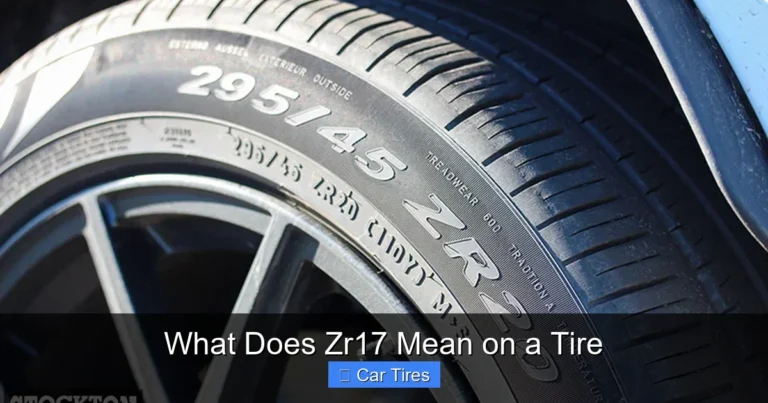
Let’s start with the most common part of the tire code: the size. This is usually the first set of numbers and letters you’ll see, like “225/50R17.” At first glance, it looks like a secret code. But once you know what each part means, it’s actually quite straightforward.
Section 1: Tire Width (First Number)
The first number—225 in our example—is the tire’s width in millimeters from sidewall to sidewall. This is measured when the tire is mounted on the correct rim and inflated to the recommended pressure. A wider tire generally provides better grip and stability, especially during cornering or braking. However, wider tires can also increase rolling resistance, which may slightly reduce fuel efficiency.
For example, a compact car might use a 195mm wide tire, while a performance sedan could use a 245mm or even 275mm tire. SUVs and trucks often have even wider tires to handle heavier loads and off-road conditions. Choosing the right width is important—too narrow, and you might not have enough traction; too wide, and you could experience poor handling or rubbing against the wheel well.
Section 2: Aspect Ratio (Second Number)
The second number—50 in our example—is the aspect ratio. This is the height of the tire’s sidewall expressed as a percentage of the tire’s width. So, a 50 aspect ratio means the sidewall is 50% as tall as the tire is wide. In this case, 50% of 225mm is 112.5mm.
A lower aspect ratio (like 40 or 35) means a shorter, stiffer sidewall. These are common on performance and sports cars because they offer sharper handling and better responsiveness. However, they can also make the ride harsher, especially on rough roads. A higher aspect ratio (like 60 or 65) means a taller sidewall, which absorbs more road shock and provides a smoother, more comfortable ride—ideal for family sedans and long-distance driving.
It’s important to note that changing the aspect ratio can affect your speedometer accuracy and overall vehicle dynamics. Always consult your vehicle manufacturer’s recommendations before switching to a different aspect ratio.
Section 3: Construction Type (The Letter)
The letter that follows the aspect ratio—R in our example—tells you the tire’s internal construction. The most common type today is “R,” which stands for radial. Radial tires have layers of fabric (called plies) that run radially across the tire, from bead to bead, with steel belts wrapped around the tread area. This design offers better fuel efficiency, longer tread life, and improved handling compared to older designs.
Before radial tires became standard, many vehicles used “D” (diagonal or bias-ply) tires, where the plies crisscross at an angle. These are still used on some trailers, classic cars, and off-road vehicles, but they’re rare on modern passenger cars. There’s also “B” for belted bias, but again, this is mostly obsolete.
Understanding construction type helps you know what kind of performance and durability to expect. Radial tires dominate the market for good reason—they’re reliable, efficient, and well-suited for everyday driving.
Section 4: Wheel Diameter (Last Number)
The final number in the size code—17 in our example—is the diameter of the wheel (or rim) that the tire is designed to fit, measured in inches. This is a critical number because a tire must match the rim size exactly. You can’t put a 17-inch tire on a 16-inch rim—it simply won’t fit.
Wheel diameter affects handling, ride comfort, and appearance. Larger wheels (like 18, 19, or 20 inches) are often chosen for a sportier look and better cornering, but they can make the ride stiffer and more expensive to replace. Smaller wheels (15 or 16 inches) are usually more comfortable and economical, especially in areas with poor road conditions.
When shopping for new tires, always check your current tire size or your vehicle’s owner’s manual to ensure you’re getting the correct wheel diameter. Even a half-inch difference can cause serious problems.
Understanding Load Index and Speed Rating
Now that we’ve covered the physical dimensions of the tire, let’s talk about what it can do—specifically, how much weight it can carry and how fast it can go safely.
Load Index: How Much Weight Can Your Tire Handle?
After the size code, you’ll usually see a two- or three-digit number followed by a letter. The number is the load index, and it tells you the maximum weight each tire can support when properly inflated. This isn’t listed in pounds or kilograms directly—you need a load index chart to decode it.
For example, a load index of 98 means the tire can carry up to 1,653 pounds (750 kg). A load index of 105 can handle 2,039 pounds (925 kg). Most passenger cars use load indexes between 80 and 110, while trucks and SUVs often require higher ratings.
Why does this matter? Overloading your tires—even slightly—can cause excessive heat buildup, tread separation, or even blowouts. It also puts extra strain on your suspension and braking systems. Always make sure your replacement tires have a load index equal to or higher than the original equipment. Going lower is unsafe and could void your warranty.
You can find the recommended load index in your vehicle’s owner’s manual or on the tire information placard (usually located on the driver’s side door jamb). This placard lists the correct tire size, inflation pressure, and load capacity for your specific vehicle.
Speed Rating: How Fast Can You Safely Go?
The letter after the load index is the speed rating. It indicates the maximum speed the tire can sustain under its recommended load capacity. Like the load index, this isn’t a direct speed in mph or km/h—it’s a coded letter.
Here are the most common speed ratings and their corresponding maximum speeds:
– L: 75 mph (120 km/h) – Typically for light trailers
– M: 81 mph (130 km/h) – Rare, mostly for older vehicles
– N: 87 mph (140 km/h) – Spare tires
– P: 93 mph (150 km/h)
– Q: 99 mph (160 km/h) – Common on winter tires
– R: 106 mph (170 km/h) – Often found on light trucks
– S: 112 mph (180 km/h)
– T: 118 mph (190 km/h)
– H: 130 mph (210 km/h) – Common on sedans and coupes
– V: 149 mph (240 km/h) – Performance vehicles
– Z: 149+ mph (240+ km/h) – High-performance tires
– W: 168 mph (270 km/h)
– Y: 186 mph (300 km/h) – Supercars and high-end sports cars
It’s important to note that the speed rating is not a recommendation to drive that fast. It’s a safety certification based on laboratory tests. Most drivers will never reach these speeds, but the rating ensures the tire can handle high-speed stresses without failing.
Using a tire with a lower speed rating than recommended can be dangerous, especially if you drive on highways or enjoy spirited driving. Always match or exceed the original speed rating when replacing tires.
Tire Construction and Additional Markings
Beyond size, load, and speed, there are other important markings on your tire that give you insight into its design, origin, and safety standards.
Radial vs. Bias-Ply: What’s the Difference?
As mentioned earlier, most modern tires are radial (marked with an “R”). But it’s worth diving a little deeper into why that matters.
Radial tires have plies that run perpendicular to the direction of travel, with steel belts under the tread for strength and stability. This design allows the tread to stay flat on the road, improving grip, fuel efficiency, and tread life. The sidewalls are more flexible, which contributes to a smoother ride.
Bias-ply tires (marked with a “D”) have plies that crisscross at an angle. They’re stiffer overall, which can be good for certain off-road or heavy-duty applications, but they generate more heat and wear faster on paved roads. They’re rarely used on modern passenger vehicles but may still be found on trailers, farm equipment, or vintage cars.
If you’re driving a modern car, you’re almost certainly using radial tires—and that’s a good thing. They’re the industry standard for a reason.
Treadwear, Traction, and Temperature Grades
On the sidewall, you might also see a three-part rating system: treadwear, traction, and temperature. These are part of the Uniform Tire Quality Grading (UTQG) system, established by the Department of Transportation (DOT).
– **Treadwear Grade:** This is a relative measure of how long the tire is expected to last compared to a reference tire graded 100. A tire with a treadwear of 400 should last about four times as long as the reference tire under similar conditions. However, this is a lab test—real-world results depend on driving habits, road conditions, and maintenance.
– **Traction Grade:** This measures the tire’s ability to stop on wet pavement. Ratings go from AA (best) to A, B, and C (worst). AA-rated tires offer the shortest stopping distances in wet conditions.
– **Temperature Grade:** This indicates the tire’s resistance to heat buildup. Ratings are A (best), B, and C. A-rated tires can withstand high speeds and temperatures without degrading.
These grades help you compare tires, but they’re not the whole story. Always consider reviews, brand reputation, and your specific driving needs.
Directional and Asymmetric Tread Patterns
Some tires have arrows or the word “Rotation” on the sidewall, indicating they’re directional—meaning they’re designed to roll in one direction only. These tires have tread patterns optimized for water evacuation and grip in a specific direction. Installing them backward can reduce performance and increase the risk of hydroplaning.
Asymmetric tires have different tread patterns on the inner and outer halves of the tire. The outer side is usually designed for dry grip and cornering, while the inner side focuses on water dispersion. These tires offer a balance of performance in various conditions but must be mounted correctly—often with “Outside” or “Inside” markings on the sidewall.
Always follow the manufacturer’s instructions when mounting directional or asymmetric tires. Incorrect installation can void warranties and compromise safety.
The DOT Code: Tire Age and Safety
One of the most overlooked but important markings on a tire is the DOT code. DOT stands for Department of Transportation, and this code tells you where and when the tire was made.
What Is the DOT Code?
The DOT code starts with the letters “DOT,” followed by a series of numbers and letters. The last four digits are the most important—they indicate the week and year the tire was manufactured.
For example, if the last four digits are “2323,” the tire was made in the 23rd week of 2023. If it’s “0521,” it was made in the 5th week of 2021.
Why does this matter? Tires age over time, even if they’re not used. The rubber compounds can harden, crack, or degrade, especially when exposed to sunlight, heat, or ozone. Most tire manufacturers recommend replacing tires that are six to ten years old, regardless of tread depth.
A tire made in 2015 with plenty of tread left could still be unsafe due to aging. That’s why checking the DOT code is crucial—especially when buying used tires or storing spare tires for long periods.
How to Find and Read the DOT Code
The DOT code is usually located on the inner sidewall, near the rim. It can be hard to see, especially if the tire is mounted on the car. You may need to look between the spokes of the wheel or use a flashlight.
The format is: DOT XXXXXXXX XXXX, where the last four digits are the date code. The first two digits are the week (01 to 52), and the last two are the year.
For example:
– DOT EJ8R HMLR 2323 → Made in week 23 of 2023
– DOT ABC1 2345 0521 → Made in week 5 of 2021
If the DOT code has only three digits at the end (like “320”), it means the tire was made before 2000. The first two digits are the week, and the last digit is the year (e.g., “320” = 32nd week of 1990 or 2000). This can make it hard to determine the exact year, so tires with three-digit codes are often considered outdated.
Always check the DOT code before buying tires, especially used ones. A tire older than six years may not be safe, even if it looks good.
Why Getting the Right Tire Matters
Now that you know what all those numbers mean, you might be wondering: “Why does it matter so much?” The answer is simple: safety, performance, and longevity.
Safety First: The Risks of Wrong Tires
Using the wrong tire size, load index, or speed rating can have serious consequences. A tire that’s too small for your vehicle might not handle the weight, leading to blowouts. A tire with a low speed rating could overheat at highway speeds. Mismatched tires can also affect your car’s stability, braking, and traction control systems.
For example, putting a 16-inch tire on a vehicle designed for 17-inch tires can cause the speedometer to read incorrectly, the suspension to work improperly, and the ABS system to malfunction. In extreme cases, it could lead to loss of control.
Even something as simple as mixing tire brands or models can create handling imbalances. It’s best to replace all four tires at the same time, or at least ensure the new tires match the old ones in size, load, speed, and tread pattern.
Performance and Fuel Efficiency
The right tires can improve your car’s handling, braking, and cornering. Performance tires with a lower aspect ratio and higher speed rating offer better grip and responsiveness, while touring tires prioritize comfort and quietness.
Tire width also affects fuel economy. Wider tires have more rolling resistance, which can reduce gas mileage. However, they also provide better traction, especially in wet or snowy conditions. Finding the right balance depends on your driving style and environment.
Proper inflation is also key. Underinflated tires increase rolling resistance and wear unevenly, while overinflated tires reduce grip and can lead to blowouts. Always check your tire pressure monthly and before long trips.
Legal and Warranty Considerations
Using incorrect tires can void your vehicle’s warranty or make you non-compliant with local laws. Some regions require tires to meet specific load and speed ratings, especially for commercial vehicles or modified cars.
Insurance companies may also deny claims if an accident is linked to improper tires. For example, if a blowout occurs because you used tires with a lower load index than recommended, your claim could be rejected.
Always follow your vehicle manufacturer’s guidelines when selecting tires. The owner’s manual or tire placard will list the correct specifications.
Conclusion: Be a Smarter, Safer Driver
Understanding what the numbers on a tire mean isn’t just for mechanics or car enthusiasts—it’s essential knowledge for every driver. Those codes tell you everything you need to know about your tire’s size, strength, speed capability, and age. They help you make informed decisions when buying new tires, ensure your vehicle performs at its best, and keep you safe on the road.
From the width and aspect ratio to the load index and speed rating, each number plays a vital role. Even the DOT code—often overlooked—can reveal whether a tire is too old to be safe. By learning to read these markings, you’re not just shopping for tires; you’re investing in your safety, your vehicle’s performance, and your peace of mind.
So the next time you’re at the tire shop or checking your spare, take a closer look at the sidewall. Decode those numbers. Ask questions. And choose tires that match your vehicle and your driving needs. Because when it comes to tires, knowledge truly is power—and safety.
Frequently Asked Questions
What do the numbers on a tire mean?
The numbers on a tire describe its size, load capacity, speed rating, and construction. For example, “225/50R17 98V” means the tire is 225mm wide, has a 50% aspect ratio, is radial, fits a 17-inch wheel, can carry 1,653 lbs (load index 98), and has a speed rating of 130 mph (V).
Can I use a different tire size than what’s recommended?
It’s not recommended. Using a different size can affect handling, speedometer accuracy, and safety. Always match the size, load index, and speed rating specified by your vehicle manufacturer.
What does the load index on a tire mean?
The load index is a numerical code that indicates the maximum weight a tire can support when properly inflated. For example, a load index of 98 means the tire can carry up to 1,653 pounds per tire.
Is a higher speed rating better?
Not necessarily. A higher speed rating means the tire can handle higher speeds safely, but it doesn’t improve performance unless your vehicle is designed for it. Always match or exceed the original speed rating.
How do I check the age of a tire?
Look for the DOT code on the sidewall. The last four digits show the week and year the tire was made. For example, “2323” means it was made in the 23rd week of 2023. Tires older than 6–10 years should be replaced, even if they look good.
Can I mix different tire brands or models?
It’s best to avoid mixing brands or models. Differences in tread pattern, stiffness, and performance can affect handling and safety. If you must replace only two tires, install them on the rear axle and match the existing ones as closely as possible.