
305/45r22 Tire Size

The 305/45R22 tire size is a high-performance fit for large SUVs and trucks, offering a bold stance, excellent handling, and a smooth ride. With a wide tread and low-profile design, these tires deliver grip and style—perfect for drivers who want both function and flair.
Key Takeaways
- Wide Tread for Stability: The 305mm width provides a larger contact patch, improving traction and cornering on highways and dry roads.
- Low-Profile Design: The 45 aspect ratio means a shorter sidewall, enhancing responsiveness and steering precision.
- 22-Inch Rim Compatibility: Designed for large-diameter wheels, this size suits luxury SUVs, crossovers, and performance trucks.
- Balanced Ride Comfort: Despite the low profile, modern construction and advanced rubber compounds help absorb road imperfections.
- Popular Among Premium Vehicles: Commonly found on models like the Cadillac Escalade, GMC Yukon, and Ford Expedition.
- Seasonal Options Available: Choose from all-season, summer, or winter variants depending on your climate and driving needs.
- Proper Inflation is Critical: Due to the low sidewall, maintaining correct tire pressure is essential for safety, wear, and fuel efficiency.
📑 Table of Contents
What Is 305/45R22 Tire Size?
The 305/45R22 tire size might look like a random string of numbers and letters, but it’s actually a precise specification that tells you everything you need to know about the tire’s dimensions and capabilities. Let’s break it down: the “305” refers to the tire’s width in millimeters—so this is a wide tire, measuring just over 12 inches across. The “45” is the aspect ratio, meaning the sidewall height is 45% of the tire’s width. Finally, the “R22” indicates that it’s a radial construction tire designed to fit a 22-inch wheel rim.
This tire size is commonly used on large, high-end SUVs and trucks that prioritize both performance and aesthetics. Vehicles like the Cadillac Escalade, Lincoln Navigator, and even some lifted Ford F-150s often come equipped with 305/45R22 tires from the factory. The combination of a wide tread and a relatively short sidewall gives these tires a sporty, aggressive look while still offering a comfortable ride—something that’s not always easy to achieve with larger wheels.
One of the biggest advantages of the 305/45R22 size is its balance between grip and ride quality. The wide footprint provides excellent traction, especially during acceleration and cornering, while modern tire technology helps mitigate the harsher ride that traditionally comes with low-profile tires. Whether you’re cruising down the highway or navigating city streets, this tire size delivers a confident, planted feel that many drivers appreciate.
Breaking Down the Numbers: Understanding Tire Dimensions
To truly appreciate what makes the 305/45R22 tire special, it helps to understand what each part of the size designation means. Let’s go deeper into the numbers so you can make smarter decisions when shopping for tires or upgrading your vehicle.
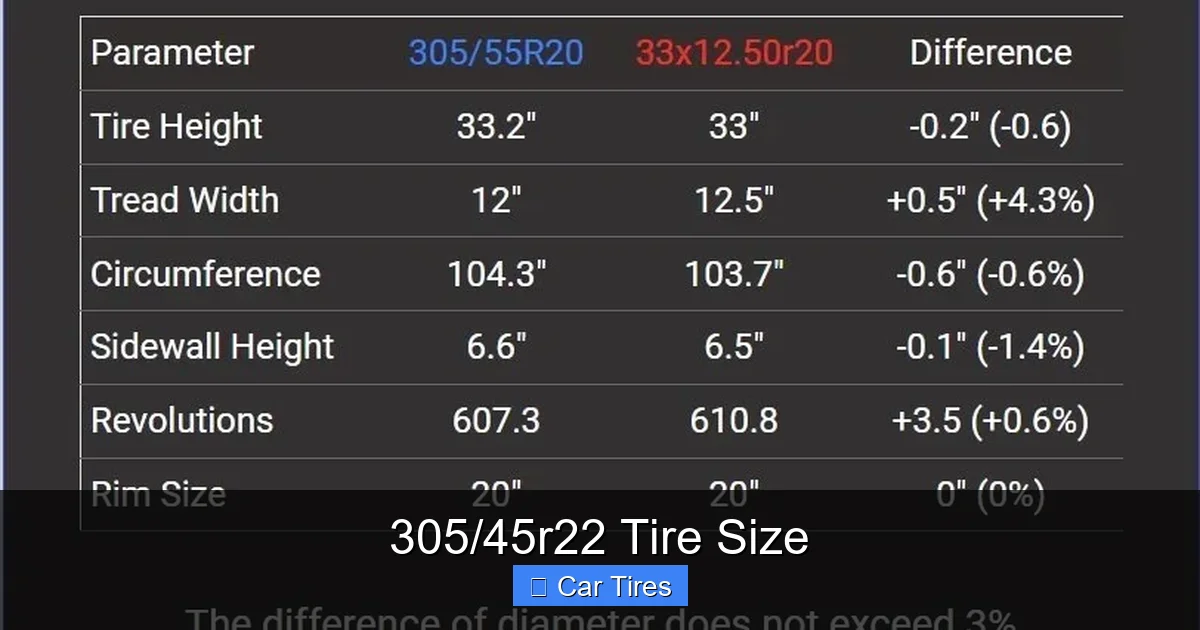
Visual guide about 305/45r22 Tire Size
Image source: tireblogger.com
Tire Width: The 305mm Advantage
The first number, 305, represents the tire’s width in millimeters from sidewall to sidewall when mounted and inflated to the manufacturer’s recommendation. At 305mm (about 12 inches), this is considered a wide tire—significantly broader than standard passenger car tires, which often range from 205mm to 245mm. A wider tire means a larger contact patch with the road, which translates to better grip, improved braking performance, and enhanced stability during high-speed maneuvers.
For SUVs and trucks that carry heavy loads or tow trailers, the extra width of a 305mm tire can make a noticeable difference in control and safety. It also contributes to a more aggressive, muscular appearance—something many truck and SUV owners love. However, it’s worth noting that wider tires can slightly reduce fuel efficiency due to increased rolling resistance, and they may be more susceptible to hydroplaning in heavy rain if not designed with proper tread patterns.
Aspect Ratio: The 45% Sweet Spot
The second number, 45, is the aspect ratio—the height of the tire’s sidewall expressed as a percentage of its width. In this case, the sidewall is 45% of 305mm, which equals approximately 137mm (or about 5.4 inches). This is considered a low-profile tire, meaning the sidewall is relatively short compared to the width.
Low-profile tires like the 305/45R22 offer several benefits. First, they provide sharper steering response and better cornering ability because there’s less sidewall flex during turns. This makes the vehicle feel more connected to the road, especially at higher speeds. Second, they enhance the overall look of large wheels, giving your vehicle a sleek, modern, and performance-oriented appearance.
However, the trade-off is reduced cushioning from road imperfections. With less sidewall to absorb bumps and potholes, low-profile tires can transmit more vibration and impact to the vehicle’s suspension and cabin. That’s why tire manufacturers use advanced materials and construction techniques—like reinforced sidewalls and noise-reducing tread designs—to maintain ride comfort even with a 45 aspect ratio.
Rim Diameter: The 22-Inch Statement
The final part of the size, R22, tells you that this tire is built for a 22-inch diameter wheel. Radial construction (the “R”) is standard on modern tires, meaning the internal layers run radially across the tire for strength and flexibility. The 22-inch rim size is on the larger end of the spectrum and is typically found on luxury SUVs, full-size trucks, and performance-oriented crossovers.
Large wheels like 22-inchers are popular for their visual impact. They fill out the wheel wells nicely and give the vehicle a commanding presence on the road. But they also come with considerations. Larger wheels are heavier, which can affect acceleration, braking, and fuel economy. They’re also more expensive to replace, and the tires themselves tend to cost more due to their size and performance features.
When choosing a 305/45R22 tire, it’s important to ensure your vehicle’s suspension and fender clearance can accommodate the size. Some trucks and SUVs may require minor modifications or specific wheel offsets to fit 22-inch wheels without rubbing. Always consult your owner’s manual or a tire professional before making the switch.
Vehicles That Use 305/45R22 Tires
The 305/45R22 tire size isn’t just for show—it’s engineered for vehicles that demand both power and precision. This size is commonly found on high-end SUVs and trucks that prioritize performance, comfort, and style. Let’s look at some of the most popular models that use this tire size straight from the factory.
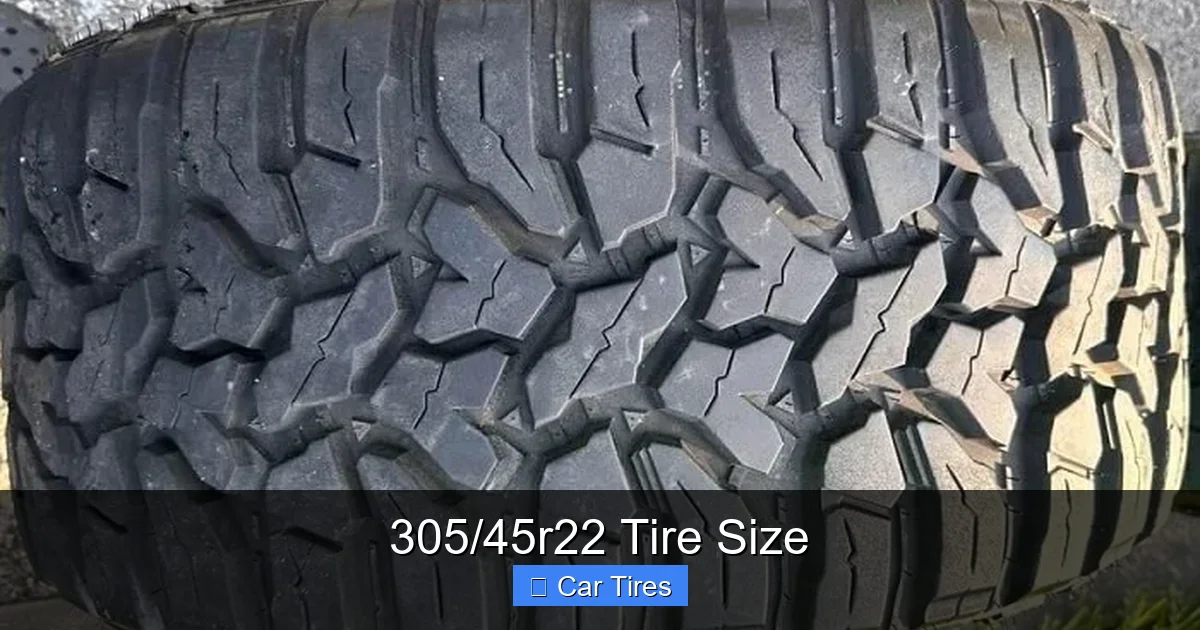
Visual guide about 305/45r22 Tire Size
Image source: tireblogger.com
Full-Size Luxury SUVs
One of the most common applications for 305/45R22 tires is in the luxury SUV segment. Vehicles like the Cadillac Escalade, Lincoln Navigator, and Mercedes-Benz GLS-Class often come equipped with this size, especially in their higher trims or performance packages. These SUVs are designed to deliver a smooth, quiet ride while offering impressive towing capacity and interior space.
For example, the Cadillac Escalade Platinum trim frequently rolls off the lot with 22-inch wheels and 305/45R22 all-season tires. These tires help the Escalade maintain its poised handling despite its size, allowing it to glide over highways with confidence. The wide tread also improves braking performance, which is crucial for a vehicle that can weigh over 6,000 pounds.
High-Performance Trucks
While SUVs dominate the 305/45R22 scene, some full-size trucks also use this size, particularly in their lifted or performance variants. The Ford F-150 Raptor, for instance, can be fitted with 305/45R22 tires when owners upgrade to larger wheels for off-road capability or street presence. Similarly, the Chevrolet Silverado ZR2 and GMC Sierra AT4 can accommodate this size with the right wheel and suspension setup.
These trucks benefit from the tire’s wide footprint when navigating rough terrain or carrying heavy loads. The low-profile design helps maintain stability during high-speed desert runs or when towing a trailer down the highway. However, drivers should be mindful of the reduced sidewall height, which can make the ride stiffer on unpaved roads.
Custom and Aftermarket Applications
Beyond factory installations, the 305/45R22 size is a favorite among enthusiasts who customize their vehicles. Whether it’s a lifted Jeep Grand Cherokee, a lowered Range Rover Sport, or a modified Toyota Sequoia, this tire size offers a perfect blend of width, profile, and performance for aftermarket builds.
Customizers often pair 305/45R22 tires with forged or multi-spoke 22-inch wheels to create a bold, head-turning look. These setups are popular at car shows, off-road events, and urban meetups. Just remember that modifications may require adjustments to suspension, alignment, or even fender trimming to avoid rubbing or handling issues.
Performance and Driving Experience
So, what’s it actually like to drive on 305/45R22 tires? The experience can vary depending on the vehicle, driving conditions, and tire type, but there are some consistent themes that emerge from real-world use.
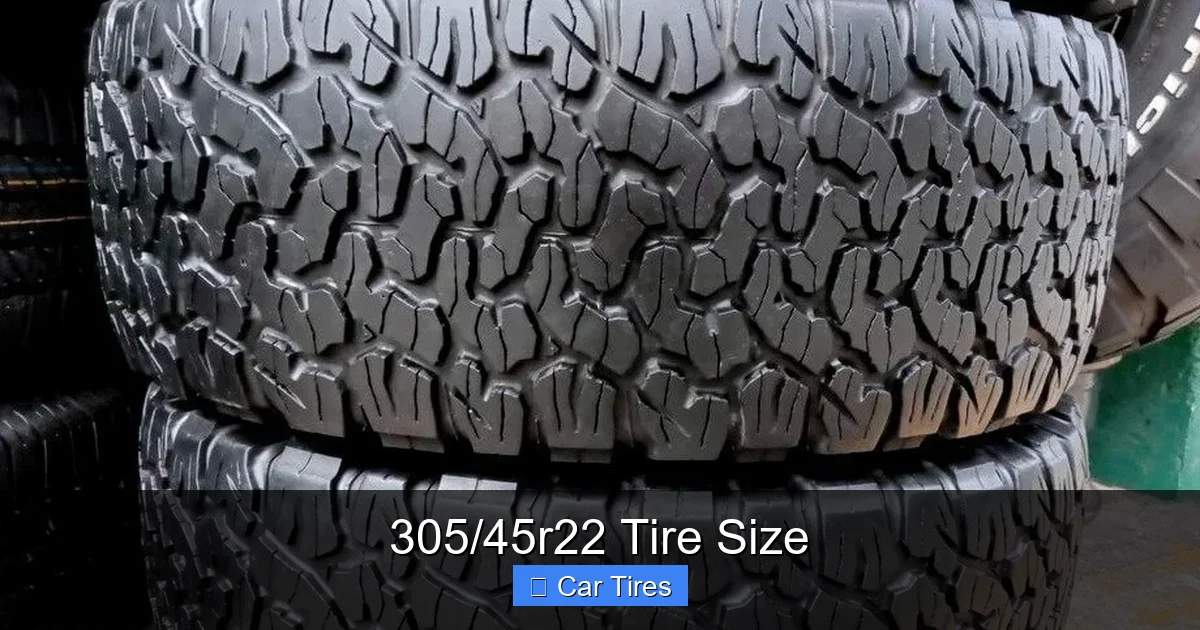
Visual guide about 305/45r22 Tire Size
Image source: tireblogger.com
Handling and Responsiveness
One of the standout features of the 305/45R22 size is its handling. The wide tread and short sidewall work together to deliver sharp, predictable steering. Whether you’re merging onto a highway, taking a tight corner, or changing lanes in traffic, the vehicle feels planted and responsive.
This is especially noticeable in luxury SUVs, where the suspension is tuned for comfort but still benefits from the tire’s grip. Drivers often report that their vehicle feels more “connected” to the road, with less body roll and quicker response to steering inputs. It’s a great feeling when you’re driving a large vehicle but still want a sporty, engaging experience.
Ride Comfort and Noise
Thanks to advances in tire technology, the 305/45R22 size no longer means sacrificing comfort for performance. Modern tires use variable pitch tread blocks, noise-canceling foam liners, and flexible sidewall compounds to reduce road noise and absorb impacts.
For example, Michelin and Pirelli offer 305/45R22 all-season tires with specialized tread designs that minimize noise while maintaining wet and dry traction. Drivers often comment that their ride is surprisingly smooth, even on rough city streets. Of course, the vehicle’s suspension plays a big role too—so pairing these tires with a well-tuned setup is key.
Wet and Dry Traction
The wide contact patch of the 305/45R22 tire provides excellent grip in both dry and wet conditions. In dry weather, the tire offers confident acceleration and braking, with minimal slip during hard cornering. In the rain, high-quality tread patterns with deep grooves and siping help channel water away, reducing the risk of hydroplaning.
However, it’s important to choose the right tire type for your climate. All-season tires are a great all-around choice, but if you live in an area with heavy snow or extreme heat, you might consider dedicated winter or summer tires. Performance summer tires, for instance, can offer even better dry grip but may wear faster and perform poorly in cold weather.
Choosing the Right 305/45R22 Tire
Not all 305/45R22 tires are created equal. With so many options on the market, it’s important to know what to look for when making your selection. Here are some key factors to consider.
Tire Type: All-Season, Summer, or Winter?
The first decision is choosing the right tire type for your driving needs. All-season tires are the most popular choice for 305/45R22 applications because they offer a balanced mix of dry and wet traction, comfort, and tread life. They’re ideal for drivers in moderate climates who want one set of tires for year-round use.
Summer performance tires are designed for maximum grip in warm weather. They use softer rubber compounds and aggressive tread patterns to deliver superior handling and braking on dry roads. However, they’re not suitable for temperatures below 45°F (7°C) and can wear quickly if used year-round.
Winter tires, on the other hand, are built for snow, ice, and cold temperatures. They feature deeper treads, special siping, and flexible compounds that stay pliable in freezing conditions. If you live in a snowy region, investing in a set of winter 305/45R22 tires can dramatically improve safety and control.
Brand and Model Considerations
When it comes to brands, several manufacturers offer high-quality 305/45R22 options. Michelin, Bridgestone, Pirelli, and Continental are known for their performance and durability. For example, the Michelin Pilot Sport All Season 4 is a top-rated choice for luxury SUVs, offering excellent wet and dry performance with low noise.
Other notable models include the Pirelli Scorpion Verde All Season Plus, which focuses on fuel efficiency and comfort, and the Bridgestone Dueler H/P Sport, designed for sporty SUVs and crossovers. Reading reviews and checking treadwear ratings can help you find the best fit for your driving style and budget.
Tread Life and Warranty
Tread life is an important consideration, especially for a tire size that can cost $300–$500 per tire. Most 305/45R22 tires come with a treadwear warranty ranging from 40,000 to 60,000 miles, depending on the model and driving conditions. Highway driving and proper maintenance (like regular rotations and alignments) can help maximize longevity.
Some manufacturers also offer road hazard protection or mileage guarantees, which can provide peace of mind. Be sure to read the fine print and understand what’s covered under the warranty.
Installation, Maintenance, and Safety Tips
Once you’ve chosen the right 305/45R22 tires, proper installation and maintenance are crucial for safety and performance.
Professional Installation
Always have your tires installed by a certified technician. This ensures proper mounting, balancing, and torque specifications. Incorrect installation can lead to vibration, uneven wear, or even tire failure.
Regular Inspections
Check your tires monthly for signs of damage, such as cuts, bulges, or punctures. Inspect the tread depth using a tread depth gauge or the penny test (insert a penny into the tread with Lincoln’s head upside down—if you can see the top of his head, it’s time to replace the tire).
Maintain Proper Inflation
Due to the low sidewall, maintaining correct tire pressure is especially important. Underinflated tires can overheat, wear unevenly, and increase the risk of a blowout. Overinflated tires reduce the contact patch and can make the ride harsher. Check the pressure at least once a month and before long trips.
Rotate and Align
Rotate your tires every 5,000 to 7,500 miles to promote even wear. Also, have your alignment checked annually or if you notice pulling to one side or uneven tread wear.
Conclusion
The 305/45R22 tire size is a standout choice for drivers who want a blend of performance, style, and comfort. Its wide tread and low-profile design deliver excellent handling and a bold look, making it a favorite for luxury SUVs and high-performance trucks. While it comes with some trade-offs—like higher cost and slightly reduced ride cushioning—modern tire technology has minimized these drawbacks, offering a smooth and confident driving experience.
Whether you’re upgrading your current setup or shopping for a new vehicle, understanding the 305/45R22 size helps you make informed decisions. From choosing the right tire type to maintaining proper inflation, a little knowledge goes a long way in getting the most out of your tires. So next time you see a sleek SUV rolling on 22-inch wheels, you’ll know exactly what’s under those stylish rims—and why it matters.
Frequently Asked Questions
What vehicles use 305/45R22 tires?
The 305/45R22 tire size is commonly found on luxury SUVs like the Cadillac Escalade, Lincoln Navigator, and Mercedes-Benz GLS-Class. It’s also used on some high-performance trucks and custom builds.
Are 305/45R22 tires good for towing?
Yes, the wide tread and strong construction of 305/45R22 tires provide excellent stability and grip, making them suitable for towing heavy loads—especially when paired with a capable truck or SUV.
Can I use 305/45R22 tires in winter?
You can, but for optimal safety in snow and ice, consider dedicated winter tires in this size. All-season tires offer decent cold-weather performance, but winter tires provide superior traction below 45°F.
How much do 305/45R22 tires cost?
Prices typically range from $250 to $500 per tire, depending on the brand, type, and performance features. Premium brands and performance models tend to be on the higher end.
Do 305/45R22 tires affect fuel economy?
They can slightly reduce fuel efficiency due to increased rolling resistance from the wide tread. However, the impact is usually minimal and often outweighed by the performance and handling benefits.
How often should I rotate 305/45R22 tires?
Rotate your tires every 5,000 to 7,500 miles to ensure even wear and extend tread life. Regular rotations help maintain balanced handling and performance.
