
New Jersey Window Tint Law Explained

New Jersey enforces some of the strictest window tint laws in the U.S., with specific Visible Light Transmission (VLT) percentages for each window. Front side windows must allow over 70% light, while back and rear windows have no limit. Violations result in fines and fix-it tickets. Understanding these rules is crucial for BMW owners and all drivers to avoid penalties and ensure safety.
So, you just picked up your sleek new BMW with its deep, dark factory tint or maybe you’re thinking of having aftermarket tint installed to cut that Garden State glare and add some privacy. Before you spend a dime or hit the road, you absolutely need to understand the New Jersey window tint law. It’s not just about style; it’s about legality, safety, and avoiding a costly ticket. New Jersey’s regulations are famously strict, especially for front side windows, and they apply to every vehicle on the road, from a humble Honda to a high-performance BMW. This guide will break down everything you need to know in plain English, so you can enjoy your tinted windows with total confidence.
Many drivers, especially those with luxury vehicles like BMWs, assume that because their car has a certain look or because tint is common, the rules are lenient. This is a dangerous misconception. The New Jersey Motor Vehicle Commission (MVC) and law enforcement take window tint violations seriously. The laws are designed to balance driver privacy and comfort with critical safety needs for police officers and other motorists. Poorly tinted windows can impair vision at night or in bad weather and make it difficult for an officer to see inside your vehicle during a traffic stop. Let’s dive into the specifics so you know exactly what’s allowed and what could land you in trouble.
Key Takeaways
- Front Side Windows: Must transmit over 70% of light (VLT > 70%). This is a non-negotiable rule in New Jersey.
- Back & Rear Windows: Have no darkness limit (any VLT percentage is legal), but must meet reflectivity standards.
- Windshield: Only a non-reflective tint is permitted on the top 6 inches (AS-1 line).
- Medical Exemptions: Exist for certain conditions but require a signed statement from a licensed physician and a permit from the NJ MVC.
- Enforcement & Penalties: Police use tint meters. First offense is a fine (~$100) and a “fix-it” ticket to correct the violation.
- Factory Tint: Many modern BMWs come with factory-installed tint. You must verify its VLT percentage to ensure it complies with NJ’s 70% front-side rule.
- Reflectivity Limits: All windows cannot be more than 20% reflective or have a mirrored appearance, regardless of VLT.
📑 Table of Contents
Understanding the Legal Limits: VLT is Everything
The core of any window tint law is the VLT percentage. VLT stands for Visible Light Transmission. Simply put, it’s the percentage of visible light that passes through your car’s window glass and the tint film combined. A lower VLT number means darker tint (less light gets through). A higher VLT number means lighter tint (more light gets through). A factory window with no tint typically has a VLT of around 80-85%. New Jersey sets different VLT thresholds for different windows on your vehicle.
Front Side Windows: The 70% Rule
This is the most critical and commonly violated part of the New Jersey window tint law. For the front driver and front passenger side windows, the combined VLT (glass + film) must be greater than 70%. In practical terms, this means you can only use a very light tint on these windows. A “70% VLT” film applied to standard automotive glass will usually result in a final VLT of about 75-78%, which is compliant. However, if your BMW already has a factory tint, say at 80% VLT, you cannot apply any aftermarket film to the front windows, as it would push you below the 70% threshold. You must always calculate the final VLT of the glass and film stack. For reference, a truly dark limousine tint at 5% VLT is completely illegal on front side windows in NJ.
Rear Side and Rear Windows: No Darkness Limit
Here’s where you have some freedom. New Jersey has no specific darkness limit (no minimum VLT percentage) for the rear side windows (behind the driver and passenger seats) and the rear window. You can legally go as dark as you want on these windows—5%, 10%, even 2% limo tint is permissible from a VLT perspective. This is great for privacy, protecting your car’s interior from UV damage, and keeping that BMW’s cabin cool in the summer. However, and this is a big however, these windows are still subject to the state’s reflectivity rules, which we’ll cover next.
Windshield Tint: Only at the Top
Tinting the entire windshield is illegal in New Jersey. The only exception is a non-reflective strip of tint at the very top of the windshield. This strip must be located above the AS-1 line (a marking usually etched into the windshield corner) and cannot extend more than 6 inches downward from the top. Its purpose is to reduce glare from the sun or sky without obstructing the driver’s primary line of sight. If you’re looking to install a windshield tint, this is the only legal option. Some high-end BMWs offer a factory “sunroof” or “shade” that is integrated into the glass and is generally compliant, but you should always verify.
Reflectivity and Color Restrictions
It’s not just about how dark the tint is. New Jersey also regulates how reflective the window film can be. The law states that no window may have a mirrored or reflective appearance. Specifically, the combined reflectivity of the glass and film on any side or rear window cannot exceed 20%. Many cheap, metallic-based films can appear very shiny and mirror-like, especially in certain lighting conditions, and would fail this test. Additionally, while not explicitly banned in all contexts, tint colors that are red, yellow, or amber are generally discouraged as they can interfere with signal visibility and are often associated with commercial or emergency vehicles. For a clean, legal look on your BMW, stick with standard grey or charcoal neutral-density films.
Medical Exemptions: Is There a Loophole?
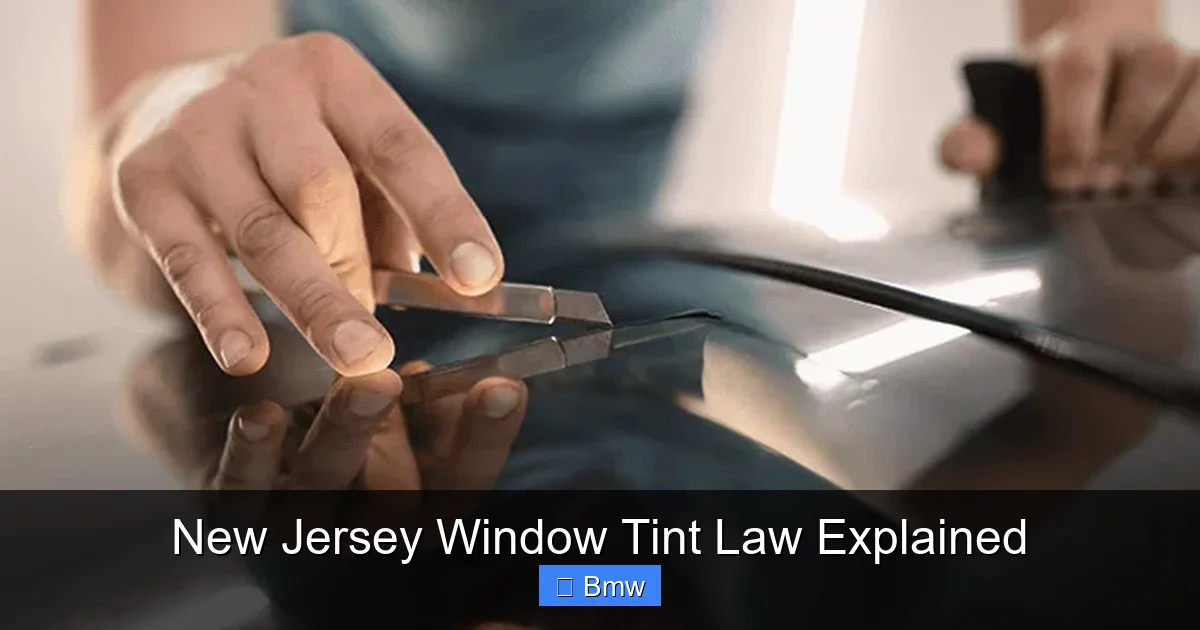
Yes, New Jersey does provide a pathway for individuals with certain medical conditions to obtain an exemption from the standard VLT limits, including the 70% front-side rule. This is important for drivers with photosensitivity conditions like lupus, porphyria, or severe chronic actinic dermatitis, where exposure to sunlight can cause painful or dangerous reactions. However, this is not a simple “get a note from your doctor” process. It requires specific documentation and official state approval.
Visual guide about New Jersey Window Tint Law Explained
Image source: protintnj.com
To qualify, you must obtain a signed statement from a licensed physician (MD or DO) practicing in New Jersey. This statement must detail your medical condition and explicitly state that you require special window treatment for your vehicle. With this physician’s statement, you must then apply for a special permit directly through the New Jersey Motor Vehicle Commission (MVC). The MVC reviews the application and, if approved, issues you a formal exemption certificate that must be carried in the vehicle at all times. The tint installed under this exemption must still meet the minimum 70% VLT requirement for the front side windows? No, the exemption can waive the VLT requirement entirely. However, the reflectivity limits (20%) and the prohibition on windshield tint (except the top 6 inches) still apply even with a medical exemption. It’s a rigorous process designed to prevent abuse, so don’t assume you automatically qualify.
Penalties for Non-Compliance: Fines and Fix-It Tickets
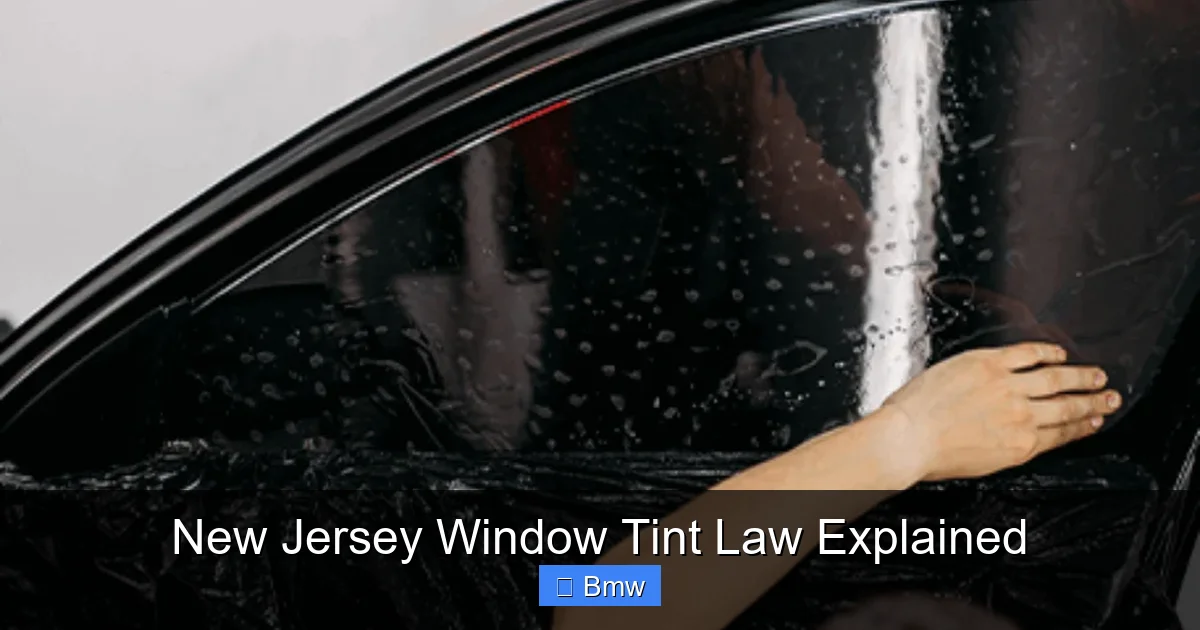
Getting caught with illegal tint in New Jersey is more than a slap on the wrist. Law enforcement officers carry handheld tint meters (called photometers) and can measure your window’s VLT on the spot during any traffic stop. The consequences escalate:
Visual guide about New Jersey Window Tint Law Explained
Image source: protintnj.com
- First Offense: You will receive a summons and a fine. The base fine is typically around $54, but with court costs and additional fees, the total payment is often closer to $100-$125. More importantly, you will be issued a “fix-it” ticket. This means you must remove the illegal tint or replace it with compliant film and have your vehicle inspected by a law enforcement agency (often a local police station or MVC office) to verify the correction. Once proof of correction is provided, the fine may be reduced or waived, but you will still incur the cost of removal and re-tinting.
- Subsequent Offenses: If you are cited again for a tint violation, the fines increase significantly, and you lose the “fix-it” option. You will be required to pay the full fine and may face additional points on your driver’s license, which can affect your insurance premiums.
For a BMW owner, there’s also the practical hassle of having to remove professionally applied film, which can damage defroster lines or leave adhesive residue if done improperly. It’s far cheaper and less stressful to do it right the first time. Furthermore, if you are selling your car in New Jersey, you must disclose any modifications and ensure the vehicle is fully compliant, as illegal tint can be a deal-breaker for a knowledgeable buyer.
How to Ensure Your BMW’s Tint is Legal in New Jersey
Whether you’re dealing with factory-installed tint or planning an aftermarket job, following a proactive process is key.
Visual guide about New Jersey Window Tint Law Explained
Image source: low-offset.com
Step 1: Know Your Factory Tint (If Applicable)
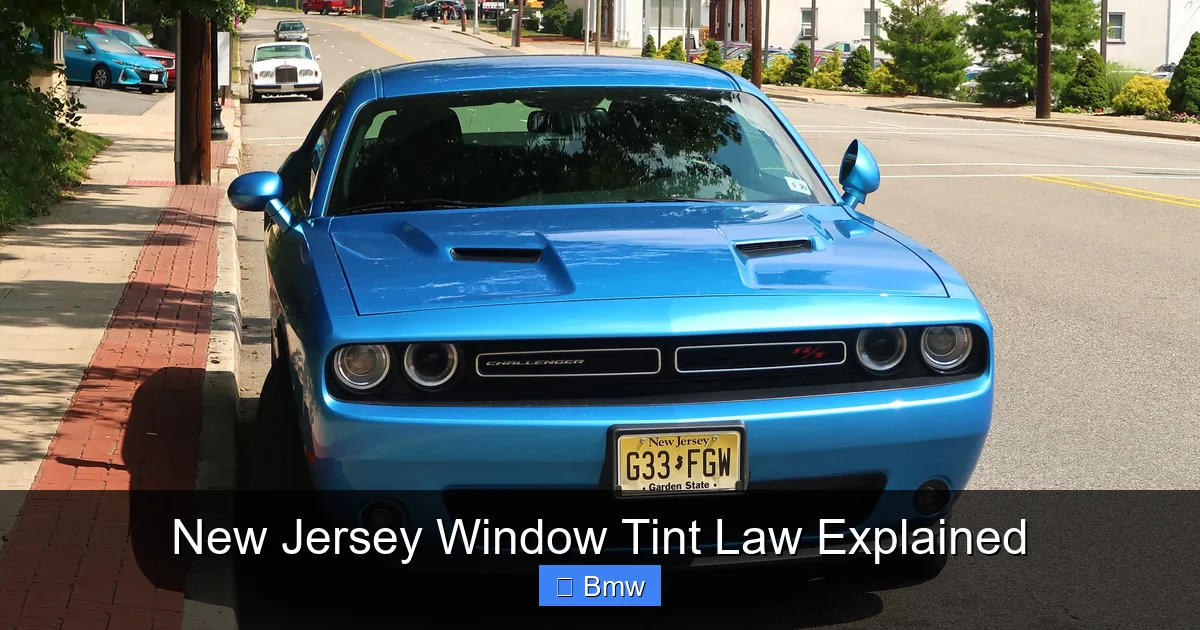
Many modern BMWs, especially models in the higher trims, come with what is often called “privacy glass” or factory tint. This is actually glass that is tinted during manufacturing, not a film applied later. Its VLT varies by model and year. For example, a BMW 3 Series or X5 might have factory rear windows at 20% VLT (legal) but front windows at 80% VLT (also legal, as it’s above 70%). You must find the exact VLT rating for your specific vehicle. The easiest way is to check your BMW’s window sticker (Monroney label) under “Window Sticker” or “Exterior” for terms like “deep tint glass” or “privacy glass.” You can also contact a BMW dealer with your VIN for confirmation. Never assume your factory tint is compliant on all windows.
Step 2: Choose a Reputable, Knowledgeable Installer
This is the most important step. Do not hire a random tinter from a mobile service or a discount shop that doesn’t know local laws. You need a professional installer who is intimately familiar with New Jersey’s regulations. A good installer will:
- Know the exact VLT of your factory glass.
- Recommend a film product with a certified VLT rating that, when combined with your glass, will result in a compliant final VLT (e.g., using a 75% film on 80% glass yields ~82% final).
- Use a calibrated tint meter to verify the final VLT after installation.
- Provide a written warranty and guarantee that the installation meets state legal standards.
- Be able to explain the difference between dyed, metallic, and ceramic films in terms of both performance and potential reflectivity issues.
Ask them specifically: “Are you familiar with NJ’s 70% front-side VLT requirement, and can you guarantee compliance?” Their answer will tell you everything.
Step 3: Understand Film Types and Longevity
The quality of film matters. Cheap dyed films may fade to a purple or bubbly mess within a few years, potentially changing your VLT and making you non-compliant. For a premium car like a BMW, investing in a high-quality ceramic or hybrid film is wise. These offer superior UV and heat rejection, are less prone to discoloration, and are often less reflective. The lifespan of a good quality film can be 10+ years. You can learn more about how long car window tint lasts to make an informed choice. A professional installation with a top-tier film is a long-term investment in your car’s value and legality.
Special Considerations for BMW Owners
BMW vehicles present some unique scenarios with window tint. First, the factory glass on many models, particularly the front windows, is already very light (often 80-85% VLT). This gives you almost no room for aftermarket film on the front sides. A reputable installer will test your glass and likely tell you that adding any film to the front would push you below 70%, making it illegal. Your only legal option for front window tint might be to replace the glass with a darker aftermarket glass, which is expensive and complex.
Second, be aware of the “AS-1 line” on your windshield. BMW windshields have this marking. Any tint must stop at or below this line. Some installers might propose a “windshield sunstrip” that extends too far; politely decline. Third, consider your BMW’s advanced driver-assistance systems (ADAS). Cameras for lane departure warning or automatic emergency braking are often located behind the windshield near the rearview mirror. While standard window film usually doesn’t interfere, very dark or metallic films *can* potentially disrupt sensor calibration. Always inform your installer about your BMW’s ADAS features. Finally, if your BMW has a panoramic sunroof, the glass roof is considered a “window” and is subject to the same VLT rules as the rear windows—no darkness limit, but reflectivity rules apply.
Conclusion: Stay Legal, Stay Cool
Navigating the New Jersey window tint law doesn’t have to be stressful. The core principle is simple: front side windows must be very light (over 70% VLT), while the rear can be as dark as you like, as long as it’s not overly reflective. For BMW owners, the biggest challenge is often the extremely light factory glass on the front, which likely prohibits any aftermarket film. Your best move is to arm yourself with knowledge, verify your car’s factory VLT, and partner with a seasoned, local installer who respects the law. Remember, a ticket for illegal tint is an avoidable expense that also brings the hassle of mandatory correction. By ensuring your tint is 100% legal from the start, you protect your investment, avoid fines, and enjoy your drive through New Jersey with peace of mind. When in doubt, always check the official NJ MVC resources or consult with a professional who builds their reputation on compliance.
Frequently Asked Questions
Can I have 20% tint on my front windows in New Jersey?
No. New Jersey law requires front side windows to have a VLT of over 70%. A 20% VLT tint is far too dark and illegal on the front driver and passenger windows of any vehicle.
What happens if my factory BMW tint is already darker than 70% on the front?
This is extremely unlikely, as BMW factory glass for front windows is almost always 80%+ VLT. If, in a rare case, it were below 70%, the vehicle would not have been legal for sale in NJ. You would need to replace the glass to become compliant, as removing factory glass tint is not possible.
Do medical exemptions allow any tint on the windshield?
No. Even with a medical exemption, the windshield tint prohibition still applies except for the top 6-inch non-reflective strip. The exemption only waives the VLT limits for side and rear windows.
How do police measure window tint?
Officers use a handheld device called a tint meter or photometer. They place it on the inside of the window, and it shines a light through the glass to measure the exact VLT percentage. This is a standard, objective test.
Is it illegal to have different tint on the driver and passenger front windows?
No, the law applies to each front side window individually. Both must meet the >70% VLT requirement. Having one legal and one illegal window would still result in a citation for the non-compliant window.
If my rear windows are dark, do I need side mirrors?
New Jersey law does not have a specific “side mirror requirement” based on rear window darkness. However, if your rear window tint is so dark that it severely impairs your rearward visibility, a police officer could cite you for an unsafe vehicle or a violation related to obstructed view. For safety and practicality, if your rear windows are very dark (under 20% VLT), installing side mirrors is highly recommended.
