
What Causes Bmw Footwell Module Failure?

BMW footwell module failure is primarily caused by water ingress from clogged drains or leaks, leading to corrosion and short circuits. This critical control unit manages vital systems like lighting, windows, and central locking, and its failure can cause a cascade of electrical gremlins. Prompt diagnosis using professional tools and addressing the root cause, especially moisture, is essential to prevent costly recurring repairs.
Key Takeaways
- Water is the #1 Enemy: Moisture from clogged sunroof drains, door seals, or HVAC leaks is the leading cause, causing corrosion on the sensitive circuit board.
- Symptoms are Often “Gremlin-Like”: Look for intermittent failures of multiple unrelated systems (windows, lights, locks) rather than a single, obvious issue.
- Diagnosis Requires Professional Tools: A simple visual check isn’t enough; you need a BMW-specific diagnostic scanner like INPA to read fault codes from the footwell module.
- Repair vs. Replace: Often, the module itself can be repaired by cleaning and fixing corroded traces, but severe damage requires a costly new or refurbished unit.
- Prevention is Key: Regularly inspect and clear sunroof and door drain tubes, ensure door seals are intact, and avoid aftermarket accessories that may trap moisture.
- Model Vulnerability: BMWs from the late 1990s through the 2010s, particularly the 3 Series (E46, E90) and 5 Series (E39, E60), are notorious for footwell module issues due to design and material choices.
- It’s a Central Hub: The footwell module (often the “JBE” or “JBBF” module) acts as a local gateway for many body electronics, making its failure impactful.
📑 Table of Contents
- Introduction: The Silent Saboteur in Your BMW’s Footwell
- What Exactly is the BMW Footwell Module?
- The Primary Culprit: Water, Water Everywhere
- Other Significant Causes of Failure
- Decoding the Symptoms: It’s More Than Just One Thing
- Diagnosis: From Simple Check to Professional Scan
- Repair, Replacement, and Prevention
- Conclusion: Knowledge is Power (and Savings)
Introduction: The Silent Saboteur in Your BMW’s Footwell
You’re driving your BMW, and suddenly the passenger window stops working. Then, the dome light flickers erratically. Maybe the central locking feels sluggish, or a warning light you can’t identify pops up on the dash. These seemingly random, unrelated issues might not be separate problems at all. They could all be screaming from the same source: a failing BMW footwell module. Tucked away beneath the dashboard, out of sight and often out of mind, this small but mighty electronic control unit is the unsung hero (or villain, when it fails) of your car’s comfort and convenience systems. Understanding what causes BMW footwell module failure is the first step in diagnosing those maddening, ghostly electrical gremlins and preventing a costly surprise. In this deep dive, we’ll crack open the case—metaphorically and sometimes literally—on this common BMW affliction.
What Exactly is the BMW Footwell Module?
Before we talk failure, we need to understand the player. The footwell module, often referred to by its internal BMW designations like JBE (Junction Box Electronics) or JBBF (Footwell Module), is a specialized control unit. Its primary real estate is, as the name suggests, in the driver’s footwell area, usually behind a plastic panel. Think of it as a local command center for a specific zone of your car’s body electronics.
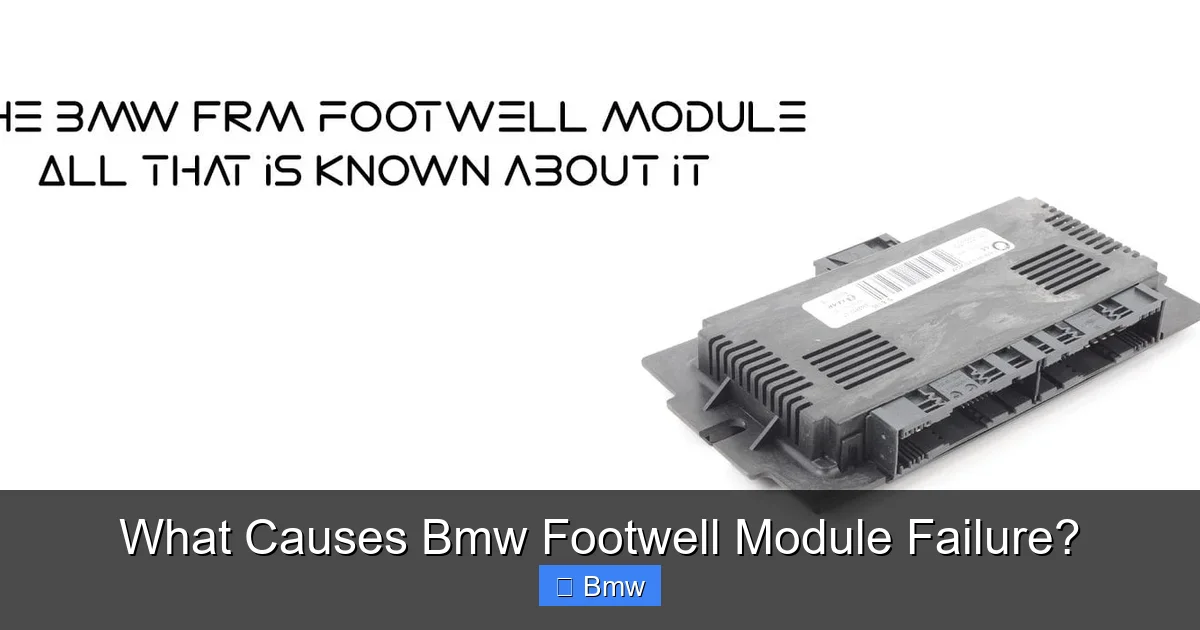
Visual guide about What Causes Bmw Footwell Module Failure?
Image source: mca.electricmura.ro
Its Core Responsibilities
This module doesn’t handle engine or transmission functions. Instead, it manages the ” creature comfort ” and access systems in its designated area. Its typical duties include:
- Power Windows: Control for driver and passenger windows, often with one-touch and pinch-protection features.
- Central Locking: Operating the door locks, trunk, and fuel filler flap.
- Lighting: Interior dome lights, footwell lights, vanity mirrors, and sometimes exterior puddle lights.
- Mirrors: Adjusting and folding power mirrors.
- Wipers & Washers: Often controlling the front and rear washer pumps and wiper motors.
- Seat Functions: In some models, it controls power seat adjustments, memory, and heating/ventilation.
- Gateway Function: It acts as a communication bridge, relaying signals between these components and the car’s main central electronics network (the CAN bus).
Because it sits at the intersection of so many systems, when it develops a fault, the symptoms are rarely isolated. You get a perfect storm of small, annoying failures that point to a central intelligence outage.
The Primary Culprit: Water, Water Everywhere
If you were to bet on a single cause for BMW footwell module failure, your money should be on water damage. It’s not just a splash here and there; it’s persistent, often unnoticed moisture that finds its way to the module’s circuit board and slowly corrodes the delicate traces and solder joints.
Visual guide about What Causes Bmw Footwell Module Failure?
Image source: i.ytimg.com
How Does Water Get In? The Usual Suspects
The path of water to this critical electronics bay is rarely direct. It’s a journey of misdirection and overlooked maintenance.
- Clogged Sunroof Drains: This is the most famous and frequent pathway. BMW sunroofs have drain tubes that channel rainwater from the glass frame down through the A-pillars and out the bottom of the car. When these tiny tubes get clogged with leaves, dirt, or debris (a common issue for any car with a sunroof), water backs up and overflows. It then seeps into the headliner, drips down the A-pillar, and can pool directly onto or near the footwell module housing.
- Faulty or Leaking Door Seals: The door membranes (the plastic sheets behind the door card) can develop leaks, or the main door seal can degrade. Water entering the door during a car wash or heavy rain can travel through wiring harness conduits and find its way into the footwell area.
- Heater/AC (HVAC) Core or Housing Leaks: A leaking heater core is a classic BMW issue. If the core or its plastic housing cracks, coolant can drip directly into the passenger footwell—right onto or near the footwell module. This is particularly nasty because coolant is corrosive and conductive, causing rapid damage.
- Windshield Seal Failure: A poorly reseated or aged windshield seal can allow water to ingress at the base of the windshield, running down the firewall and into the electronics bay.
- Condensation: In very humid climates, condensation can form inside the module housing if it’s not perfectly sealed, leading to slow, long-term corrosion.
Pro Tip: A musty smell in the cabin, especially on the passenger side, or visible wetness/corrosion on metal parts in the footwell are huge red flags. Regularly check and clear your sunroof drains—a simple piece of wire or compressed air can save thousands.
Other Significant Causes of Failure
While water is the main villain, it’s not the only one. Several other factors can degrade or destroy the footwell module.
Visual guide about What Causes Bmw Footwell Module Failure?
Image source: i.ytimg.com
Electrical Overload and Short Circuits
The module manages power to numerous motors and actuators. A short circuit in any of these downstream components—say, a window motor that has seized and draws excessive current—can send a surge back through the module, frying its internal circuitry. Similarly, aftermarket accessories (like poorly installed alarm systems, stereo upgrades, or heated seat kits) that are incorrectly wired into the footwell module’s circuits can introduce damaging voltage spikes or draw too much amperage.
Thermal Stress and Solder Joint Fracture
This is a classic failure mode for many automotive electronics of a certain era. The footwell module is located in an area that can get surprisingly warm from the HVAC ducts and the general engine bay heat radiating through the firewall. Over years of thermal cycling—heating up while driving, cooling down when parked—the solder joints on the circuit board can develop micro-fractures. These “cracked joints” cause intermittent connections that manifest as the gremlin-like symptoms we discussed. You might jiggle a wire or temp change and the system works again, which is a hallmark of this issue.
Vibration and Physical Damage
The footwell is subject to constant vibration from the road and drivetrain. Hard impacts (like hitting a deep pothole) or even just relentless vibration over 150,000+ miles can cause physical cracks in the board or loosen connectors. Less commonly, during other repairs (like clutch or pedal work), a technician might accidentally snag or strain a wiring harness connected to the module.
Manufacturing Defects and Design Flaws
Some model years are simply more prone. BMW has been known to use specific batches of components or have design choices that make the module more vulnerable. For instance, certain JBE modules used in E46 3 Series and E39 5 Series models are infamous for failing due to poor solder quality or inadequate conformal coating (the protective layer on the circuit board) that didn’t stand up to the environment. This is why you see such a strong correlation between model year and footwell module problems.
Decoding the Symptoms: It’s More Than Just One Thing
Because the footwell module controls a bundle of systems, its failure signature is a combination of issues. A single failure might be a different module or component. The red flag is when multiple, seemingly unrelated systems start acting up together.
The “Gremlin” Pattern
Here’s what you might experience:
- Multiple Windows Inoperative: Both driver and passenger windows stop working, or work only intermittently. The one-touch down/up feature fails first.
-
Lighting Chaos: Interior lights don’t turn on/off correctly, stay on, or flicker. The dome light might not activate when doors open. Footwell or vanity lights fail. The trunk light may also be affected.
-
Central Locking Malfunction: The key fob works for the driver’s door but not others. Manual lock buttons on door panels don’t work. The trunk or fuel door won’t open.
-
Mirror and Wiper Issues: Power mirrors won’t adjust or fold. The rear window wiper/washer stops working.
-
Warning Lights: You might see a general “Check Control” message, a specific “Window” or “Door” warning, or even an SRS/airbag light if the module’s communication is severely disrupted (as it can be on the same CAN bus).
Important: These symptoms can also be caused by simple blown fuses, bad switches, or wiring issues. That’s why diagnosis is critical. But if you have three or four of these failing at once, the footwell module jumps to the top of the suspect list.
The Diagnostic Code Clue
When scanned with a proper BMW diagnostic tool (like INPA, ISTA, or a high-end scan tool), the footwell module will store and communicate specific fault codes. You might see codes for “window motor,” “door lock,” or “lighting circuit” that point back to the module’s inability to control them. Codes related to “voltage supply” or “internal module fault” are direct hits. This is why generic OBD-II scanners often miss the problem—they don’t communicate with the body electronics modules at the required depth.
Diagnosis: From Simple Check to Professional Scan
So you have the symptoms. What’s the next step? A methodical approach saves time and money.
Step 1: The Basic Inspection
Start with the obvious. Check all related fuses in the footwell and engine bay fuse boxes. BMW fuse diagrams are your friend here. Visually inspect the driver and passenger footwell areas for any signs of moisture, corrosion, or water staining on the carpet, metal brackets, or the module itself if accessible. Smell for a musty or “wet dog” odor. Pull back the plastic trim panels if you’re comfortable—the module is often behind a large panel on the driver’s side (in RHD cars, it may be passenger side). Look for white/green crusty corrosion on the module’s connector pins or on the circuit board if you can see it.
Step 2: Scan for Codes
This is non-negotiable for a confident diagnosis. You need a scanner that can access BMW Group vehicle modules. For the DIYer, a K+DCAN cable with INPA software is the classic, cost-effective choice. For professionals, ISTA is the factory tool. A high-quality aftermarket tool like a Launch or Autel that specifically lists BMW body module access may also work. Scan all modules, but pay special attention to the “Footwell Module” or “JBE” section. Document all stored and pending fault codes. This data is the roadmap to the problem.
Step 3: Isolating the Problem
If codes point to multiple systems (e.g., window motor, door lock) but the components themselves test good (you can hear the window motor try to run, the lock actuator clicks), the fault is almost certainly in the module’s driver circuitry. Sometimes, a single shorted window motor can kill the module. Disconnecting suspect components (like unplugging the window motor harness) and seeing if the module faults clear can help isolate a shorted peripheral device. However, if the module itself has internal corrosion or cracked solder joints, disconnecting peripherals won’t help.
Repair, Replacement, and Prevention
Once you’ve confirmed the footwell module is the culprit, you have paths forward. The best one involves fixing the cause first.
Fix the Water Source FIRST
If water ingress is the cause (and it often is), replacing the module without fixing the leak is a recipe for disaster. You will simply destroy the new or refurbished unit. This is the most critical step. Identify and repair the leak:
- Sunroof Drains: Clear all four drains. Test by pouring water into the sunroof tray and verifying it exits under the car.
- Door Seals: Inspect and replace damaged seals or membranes.
- Heater Core: Replace if leaking. This is a major job but must be done.
- Windshield: Have the seal professionally checked and resealed if necessary.
Your Repair Options for the Module
1. Professional Repair (Often Best Value): Specialized electronics repair shops can take your faulty module, open it, clean the corrosion with appropriate solutions, inspect for cracked solder joints (and reflow them), replace any burned-out driver chips or resistors, and apply a new protective conformal coating. This is usually far cheaper than a new BMW part and restores it to like-new condition. Many reputable BMW specialists offer this service.
2. Replace with a New/Refurbished Unit: You can buy a new module from BMW (extremely expensive) or a refurbished one from a reputable vendor (more affordable). A key consideration: coding and programming. The footwell module often needs to be paired/coded to your specific vehicle’s VIN and other modules using factory-level software like ISTA. A refurbished unit may come pre-coded, but you must verify compatibility. This task almost always requires a professional with the proper software and a best scan tool for BMW and Mercedes that can handle coding.
3. The “Used” Part Gamble: Sourcing a used module from a junkyard is risky. It may have the same latent defects, may not be coded to your car, and you have no warranty. Generally not recommended unless it’s a last-resort temporary fix from a known-good source.
Prevention: Keeping the Gremlins at Bay
An ounce of prevention is worth a pound of cure (and a hefty repair bill).
- Annual Sunroof Drain Maintenance: Make it a habit. Use a flexible wire or compressed air to gently clear the front and rear drain tubes in each A-pillar.
- Inspect Door Seals: Look for cracks, brittleness, or detachment. Clean the seal channels regularly.
- Address Coolant Smells Immediately: A sweet smell inside the car almost always means a heater core leak. Get it diagnosed before coolant drips on the module.
- Be Wary of Aftermarket Add-ons: If adding accessories that tap into the car’s electrical system, have them professionally installed with proper fused power taps, not spliced into existing module circuits.
- Keep Drains Clear: Ensure the cowl vent drain (under the windshield wipers) is clear, as blockages here can also cause water to back up into the HVAC housing and leak down.
Conclusion: Knowledge is Power (and Savings)
A failing BMW footwell module is a classic case of a small part causing big headaches. Its failure stems overwhelmingly from one relentless foe: water. Clogged sunroof drains are the most common accomplice, turning a simple maintenance task into a multi-system electronic failure. The symptoms are a telltale chorus of intermittent faults across windows, locks, and lights—a pattern that, once recognized, points you directly to the source. Diagnosis isn’t a guess; it’s a process of visual inspection, fuse checking, and crucially, a deep scan with proper BMW diagnostics. The repair path is clear: find and fix the leak first, then either professionally repair the corroded module or replace it with a properly coded unit. By understanding these causes and committing to proactive drain maintenance, you can protect this vital little computer in your footwell and keep your BMW’s electronics behaving as they should. When in doubt, consult a specialist who understands these specific BMW quirks—it’s an investment that prevents a much larger one down the road.
Frequently Asked Questions
Can I still drive my BMW with a bad footwell module?
Yes, the car will remain drivable as the module doesn’t control engine or transmission functions. However, you will lose critical comfort and safety features like power windows, central locking, and interior lighting, which can be a major security and convenience issue. It’s best to address it promptly.
How much does it cost to replace a BMW footwell module?
Costs vary wildly. A professional repair (cleaning, reflowing solder) typically ranges from $200-$600. A new OEM module from BMW can cost $800-$1500+ for the part alone, plus 2-4 hours of labor for removal and coding at $150-$250/hour. A refurbished, pre-coded unit might be $400-$800 plus labor. Always get the water leak fixed first.
Which BMW models and years are most affected?
Models from the late-1990s to mid-2010s are most vulnerable. The E46 3 Series (1999-2006), E39 5 Series (1995-2003), E90 3 Series (2005-2013), and E60 5 Series (2003-2010) are notoriously prone due to design and known issues with sunroof drains and module construction.
Can I diagnose and replace the footwell module myself?
If you have significant DIY electronics experience, a BMW-specific diagnostic tool (like INPA), and can safely remove interior panels, you might attempt it. However, the coding/programming step after installation is complex and requires specific software and a stable battery. For most owners, seeking a professional with the proper diagnostic tools and coding ability is strongly recommended to avoid bricking the new module.
What’s the difference between a footwell module and a gateway module?
They are different. The footwell module (JBE/JBBF) is a regional controller for body electronics in the footwell area. The Gateway Module (often ZGM or KGM) is the central “router” for all the car’s electronic networks (CAN buses), allowing different systems to communicate. While both can cause widespread issues if they fail, their locations and primary functions are distinct.
If I fix the water leak, will the module recover or is it permanently damaged?
Once corrosion has physically damaged the circuit board traces or components, the damage is permanent. The module will not “dry out” and work again. However, if the failure is due to a cracked solder joint (thermal stress) that hasn’t fully separated, sometimes cleaning and re-soldering can restore function. But with water damage, repair or replacement is inevitable. This is why immediate action after a water leak is discovered is so critical.
