Is White Interior Tesla Worth It

Contents
- 1 Key Takeaways
- 2 📑 Table of Contents
- 3 The Allure of the White Interior: More Than Just a Color
- 4 Beauty and the Stain: The Unforgiving Nature of White Vegan Leather
- 5 Durability and Long-Term Wear: Does It Hold Up?
- 6 The Resale Value Equation: A Niche Appeal
- 7 The $1,000+ Question: Is the Premium Justified?
- 8 Who is the White Interior Tesla Actually For? A Lifestyle Audit
- 9 Practical Tips If You Go White: Mitigating the Headaches
- 10 The Final Verdict: A Personal Choice Wrapped in Practicality
- 11 Frequently Asked Questions

Car Scratch Remover

Car Window Tint Film
Wiper Blade Refills

Car Door Edge Guard
A white interior Tesla offers stunning aesthetics and a premium feel but demands rigorous maintenance and can show wear faster than darker options. Its impact on resale value is mixed, often appealing to niche buyers. Whether it’s “worth it” hinges entirely on your lifestyle, willingness to clean constantly, and how you prioritize looks versus practicality.
Key Takeaways
- Understanding Is White Interior Tesla Worth It: Provides essential knowledge
📑 Table of Contents
- The Allure of the White Interior: More Than Just a Color
- Beauty and the Stain: The Unforgiving Nature of White Vegan Leather
- Durability and Long-Term Wear: Does It Hold Up?
- The Resale Value Equation: A Niche Appeal
- The $1,000+ Question: Is the Premium Justified?
- Practical Tips If You Go White: Mitigating the Headaches
- The Final Verdict: A Personal Choice Wrapped in Practicality
The Allure of the White Interior: More Than Just a Color
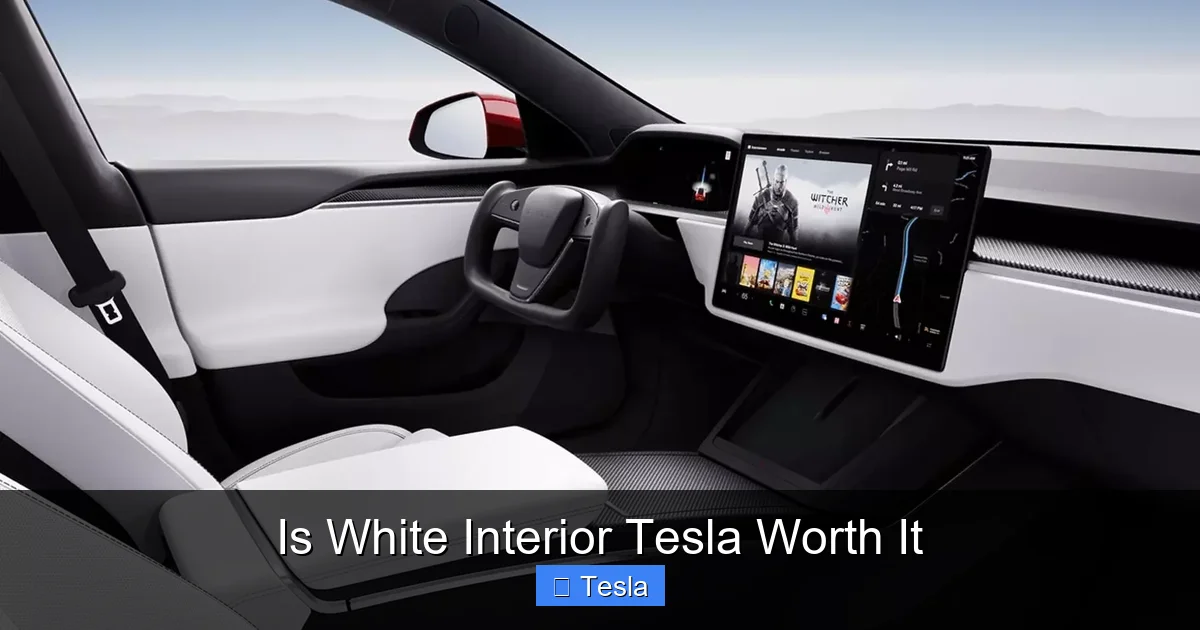
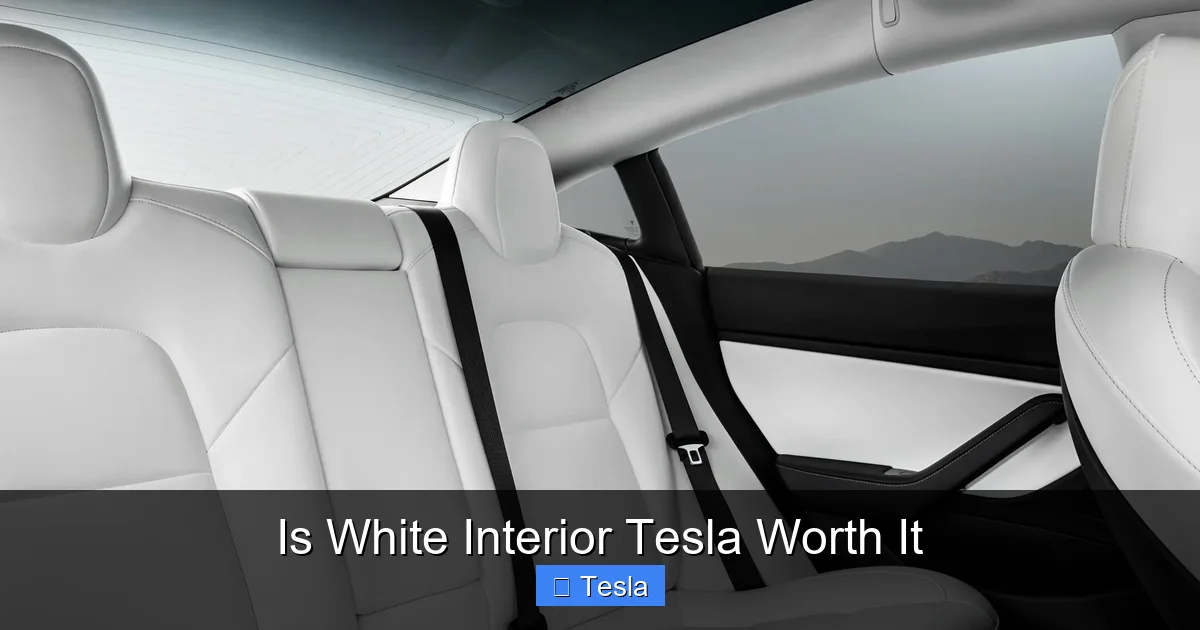
Let’s be honest. When you picture a Tesla, especially a Model 3 or Model Y, the image that often pops into your head is that stunning, airy, almost Scandinavian-inspired white interior. It’s the picture of minimalist futurism. That bright, clean cabin isn’t just an option; for many, it’s the signature look. It makes the car feel larger, more open, and incredibly premium. Stepping into a white-interior Tesla feels like entering a concept car, a silent, sleek pod that’s ahead of its time. This aesthetic power is the primary driver for buyers choosing it. It’s a statement. It says you appreciate design, you’re not afraid of a little attention, and you value a unique, light-filled space over the traditional, safe black.
But here’s the crucial question we’re unpacking: Is that stunning first impression worth the long-term reality? The white interior is famously, almost notoriously, high-maintenance. It’s a constant conversation in Tesla forums, owner groups, and review videos. To answer “is it worth it?” we need to move beyond the showroom glow and into the trenches of daily ownership—spilled coffee, denim stains, kids’ sticky fingers, and the relentless sun. We’ll break down the cold, hard facts of durability, the real costs of upkeep, and who this interior truly serves.
Beauty and the Stain: The Unforgiving Nature of White Vegan Leather
The Science of Staining: Why White is Different
Tesla’s “Premium” interior, whether black or white, is a synthetic material often called vegan leather. It’s not traditional leather. Its surface is a polyurethane blend designed for durability and ease of cleaning—in theory. The problem with white is that it’s a reflector, not a concealer. Every single mark, every faint transfer of dye, every bit of dust becomes a visible event. Dark jeans? The indigo dye can transfer onto the white seats after just a few hours of driving, leaving a faint blue-grey shadow. A black pen cap left in a pocket? It can leave a permanent mark. Even certain sunscreens or lotions can cause discoloration over time. The material’s porosity means it doesn’t just sit on the surface; some substances can bond with it, making removal a battle.

Visual guide about Is White Interior Tesla Worth It
Image source: i.ytimg.com
The Daily Grind: A Realistic Maintenance Routine
Owning a white interior isn’t a “set it and forget it” deal. It’s a discipline. Here’s a realistic weekly routine for a conscientious owner:
- Vacuuming: At least once a week, using a soft brush attachment to remove abrasive dirt and grit that can scratch the surface.
- Wiping Down: A damp microfiber cloth (microfiber is non-negotiable) for daily dust and light smudges. Never use paper towels; they can scratch.
- Deep Cleaning: Every 2-4 weeks, a proper clean with a dedicated, pH-neutral interior cleaner designed for synthetic leather. This involves agitating the material gently with a soft brush, then extracting the dirt with a vacuum or damp cloth.
- Stain Response: Any spill—coffee, juice, ink—must be addressed immediately. Blot, don’t rub. Use a specific cleaner for the substance. Letting it sit for even an hour can set the stain forever.
Contrast this with a black interior, where a weekly vacuum and a monthly wipe-down might be sufficient to keep it looking presentable. The time investment is significant. For a white interior owner, that 30-minute deep clean every few weeks is non-negotiable. It’s a hidden cost in the form of your time and specialized cleaning supplies.
Durability and Long-Term Wear: Does It Hold Up?
The Seat Bolster Challenge
The most vulnerable areas on any car seat are the bolsters—the side parts you slide over when entering and exiting. These areas experience constant friction from clothing, especially denim, bags, and belts. On a white interior, this friction leads to two main issues: abrasion and transferred dye. Over time, the constant rubbing can wear away the surface texture, creating a slightly shiny, worn patch. More commonly, the dye from dark fabrics literally gets ground into the material. You might see distinct, crescent-shaped marks on the lower side bolsters from where your jeans rub. While a thorough cleaning can sometimes lighten these, they often become a permanent part of the seat’s character, much to the owner’s chagrin.
Visual guide about Is White Interior Tesla Worth It
Image source: electrek.co
Sun Exposure and Fading
Tesla’s panoramic glass roof is a wonder, flooding the cabin with light. But that UV exposure is a sworn enemy of white interiors. While the material is UV-treated, prolonged, direct sunlight—especially in hot climates—can cause gradual yellowing or overall dulling of the white panels and seats. This isn’t a dramatic fade but a slow, steady loss of that crisp, bright “new white” look, turning it into a warmer, off-white shade. Using a sunshade when parked is absolutely critical to slow this process. A black interior, by contrast, will simply get hot; it won’t change color as noticeably from sun exposure.
Repair and Reconditioning Limitations
Here’s a sobering fact: there is no practical, cost-effective way to “re-dye” or fully restore Tesla’s vegan leather seats to their original factory white if they become permanently stained or discolored. You can clean them extensively, but you cannot reset the material’s base color. For severe damage, Tesla’s official solution is a full seat cover replacement, which is exceedingly expensive—often thousands of dollars. This is a key difference from traditional leather, which can sometimes be refinished. The white interior is, in many ways, a disposable aesthetic; its value is in its pristine condition, which is difficult to maintain indefinitely.
The Resale Value Equation: A Niche Appeal
This is where things get interesting and highly speculative. In the used Tesla market, a white interior is a classic “love it or hate it” feature. On one hand, it signals a car that was likely pampered. A well-maintained white interior tells a story of an owner who was meticulous, which can be a major plus for a discerning buyer. It also stands out in listing photos, potentially attracting more clicks from buyers specifically seeking that look.
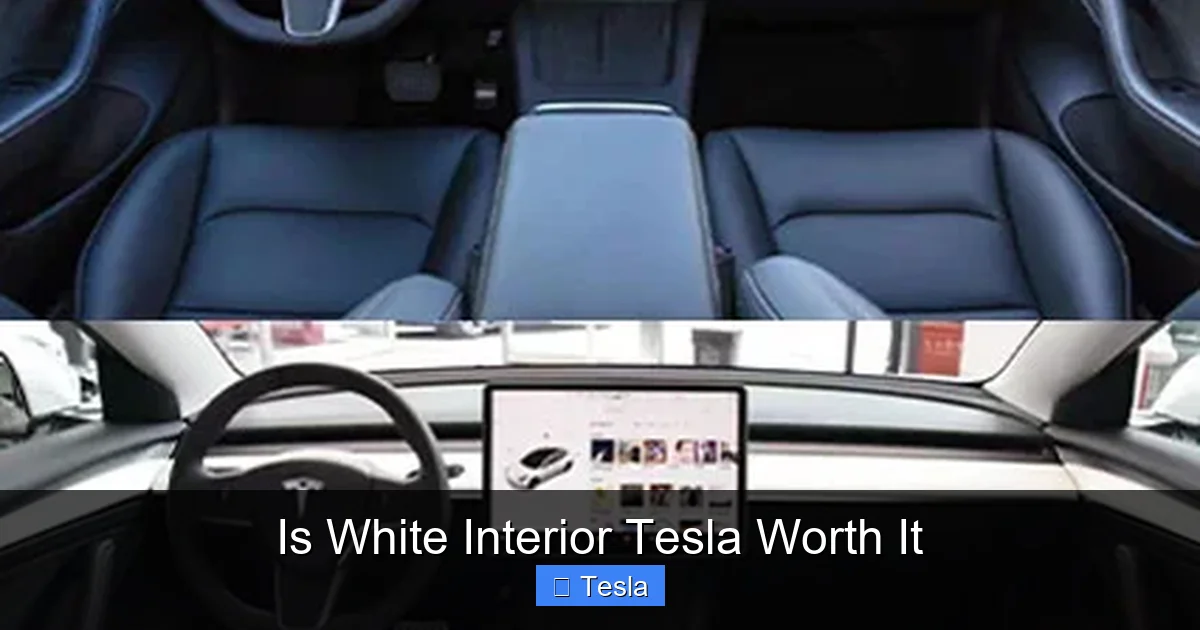
Visual guide about Is White Interior Tesla Worth It
Image source: teslashooters.com
On the other hand, many practical buyers—especially families—see a white interior and immediately think “no way.” The perceived hassle is a deal-breaker. This can shrink your pool of potential buyers. In a market with ample inventory, a white interior might sit on the market longer than an identical car with a black interior. However, when the right buyer comes along—someone who values aesthetics over all else—they may be willing to pay a slight premium for the pristine, bright cabin. The net effect on resale value is neutral to slightly negative on average, but with high variance. It’s not a guaranteed value-killer like a salvage title, but it’s not a guaranteed value-booster like a rare color combination either. Its worth is entirely in the eye of the beholder.
The $1,000+ Question: Is the Premium Justified?
Let’s talk numbers. Choosing the white interior (which includes the white seats, door panels, and sometimes steering wheel) typically adds $1,000 to $1,500 to the purchase price of a new Tesla. That’s a significant sum for a cosmetic choice. To determine if it’s “worth it,” you must assign a dollar value to your personal priorities.
- If you value low-effort ownership: The premium is absolutely not worth it. The ongoing cost of time, cleaning supplies, and potential stress far outweighs the initial aesthetic joy. You’re paying a premium for a feature that demands more of you.
- If you are a design enthusiast who enjoys a ritual: The premium might be worth it. If you find satisfaction in meticulously caring for your car’s interior, if the bright cabin genuinely improves your mood every time you drive, then that $1,000 is buying you daily happiness. It’s an experience upgrade, like paying more for a better sound system.
- If you plan to keep the car for 3-5 years and sell privately: The premium is likely not recouped. You’ll spend the $1,000+ upfront and likely not see a corresponding increase in sale price, while having endured the maintenance headache. The financial return is poor.
- If you lease the car: This is where the white interior makes the most sense for some. You’re only committed for 2-3 years. You get to enjoy the pristine new look for the term of the lease, and the long-term durability concerns and resale value impact are the leasing company’s problem. You pay the premium upfront but avoid the long-term heartache of a stained interior you have to sell.
Think of it as a luxury tax for a fragile beauty. You’re not just buying a color; you’re buying a commitment.
Who is the White Interior Tesla Actually For? A Lifestyle Audit
Forget the brochures. Let’s get real about your life. The white interior is not for everyone. Here’s a brutally honest checklist:
- ✅ YES, if you are: A single person or a couple without young children. You have a dedicated garage. You are a neat freak who already enjoys detailing your car. You wear light-colored clothing most of the time. You live in a mild, low-dust climate. You plan to lease. You view your car as a “toy” or a second vehicle, not a primary family hauler.
- ❌ NO, if you are: A parent of toddlers or young kids (spills, sticky hands, marker accidents are inevitable). A pet owner (fur, muddy paws, drool). Someone who frequently wears dark jeans or works in a dirty environment. You park on the street or in an uncovered lot. You live in a very dusty or sandy area. You are the type who sees “mess” and feels anxiety. You plan to keep this car for 8+ years as your daily driver.
There is no middle ground here. The white interior is a high-maintenance choice that amplifies the messiness of life. If your lifestyle has even a moderate potential for interior grime, you will fight a constant, losing battle. The joy of the bright cabin will be overshadowed by the stress of the next stain.
Practical Tips If You Go White: Mitigating the Headaches
If, after all this, you’re still drawn to the white and decide to take the plunge, you are not powerless. There are strategies to protect your investment:
Seat Covers: The Controversial Savior
Full-seat covers are the most effective way to prevent 95% of stains and wear. The downside? They completely hide the very interior you paid for. For many, this defeats the purpose. However, consider partial seat covers or waterproof seat protectors that only cover the main seating surface and bolsters, leaving the sides and backs exposed for aesthetics. Brands like cover manufacturers that specialize in Tesla offer custom-fit options. It’s a compromise: you sacrifice some original look for vastly reduced maintenance.
The Essential Toolkit
You must own these items and keep them in your car:
- Microfiber Cloths: Dozens of them. Use clean ones for every wipe-down to avoid grinding dirt in.
- Dedicated Interior Cleaner: Something like Chemical Guys InnerClean, Griot’s Garage Interior Cleaner, or Tesla’s own recommended products. Avoid household cleaners and Armor All-type shiny sprays; they can degrade the material.
- Soft-Bristled Brushes: For agitating dirt in seams and textures without damage.
- Stain Removal Pens/Gels: For immediate response to specific spills (ink, grease, etc.).
- A Quality Vacuum: With a soft brush attachment for your home garage.
Sun Protection is Non-Negotiable
Park in shade or a garage whenever possible. Invest in a high-quality, custom-fit windshield sunshade. It’s the single best thing you can do to prevent UV yellowing and keep the cabin temperature down, which also reduces the “sticky” feel of the seats in summer.
Mind Your Wardrobe
Be conscious of what you wear. Dark denim is the number one cause of transferred dye. Consider changing into light-colored pants or using a thin seat protector (like a towel) if you must drive in dark jeans after a long day. It’s an extra step, but a necessary one for preservation.
The Final Verdict: A Personal Choice Wrapped in Practicality
So, is a white interior Tesla worth it? The answer is a resounding “It depends.” It’s not a question of good vs. bad, but of fit vs. friction. If the image of that bright, minimalist cabin makes your heart skip a beat and you have the discipline, lifestyle, and garage space to maintain it, then yes, it can be worth every penny of the premium. The daily visual reward is real and unique.
However, if you value convenience, have a messy life (kids, pets, hobbies), or simply don’t want to think about your car’s interior color, then the white interior is a trap. The $1,000+ premium buys you a feature that will cause you ongoing stress and require a time commitment you may not have. The “worth” evaporates the first time a permanent stain appears despite your best efforts. For these people, the black interior isn’t boring—it’s freedom. It’s the freedom to live your life in your car without watching every movement like a hawk.
Before you order, do this: spend 30 minutes in a white interior Tesla on a hot day. Touch the seats. Spill a little water on it and try to wipe it up. Then, imagine that water was red wine or a child’s juice box. Be honest with yourself. The most beautiful car in the world is the one you don’t resent maintaining. Choose wisely.
Frequently Asked Questions
Will the white Tesla interior turn yellow over time?
Yes, prolonged exposure to UV rays and heat can cause the white vegan leather to gradually yellow or dull, losing its crisp “new white” look. Using a sunshade and parking in shade/garage is critical to slow this process significantly.
Can stains on a white Tesla interior be removed permanently?
It depends on the stain. Light, fresh spills can often be fully removed with proper cleaners and technique. However, set-in stains, dye transfers from dark clothing, and discoloration from sun exposure are usually permanent. There is no safe, effective way to “re-dye” the material back to factory white.
Is a white interior Tesla harder to sell than a black one?
It can be. It narrows your buyer pool to those who specifically want the white look and are willing to accept the maintenance. While it may attract a premium from the right buyer, it often takes longer to sell and may fetch a slightly lower price on average compared to a conservative black interior in the same condition.
Does Tesla offer any warranty or protection plan for the white interior?
The interior is covered under the standard New Vehicle Limited Warranty for defects in materials or workmanship (typically 4 years/50,000 miles). However, this does not cover normal wear, staining, or damage from use. Tesla does not offer a specific “interior protection” warranty for cosmetic wear. For peace of mind, some owners consider third-party aftermarket protection plans, but they vary widely in coverage.
Should I get seat covers for my white interior Tesla?
Seat covers are the most effective protection against stains and wear. The major downside is they hide the premium interior you paid for. If you prioritize long-term pristine condition over showing off the original design, high-quality, custom-fit seat protectors (not cheap universal ones) are a very smart investment, especially if you have kids or pets.
How much more does a white interior cost compared to black?
The “White” interior option typically adds $1,000 to $1,500 to the purchase price of a new Tesla Model 3 or Model Y, depending on the specific model year and configuration. This premium is for the entire package, including the white seats, door panels, and often the steering wheel.