
How to Use a Tire Thumper

Using a tire thumper is a quick, reliable way to check your tires’ air pressure and overall condition without needing a gauge. It’s especially useful for truckers, RVers, and off-roaders who need fast feedback on the road. With a few simple techniques, you can master this tool and keep your tires in top shape.
Key Takeaways
- What a tire thumper is: A handheld rubber mallet used to tap tires and listen for sound differences that indicate proper or low air pressure.
- Why it’s useful: It provides instant feedback on tire condition, especially when a pressure gauge isn’t available or practical.
- How to use it correctly: Strike the tire firmly at the tread surface and listen for a solid “thud” (good) vs. a dull or hollow sound (low pressure).
- Best for specific vehicles: Ideal for large tires on trucks, RVs, trailers, and off-road vehicles where visual inspection isn’t enough.
- Safety first: Always inspect tires visually and with a gauge when possible—don’t rely solely on the thumper for critical decisions.
- Maintenance tips: Store your thumper in a dry place and clean it regularly to ensure consistent performance.
- Complement, not replace: Use the thumper as a quick check, but always follow up with a digital or analog tire pressure gauge for accuracy.
📑 Table of Contents
- What Is a Tire Thumper and Why Should You Use One?
- How a Tire Thumper Works: The Science Behind the Sound
- Step-by-Step Guide: How to Use a Tire Thumper
- When and Where to Use a Tire Thumper
- Safety Tips and Best Practices
- Common Mistakes to Avoid
- Maintenance and Care for Your Tire Thumper
- Conclusion: Master the Thumper, Master Your Tires
What Is a Tire Thumper and Why Should You Use One?
If you’ve ever seen a truck driver or RV owner tapping their tires with a rubber mallet, you’ve witnessed the tire thumper in action. This simple yet effective tool has been a staple in the transportation and outdoor recreation industries for decades. But what exactly is a tire thumper, and why should you consider adding one to your vehicle maintenance toolkit?
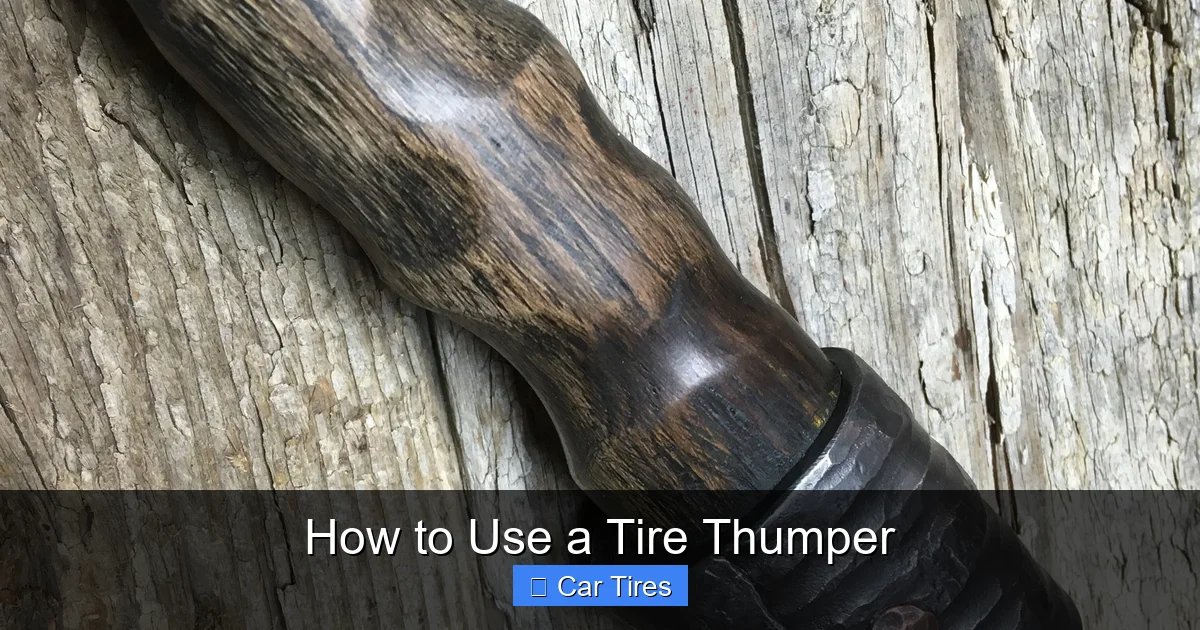
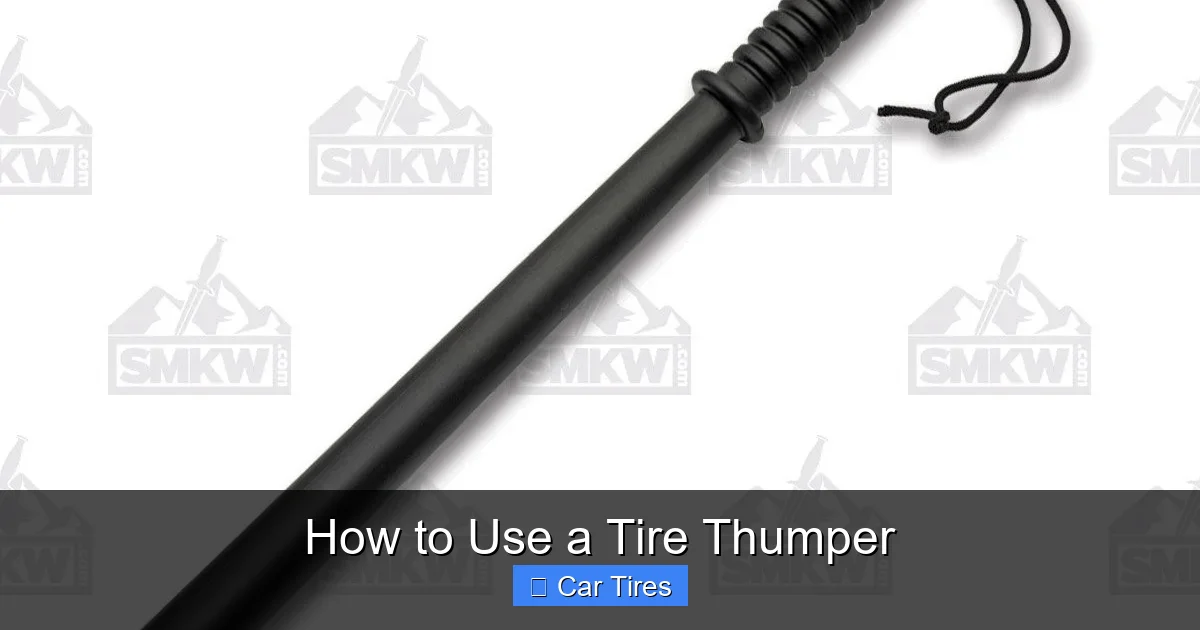
A tire thumper is a handheld device—usually made of dense rubber or composite material—that looks like a small hammer or mallet. Its purpose is to help drivers assess tire pressure and condition by striking the tire and listening to the sound it makes. When used correctly, the thumper can give you a surprisingly accurate sense of whether your tires are properly inflated, underinflated, or even damaged.
Unlike digital tire pressure gauges, which require batteries and precise alignment, a tire thumper works instantly and doesn’t rely on electronics. It’s especially valuable in remote areas, during long road trips, or when you need a fast check before hitting rough terrain. For off-road enthusiasts, overlanders, and commercial drivers, the thumper is often the first line of defense against tire-related issues.
But here’s the catch: the tire thumper isn’t magic. It doesn’t measure PSI. Instead, it helps you detect changes in tire firmness through sound and feel. That’s why it’s best used as a preliminary check—something you do before pulling out your gauge for a precise reading.
In this guide, we’ll walk you through everything you need to know about using a tire thumper: how it works, when to use it, step-by-step techniques, safety tips, and how to interpret what you hear. Whether you’re a weekend camper, a full-time RVer, or just someone who wants to keep their tires in great shape, mastering the tire thumper can save you time, money, and trouble down the road.
How a Tire Thumper Works: The Science Behind the Sound
Visual guide about How to Use a Tire Thumper
Image source: i.etsystatic.com
At first glance, using a tire thumper might seem like guesswork. But there’s actually a solid scientific principle behind it. When you strike a properly inflated tire with a thumper, the air inside the tire compresses and rebounds quickly, creating a sharp, solid “thud.” This sound indicates that the tire is firm and holding air as it should.
On the other hand, if a tire is underinflated, the sidewalls flex more than they should. When you hit it, the sound is duller, flatter, or even hollow—like tapping a drum with too much slack. This change in acoustics happens because the air inside isn’t under enough pressure to create a quick rebound. The tire absorbs more of the impact, and the sound loses its crispness.
The key to using a tire thumper effectively is training your ear to recognize these differences. It’s not about volume—it’s about tone and resonance. A well-inflated tire will produce a clean, percussive sound. A soft tire will sound muted or “thumpy” (hence the name).
Factors That Affect the Sound
Several variables can influence how a tire sounds when thumped:
- Tire size and type: Larger tires, like those on RVs or trailers, produce deeper sounds. Off-road tires with aggressive tread may sound slightly different due to their design.
- Load and weight: A heavily loaded tire may sound firmer even if it’s slightly underinflated, because the weight compresses the air.
- Temperature: Cold tires (especially in winter) may sound slightly duller due to reduced air pressure from temperature drop. Always check tires when they’re cold for the most accurate reading.
- Tread wear: Worn tires may not rebound as quickly, affecting the sound even if pressure is correct.
Understanding these factors helps you interpret the thumper’s feedback more accurately. It’s not a one-size-fits-all tool—it requires a bit of practice and awareness.
Why Sound Matters More Than Force
One common mistake beginners make is hitting the tire too hard or too softly. The goal isn’t to smash the tire—it’s to deliver a consistent, firm strike that produces a clear sound. Overdoing it can damage the tire or give misleading results. Too light, and you won’t get enough feedback.
The ideal technique is a controlled, confident tap—like knocking on a door. You want enough force to create a distinct sound, but not so much that you’re testing the tire’s structural limits. With practice, you’ll develop a feel for the right amount of pressure.
Step-by-Step Guide: How to Use a Tire Thumper
Visual guide about How to Use a Tire Thumper
Image source: cdn11.bigcommerce.com
Now that you understand the basics, let’s walk through the actual process of using a tire thumper. Follow these steps for the best results.
Step 1: Prepare Your Tires
Before you start thumping, make sure your tires are ready for inspection:
- Park on a level surface and engage the parking brake.
- Ensure the vehicle is cool—tires should not be hot from recent driving. Heat increases air pressure, which can skew your results.
- Remove any mud, snow, or debris from the tire surface. A clean tire gives clearer feedback.
- If you’re checking multiple tires, start with the one you suspect might be low, or go in a logical order (e.g., front left, front right, rear left, rear right).
Step 2: Hold the Thumper Correctly
Grip the thumper like you would a hammer—firmly, but not tightly. Your wrist should be relaxed so you can deliver a smooth, controlled swing. The head of the thumper should be parallel to the tire surface when it makes contact.
Avoid gripping too close to the head, as this reduces control. Hold it near the end of the handle for maximum leverage and precision.
Step 3: Choose the Right Spot to Strike
Aim for the center of the tread—not the sidewall or shoulder. The tread is the firmest part of the tire and gives the most reliable sound. Hitting the sidewall can produce misleading results because it’s naturally more flexible.
For large tires (like on an RV or trailer), you may want to strike in multiple spots around the circumference to check for consistency. A properly inflated tire should sound the same all the way around.
Step 4: Deliver the Strike
Swing the thumper in a short, controlled arc—like a mini golf putt. Let the weight of the tool do most of the work. Don’t force it.
Aim for a firm, consistent tap. You’re not trying to break anything—just create a clear sound. Listen carefully immediately after impact.
Step 5: Listen and Interpret the Sound
Here’s what to listen for:
- Solid “thud”: This is what you want to hear. It means the tire is firm and likely properly inflated.
- Dull or flat sound: Indicates low pressure. The tire isn’t rebounding quickly, suggesting it needs air.
- Hollow or echoing sound: Could mean severe underinflation or internal damage (like a separated belt). Proceed with caution.
- Inconsistent sounds around the tire: May point to uneven wear, a puncture, or a slow leak.
If you hear something unusual, don’t ignore it. Follow up with a visual inspection and a pressure gauge.
Step 6: Compare Tires
After checking one tire, move to the next and compare the sounds. Ideally, all tires on the same axle should sound similar. If one sounds noticeably different, it’s a red flag.
For example, if your front left tire gives a solid thud but the front right sounds dull, the right tire likely needs air—even if it looks fine visually.
Step 7: Confirm with a Gauge
Never rely solely on the thumper for final decisions. Always follow up with a tire pressure gauge to get an accurate PSI reading. The thumper tells you *something’s off*—the gauge tells you *how much*.
This two-step process gives you both speed and precision.
When and Where to Use a Tire Thumper

Visual guide about How to Use a Tire Thumper
Image source: cdn11.bigcommerce.com
The tire thumper shines in specific situations where quick, on-the-spot checks are more valuable than precision.
On the Road or Off the Beaten Path
If you’re driving through remote areas—like national parks, deserts, or mountain trails—you might not have access to air pumps or service stations. A tire thumper lets you assess your tires before and after rough terrain. Did that rocky trail damage a tire? Did the heat cause a pressure drop? A quick thump can give you peace of mind.
Before and After Long Trips
Before hitting the highway for a cross-country RV trip or a long-haul trucking route, use the thumper to do a quick walk-around check. It’s faster than pulling out a gauge for every tire, especially on large vehicles with eight or more wheels.
After the trip, thump again to see if any tires lost pressure along the way.
During Seasonal Changes
Air pressure drops about 1 PSI for every 10°F drop in temperature. In winter, your tires may feel softer even if they were properly inflated in summer. A thumper can help you detect these changes early—before you’re stranded with a flat.
For Trailers and RVs
Trailers and RVs often have multiple tires that are hard to inspect visually. A thumper lets you check all of them quickly, even in tight spaces. It’s especially useful for fifth wheels, travel trailers, and boat trailers.
As a Teaching Tool
New drivers or mechanics-in-training can use the thumper to learn how tire pressure affects sound and feel. It’s a hands-on way to understand tire behavior without needing advanced tools.
Safety Tips and Best Practices
While the tire thumper is a simple tool, using it safely and effectively requires attention to detail.
Don’t Rely on It Alone
The thumper is a diagnostic aid, not a replacement for proper tire maintenance. Always use a calibrated tire pressure gauge for accurate readings. The thumper tells you *something’s different*—the gauge tells you *what to do about it*.
Inspect Visually First
Before thumping, look at the tire. Check for:
- Visible damage (cuts, bulges, nails)
- Uneven wear patterns
- Cracks in the sidewall
- Low tread depth
If you see any of these, the thumper result may be misleading. Address the issue before relying on sound alone.
Avoid Over-Thumping
Repeatedly hitting the same spot can damage the tire, especially if it’s already weak. Use the thumper sparingly—once or twice per tire is usually enough.
Use the Right Thumper
Not all rubber mallets are created equal. Look for a tire thumper specifically designed for this purpose. They’re typically heavier and denser than standard mallets, which helps produce a clearer sound.
Avoid using metal tools or hard plastic hammers—they can damage the tire and give false readings.
Store It Properly
Keep your thumper in a dry, cool place. Exposure to extreme heat or cold can degrade the rubber over time. If it becomes brittle or cracked, replace it.
Train Your Ear
The more you use the thumper, the better you’ll get at interpreting sounds. Practice on known-good tires to build your baseline. Over time, you’ll be able to detect subtle changes with confidence.
Common Mistakes to Avoid
Even experienced users can fall into traps when using a tire thumper. Here are some common pitfalls and how to avoid them.
Thumping Hot Tires
Tires heat up during driving, which increases internal pressure. If you thump a hot tire, it may sound firmer than it actually is. Always check tires when they’re cold—ideally, before driving or after the vehicle has sat for several hours.
Ignoring Visual Cues
A tire might look fine but still be underinflated. Conversely, a slightly underinflated tire might not look flat at all. Don’t skip the visual inspection—combine it with the thumper for a complete assessment.
Using Inconsistent Technique
If you hit one tire softly and another hard, the sounds won’t be comparable. Develop a consistent striking method and stick to it every time.
Overreacting to Minor Differences
Not every sound variation means a problem. Slight differences can be due to tread design, load distribution, or temperature. Use the thumper to flag potential issues—not to diagnose them definitively.
Forgetting to Check All Tires
It’s easy to focus on one tire and forget the others. Make it a habit to check every tire on the vehicle, especially on multi-axle setups.
Maintenance and Care for Your Tire Thumper
Like any tool, your tire thumper needs a little TLC to perform well over time.
Clean It Regularly
After use, wipe down the thumper with a damp cloth to remove dirt, grease, or debris. This prevents buildup that could affect sound quality.
Inspect for Damage
Check the head and handle for cracks, splits, or wear. A damaged thumper won’t deliver consistent strikes and may give false readings.
Store It Safely
Keep it in a toolbox, glove compartment, or mounted in your vehicle. Avoid leaving it exposed to the elements, especially direct sunlight, which can dry out rubber.
Replace When Necessary
If your thumper becomes too worn or loses its density, it’s time for a new one. A quality thumper can last years with proper care, but don’t push it past its limits.
Conclusion: Master the Thumper, Master Your Tires
The tire thumper may seem like a relic from the past, but it’s far from obsolete. In a world of digital gauges and smart sensors, this simple tool offers something unique: speed, reliability, and a direct connection to your vehicle’s condition.
By learning how to use a tire thumper correctly, you gain a valuable skill that can help you catch problems early, avoid blowouts, and extend the life of your tires. It’s not about replacing modern technology—it’s about complementing it with a time-tested method that works when you need it most.
Whether you’re a weekend warrior, a full-time traveler, or just someone who wants to stay safe on the road, the tire thumper deserves a place in your toolkit. With practice, you’ll develop an ear for tire health that no app can match.
So grab your thumper, give your tires a tap, and listen closely. That sound could be the first warning sign—or the confirmation that everything’s running smoothly. Either way, you’re one step ahead.
Frequently Asked Questions
Can a tire thumper replace a tire pressure gauge?
No, a tire thumper cannot replace a tire pressure gauge. While it’s great for detecting changes in tire firmness, it doesn’t measure PSI. Always use a gauge for accurate pressure readings.
Is it safe to use a tire thumper on all types of tires?
Yes, but it’s most effective on larger tires like those on trucks, RVs, and trailers. It can be used on passenger car tires, but the sound differences may be harder to detect due to smaller size.
How often should I use a tire thumper?
Use it during routine checks—before long trips, after off-roading, or when temperatures change significantly. It’s a quick way to spot potential issues early.
What does a “hollow” sound mean when thumping a tire?
A hollow or echoing sound often indicates severe underinflation or internal damage, such as a separated belt. Inspect the tire immediately and check pressure with a gauge.
Can I use a regular rubber mallet as a tire thumper?
You can, but a dedicated tire thumper is heavier and designed for consistent sound production. Regular mallets may not give reliable results.
Do I need to thump every tire on my vehicle?
Yes, especially on multi-axle vehicles like RVs and trailers. Comparing sounds across all tires helps you spot inconsistencies and potential problems.
