How to Unlock Passenger Door Tesla

Contents
- 1 Key Takeaways
- 2 📑 Table of Contents
- 3 Understanding Your Tesla’s Door System: It’s Not Like Other Cars
- 4 Standard Unlocking Methods: Your First Line of Defense
- 5 Manual Override: The Essential Emergency Skill
- 6 Troubleshooting: Why Won’t My Passenger Door Unlock?
- 7 Emergency Scenarios: When You’re Truly Locked Out
- 8 Preventative Tips: Never Get Locked Out Again
- 9 Conclusion: Confidence Through Knowledge
- 10 Frequently Asked Questions




Unlocking a Tesla passenger door is usually simple with the key fob or smartphone app, but knowing the manual override is crucial for dead batteries or system glitches. This guide covers all methods for every Tesla model, troubleshooting tips, and emergency solutions if you’re locked out. Always check for child locks and ensure your key fob battery is healthy to prevent lockouts.
Hey there! So you’re standing by your Tesla, groceries in hand, and the passenger door just won’t budge. Frustrating, right? You press the key fob, tap your phone, and… nothing. Before you panic, take a breath. Unlocking a Tesla passenger door is designed to be intuitive, but like any tech, it has its quirks and backup plans. This guide will walk you through every single method, from the everyday to the “oh no” scenarios, for all Tesla models. Whether you drive a Model 3, Model Y, Model S, or Model X, we’ve got you covered. Let’s get that door open.
Key Takeaways
- Primary Methods: Use your Tesla key fob, the Tesla mobile app, or PIN to Drive to unlock the passenger door from the outside.
- Manual Override: Every Tesla has a hidden mechanical key slot in the driver’s door handle for emergency unlocking, which also unlocks all other doors.
- Child Lock Awareness: The rear child safety lock can prevent the passenger door from opening from the inside; always check the settings if a door won’t open.
- System Glitches: If electronic locks fail, a 12V battery reset or manual override is your solution—the main battery being disconnected does not lock you out.
- No Traditional Tools: You cannot use a slim jim or coat hanger on a Tesla; the door handles are flush and sealed, making non-destructive entry nearly impossible without the override.
- Prevention is Key: Maintain your key fob battery, keep your phone charged, and familiarize yourself with the manual override location to avoid lockouts.
- Professional Help: In true emergencies, a Tesla-certified technician or roadside assistance is your safest, most cost-effective bet to avoid damage.
📑 Table of Contents
- Understanding Your Tesla’s Door System: It’s Not Like Other Cars
- Standard Unlocking Methods: Your First Line of Defense
- Manual Override: The Essential Emergency Skill
- Troubleshooting: Why Won’t My Passenger Door Unlock?
- Emergency Scenarios: When You’re Truly Locked Out
- Preventative Tips: Never Get Locked Out Again
- Conclusion: Confidence Through Knowledge
Understanding Your Tesla’s Door System: It’s Not Like Other Cars
First, a quick mindset shift. Teslas don’t have traditional key cylinders. They’re fully keyless entry systems controlled by wireless signals. The passenger door, just like the driver’s door, listens for a valid signal from your paired key fob or smartphone via Bluetooth. When it receives that signal, a small motor inside the door actuator unlocks the latch. Simple in concept, but this electronic reliance means different failure points than a car with a physical key.
The Role of the 12V Battery
Here’s a critical piece of Tesla anatomy many owners overlook: the small 12V auxiliary battery. This little battery powers all the car’s low-voltage systems—door locks, windows, lights, and the computer that talks to your key fob. If this 12V battery dies completely, everything electrical shuts down, including the door lock actuators. The good news? A dead 12V battery does not engage the steering wheel lock or prevent manual override. The bad news? Your fancy app and key fob become useless paperweights until the 12V is jumped or replaced. This is different from a conventional car, where a dead key fob battery is the usual culprit.
Model-Specific Handle Designs
How you access the manual override depends on your Tesla’s door handle style:
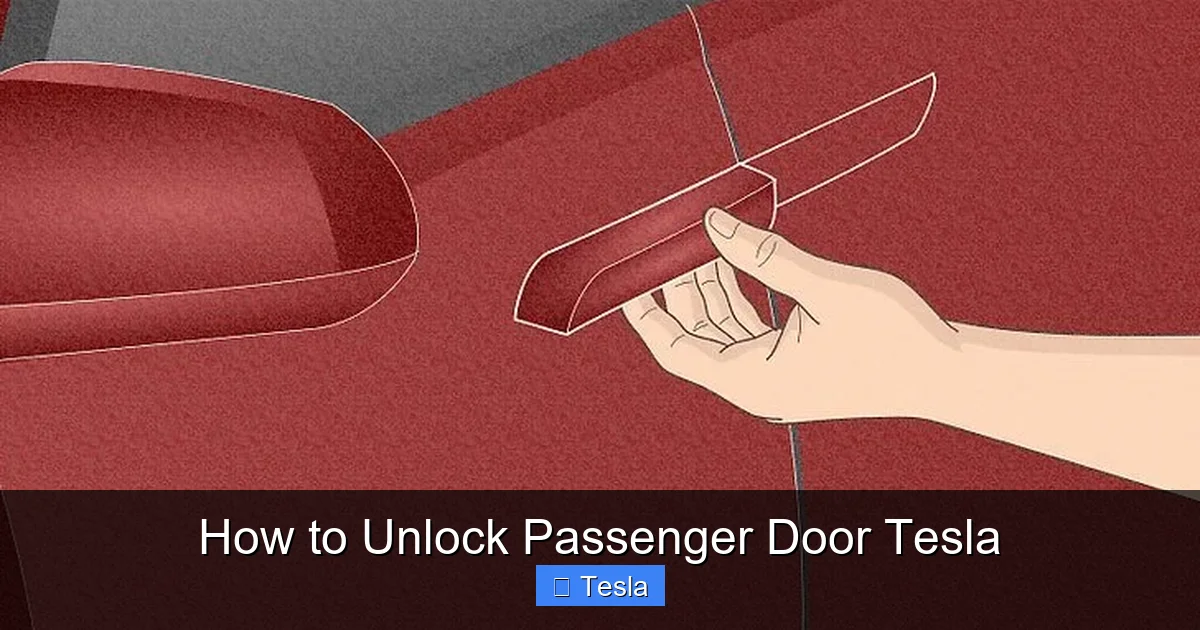
- Model 3 & Model Y: These have flush, push-button handles. The manual key slot is hidden under a small rectangular cap on the driver’s side handle only.
- Model S & Model X (Refresh): These have updated flush handles. The manual key slot is also on the driver’s side handle, beneath a removable cover.
- Model S & Model X (Pre-Refresh): These have the classic, protruding “door handle” design. The manual key slot is integrated into the handle itself on the driver’s side.
Key Point: There is no manual keyhole on the passenger door, rear doors, or frunk. The driver’s door override is the master key for the entire vehicle.
Standard Unlocking Methods: Your First Line of Defense
Let’s start with the normal, everyday ways to unlock that passenger door. These should work 99% of the time under normal conditions.
Visual guide about How to Unlock Passenger Door Tesla
Image source: wikihow.com
Method 1: The Tesla Key Fob
Your physical key fob is the most reliable tool. It uses a dedicated low-frequency radio signal that doesn’t rely on your phone’s battery or cellular service.
- Simply press the unlock button on the top of the fob once. All doors should unlock, accompanied by a subtle click and the side mirrors unfolding (if enabled).
- If the fob doesn’t work, replace its CR2032 battery. These are cheap and available everywhere. Open the fob by prying the seam with a fingernail or plastic tool, swap the battery, and reassemble.
- If the fob is damaged or lost, you’ll need to pair a new one using a working key or the touchscreen menu (Settings > Security & Safety > Keys). You’ll need your security PIN for this.
Method 2: The Tesla Mobile App
The Tesla app is incredibly powerful. It communicates with the car via Bluetooth when you’re nearby (within ~30 feet) or via the internet from anywhere.
- Open the app and ensure it’s connected to your vehicle (you’ll see the car’s image and status).
- Tap the large unlock icon. The app will confirm “Unlocking…” and then “Unlocked.”
- Pro Tip: If the app says “Connecting…” for a long time, your phone’s Bluetooth might be off, or the car’s 12V system could be in a low-power state. Try unlocking with the fob first to wake the car.
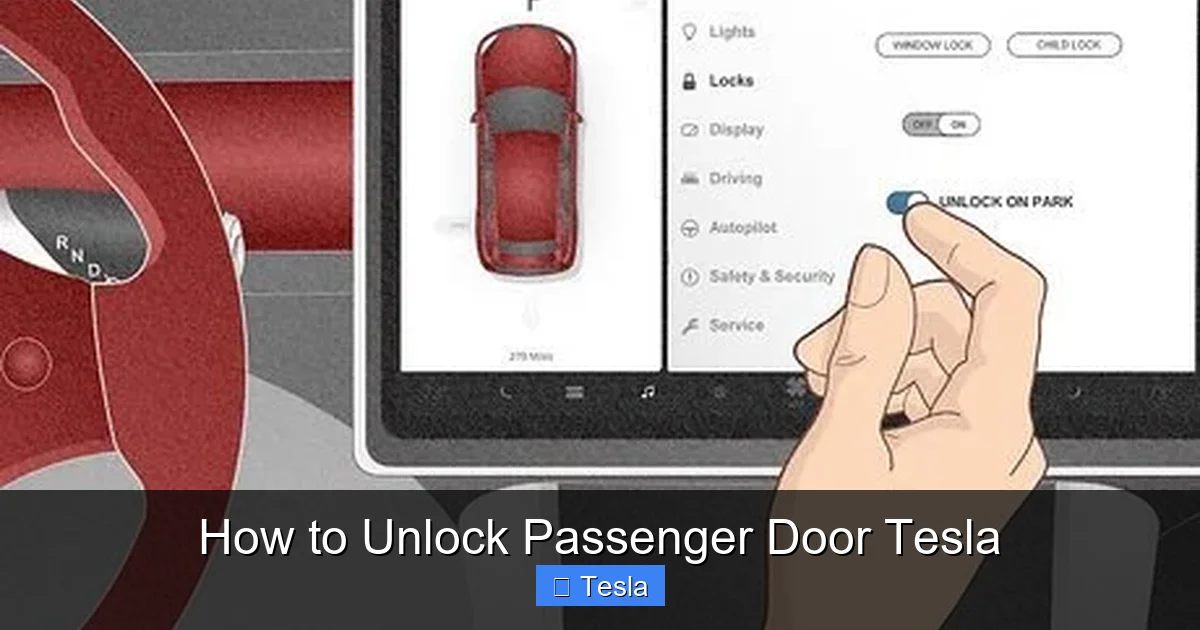
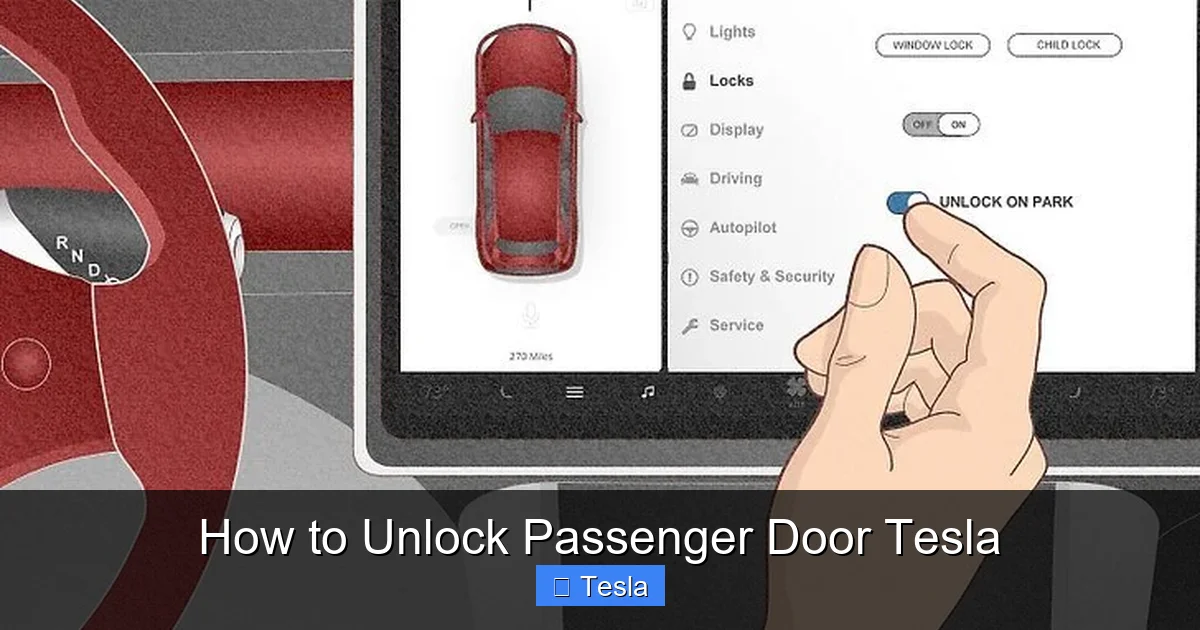
Method 3: PIN to Drive (A Hidden Unlock Feature)
PIN to Drive is a security feature that requires a 4-digit PIN to drive the car. But it also has a handy side effect: when you enter your correct PIN on the touchscreen to enable driving, it automatically unlocks all doors.
- Get in the car through the driver’s door (if unlocked) or via another method.
- On the touchscreen, go to Security & Safety > PIN to Drive.
- Enter your 4-digit PIN. As soon as it’s accepted, you’ll hear all the door locks click open.
- This is a great backup if your fob and phone are both dead, but you can still physically access the driver’s door or frunk.
Manual Override: The Essential Emergency Skill
This is the most important section. When electronics fail—dead 12V battery, crashed module, lost fob—the manual override is your golden ticket. It’s simple but not obvious.
Visual guide about How to Unlock Passenger Door Tesla
Image source: wikihow.com
Finding the Manual Key Slot
As mentioned, the slot is only on the driver’s side door handle. Here’s how to access it for each model:
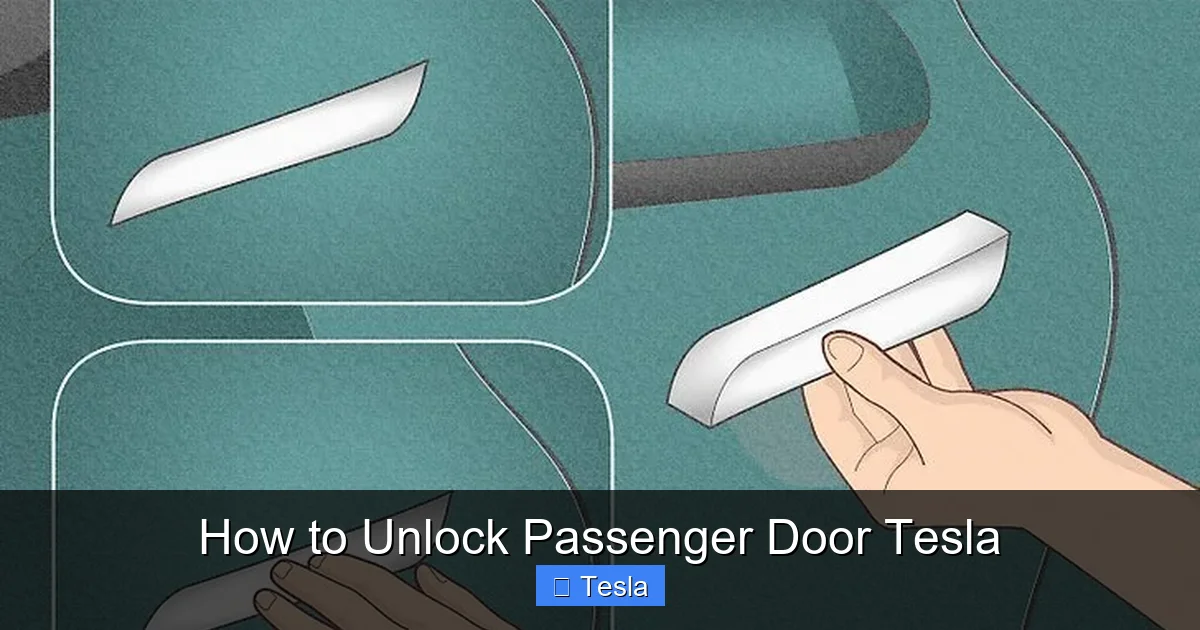
- Model 3/Y: Look at the bottom rear edge of the handle. You’ll see a small, flat rectangular plastic cap. Use your fingernail or a plastic pry tool to gently pop this cap off. Underneath is a circular keyhole.
- Model S/X (Refresh): At the rear bottom of the handle, there’s a small circular plug. Pry it out with a tool to reveal the keyhole.
- Model S/X (Pre-Refresh): The keyhole is visible as a small circle on the side of the protruding handle, near the pivot point. Just insert the key.
Using the Mechanical Key
Your Tesla key fob contains a hidden physical key! Here’s how to get it and use it:
- Extract the Key: On the back of your key fob, there’s a small slider or button. Press/slide it and pull the fob apart. The physical key is stored inside the fob body.
- Unlock the Driver’s Door: Insert the key into the manual slot and turn it clockwise (like a traditional lock). You’ll feel resistance, then a click. The driver’s door will unlock.
- Unlock All Doors: Once inside the car, you can unlock the passenger door and rear doors by pressing the unlock button on the door panel or by pulling the interior door handle (which will now work). Alternatively, simply start the car by pressing the brake pedal; this usually unlocks all doors automatically.
Critical Reminder: This manual key only unlocks the driver’s door latch. It does not start the car. You must have a valid key fob or phone paired inside to drive. But it gets you in to access the interior and charge the 12V battery if needed.
Troubleshooting: Why Won’t My Passenger Door Unlock?
So you’ve tried the fob, the app, and even the manual override? Or maybe the override isn’t working? Let’s diagnose.
Visual guide about How to Unlock Passenger Door Tesla
Image source: wikihow.com
Symptom: Fob/App Do Nothing, No Click Sound
This means the unlock signal isn’t reaching the door actuator.
- Check Key Fob Battery: Replace it. A weak battery has range of just a few inches.
- Check Phone Bluetooth: Is Bluetooth on? Is the Tesla app running in the background? Try force-closing and reopening the app.
- Check 12V Battery: If the car’s headlights, screen, or wipers are also acting weird, the 12V battery is likely dead. You’ll need to jump it (see your owner’s manual for jumper terminal location under the front hood/frunk) or call roadside assistance. A completely dead 12V battery will not allow any electronic unlocking.
- Check for Signal Interference: Are you near powerful radio transmitters, large metal structures, or other EVs? Sometimes signals get blocked. Move a few feet away.
Symptom: You Hear a Click, But Door Stays Locked
The actuator is trying, but the latch mechanism is physically stuck or a child lock is engaged.
- Check Child Locks: On the rear passenger door edge (the part you see when the door is open), there’s a small lever. If it’s in the “locked” (often red) position, the door cannot be opened from the inside. Flip it to unlock. This doesn’t affect outside unlocking, but if someone inside engaged it, they might be confused.
- Ice or Debris: In cold climates, ice can jam the latch. Warm the handle area with your hands or a hairdryer (on low). Gently pull the handle while unlocking to break the ice seal.
- Mechanical Failure: If the latch is broken, you’ll need a service appointment. The manual override will still unlock the driver’s door, but the passenger door latch itself may need replacement.
Symptom: Manual Override Doesn’t Work
This is rare but serious. The manual key should physically turn the lock cylinder regardless of electronics.
- Is the key fully inserted? Make sure it’s seated properly in the slot.
- Is the key broken? The physical key can snap if force is misapplied. Try a different key if you have a spare fob.
- Is the lock cylinder seized? This can happen from lack of use or corrosion. A few gentle wiggles while turning might help. If it’s stuck, you may need a locksmith or service center to drill it out, which is a last resort.
For persistent electronic issues, a soft reboot of the car can help. With the car in Park, press and hold both scroll wheels on the steering wheel until the screen goes black and the Tesla logo reappears (about 30-60 seconds). This restarts the vehicle’s computers without losing settings.
Emergency Scenarios: When You’re Truly Locked Out
These are the stressful situations: keys locked inside, a child accidentally locked the door, or you’re stranded with a dead 12V battery and no tools. Here’s your action plan.
Scenario 1: Keys Locked Inside the Car
This is the classic lockout. Your keys (fob or phone) are on the seat or in the center console, and the passenger door is locked.
- First, try the Tesla App: Even if your phone is the key inside, use a friend’s phone or a spouse’s phone logged into your Tesla account. The app will unlock the car remotely from anywhere with internet.
- Check for a Third Key: Do you have a spare key fob at home? Have someone bring it.
- Use the Manual Override: This is your mechanical escape. Use the hidden key in your fob (if you have the fob on your person) to unlock the driver’s door. Then reach in and press the unlock button on the driver’s door panel to unlock the passenger door. If the fob is also locked inside, this won’t work—you’ll need the app or a spare.
- Call Tesla Roadside Assistance: If you have an active Tesla warranty or insurance that includes roadside, call them. They have master keys that can unlock the driver’s door. They will not break a window.
- Last Resort: Breaking a Window. This should be an absolute last resort. The smallest window is the rear quarter window behind the rear seats. Smashing the front passenger window is expensive and dangerous due to the window regulator and wiring. If you must, use a heavy object like a hammer or emergency escape tool. Be prepared for the cost—replacing a Tesla window can run from $300 to over $1,000 depending on the model and sensor integration.
Scenario 2: Child Lock Engaged or Door Won’t Open from Inside
Someone (often a well-meaning child) flipped the child lock lever on the rear passenger door. Now, from the inside, the handle does nothing. The door is still unlockable from the outside, but if someone is trapped inside, you must unlock it from outside.
- Use any standard method (fob, app) to unlock the door.
- Once unlocked, open the door from the outside. The child lock only prevents inside operation. The person inside can then exit when you open it.
- To disable the child lock permanently, flip the small lever on the door edge back to the unlocked (white) position.
Scenario 3: Dead 12V Battery & No Manual Key Access
Your 12V battery is dead, the car is completely inert, and you don’t have the physical key on you (it’s inside the car or at home).
- Jump Start the 12V Battery: This is the correct fix. You’ll need a friend with a car and jumper cables, or a portable jump starter. The jump points are under the front trunk (frunk) – pop the hood using the emergency release in the front bumper, then locate the positive (+) and negative (-) terminals. Connect, wait a few minutes, then try unlocking with the fob. The 12V will come back to life.
- Access the Frunk Manually: If the 12V is dead, the frunk release button won’t work. But there’s a manual pull cord inside the front bumper tow hook cover. Pop that cover off (it’s tricky), pull the cord, and the frunk will pop open. This gives you access to the jump terminals and the 12V battery itself. This is an advanced, last-ditch procedure.
- Call for Professional Help: A tow truck or Tesla service can provide a 12V jump. This is safer than breaking a window.
Preventative Tips: Never Get Locked Out Again
A little preparation saves major headaches.
- Always Carry the Physical Key: Get in the habit of keeping the key fob’s physical key on your keychain or in your wallet. It’s your ultimate backup.
- Monitor Key Fob Battery: Replace the CR2032 battery every 1-2 years proactively. When the fob’s LED light dims when you press buttons, it’s time.
- Keep Your Phone Charged: Your phone is your key. Don’t let it die. Enable Low Power Mode, but know it doesn’t affect Bluetooth. Consider a portable power bank for long days out.
- Set Up a PIN to Drive: Even if you don’t use it regularly, set a memorable PIN. It can unlock the car in a pinch if electronics are flaky.
- Know Your Manual Override Location: Practice finding and using the manual key slot on your driver’s door when the car is parked safely in your garage. Don’t wait for an emergency to fumble with the cap.
- Have a Spare Key/Fob: Consider buying a second key fob from Tesla or a reputable third-party supplier. Keep it at home or with a trusted family member.
- Regular 12V Battery Checks: If your Tesla is over 5 years old, have the 12V battery tested at a service center. It’s a cheap part, and failure can cause a cascade of problems.
Remember, Teslas are designed with layers of redundancy. The system might seem complex, but it’s built to get you in. Unlike older vehicles where you might unlock a car door without a key using a slim jim or coat hanger, Tesla’s sealed handles and electronic latches make those Hollywood methods completely ineffective. You’re working with the system, not against it.
Conclusion: Confidence Through Knowledge
Getting locked out of your Tesla’s passenger door can feel like a high-tech puzzle, but it’s one with a clear solution. Start with your key fob or app—they’re your primary tools. If they fail, understand that the 12V battery is the heart of the access system. Your manual override, using the hidden key in your fob, is the failsafe that always works unless the lock mechanism itself is physically broken. By learning these methods and taking simple preventative steps, you transform a potential crisis into a minor inconvenience. You’ve got this. Now go enjoy your drive, with the peace of mind that you hold the keys—literally and figuratively—to your Tesla.
Frequently Asked Questions
Why won’t my Tesla passenger door unlock with my key fob?
First, replace the key fob’s CR2032 battery. If that doesn’t work, your car’s 12V auxiliary battery may be dead, preventing all electronic locks from functioning. Try the manual override with the physical key inside your fob to confirm.
How do I manually unlock a Tesla passenger door if the battery is dead?
Use the physical key hidden inside your key fob to unlock the driver’s door via the manual key slot (under the cap on the handle). Once inside, press the unlock button on the driver’s door panel to unlock the passenger door. If the 12V battery is dead, you’ll need to jump-start it to use any electronic features again.
Can I unlock my Tesla passenger door from inside if the child lock is on?
No, the child safety lock on rear doors prevents opening from the inside. However, the door can still be unlocked and opened from the outside using your key fob, app, or manual override. To disable the child lock, flip the small lever on the door edge when the door is open.
What if my Tesla app says ‘connecting’ but won’t unlock the door?
Ensure your phone’s Bluetooth is on and the Tesla app is updated. Move closer to the car. If the car’s 12V battery is low, the systems may not wake. Try unlocking with the key fob first to “wake” the car, then use the app. A car reboot (hold both steering wheel scroll buttons) can also help.
Is there a way to unlock my Tesla if I lose both my phone and key fob?
You must use the manual override. You’ll need the physical key from your key fob (so you must have the fob on you, even if its electronics are dead). Insert it into the driver’s door manual slot to unlock. To drive, you’ll need to have a paired key (phone or fob) inside the car. If both are truly lost, you’ll need a new key programmed by Tesla service.
Can a locksmith unlock my Tesla passenger door?
Possibly, but it’s not like traditional cars. A locksmith cannot use a slim jim. They would need to use the manual override key slot on the driver’s door, which requires your physical key. If you don’t have the key, only Tesla roadside assistance with a master key or a Tesla technician can help without breaking a window. Always call Tesla Roadside first if under warranty.