
How to Unlock a Lexus Steering Wheel with Push Button Start

Stuck with a locked steering wheel on your Lexus with push button start? Don’t panic—this common issue has simple fixes. Whether your car won’t start or the wheel feels stuck, understanding the cause and solution can save time and stress. This guide walks you through safe, effective methods to unlock your steering wheel and get back on the road.
So, you’re sitting in your sleek Lexus, ready to hit the road—only to find the steering wheel won’t budge. The push button start isn’t responding, and the dashboard lights are acting strange. Sound familiar? You’re not alone. Many Lexus owners, especially those with push button start systems, encounter this frustrating but totally normal issue. The good news? It’s rarely a sign of serious trouble. In most cases, it’s simply the car’s built-in steering wheel lock doing its job—and a few simple steps can get you moving again.
The steering wheel lock is a standard anti-theft feature in modern vehicles, including Lexus models. When you turn off the engine and remove the key fob (or walk away with it), the system automatically locks the steering wheel to prevent unauthorized driving. This is great for security, but it can be confusing if you’re not familiar with how it works—especially with push button start, where there’s no traditional key to turn. The system relies entirely on electronic signals between the key fob and the car. If that connection is interrupted—say, by a dead fob battery or the fob being just outside the detection range—the car may not recognize you as the authorized driver, leaving the steering wheel locked and the engine unresponsive.
But don’t worry. This isn’t a mechanical failure or a sign that your Lexus is broken. It’s a safety protocol, and it’s designed to be resolved quickly and safely. In this guide, we’ll walk you through everything you need to know about unlocking a Lexus steering wheel with push button start—from understanding why it happens to step-by-step solutions you can try at home. Whether you’re a new Lexus owner or just need a refresher, this article will help you handle the situation with confidence.
Key Takeaways
- Steering wheel lock is a safety feature: It activates when the key is removed or the ignition is off to prevent theft.
- Push button start systems rely on key fob proximity: The car must detect the fob inside the cabin to allow engine start and steering unlock.
- Gently wiggle the wheel while pressing the brake: This often releases the lock mechanism when the car recognizes the key.
- Check the key fob battery: A weak or dead battery can prevent the system from detecting the fob, causing lock issues.
- Use the physical key blade in emergencies: Most Lexus models have a hidden key inside the fob for manual door and ignition access.
- Avoid forcing the wheel: Jerking or twisting aggressively can damage the steering column or ignition switch.
- Consult the owner’s manual: Lexus provides model-specific instructions for troubleshooting steering lock and start issues.
📑 Table of Contents
Understanding the Lexus Steering Wheel Lock System
Before diving into fixes, it helps to understand how the steering wheel lock works in your Lexus. Unlike older cars where you physically turn a key to unlock the wheel, modern Lexus models use an electronic steering lock (ESL) system. This system is integrated with the push button start and the smart key fob. When you press the start button, the car checks for the presence of the key fob inside the cabin. If it detects the fob and you’re pressing the brake pedal, the engine starts—and the steering wheel unlocks automatically.
The ESL is controlled by the vehicle’s immobilizer system, which communicates with the key fob via radio frequency signals. This means the fob doesn’t need to be inserted into a slot; it just needs to be close enough—usually within a few feet of the driver’s seat. Once the car confirms the fob is present and authenticated, it sends a signal to release the steering lock. If the fob isn’t detected, or if there’s a communication glitch, the lock remains engaged as a security measure.
This system is designed to prevent theft. Imagine someone breaking into your car—without the key fob, they can’t start the engine or turn the wheel, making it nearly impossible to drive away. But this same security feature can cause confusion for legitimate drivers, especially in situations like:
– The key fob battery is low or dead.
– The fob is in a pocket or bag that blocks the signal.
– The car was turned off while the wheel was turned at an angle.
– The vehicle was recently jump-started or had a battery replacement.
Understanding these triggers helps you respond appropriately. The lock isn’t broken—it’s working as intended. Your job is to help the car “see” the key fob again so it can release the lock.
How the Push Button Start Interacts with the Steering Lock
The push button start and steering lock are two parts of the same security ecosystem. When you press the start button, the car performs several checks:
1. Is the brake pedal pressed? (For safety, the engine won’t start unless you’re pressing the brake.)
2. Is the key fob inside the vehicle?
3. Is the fob authenticated (i.e., is it the correct one for this car)?
4. Is the transmission in Park (for automatic models)?
Only when all conditions are met does the engine start and the steering lock disengage. If any of these checks fail, the system may refuse to start the car or unlock the wheel. For example, if you’re sitting in the driver’s seat with the fob in your pocket, but the signal is weak, the car might not detect it. Or if you turned the wheel sharply before shutting off the engine, the lock may engage at an angle that makes it harder to release.
This integration means that troubleshooting often involves both the fob and the wheel position. It’s not just about pressing a button—it’s about creating the right conditions for the system to recognize you as the driver.
Common Triggers for a Locked Steering Wheel
Several everyday situations can cause the steering wheel to lock unexpectedly. Here are the most common:
– **Turning the wheel after shutting off the engine:** If you turn the wheel sharply while the car is off, the lock may engage in that position. When you return, the wheel feels “stuck” because the lock is holding it at an angle.
– **Low key fob battery:** A weak battery reduces the fob’s signal strength. The car may not detect it, especially if it’s in a metal wallet, phone case, or far from the driver’s seat.
– **Fob outside the detection zone:** If you leave the fob in the trunk, glove box, or another room, the car won’t recognize it.
– **Recent battery replacement or jump-start:** Resetting the car’s electronics can sometimes cause temporary communication issues between the fob and the immobilizer.
– **Interference from electronic devices:** Strong radio signals or other electronics (like a phone charger) can disrupt the fob’s signal.
Recognizing these triggers helps you avoid them in the future. For instance, always try to park with the wheels straight, and keep your fob in a signal-friendly spot—like your pocket or a dedicated fob holder near the driver’s seat.
Step-by-Step Guide to Unlocking the Steering Wheel
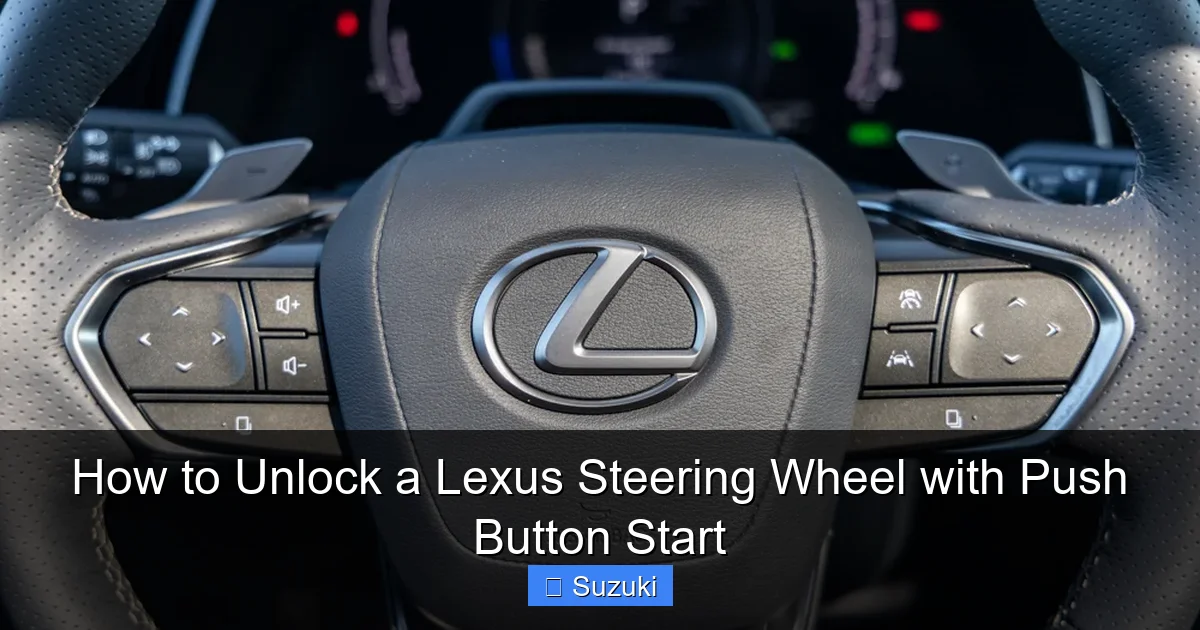
Visual guide about How to Unlock a Lexus Steering Wheel with Push Button Start
Image source: clublexus.com
Now that you understand why the lock happens, let’s get practical. Here’s a simple, step-by-step method to unlock your Lexus steering wheel with push button start. Follow these steps in order, and stop as soon as the wheel unlocks.
Step 1: Ensure the Key Fob Is Inside the Vehicle
First, confirm that your key fob is actually inside the car. This might sound obvious, but it’s easy to overlook. If you’ve just returned from a walk or left the fob on the kitchen counter, the car won’t detect it. Bring the fob into the cabin and place it near the driver’s seat—on the seat, in the cup holder, or in your lap.
Tip: If you’re with someone else, make sure they haven’t taken the fob with them. Sometimes, a family member or passenger might accidentally walk off with it.
Step 2: Press the Brake Pedal
With the fob inside, press and hold the brake pedal firmly. This is a critical step—the push button start system requires brake input to authorize engine start and steering unlock. Don’t just tap it; press it all the way down and keep it pressed.
Why? The brake pedal acts as a safety switch. It ensures the driver is seated and ready to drive before allowing the engine to start. Without this input, the system assumes no one is in control.
Step 3: Gently Wiggle the Steering Wheel
While holding the brake, gently wiggle the steering wheel left and right. Don’t force it—just apply light pressure, as if you’re trying to turn it while driving. The goal is to relieve tension on the locking pin inside the steering column.
Often, the lock engages when the wheel is turned at an angle. Wiggling it helps align the internal mechanism so the electronic signal can release it. You’ll usually feel a slight “click” or release when it unlocks.
Pro tip: Try turning the wheel in both directions. Sometimes one side releases more easily than the other.
Step 4: Press the Start Button
With the brake pressed and the wheel gently wiggled, press the push button start. You should hear the engine crank and start. Once the engine is running, the steering wheel should be fully unlocked and easy to turn.
If the engine starts but the wheel still feels stiff, try wiggling it again while the car is on. The system may need a moment to fully disengage the lock.
Step 5: If It Still Doesn’t Work—Check the Fob Battery
If the above steps don’t work, the issue might be a weak key fob battery. Most Lexus fobs use a CR2032 battery, which lasts 2–4 years. When the battery is low, the fob’s signal weakens, and the car may not detect it—even if it’s right next to the driver.
To test this, try starting the car with the fob pressed directly against the start button. Some Lexus models have a “backup” detection zone near the button for this exact purpose. If the car starts when the fob is touching the button, the battery is likely low.
Replace the battery as soon as possible. It’s a quick DIY job—just pop open the fob with a small screwdriver or coin, swap the old battery for a new one, and reassemble.
Step 6: Use the Physical Key Blade (Emergency Method)
If all else fails, most Lexus key fobs have a hidden physical key blade. To access it:
1. Locate the release button or switch on the fob (usually on the side or back).
2. Press it and pull out the metal key blade.
3. Use this key to manually unlock the driver’s door (the keyhole is often hidden behind a small cover on the door handle).
4. Once inside, place the fob on the passenger seat or near the start button to ensure detection.
This method bypasses electronic issues and gives you access to the cabin. From there, you can try the standard start procedure again.
Note: The physical key won’t start the engine—it only unlocks the door. You still need the fob inside for the push button start to work.
Troubleshooting Common Issues
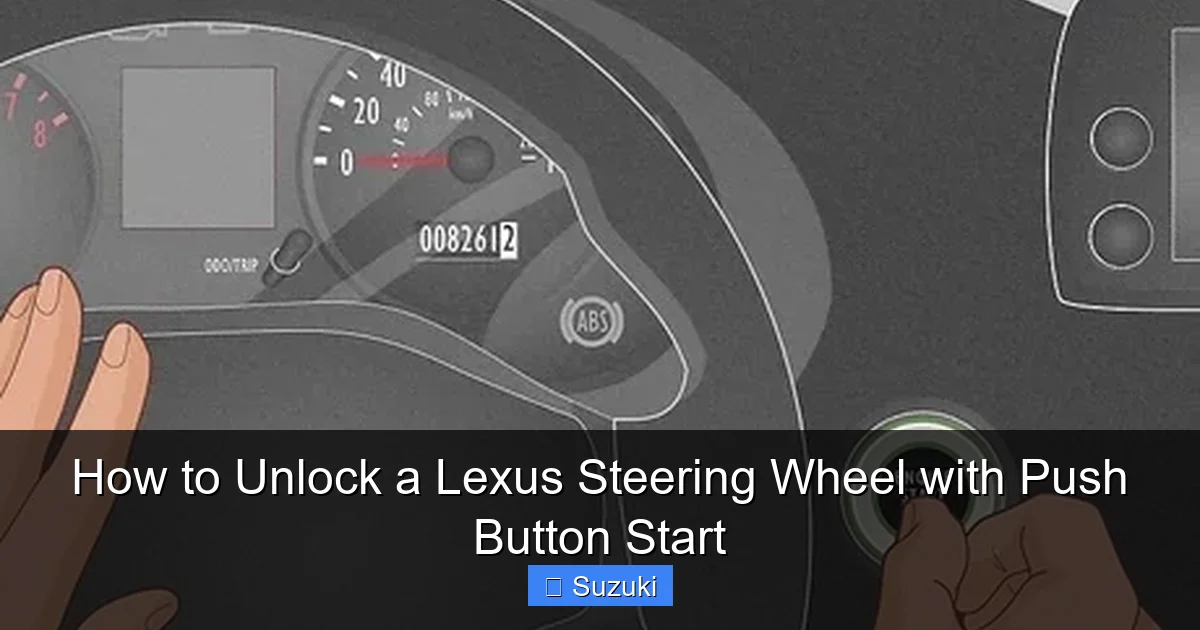
Visual guide about How to Unlock a Lexus Steering Wheel with Push Button Start
Image source: wikihow.com
Even with the right steps, you might run into hiccups. Here’s how to handle the most common problems.
“The Wheel Is Still Stuck After Wiggling”
If gentle wiggling doesn’t work, don’t force it. Jerking the wheel can damage the steering column or the lock mechanism. Instead:
– Make sure the car is in Park (for automatic transmissions).
– Try turning the wheel while the engine is off, then press the brake and start button.
– If the wheel was turned sharply when parked, it may be “caught” on the lock pin. Gently rock the wheel back and forth while pressing the brake.
Patience is key. The lock is designed to release with minimal force—forcing it can cause more problems.
“The Start Button Isn’t Lighting Up”
If the start button remains dark or unresponsive, the car may not be detecting the fob at all. Check:
– Is the fob battery dead?
– Is the fob inside the car?
– Are there any electronic devices interfering (e.g., phone chargers, radios)?
Try placing the fob in different locations—on the seat, in the center console, or directly on the start button. Some models have a “fob detection zone” marked inside the cabin.
“The Engine Starts but the Wheel Won’t Turn”
This is rare but possible. If the engine runs but the steering wheel remains locked, the electronic steering lock may not have disengaged. Try:
– Turning the wheel gently while the engine is running.
– Turning the car off and on again.
– Checking for dashboard warning lights related to the immobilizer or steering system.
If the problem persists, it could indicate a fault in the ESL module or wiring. In this case, visit a Lexus service center for diagnosis.
Preventing Future Lock Issues
Visual guide about How to Unlock a Lexus Steering Wheel with Push Button Start
Image source: cdn.shopify.com
An ounce of prevention is worth a pound of cure. Here’s how to avoid steering wheel lock problems in the future.
Keep the Key Fob Battery Fresh
Replace the fob battery every 2–3 years, or when you notice reduced range (e.g., the car doesn’t unlock when you approach). A fresh battery ensures strong signal transmission.
Tip: Buy a pack of CR2032 batteries and keep one in your glove box for emergencies.
Park with the Wheels Straight
Whenever possible, park with the steering wheel in the neutral (straight) position. This reduces the chance of the lock engaging at an angle.
If you must park on a slope, try to align the wheels so they’re not turned sharply.
Store the Fob Properly
Avoid keeping the fob in metal containers, wallets, or near other electronics. These can block the signal. Instead, use a fabric pouch or keep it in your pocket.
Some drivers use a “fob holder” mounted near the driver’s seat to ensure consistent detection.
Be Mindful After Battery Work
If your car’s battery was disconnected or replaced, the system may need time to re-sync with the fob. Drive the car for 10–15 minutes to allow the electronics to reset.
When to Seek Professional Help
Most steering wheel lock issues can be resolved at home. But if you’ve tried all the steps and the wheel remains stuck—or if you notice other symptoms like warning lights, strange noises, or difficulty starting—it’s time to consult a professional.
Possible causes include:
– A faulty electronic steering lock module.
– Damaged wiring in the steering column.
– A malfunctioning immobilizer system.
– A defective key fob (even with a new battery).
Lexus dealerships and certified repair shops have the tools to diagnose and fix these issues. They can also reprogram or replace key fobs if needed.
Don’t ignore persistent problems. While the steering lock is a safety feature, a malfunctioning system can compromise your ability to drive safely.
Conclusion
Getting your Lexus steering wheel stuck with push button start can be alarming—but it’s usually a simple fix. The lock is a smart security feature, not a sign of failure. By understanding how the system works and following the right steps, you can unlock your wheel quickly and safely.
Remember: keep the fob inside, press the brake, wiggle the wheel gently, and replace the battery when needed. With a little know-how, you’ll never be stuck again.
Your Lexus is designed for comfort, safety, and reliability. Don’t let a locked steering wheel shake your confidence. Use this guide as your go-to resource, and you’ll be back on the road in no time.
Frequently Asked Questions
Why is my Lexus steering wheel locked even though I have the key fob?
The steering wheel may be locked because the car isn’t detecting the key fob. This can happen if the fob battery is low, the fob is outside the detection zone, or there’s electronic interference. Try placing the fob near the start button and gently wiggling the wheel.
Can I damage my Lexus by forcing the steering wheel?
Yes, forcing the wheel can damage the steering column or the electronic lock mechanism. Always use gentle pressure and avoid jerking or twisting aggressively.
How do I know if my key fob battery is dead?
Signs include reduced range (car doesn’t unlock when you approach), the start button not lighting up, or the car only starting when the fob is pressed against the button. Replace the CR2032 battery to restore full function.
Is there a manual override for the push button start?
There’s no manual start, but you can use the physical key blade to unlock the door. Once inside, place the fob near the start button to allow electronic start.
Why does my steering wheel lock when I turn it off?
The lock engages automatically when the engine is off and the key fob is removed. It’s a theft deterrent. If the wheel was turned when parked, the lock may hold it at that angle.
Should I call a mechanic if the wheel won’t unlock?
Try the basic steps first. If the wheel remains stuck after multiple attempts, or if you notice warning lights or other issues, consult a Lexus service professional to check for electrical or mechanical faults.