
What Safety Features Does the Suzuki Vitara Offer?

The Suzuki Vitara offers a comprehensive suite of safety features designed to protect drivers, passengers, and pedestrians. From advanced driver assistance systems to robust structural design, the Vitara delivers peace of mind on every journey, making it a top choice in the compact SUV segment.
Key Takeaways
- Advanced Driver Assistance Systems (ADAS): The Vitara includes features like adaptive cruise control, lane departure warning, and forward collision mitigation to help prevent accidents.
- Strong Body Structure: Built with a high-tensile steel frame, the Vitara offers excellent crash protection and structural integrity.
- Multiple Airbags: Equipped with up to seven airbags, including side and curtain airbags, the Vitara ensures comprehensive occupant protection.
- Electronic Stability Control (ESC): This system helps maintain vehicle control during sudden maneuvers or slippery conditions.
- Hill Hold and Descent Control: These features enhance safety when driving on steep inclines or declines, especially in off-road conditions.
- Pedestrian Detection: The Vitara’s forward collision system can detect pedestrians and apply brakes automatically if needed.
- ISOFIX Child Seat Anchors: Ensures secure installation of child seats, enhancing safety for young passengers.
📑 Table of Contents
- Introduction to the Suzuki Vitara’s Safety Philosophy
- Advanced Driver Assistance Systems (ADAS)
- Passive Safety Features: Protection When It Matters Most
- Electronic Stability and Traction Control
- Visibility and Lighting Enhancements
- Child Safety and Family-Friendly Features
- Conclusion: A Safe Choice for Modern Drivers
Introduction to the Suzuki Vitara’s Safety Philosophy
When it comes to choosing a compact SUV, safety is often one of the top priorities for drivers and families alike. The Suzuki Vitara, a popular model in the brand’s lineup, doesn’t just offer style, efficiency, and off-road capability—it also delivers a strong commitment to safety. Whether you’re navigating city streets, cruising on the highway, or exploring rugged terrain, the Vitara is engineered to keep you and your loved ones protected.
Suzuki has long emphasized safety as a core value in its vehicle development. The Vitara reflects this philosophy through a blend of passive and active safety technologies. From intelligent driver aids to a robust body structure, every aspect of the Vitara is designed with protection in mind. It’s not just about meeting safety standards—it’s about exceeding them, giving drivers confidence behind the wheel.
In today’s world, where traffic is increasingly complex and distractions are everywhere, having a vehicle that actively helps prevent accidents is more important than ever. The Suzuki Vitara rises to the challenge with a suite of advanced safety features that work seamlessly in the background. Whether you’re a daily commuter, a weekend adventurer, or a parent shuttling kids to school, the Vitara’s safety systems are there to support you every mile of the way.
Advanced Driver Assistance Systems (ADAS)
Visual guide about What Safety Features Does the Suzuki Vitara Offer?
Image source: pentasuzuki.co.za
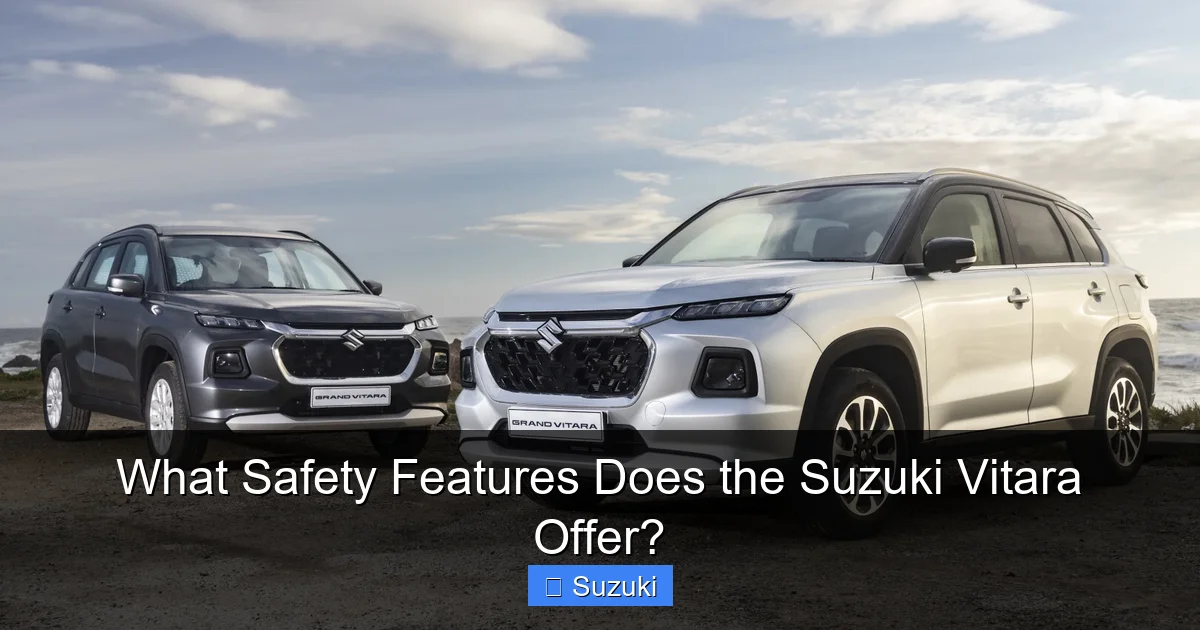
One of the standout aspects of the Suzuki Vitara’s safety package is its suite of Advanced Driver Assistance Systems (ADAS). These technologies use sensors, cameras, and radar to monitor the vehicle’s surroundings and assist the driver in avoiding potential hazards. The result is a smarter, more responsive driving experience that reduces the likelihood of accidents.
Adaptive Cruise Control (ACC)
Adaptive Cruise Control is a game-changer for long drives and highway travel. Unlike traditional cruise control, which maintains a fixed speed, ACC automatically adjusts your speed based on the traffic ahead. Using radar technology, the system detects the distance to the vehicle in front and slows down or speeds up accordingly. This not only reduces driver fatigue but also helps maintain a safe following distance.
For example, if you’re driving at 70 mph on the highway and the car ahead slows to 55 mph, the Vitara’s ACC will gently reduce your speed without you having to touch the brakes. Once the road clears, it accelerates back to your preset speed. This feature is especially useful in stop-and-go traffic or during long road trips, where maintaining consistent speed can be tiring.
Forward Collision Mitigation (FCM)
The Forward Collision Mitigation system is designed to prevent or reduce the severity of front-end collisions. It uses a forward-facing camera and radar to monitor the road ahead for vehicles, pedestrians, and obstacles. If the system detects an imminent collision, it first issues visual and audible warnings to alert the driver. If the driver doesn’t respond in time, the system can automatically apply the brakes to avoid or lessen the impact.
This feature is particularly valuable in urban environments where sudden stops are common. Imagine you’re driving through a busy intersection and a pedestrian steps into the crosswalk unexpectedly. The Vitara’s FCM can detect the person and initiate braking, potentially preventing a serious accident. It’s a reassuring layer of protection that works even when you’re distracted or reacting slowly.
Lane Departure Warning (LDW) and Lane Keeping Assist (LKA)
Drifting out of your lane unintentionally is a common cause of accidents, especially on long drives or when fatigue sets in. The Suzuki Vitara combats this with Lane Departure Warning and Lane Keeping Assist. LDW monitors lane markings and alerts the driver with a visual and audible signal if the vehicle begins to drift without a turn signal. LKA goes a step further by gently steering the vehicle back into the lane if no corrective action is taken.
These systems are especially helpful on highways or rural roads where lane discipline is crucial. For instance, if you’re driving at night and momentarily lose focus, the Vitara can nudge you back on track before you cross into oncoming traffic. It’s like having a co-pilot who’s always watching the road.
Blind Spot Monitoring (BSM)
Changing lanes can be risky if you can’t see vehicles in your blind spots. The Vitara’s Blind Spot Monitoring system uses radar sensors in the rear bumper to detect vehicles approaching from behind in adjacent lanes. When a vehicle is detected, a warning light appears in the side mirror, alerting you to wait before changing lanes.
This feature is invaluable during highway merges or busy city driving. For example, if you’re trying to switch lanes and a motorcycle is speeding up in your blind spot, BSM will flash a warning, giving you time to abort the maneuver. It’s a simple but effective way to prevent side collisions.
Rear Cross-Traffic Alert (RCTA)
Backing out of parking spaces can be tricky, especially in crowded lots where visibility is limited. The Rear Cross-Traffic Alert system uses sensors to detect vehicles approaching from the side when you’re reversing. If a car is coming, the system alerts you with beeps and a warning light on the dashboard.
Imagine you’re backing out of a tight parking spot at the grocery store. A delivery van suddenly pulls up from the left—RCTA will warn you in time to stop and avoid a collision. This feature is particularly helpful for drivers with limited rear visibility or those with larger vehicles.
Passive Safety Features: Protection When It Matters Most
Visual guide about What Safety Features Does the Suzuki Vitara Offer?
Image source: suzukicaribbean.com
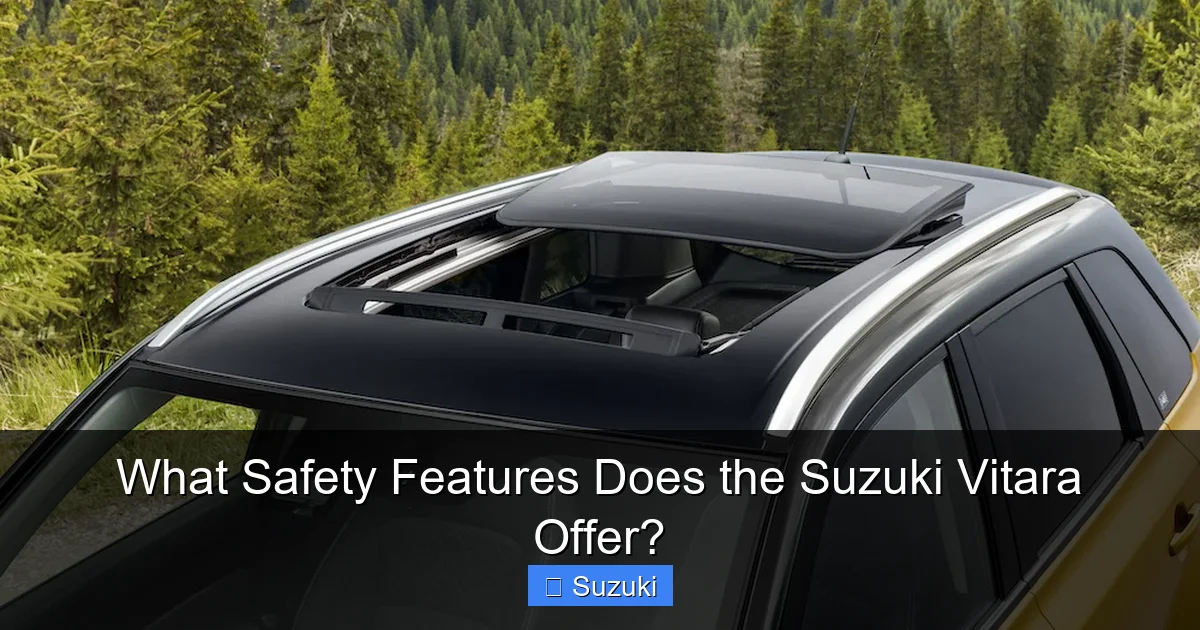
While active safety systems help prevent accidents, passive safety features are designed to protect occupants when a crash is unavoidable. The Suzuki Vitara excels in this area with a combination of structural engineering and occupant protection technologies.
High-Strength Body Structure
The foundation of the Vitara’s safety is its body structure, built with high-tensile steel in key areas. This material is both lightweight and incredibly strong, providing excellent crash protection without adding unnecessary weight. The frame is designed to absorb and distribute impact energy away from the passenger compartment, reducing the force felt by occupants.
For example, in a frontal collision, the front crumple zones deform in a controlled manner, absorbing energy before it reaches the cabin. Similarly, side-impact beams in the doors help protect passengers during T-bone collisions. This intelligent engineering has earned the Vitara high safety ratings from organizations like Euro NCAP and ASEAN NCAP.
Multiple Airbags for Comprehensive Coverage
The Suzuki Vitara comes equipped with up to seven airbags, depending on the trim level. These include front airbags for the driver and passenger, side airbags for the front seats, and curtain airbags that deploy from the roof to protect heads in side impacts. Some models also feature a driver’s knee airbag for added lower-body protection.
Airbags work in conjunction with seatbelts to reduce injury during a crash. For instance, in a side collision, the curtain airbag deploys within milliseconds, cushioning the head and preventing contact with the window or door frame. This multi-layered approach ensures that occupants are protected from multiple angles.
Seatbelt Pretensioners and Load Limiters
Seatbelts are the first line of defense in any crash, and the Vitara enhances their effectiveness with pretensioners and load limiters. Pretensioners automatically tighten the seatbelt during a collision, removing slack and holding the occupant firmly in place. Load limiters then allow a small amount of belt extension to reduce chest pressure, minimizing the risk of injury.
These features are especially important in high-speed impacts. Without pretensioners, a seatbelt might not engage quickly enough, allowing the body to move forward. With them, the Vitara ensures that occupants are secured immediately, improving overall safety.
Electronic Stability and Traction Control
Visual guide about What Safety Features Does the Suzuki Vitara Offer?
Image source: cdni.autocarindia.com
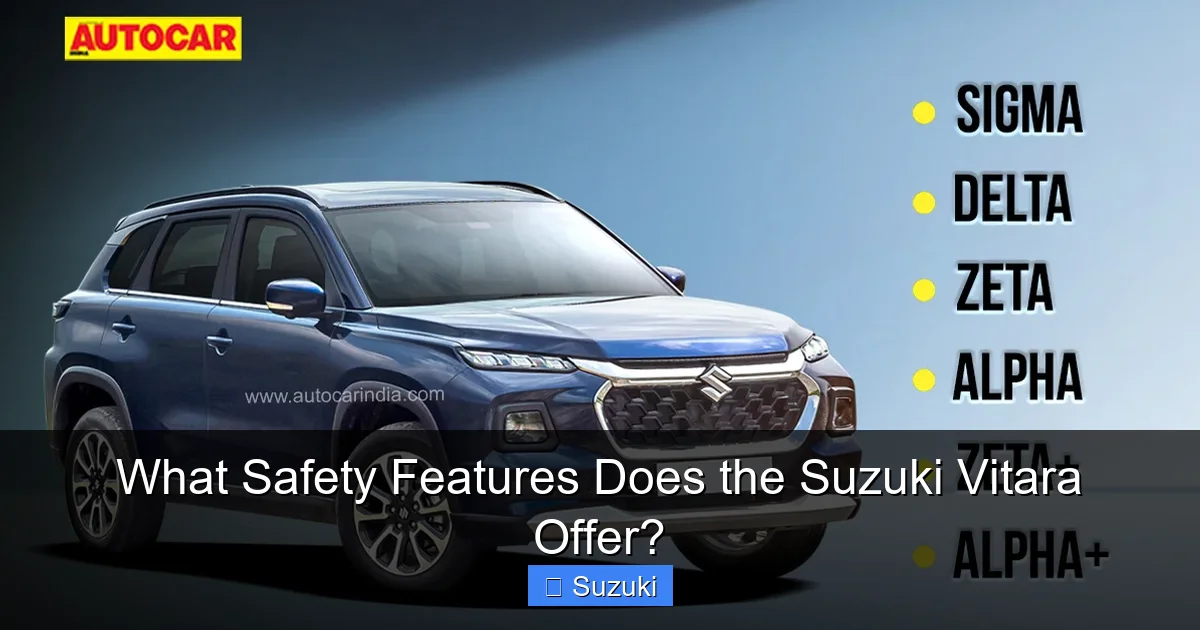
Maintaining control of your vehicle is crucial, especially in adverse weather or challenging driving conditions. The Suzuki Vitara includes several electronic systems that help keep the car stable and on course.
Electronic Stability Control (ESC)
ESC is a critical safety feature that helps prevent skidding and loss of control. It monitors the vehicle’s direction and compares it to the driver’s steering input. If the car begins to oversteer (rear sliding out) or understeer (front pushing wide), ESC automatically applies brakes to individual wheels and may reduce engine power to correct the trajectory.
For example, if you’re driving on a wet road and suddenly swerve to avoid an obstacle, ESC can help keep the Vitara from spinning out. It’s particularly useful in emergency maneuvers and has been shown to significantly reduce the risk of fatal crashes.
Traction Control System (TCS)
Traction Control prevents wheel spin during acceleration, especially on slippery surfaces like ice, snow, or gravel. When the system detects that one or more wheels are losing grip, it reduces engine power or applies brakes to regain traction.
This is especially helpful when starting from a stop on a steep hill or driving on loose terrain. For instance, if you’re driving up a snowy driveway, TCS ensures that the wheels don’t spin uselessly, allowing the Vitara to maintain forward momentum.
Hill Hold Control
Hill Hold Control is a convenience and safety feature that prevents the vehicle from rolling backward when starting on an incline. When you release the brake pedal, the system holds the brakes for a few seconds, giving you time to press the accelerator without rolling back.
This is particularly useful in city driving or when parking on a hill. Imagine you’re stopped at a traffic light on a steep street—Hill Hold ensures you don’t roll into the car behind you when you start moving again.
Hill Descent Control (HDC)
For off-road enthusiasts, Hill Descent Control is a standout feature. When activated, HDC automatically controls the vehicle’s speed when driving down steep slopes. It uses the anti-lock braking system to maintain a slow, steady descent, allowing the driver to focus on steering.
This is especially helpful when navigating rocky trails or muddy inclines. Instead of riding the brakes and risking skidding, HDC does the work for you, making off-road driving safer and more controlled.
Visibility and Lighting Enhancements
Good visibility is essential for safe driving, and the Suzuki Vitara includes several features to improve sightlines and illumination.
LED Headlights and Daytime Running Lights
Many Vitara models come with LED headlights, which are brighter, more energy-efficient, and longer-lasting than traditional halogen bulbs. They provide better illumination of the road ahead, improving visibility at night and in poor weather.
Daytime Running Lights (DRLs) automatically turn on when the engine is running, making the vehicle more visible to other drivers during the day. This reduces the risk of collisions, especially in low-light conditions like dawn or dusk.
Automatic Headlights and Rain-Sensing Wipers
Automatic headlights turn on when the ambient light level drops, such as when entering a tunnel or driving at night. This ensures you’re always properly lit without having to remember to switch them on.
Rain-sensing wipers detect moisture on the windshield and automatically activate, adjusting speed based on rainfall intensity. This keeps your view clear during sudden downpours without requiring manual adjustments.
Rearview Camera and Parking Sensors
The rearview camera displays a live feed from the back of the vehicle when reversing, helping you see obstacles, curbs, or pedestrians behind you. Parking sensors add an extra layer of safety by emitting audible warnings as you get closer to an object.
These features are especially helpful in tight parking spaces or when backing out of driveways. For example, if a child is playing behind your car, the camera and sensors can alert you before it’s too late.
Child Safety and Family-Friendly Features
For families, child safety is a top concern. The Suzuki Vitara includes several features designed to protect younger passengers.
ISOFIX Child Seat Anchors
ISOFIX anchors provide a secure and standardized way to install child seats. They connect directly to the vehicle’s frame, reducing the risk of improper installation. The Vitara has ISOFIX points in the rear seats, making it easy to attach compatible car seats.
This system is safer than using seatbelts alone, as it minimizes movement during a crash. It’s also quicker and easier to use, encouraging proper installation every time.
Child Safety Locks
Rear door child safety locks prevent children from opening doors from the inside while the vehicle is moving. This reduces the risk of accidental ejections or distractions.
Parents can activate these locks from the driver’s seat, ensuring peace of mind during every trip.
Rear Door Sunshades (Optional)
Some Vitara trims offer optional rear door sunshades, which block UV rays and reduce glare for passengers in the back. While not a direct safety feature, they contribute to comfort and reduce eye strain, especially on long drives.
Conclusion: A Safe Choice for Modern Drivers
The Suzuki Vitara stands out in the competitive compact SUV market not just for its style and capability, but for its comprehensive approach to safety. From advanced driver assistance systems like adaptive cruise control and lane departure warning to robust passive protections like high-strength steel and multiple airbags, the Vitara is built to keep you safe in a wide range of driving conditions.
Whether you’re navigating city traffic, cruising on the highway, or exploring off the beaten path, the Vitara’s safety features work together to prevent accidents and protect occupants. Features like hill hold control, blind spot monitoring, and rear cross-traffic alert add layers of confidence, especially for new or nervous drivers.
For families, the inclusion of ISOFIX anchors, child safety locks, and rearview cameras makes the Vitara a practical and secure choice. And with strong safety ratings from independent testing agencies, you can trust that the Vitara meets high standards for occupant and pedestrian protection.
In a world where safety technology is rapidly evolving, the Suzuki Vitara keeps pace with thoughtful, user-friendly features that make driving safer and more enjoyable. It’s not just a vehicle—it’s a partner in your journey, designed to look out for you every step of the way.
If you’re in the market for a compact SUV that doesn’t compromise on safety, the Suzuki Vitara deserves a close look. With its blend of innovation, reliability, and peace of mind, it’s a smart choice for drivers who value protection as much as performance.
Frequently Asked Questions
Does the Suzuki Vitara have automatic emergency braking?
Yes, the Suzuki Vitara is equipped with Forward Collision Mitigation, which includes automatic emergency braking. It can detect vehicles and pedestrians and apply the brakes if a collision is imminent and the driver doesn’t respond.
How many airbags does the Suzuki Vitara have?
The Suzuki Vitara comes with up to seven airbags, including front, side, curtain, and knee airbags, depending on the trim level. This provides comprehensive protection for all occupants.
Is the Suzuki Vitara safe for off-road driving?
Yes, the Vitara is designed for off-road use with features like Hill Descent Control, AllGrip all-wheel drive, and a robust body structure. These enhance safety and control on uneven or slippery terrain.
Does the Vitara have lane-keeping assist?
Yes, higher trim levels of the Suzuki Vitara include Lane Keeping Assist, which helps steer the vehicle back into the lane if it begins to drift unintentionally.
Can the Suzuki Vitara detect pedestrians?
Yes, the Forward Collision Mitigation system in the Vitara can detect pedestrians in the vehicle’s path and apply automatic braking if necessary to avoid or reduce impact.
Is the Suzuki Vitara safe for children?
Absolutely. The Vitara includes ISOFIX child seat anchors, child safety locks, and rear door sunshades (optional), making it a safe and family-friendly vehicle for young passengers.