
Where Is Audi Q5 Made?

The Audi Q5 is primarily manufactured in Germany, China, and Mexico, with each location serving different global markets. While the brand is German, production is strategically distributed to meet regional demand and optimize logistics.
Key Takeaways
- Primary production in Germany: The Audi Q5 is built at Audi’s headquarters in Ingolstadt, Germany, ensuring high engineering standards and precision.
- Manufacturing in China: The Q5 L (long-wheelbase version) is produced in Changchun by FAW-Volkswagen to serve the Chinese market.
- North American production: Since 2016, the Q5 has been assembled in San José Chiapa, Mexico, for the U.S. and Canadian markets.
- Global supply chain: Parts and components are sourced worldwide, but final assembly follows strict Audi quality controls.
- Quality consistency: Despite multiple production sites, Audi maintains uniform standards across all facilities.
- Environmental and labor standards: Each plant adheres to local regulations and Audi’s sustainability goals.
- Future expansion: Audi continues to evaluate new production sites to support electric Q5 models and growing demand.
📑 Table of Contents
- Where Is Audi Q5 Made? A Global Perspective on Production
- The German Roots: Audi Q5 Production in Ingolstadt
- Expanding East: Audi Q5 Production in China
- North American Hub: Audi Q5 Production in Mexico
- Global Supply Chain and Component Sourcing
- Future of Audi Q5 Production
- What This Means for Audi Q5 Buyers
- Conclusion: A Truly Global Luxury SUV
Where Is Audi Q5 Made? A Global Perspective on Production
When you think of luxury SUVs, the Audi Q5 often comes to mind. It’s stylish, powerful, packed with technology, and delivers a smooth ride. But have you ever wondered where this impressive vehicle is actually made? The answer isn’t as simple as “Germany,” even though Audi is a German automaker. The truth is, the Audi Q5 is produced in several countries around the world, each playing a key role in meeting global demand.
Understanding where the Audi Q5 is made gives you insight into the brand’s global strategy, quality control, and commitment to efficiency. While Audi’s roots are firmly planted in Germany, the company has expanded its manufacturing footprint to serve major markets like North America and China. This global approach allows Audi to reduce shipping costs, avoid import tariffs, and respond quickly to regional preferences.
In this article, we’ll explore the main production locations for the Audi Q5, what makes each facility unique, and how Audi ensures consistent quality no matter where the vehicle is built. Whether you’re a potential buyer, a car enthusiast, or just curious about automotive manufacturing, this guide will give you a complete picture of where your Audi Q5 comes from.
The German Roots: Audi Q5 Production in Ingolstadt
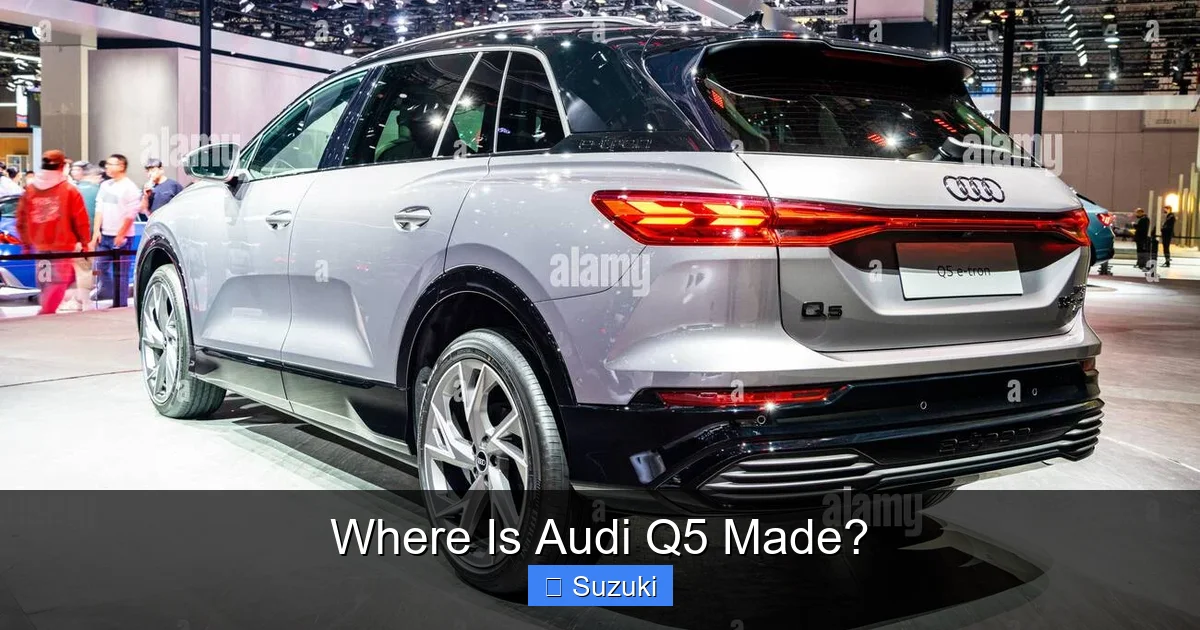
Visual guide about Where Is Audi Q5 Made?
Image source: c8.alamy.com
Audi’s Headquarters and Flagship Plant
The story of the Audi Q5 begins in Ingolstadt, Germany—the heart of Audi’s operations. This city, located in Bavaria, is home to Audi’s main headquarters and one of its largest production facilities. The Ingolstadt plant is where the first-generation Audi Q5 rolled off the assembly line in 2008, marking Audi’s entry into the competitive luxury SUV segment.
The Ingolstadt facility is a marvel of modern automotive engineering. It spans over 2.5 million square meters and employs thousands of skilled workers, engineers, and technicians. The plant uses advanced robotics, precision assembly lines, and rigorous quality checks to ensure every Q5 meets Audi’s high standards.
One of the key advantages of building the Q5 in Germany is access to top-tier engineering talent and decades of automotive expertise. German manufacturing is known for its precision, attention to detail, and commitment to innovation—qualities that are reflected in every Audi Q5 produced here.
Why Germany Still Matters for the Q5
Even as production has expanded globally, Germany remains a crucial hub for Audi Q5 manufacturing. The Ingolstadt plant produces the standard Q5 for European markets and serves as a benchmark for quality across all other facilities. Engineers and quality control teams from other plants often train here to ensure consistency.
Additionally, the German-made Q5 often includes the latest technology and design updates first. For example, when Audi introduced the updated Q5 with mild-hybrid technology and a refreshed interior in 2020, the Ingolstadt plant was the first to implement these changes.
If you’re buying a Q5 in Europe, there’s a strong chance it was built in Germany. This can be a selling point for buyers who value the prestige and reputation of German engineering.
Environmental and Sustainability Efforts
Audi has made significant efforts to make the Ingolstadt plant more sustainable. The facility uses renewable energy sources, including solar panels and wind power, to reduce its carbon footprint. Waste is minimized through recycling programs, and water usage is carefully managed.
In 2020, Audi announced plans to make the Ingolstadt plant carbon-neutral by 2025. This includes using green electricity, optimizing logistics, and investing in carbon offset projects. These efforts reflect Audi’s broader goal of becoming a leader in sustainable luxury mobility.
Expanding East: Audi Q5 Production in China
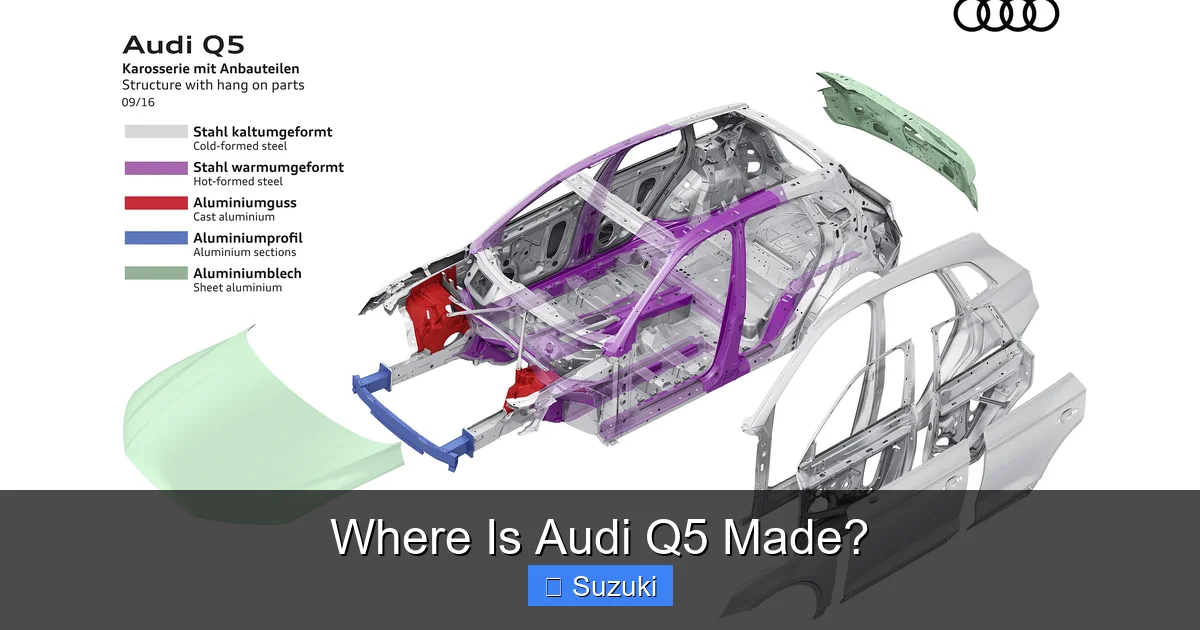
Visual guide about Where Is Audi Q5 Made?
Image source: images.caricos.com
The Rise of the Q5 L for the Chinese Market
China is the world’s largest automotive market, and Audi has been a major player there for decades. To better serve Chinese consumers, Audi partnered with FAW Group to form FAW-Volkswagen, a joint venture that produces Audi vehicles locally.
One of the most significant adaptations for the Chinese market is the Audi Q5 L—a long-wheelbase version of the standard Q5. Chinese buyers often prefer more rear legroom, especially for chauffeur-driven vehicles, so the Q5 L offers an extra 88 millimeters of space in the back seat.
The Q5 L is produced exclusively at the FAW-Volkswagen plant in Changchun, Jilin Province. This facility was upgraded specifically to handle Q5 production and includes state-of-the-art assembly lines and quality control systems.
Local Production Benefits
Building the Q5 L in China offers several advantages. First, it reduces import tariffs and shipping costs, making the vehicle more affordable for Chinese buyers. Second, local production allows Audi to respond quickly to market trends and customer feedback.
For example, Chinese consumers often prioritize tech features and interior comfort. The Q5 L includes features like ambient lighting, premium leather seats, and advanced infotainment systems tailored to local tastes.
Additionally, producing vehicles in China helps Audi comply with local regulations and avoid trade barriers. This is especially important as China continues to tighten emissions standards and promote electric vehicles.
Quality Control in Chinese Facilities
You might wonder: Is a Q5 made in China as good as one made in Germany? The answer is yes—Audi maintains strict quality standards across all its global plants. The Changchun facility undergoes regular audits by Audi’s central quality team, and workers receive extensive training.
In fact, many components used in the Chinese Q5 L are sourced from German suppliers or produced in joint ventures with German engineering oversight. This ensures that even though the car is assembled in China, it still meets Audi’s global benchmarks for performance, safety, and durability.
North American Hub: Audi Q5 Production in Mexico

Visual guide about Where Is Audi Q5 Made?
Image source: carcareportal.com
The San José Chiapa Plant: A Strategic Move
In 2016, Audi opened a new $1.3 billion manufacturing plant in San José Chiapa, Mexico. This facility was built specifically to produce the Audi Q5 for the North American market, including the United States and Canada.
The decision to build in Mexico was strategic. It allows Audi to avoid high import tariffs, reduce shipping times, and take advantage of favorable trade agreements like the USMCA (formerly NAFTA). Additionally, Mexico offers a skilled workforce and competitive labor costs.
The San José Chiapa plant is one of the most advanced automotive facilities in the world. It uses over 1,000 robots in the assembly process and can produce up to 150,000 vehicles per year. The plant is designed to be flexible, allowing Audi to adjust production based on market demand.
How the Mexican Q5 Compares
If you’re buying an Audi Q5 in the U.S., there’s a very good chance it was made in Mexico. But does that affect quality? Not at all. The San José Chiapa plant follows the same strict guidelines as the German facility.
Audi sends engineers and quality managers from Germany to oversee production and train local workers. The plant also uses the same parts suppliers and assembly techniques. In fact, many components are shipped from Germany or other Audi-approved suppliers to ensure consistency.
One difference is that the Mexican-made Q5 may include slight variations to meet U.S. regulations, such as different lighting or emissions systems. But mechanically and aesthetically, it’s virtually identical to the German version.
Sustainability in Mexico
Like its German counterpart, the San José Chiapa plant emphasizes sustainability. It uses renewable energy, recycles water, and has achieved carbon-neutral status for its operations. Audi has also invested in local community programs, including education and environmental initiatives.
This commitment to sustainability aligns with Audi’s global vision and helps the brand appeal to environmentally conscious buyers in North America.
Global Supply Chain and Component Sourcing
Where the Parts Come From
While the Audi Q5 is assembled in Germany, China, and Mexico, the parts come from all over the world. This is common in the automotive industry, where manufacturers source components from specialized suppliers to ensure quality and efficiency.
For example, the engines for the Q5 may be built in Hungary or Germany, while the transmissions come from suppliers in Japan or the U.S. Electronics, such as the MMI infotainment system, are often sourced from German or South Korean companies.
Audi works with a network of over 1,000 suppliers globally. Each part must meet strict standards before it’s used in production. This global supply chain allows Audi to leverage the best technology and expertise from around the world.
Ensuring Quality Across Borders
With parts coming from so many places, how does Audi ensure consistency? The answer lies in its centralized quality control system. Every component is tested and certified before it reaches the assembly line.
Audi also uses digital tracking systems to monitor parts from production to installation. This allows the company to quickly identify and address any issues, ensuring that every Q5—no matter where it’s made—meets the same high standards.
Impact on Buyers
For buyers, this global approach means access to a vehicle that combines the best of German engineering with global innovation. Whether your Q5 is made in Germany, China, or Mexico, you can expect the same level of performance, safety, and luxury.
It also means that spare parts and service are widely available, as Audi dealerships around the world use the same components and repair procedures.
Future of Audi Q5 Production
The Shift to Electric: Q5 e-tron and Beyond
Audi is transitioning toward electric mobility, and the Q5 is no exception. The company has announced plans for an all-electric version of the Q5, likely called the Q5 e-tron, as part of its broader e-tron lineup.
This new model will be built on Audi’s Premium Platform Electric (PPE), which it co-develops with Porsche. The PPE platform is designed for high-performance electric vehicles and will support advanced features like fast charging, long range, and all-wheel drive.
While the exact production location for the Q5 e-tron hasn’t been confirmed, it’s likely that Audi will use its existing facilities in Germany and Mexico, with possible expansion to other regions as demand grows.
New Plants and Market Expansion
As Audi continues to grow, it may open new production facilities to meet demand in emerging markets. For example, there has been speculation about potential Q5 production in India or Southeast Asia to serve those regions more efficiently.
Audi is also investing in automation and artificial intelligence to improve production efficiency and reduce costs. These technologies will help the company maintain quality while scaling up production for new models.
Sustainability as a Core Focus
Looking ahead, sustainability will remain a top priority. Audi aims to make all its production facilities carbon-neutral by 2030. This includes using 100% renewable energy, reducing waste, and promoting circular economy practices.
For the Q5, this could mean using more recycled materials in the interior, such as ocean plastic or recycled leather. It could also mean designing the vehicle for easier disassembly and recycling at the end of its life.
What This Means for Audi Q5 Buyers
Choosing the Right Q5 for Your Market
If you’re in the market for an Audi Q5, knowing where it’s made can help you make an informed decision. For example, if you’re in Europe, a German-made Q5 might appeal to your sense of tradition and engineering excellence. If you’re in the U.S., a Mexican-made Q5 offers the same quality with the added benefit of local support and service.
In China, the Q5 L provides extra space and features tailored to local preferences. No matter where you buy, you’re getting a vehicle that meets Audi’s global standards.
Warranty and Service Considerations
One advantage of global production is that Audi offers consistent warranties and service networks worldwide. Whether your Q5 is made in Germany, Mexico, or China, you’ll have access to the same warranty coverage and certified technicians.
This makes it easier to maintain your vehicle and ensures that any issues can be resolved quickly, regardless of where it was built.
Resale Value and Brand Perception
Some buyers worry that a vehicle made outside Germany might have lower resale value. However, Audi’s strong brand reputation and consistent quality help maintain strong resale values across all markets.
In fact, studies have shown that the country of manufacture has little impact on resale value for luxury brands like Audi. What matters more is the vehicle’s condition, mileage, and service history.
Conclusion: A Truly Global Luxury SUV
The Audi Q5 is a perfect example of how modern luxury vehicles are built for a global audience. While it carries the prestige of German engineering, it’s produced in multiple countries to meet regional needs and optimize efficiency.
From the precision of Ingolstadt to the innovation of Changchun and the strategic advantages of San José Chiapa, each production site plays a vital role in delivering a high-quality vehicle to customers around the world.
As Audi continues to evolve—especially with the shift toward electric mobility—the Q5 will remain a flagship model, representing the brand’s commitment to performance, luxury, and sustainability.
So, the next time someone asks, “Where is the Audi Q5 made?” you can confidently say: it’s made wherever it’s needed most, with the same dedication to excellence—no matter the location.
Frequently Asked Questions
Where is the Audi Q5 primarily manufactured?
The Audi Q5 is primarily manufactured in Germany at the Ingolstadt plant, which serves as Audi’s headquarters and main production facility. This location produces the standard Q5 for European markets and sets the quality benchmark for other plants.
Is the Audi Q5 made in Mexico?
Yes, the Audi Q5 is assembled in San José Chiapa, Mexico, specifically for the North American market. This plant opened in 2016 and produces Q5 models for the U.S. and Canada, ensuring faster delivery and lower costs.
Does China produce the Audi Q5?
Yes, China produces the Audi Q5 L, a long-wheelbase version designed for Chinese consumers. It is built at the FAW-Volkswagen plant in Changchun and includes extra rear legroom and features tailored to local preferences.
Are Audi Q5s made in different countries the same quality?
Yes, Audi maintains strict quality standards across all production sites. Each plant follows the same engineering guidelines, uses approved suppliers, and undergoes regular audits to ensure consistency in performance, safety, and build quality.
Will the electric Audi Q5 be made in the same locations?
The electric Q5 e-tron will likely be produced in existing Audi facilities, such as Germany and Mexico, using the new PPE platform. Exact locations will depend on demand and infrastructure, but Audi plans to maintain global production flexibility.
Why does Audi build the Q5 in multiple countries?
Audi builds the Q5 in multiple countries to reduce shipping costs, avoid import tariffs, respond to regional market demands, and improve supply chain efficiency. This global strategy helps Audi remain competitive in key markets like the U.S., China, and Europe.
