How to Recharge Your Car Battery
Recharging your car battery is a simple task that can save you time and money. With the right tools and safety steps, you can restore power quickly and safely.
In This Article
- 1 Key Takeaways
- 2 📑 Table of Contents
- 3 How to Recharge Your Car Battery: A Complete Guide
- 4 Understanding Your Car Battery
- 5 Safety First: Preparing to Recharge
- 6 Choosing the Right Battery Charger
- 7 Step-by-Step Guide to Recharging Your Car Battery
- 7.1 Step 1: Position the Charger
- 7.2 Step 2: Disconnect the Battery (Optional but Recommended)
- 7.3 Step 3: Connect the Charger
- 7.4 Step 4: Set the Charger
- 7.5 Step 5: Start Charging
- 7.6 Step 6: Monitor the Process
- 7.7 Step 7: Disconnect the Charger
- 7.8 Step 8: Reconnect the Battery
- 7.9 Step 9: Test the Battery
- 8 Tips for Maintaining a Healthy Battery
- 9 When to Replace Instead of Recharge
- 10 Conclusion
- 11 Frequently Asked Questions
- 11.1 Can I recharge a car battery while it’s still in the car?
- 11.2 How long does it take to recharge a car battery?
- 11.3 Is it safe to leave a battery charger on overnight?
- 11.4 Can a completely dead battery be recharged?
- 11.5 Do I need to add water to my car battery before charging?
- 11.6 What should I do if my battery keeps dying?
Key Takeaways
- Always wear safety gear: Use gloves and goggles to protect against acid and sparks when handling car batteries.
- Choose the right charger: Match the charger’s voltage and amperage to your battery type for safe and efficient charging.
- Disconnect the battery correctly: Remove the negative terminal first and reconnect it last to avoid short circuits.
- Charge in a well-ventilated area: Battery charging releases hydrogen gas, which is flammable and potentially dangerous.
- Monitor charging progress: Avoid overcharging by using a smart charger or checking voltage regularly.
- Test the battery after charging: Use a multimeter to confirm the battery holds a charge before reinstalling.
- Know when to replace: If a battery won’t hold a charge after multiple attempts, it may be time for a new one.
📑 Table of Contents
How to Recharge Your Car Battery: A Complete Guide
We’ve all been there—you turn the key, and instead of the familiar engine roar, you hear a weak clicking sound. Your car won’t start, and you’re left wondering what went wrong. In most cases, the culprit is a dead or drained car battery. But before you call a tow truck or rush to buy a new battery, there’s a good chance you can fix the problem yourself by recharging your car battery.
Recharging a car battery isn’t just for mechanics or car enthusiasts. With the right tools and a little know-how, anyone can do it safely and effectively. Whether your battery died because you left the lights on, the car sat unused for weeks, or the cold weather took its toll, recharging can bring it back to life. This guide will walk you through everything you need to know—from understanding how car batteries work to choosing the right charger and following safe procedures.
By the end of this article, you’ll feel confident tackling a dead battery on your own. You’ll save money on service calls, avoid unnecessary battery replacements, and gain valuable skills that come in handy during roadside emergencies. So grab your gloves, find a safe spot, and let’s get your car back on the road.
Understanding Your Car Battery
Before you start recharging, it helps to understand what’s going on under the hood. Your car battery is more than just a box that holds electricity—it’s a vital part of your vehicle’s electrical system. It provides the initial power to start the engine and supports other electrical components like lights, radio, and climate control when the engine is off.

Visual guide about How to Recharge Your Car Battery
Image source: ueeshop.ly200-cdn.com
How Car Batteries Work
Most car batteries are lead-acid batteries, which use a chemical reaction between lead plates and sulfuric acid (the electrolyte) to produce electricity. When you turn the key, the battery sends a surge of power to the starter motor, which cranks the engine. Once the engine is running, the alternator takes over, recharging the battery and powering the car’s electrical systems.
A fully charged 12-volt car battery should read around 12.6 volts when the engine is off. If the voltage drops below 12.4 volts, the battery is partially discharged. Below 12.0 volts, it’s considered deeply discharged and may struggle to start the car. Recharging restores the chemical balance inside the battery, allowing it to hold and deliver power again.
Signs Your Battery Needs Recharging
You don’t always need to wait for a no-start situation to recharge your battery. Watch for these common signs:
- Slow engine crank—the engine turns over sluggishly when you start the car.
- Dim headlights or interior lights, especially when the engine is off.
- Electrical components acting up, like power windows moving slowly or the radio resetting.
- The battery warning light on your dashboard.
- A clicking sound when you turn the key, with no engine turnover.
If you notice any of these symptoms, it’s a good idea to test your battery voltage with a multimeter. A reading below 12.4 volts means it’s time to recharge.
Types of Car Batteries
Not all car batteries are the same. The most common types include:
- Flooded Lead-Acid (FLA): The standard type found in most vehicles. Requires regular maintenance and ventilation.
- Absorbent Glass Mat (AGM): More durable and vibration-resistant, often used in modern cars with start-stop technology.
- Enhanced Flooded Battery (EFB): An improved version of FLA, designed for vehicles with mild hybrid systems.
Knowing your battery type helps you choose the right charging method. AGM and EFB batteries require specific charging profiles to avoid damage, so always check your owner’s manual or battery label.
Safety First: Preparing to Recharge
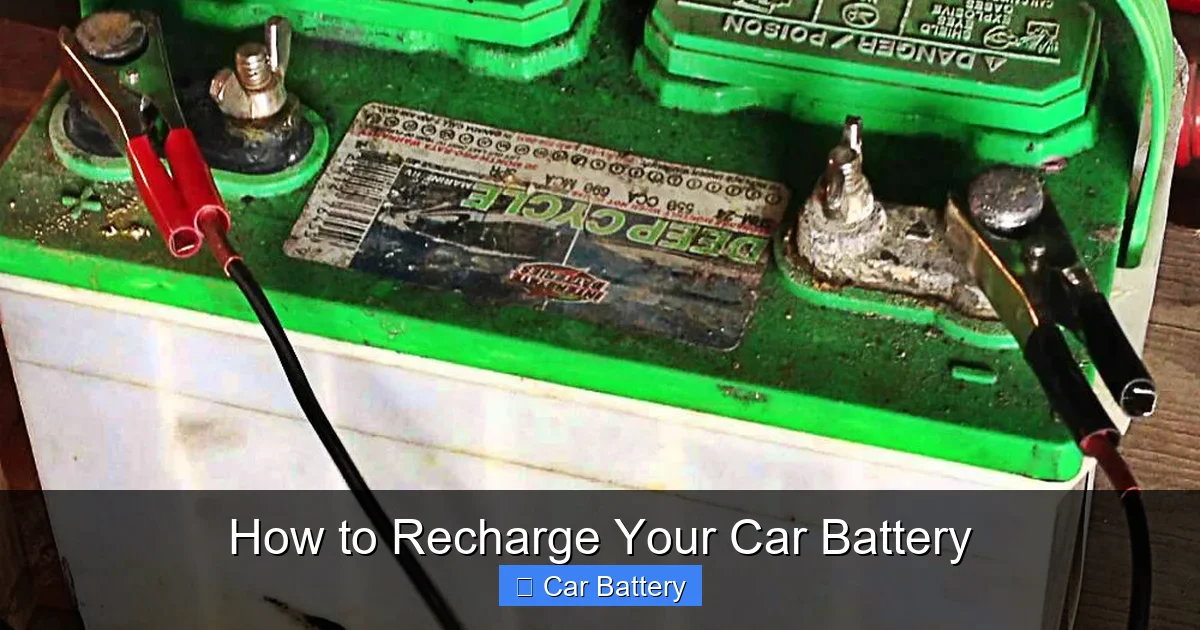
Recharging a car battery involves electricity, chemicals, and potentially flammable gases—so safety should always come first. A few simple precautions can prevent accidents and keep you safe.
Visual guide about How to Recharge Your Car Battery
Image source: carbatteryworld.com
Wear Protective Gear
Always wear safety goggles and rubber gloves when handling a car battery. Battery acid can cause severe burns, and sparks can ignite hydrogen gas released during charging. If you get acid on your skin, rinse it immediately with plenty of water.
Work in a Safe Environment
Choose a well-ventilated area, preferably outdoors or in a garage with the door open. Never charge a battery in a closed space—hydrogen gas buildup can lead to explosions. Avoid smoking, using lighters, or creating sparks near the battery.
Inspect the Battery
Before connecting any charger, give the battery a visual inspection. Look for:
- Cracks or leaks in the casing.
- Corrosion on the terminals (white or blue powdery buildup).
- Swelling or bulging, which indicates internal damage.
If you see any of these issues, do not attempt to recharge the battery. It may be unsafe and should be replaced instead.
Clean the Terminals
Corrosion on the battery terminals can interfere with charging. To clean them:
- Mix a tablespoon of baking soda with a cup of water.
- Dip an old toothbrush or wire brush into the solution and scrub the terminals.
- Rinse with clean water and dry thoroughly.
- Apply a thin layer of petroleum jelly or terminal protector to prevent future corrosion.
Clean terminals ensure a solid connection between the battery and charger, improving charging efficiency.
Turn Off the Engine and Accessories
Make sure the car is turned off and the keys are removed from the ignition. Turn off all lights, radio, and other electrical devices. This prevents power surges and reduces the risk of short circuits.
Choosing the Right Battery Charger
Not all chargers are created equal. Using the wrong type can damage your battery or even pose a safety risk. Here’s what to look for when choosing a charger.
Visual guide about How to Recharge Your Car Battery
Image source: batterychecks.com
Types of Battery Chargers
There are several types of car battery chargers, each with its own advantages:
- Trickle Chargers: Deliver a low, steady current over a long period. Ideal for maintaining a charge during storage but not ideal for quick recharging.
- Smart Chargers (Automatic Chargers): Detect the battery’s state and adjust the charging rate accordingly. They can switch to maintenance mode once fully charged, preventing overcharging.
- Fast Chargers (Boost Chargers): Deliver high amperage for quick charging. Useful in emergencies but can overheat or damage batteries if used improperly.
- Maintainers (Float Chargers): Designed for long-term use, keeping a battery at full charge without overcharging. Great for seasonal vehicles like motorcycles or RVs.
For most drivers, a smart charger is the best choice. It’s safe, efficient, and user-friendly.
Voltage and Amperage Compatibility
Most car batteries are 12-volt, so make sure your charger is compatible. Using a 6-volt charger on a 12-volt battery won’t work, and using a 24-volt charger can cause serious damage.
Amperage (amps) determines how fast the battery charges. A higher amp rating charges faster, but too much current can overheat the battery. Here’s a general guide:
- 2-amp charger: Best for maintenance and slow charging. Takes 24–48 hours to fully charge a dead battery.
- 10-amp charger: Good for moderate charging. Can recharge a battery in 4–12 hours.
- 20-amp or higher: Fast charging, but use with caution. Only use for short periods and monitor closely.
For everyday use, a 10-amp smart charger strikes a good balance between speed and safety.
Additional Features to Consider
Modern chargers come with helpful features:
- Reverse polarity protection: Prevents damage if you accidentally connect the cables wrong.
- Desulfation mode: Helps break down sulfate buildup on battery plates, extending battery life.
- Battery type selection: Allows you to choose settings for AGM, gel, or standard batteries.
- LCD display: Shows voltage, charging status, and error messages.
Investing in a quality charger with these features can save you time and extend your battery’s lifespan.
Step-by-Step Guide to Recharging Your Car Battery
Now that you’re prepared and have the right tools, it’s time to recharge your battery. Follow these steps carefully to ensure a safe and successful charge.
Step 1: Position the Charger
Place the charger on a stable, dry surface near the battery. Make sure the charger’s power cord can reach an outlet without stretching or creating a tripping hazard. Keep the charger away from water, heat sources, and flammable materials.
Step 2: Disconnect the Battery (Optional but Recommended)
While you can charge the battery while it’s still in the car, disconnecting it is safer and more effective. Here’s how:
- Open the hood and locate the battery.
- Use a wrench to loosen the nut on the negative terminal (marked with a “-” or black cover).
- Remove the negative cable and secure it away from the terminal.
- Repeat for the positive terminal (marked with a “+” or red cover).
Removing the battery eliminates the risk of damaging the car’s electronics during charging. If you choose to charge in the car, skip disconnecting but be extra cautious.
Step 3: Connect the Charger
Attach the charger cables in the correct order:
- Connect the red (positive) clamp to the positive terminal.
- Connect the black (negative) clamp to the negative terminal.
Double-check the connections to ensure they’re secure and not touching each other. A loose connection can cause sparks or poor charging.
Step 4: Set the Charger
Turn on the charger and select the appropriate settings:
- Choose “12V” for most car batteries.
- Select the battery type (standard, AGM, etc.) if your charger has that option.
- Set the charging rate (e.g., 10 amps for a moderate charge).
If using a smart charger, it may automatically detect the battery and adjust settings. Just press “start” and let it do the work.
Step 5: Start Charging
Once everything is set, plug in the charger and begin the charging process. Most smart chargers will display the current voltage and charging progress. A fully discharged battery may take several hours to recharge, depending on its size and the charger’s output.
Avoid leaving the charger unattended for long periods, especially with fast chargers. Check periodically to ensure everything is working properly.
Step 6: Monitor the Process
Watch for signs of trouble:
- Excessive heat or swelling—stop charging immediately.
- Strong smell of sulfur (rotten eggs)—indicates overcharging or internal damage.
- Sparks or smoke—disconnect the charger and move to a safe area.
If your charger has a “float” or “maintenance” mode, it will automatically switch to it once the battery is fully charged. This keeps the battery topped off without overcharging.
Step 7: Disconnect the Charger
When charging is complete:
- Unplug the charger from the wall outlet.
- Remove the black (negative) clamp first.
- Remove the red (positive) clamp.
Reversing the order (removing positive first) can cause a short circuit if the negative clamp touches metal.
Step 8: Reconnect the Battery
If you removed the battery, reinstall it in reverse order:
- Attach the positive cable to the positive terminal and tighten the nut.
- Attach the negative cable to the negative terminal and tighten the nut.
Make sure the connections are tight and secure. Loose terminals can cause electrical issues or prevent the car from starting.
Step 9: Test the Battery
Before driving, test the battery to ensure it’s holding a charge:
- Use a multimeter to check voltage. A reading of 12.6 volts or higher indicates a full charge.
- Start the car and observe if it cranks normally.
- Turn on headlights and other accessories to see if they work properly.
If the car starts easily and electrical systems function normally, your battery is ready to go.
Tips for Maintaining a Healthy Battery
Recharging your battery is just one part of battery care. To extend its life and avoid future problems, follow these maintenance tips.
Drive Regularly
Batteries recharge while you drive, thanks to the alternator. If your car sits for days or weeks, the battery can slowly lose charge. Try to drive at least 20–30 minutes every few days to keep the battery topped off.
Use a Battery Maintainer
If you have a seasonal vehicle or don’t drive often, consider using a battery maintainer. These devices plug into an outlet and keep the battery charged without overcharging. They’re especially useful for classic cars, motorcycles, or boats.
Check Battery Health Annually
Most batteries last 3–5 years. Have your battery tested during routine maintenance or at an auto parts store. Many stores offer free battery testing and can tell you if it’s time for a replacement.
Keep Terminals Clean
Corrosion builds up over time and can interfere with charging. Clean the terminals every 6 months or whenever you notice buildup.
Avoid Deep Discharges
Letting your battery drain completely too often can shorten its lifespan. If you frequently leave lights on or use accessories with the engine off, consider installing a battery disconnect switch or using a portable jump starter.
Protect from Extreme Temperatures
Heat and cold both affect battery performance. In hot climates, park in the shade or use a car cover. In cold weather, consider a battery blanket or park in a garage to keep the battery warm.
When to Replace Instead of Recharge
While recharging can revive a weak battery, it’s not a permanent fix for all problems. Sometimes, replacement is the only safe option.
Signs It’s Time for a New Battery
- The battery won’t hold a charge after multiple recharging attempts.
- It’s more than 5 years old.
- You notice swelling, cracks, or leaks.
- The car frequently needs jump-starts.
- The battery fails a load test at an auto shop.
Replacing a battery is a straightforward process, and most auto parts stores offer installation services. Investing in a quality battery can save you from future breakdowns.
Conclusion
Recharging your car battery is a practical skill that every driver should know. With the right tools, safety precautions, and step-by-step guidance, you can restore power to a dead battery and get back on the road quickly. Whether you’re dealing with a simple drain or preparing for winter, understanding how to recharge your car battery empowers you to handle emergencies with confidence.
Remember to prioritize safety, choose the right charger, and maintain your battery regularly. And when in doubt, don’t hesitate to consult a professional. A little knowledge goes a long way in keeping your car reliable and your journeys stress-free.
Frequently Asked Questions
Can I recharge a car battery while it’s still in the car?
Yes, you can recharge a car battery without removing it. However, disconnecting the battery is safer and reduces the risk of damaging the vehicle’s electronics. Always turn off the engine and all accessories before charging.
How long does it take to recharge a car battery?
Charging time depends on the battery’s condition and the charger’s amperage. A 10-amp charger typically takes 4–12 hours to fully recharge a dead battery. Smart chargers may take longer but are safer and prevent overcharging.
Is it safe to leave a battery charger on overnight?
It’s safe if you’re using a smart charger with automatic shutoff. These chargers stop charging when the battery is full. Avoid leaving fast chargers unattended for long periods, as they can overheat.
Can a completely dead battery be recharged?
Yes, but deeply discharged batteries may take longer to recharge and might not hold a charge as well. If a battery has been dead for weeks, it may have sulfation damage and could need replacement.
Do I need to add water to my car battery before charging?
Only if it’s a flooded lead-acid battery with removable caps. Check the electrolyte level and add distilled water if it’s low. AGM and sealed batteries do not require water.
What should I do if my battery keeps dying?
Frequent battery drain could indicate a faulty alternator, parasitic draw, or an old battery. Have your charging system tested by a mechanic to identify the root cause.