
How to Open a Nissan Altima Hood with a Dead Battery

If your Nissan Altima has a dead battery and you can’t pop the hood electronically, don’t panic—there’s a manual release option. This guide walks you through safe, effective methods to access the engine bay without power, including locating the manual latch and using emergency tools.
Have you ever been in that frustrating situation where your Nissan Altima won’t start, the dashboard lights are dim, and you suspect a dead battery—only to realize you can’t even open the hood to check it? It’s a classic automotive Catch-22: the battery is likely dead, but you need access to the engine bay to jump-start it or replace it. And since the hood release on most modern Altimas is electronically assisted or relies on power from the cabin fuse box, a completely dead battery can leave you stranded.
But here’s the good news: Nissan designed the Altima with a fail-safe. Even when the battery is completely drained, there’s still a way to open the hood manually. It’s not as obvious as an old-school mechanical latch, but it’s there—and once you know where to look and what to do, it’s surprisingly straightforward. This guide will walk you through every step, from locating the hidden manual release to safely lifting the hood without damaging your car. Whether you’re dealing with a dead battery, a faulty fuse, or just want to be prepared for emergencies, knowing how to open a Nissan Altima hood with a dead battery is a must-have skill for any owner.
We’ll cover everything from the basics of the hood release system to troubleshooting tips if things don’t go as planned. You’ll learn how to use everyday tools, what to avoid, and how to prevent this problem in the future. Plus, we’ll share real-life scenarios and practical advice so you can stay calm and confident, no matter where you are when your car decides to quit on you.
Key Takeaways
- Manual Hood Release Exists: Every Nissan Altima has a manual hood release lever under the dashboard, accessible even with a dead battery.
- Locate the Lever Correctly: The release is typically on the lower left side of the driver’s footwell, near the door sill.
- Use a Flashlight in Low Light: Visibility is key—always carry a small flashlight in your glove box for emergencies.
- Pull Firmly but Gently: Apply steady pressure to the lever; avoid jerking to prevent damage to the cable or mechanism.
- Secondary Safety Latch Must Be Released Manually: After pulling the interior lever, you’ll need to reach under the hood to disengage the safety catch with your fingers or a tool.
- Prevent Future Issues with Regular Maintenance: Keep the hood release cable lubricated and test it monthly to ensure smooth operation.
- Call for Help if Stuck: If the hood won’t budge, avoid forcing it—contact roadside assistance or a trusted mechanic.
📑 Table of Contents
Understanding the Nissan Altima Hood Release System
Before diving into the steps, it helps to understand how the hood release actually works in your Nissan Altima. Unlike older vehicles that rely solely on a mechanical cable from the interior lever to the hood latch, modern Altimas use a hybrid system. When you pull the interior hood release lever—usually located on the lower left side of the driver’s dashboard—it sends a signal through the vehicle’s electrical system to activate a solenoid or motor that disengages the primary latch. This electronic assist makes the process smoother and quieter, but it also means that if the battery is completely dead, the system won’t respond.
However, Nissan didn’t leave owners completely helpless. Beneath the electronic system lies a traditional mechanical backup. The interior lever is still physically connected to the hood latch via a steel cable. When you pull the lever, that cable should still move the latch mechanism—even without power. The catch? The electronic system often adds resistance or locks the mechanism in place when power is lost. That’s why simply pulling the lever might not be enough. You may need to apply more force or use a secondary method to fully release the hood.
It’s also worth noting that the hood has two stages of release: the primary latch and a secondary safety latch. The primary latch is what the interior lever controls. Once that’s disengaged, the hood will pop up slightly—but only about an inch or two. At that point, the secondary latch (also called the safety catch) kicks in to prevent the hood from flying open accidentally. This secondary latch must be manually released by reaching under the hood and sliding or lifting it with your fingers or a tool. This two-stage system is a safety feature required by law, and it’s present on nearly all modern vehicles, including every model year of the Nissan Altima.
Understanding this dual-latch system is crucial. If you pull the interior lever and the hood doesn’t budge at all, the issue might be a seized cable, a broken lever, or excessive resistance from the electronic lock. But if the hood pops slightly and then stops, you’ve successfully released the primary latch—and now it’s time to deal with the secondary one. Knowing the difference can save you time, frustration, and potential damage to your vehicle.
Step-by-Step Guide to Opening the Hood with a Dead Battery
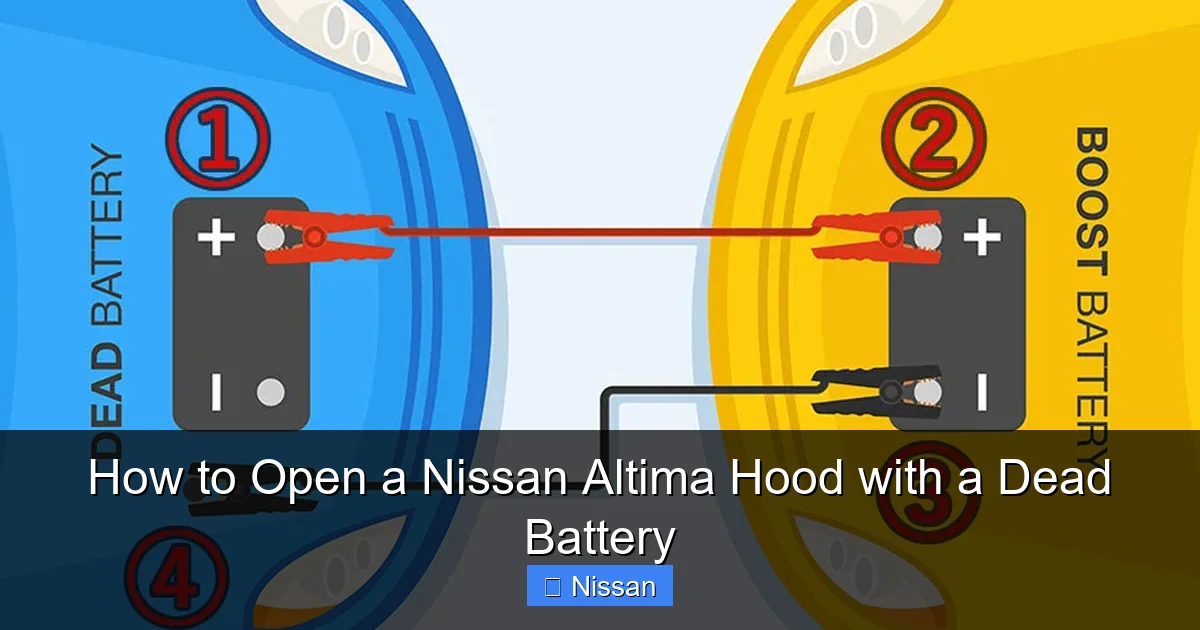
Visual guide about How to Open a Nissan Altima Hood with a Dead Battery
Image source: wheelsjoint.com
Now that you understand how the system works, let’s get into the actual process. Opening the hood of a Nissan Altima with a dead battery is entirely possible—it just requires a bit of patience and the right technique. Follow these steps carefully, and you’ll have access to the engine bay in just a few minutes.
Step 1: Locate the Interior Hood Release Lever
Start by getting into the driver’s seat. Even if the car won’t start, you should still be able to sit inside and access the controls. Look toward the lower left side of the dashboard, near the door sill and just above the footwell. You’re searching for a small, plastic lever—usually black or gray—with a hood icon or the word “HOOD” printed on or near it. On most Altima models from 2007 to 2024, this lever is positioned within easy reach, often tucked just behind the steering column.
If you’re having trouble finding it, try running your hand along the edge of the dashboard near the door. The lever is typically recessed slightly to prevent accidental activation. Some models may have a small cover or flap over the lever, so gently lift or slide it aside if present. Don’t worry if it feels stiff—this is normal, especially in colder weather or if the car hasn’t been used in a while.
Step 2: Pull the Lever Firmly
Once you’ve located the lever, grab it with your fingers and pull it toward you in a smooth, steady motion. You should feel some resistance, especially if the battery is dead and the electronic lock is engaged. Apply firm pressure—don’t yank or jerk it, as this could damage the cable or the mechanism inside. Think of it like opening a stubborn drawer: steady and consistent wins the race.
If the lever moves but nothing happens at the hood, try pulling it two or three times in succession. Sometimes the cable needs a little coaxing to overcome friction or corrosion. On some Altima models, the lever may only move a short distance, so don’t expect a long pull like on older cars. A short, firm tug is usually all that’s needed.
Step 3: Listen and Feel for the Hood Pop
After pulling the lever, walk to the front of the vehicle and listen closely. You should hear a soft “click” or “thunk” as the primary latch releases. At the same time, you may feel the hood lift slightly—usually about half an inch to an inch. This is your confirmation that the primary latch has disengaged.
If you don’t hear or feel anything, return to the driver’s seat and try pulling the lever again. Sometimes the cable slips or binds, especially if the car has been sitting for a long time. You can also try gently rocking the hood up and down with your hands while someone else pulls the lever inside. This can help loosen a stuck latch.
Step 4: Release the Secondary Safety Latch
Once the hood has popped slightly, it’s time to deal with the secondary safety latch. This is the part that trips up most people. The safety latch is located in the center of the hood, just behind the Nissan emblem or grille. It’s a small, spring-loaded mechanism that prevents the hood from opening fully unless manually released.
To access it, kneel or crouch in front of the car and reach under the hood. You’ll need to slide your hand through the small gap between the hood and the radiator support. Feel around the center area for a small lever, button, or sliding tab. On most Altimas, it’s a horizontal lever that you push to the left or right (depending on the model year) to release the hood.
Use your fingers if possible—this is the cleanest and safest method. If your hands are too large or the gap is too tight, you can use a flathead screwdriver, a sturdy butter knife, or even a long zip tie. Gently insert the tool into the gap and feel for the latch. Once you locate it, apply steady pressure in the correct direction (usually to the driver’s side) until you hear a click. The hood should then lift freely.
Step 5: Lift the Hood and Secure It
With both latches released, you can now lift the hood. Use both hands and lift evenly to avoid bending or warping the hood. Once it’s open, locate the hood prop rod—a metal or plastic rod that extends from the underside of the hood to a socket on the engine bay. Insert the rod into the socket to keep the hood securely open while you work.
Never rely on the hydraulic struts alone to hold the hood up, especially in windy conditions or if the struts are old and weak. A falling hood can cause serious injury or damage to the paint and components underneath. Always use the prop rod.
Tools and Tips for Tough Situations

Visual guide about How to Open a Nissan Altima Hood with a Dead Battery
Image source: safetywish.com
Sometimes, even following the steps above doesn’t work. The cable might be seized, the latch corroded, or the electronic lock completely frozen. In these cases, you’ll need a few extra tools and techniques to get the job done.
Use a Flashlight for Better Visibility
If you’re trying to open the hood at night or in a dimly lit garage, visibility is your biggest enemy. Always carry a small flashlight in your glove box or center console. A headlamp can be even more helpful, as it leaves your hands free to work. Shine the light into the gap under the hood to help you locate the safety latch more easily.
Lubricate the Latch and Cable
Over time, the hood release cable and latch mechanism can accumulate dirt, rust, or grime, making them harder to operate. If you’re struggling to pull the lever or release the safety latch, try spraying a small amount of WD-40 or silicone-based lubricant into the latch area. You can access this by removing the plastic cover behind the grille or by spraying through the gap under the hood.
Avoid using grease or oil-based lubricants, as they can attract dirt and make the problem worse over time. Silicone spray is ideal because it repels water and doesn’t degrade rubber or plastic components.
Try the “Double Pull” Method
Some Altima owners report success with a technique called the “double pull.” Here’s how it works: pull the interior lever once and hold it for 5–10 seconds, then release it completely. Wait 10 seconds, then pull it again with firm pressure. This can help reset the electronic lock or overcome minor resistance in the cable.
Use a Long, Thin Tool for the Safety Latch
If your fingers can’t reach the safety latch, a long, thin tool can be a lifesaver. A flathead screwdriver, a paint stirrer, or even a straightened coat hanger can work. Be careful not to scratch the paint or damage the latch. Insert the tool gently and feel for the mechanism. Once you locate it, apply steady pressure in the correct direction.
Check for Obstructions
Sometimes, debris like leaves, dirt, or ice can block the latch mechanism. If you live in an area with harsh winters, ice buildup can freeze the latch shut. Use a hairdryer or warm water (not boiling) to gently melt the ice. Never use a torch or open flame, as this can damage the paint or wiring.
Preventing Future Hood Release Problems
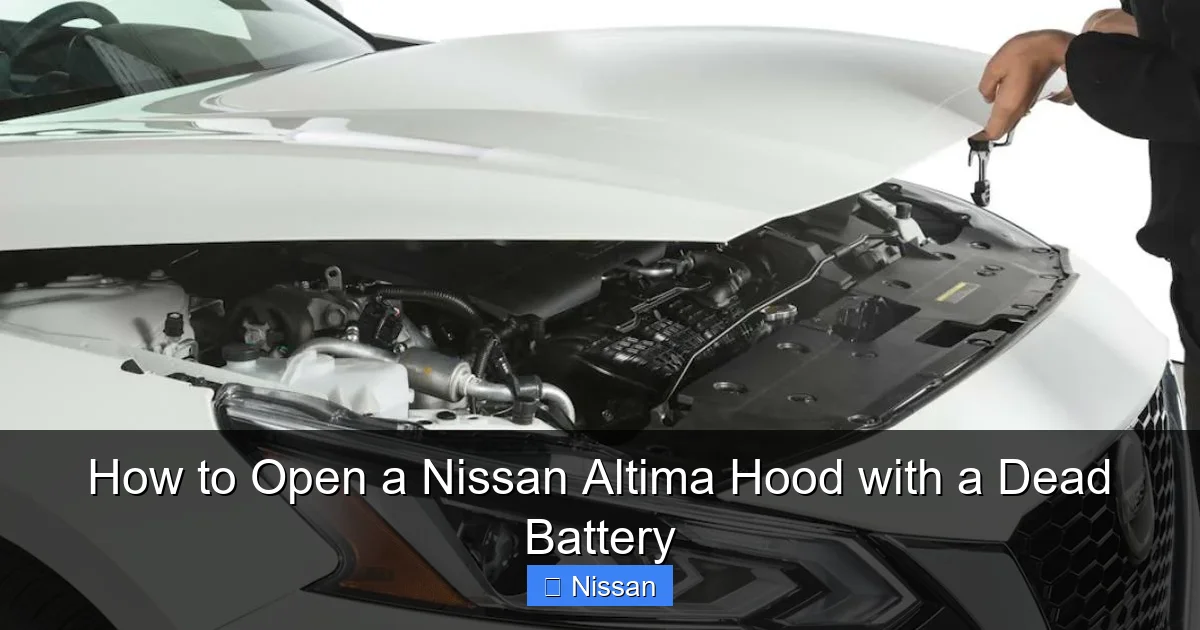
Visual guide about How to Open a Nissan Altima Hood with a Dead Battery
Image source: trucksauthority.com
The best way to deal with a dead battery hood issue is to avoid it altogether. With a little regular maintenance, you can keep your hood release system working smoothly for years.
Test the Hood Release Monthly
Make it a habit to test the hood release lever once a month. Pull it and listen for the click. If it feels stiff or unresponsive, investigate immediately. Catching a problem early can save you from being stranded.
Lubricate the Cable and Latch Annually
Once a year, apply a small amount of silicone spray to the hood latch and cable. This prevents rust and keeps everything moving freely. You can access the latch by opening the hood normally (when the battery is alive) and spraying directly onto the mechanism.
Keep the Battery Maintained
A dead battery is often the root cause of this problem. To prevent it, check your battery’s health regularly—especially if your Altima is more than three years old. Use a multimeter to test voltage (should be 12.6V or higher when off) and consider replacing the battery every 4–5 years.
Install a Battery Maintainer
If you don’t drive your Altima frequently, consider using a battery maintainer or trickle charger. These devices keep the battery topped off without overcharging it, extending its life and preventing unexpected failures.
Keep Emergency Tools in the Car
Store a small toolkit in your glove box or trunk. Include a flashlight, a flathead screwdriver, a set of jumper cables, and a portable jump starter. These tools can help you handle not just hood issues, but a variety of roadside emergencies.
When to Call for Professional Help
While most hood release problems can be solved with the steps above, there are times when you should call a professional. If you’ve tried everything and the hood still won’t open, don’t force it. Forcing the hood can bend the hinges, crack the latch, or damage the cable—leading to expensive repairs.
Signs that you need professional help include:
– The interior lever won’t move at all
– The cable feels broken or disconnected
– The hood is partially open but won’t lift further
– You hear grinding or snapping sounds when pulling the lever
In these cases, contact roadside assistance or a trusted mechanic. Many services can remotely diagnose the issue or send a technician with the right tools to open the hood safely.
Real-Life Scenarios and Owner Experiences
To bring this guide to life, let’s look at a few real-world examples of Altima owners who’ve faced this issue—and how they solved it.
One owner, Sarah from Ohio, was stranded at a grocery store when her 2016 Altima wouldn’t start. She tried pulling the hood release lever, but nothing happened. After checking online, she realized she needed to pull the lever multiple times and then reach under the hood to release the safety latch. With the help of a flashlight and a butter knife from her kitchen, she was able to open the hood and jump-start the car.
Another owner, Mike from Arizona, discovered that extreme heat had caused the hood latch to seize. He used a silicone spray and a long screwdriver to free it. Now, he keeps a small bottle of lubricant in his car at all times.
These stories show that with the right knowledge and tools, even a dead battery won’t keep you from getting back on the road.
Conclusion
Opening a Nissan Altima hood with a dead battery might seem impossible at first, but it’s entirely doable with the right approach. By understanding the dual-latch system, locating the manual release lever, and using simple tools, you can access your engine bay safely and efficiently. Regular maintenance and preparedness can prevent this issue from happening again, and knowing when to call for help ensures you don’t cause further damage.
Whether you’re dealing with a dead battery, a faulty fuse, or just want to be ready for emergencies, this skill is invaluable. Keep this guide handy, store a few basic tools in your car, and you’ll never be left wondering how to open your Altima’s hood again.
Frequently Asked Questions
Can I open the hood of a Nissan Altima if the battery is completely dead?
Yes, you can. The Nissan Altima has a mechanical hood release lever inside the cabin that operates independently of the battery. Even with a dead battery, you can pull the lever and manually release the hood using the secondary safety latch.
Where is the hood release lever located in a Nissan Altima?
The hood release lever is typically found on the lower left side of the driver’s dashboard, near the door sill and footwell. It’s a small plastic lever, often marked with a hood icon or the word “HOOD.”
What do I do if the hood pops but won’t open fully?
This means the primary latch has released, but the secondary safety latch is still engaged. Reach under the hood through the small gap and locate the center latch. Use your fingers or a tool to slide or push it to the side to fully release the hood.
Can I use a screwdriver to open the hood?
Yes, but only to release the secondary safety latch. Insert a flathead screwdriver gently into the gap under the hood and feel for the latch. Avoid using excessive force to prevent damage to the paint or mechanism.
How can I prevent the hood release from sticking?
Lubricate the latch and cable annually with silicone spray, test the release lever monthly, and keep the battery maintained. Regular care prevents rust, corrosion, and stiffness in the mechanism.
Should I call a mechanic if the hood won’t open?
If you’ve tried all steps and the hood still won’t budge, or if you hear unusual noises, it’s best to call a professional. Forcing the hood can cause damage, so roadside assistance or a mechanic can help safely resolve the issue.