
How Often Do You Change Car Battery

Most car batteries last between 3 to 5 years, but driving habits, climate, and maintenance play a big role. Knowing when to replace your battery can prevent unexpected breakdowns and save you money in the long run.
Key Takeaways
- Battery lifespan is typically 3–5 years: Most car batteries last between three and five years, though some can go longer with proper care.
- Climate affects battery life: Extreme heat or cold can shorten a battery’s lifespan by accelerating chemical reactions or reducing efficiency.
- Frequent short trips strain the battery: Short drives don’t allow the alternator enough time to fully recharge the battery, leading to gradual power loss.
- Warning signs include slow cranking and dim lights: If your engine turns over slowly or headlights dim at idle, it’s time to test the battery.
- Regular maintenance extends battery life: Cleaning terminals, checking voltage, and securing the battery can prevent early failure.
- Modern cars may need specialized batteries: Vehicles with start-stop technology or high electrical loads often require AGM or EFB batteries.
- Always test before replacing: A free battery test at an auto shop can confirm if replacement is truly needed.
📑 Table of Contents
How Often Do You Change Car Battery? A Complete Guide
Have you ever turned the key in your ignition, only to hear a sluggish, hesitant cranking sound—or worse, nothing at all? If so, you’ve likely experienced the frustration of a dying car battery. It’s one of those car parts we often take for granted—until it fails. But how often do you change car battery? The answer isn’t as simple as a fixed timeline. While most car batteries are designed to last between three and five years, many factors can shorten or extend that lifespan.
Understanding when and why to replace your car battery can save you from being stranded on the side of the road, especially during cold winter mornings or sweltering summer days. In this guide, we’ll break down everything you need to know about car battery longevity, including the signs of a failing battery, how driving habits and weather affect performance, and practical tips to get the most out of your battery. Whether you’re a new driver or a seasoned car owner, this information will help you stay ahead of potential problems and keep your vehicle running smoothly.
Understanding Car Battery Lifespan
What Determines How Long a Battery Lasts?
The average car battery lasts about 3 to 5 years, but this isn’t a hard rule. Several factors influence how long your battery will perform reliably. The most important is the type of battery itself. Traditional lead-acid batteries are common in older vehicles and budget-friendly models, while newer cars—especially those with advanced electronics—often use Absorbent Glass Mat (AGM) or Enhanced Flooded Battery (EFB) technologies. These modern batteries are built to handle higher electrical demands and can last up to 6 or 7 years under ideal conditions.
Visual guide about How Often Do You Change Car Battery
Image source: i.ytimg.com
Another key factor is the quality of the battery. Premium brands like Optima, Interstate, or Bosch tend to use better materials and manufacturing processes, which can translate into longer life and more reliable performance. Cheaper, off-brand batteries may save you money upfront but could fail sooner, leaving you with unexpected repair costs.
The Role of Driving Habits
How you drive your car has a direct impact on your battery’s health. Frequent short trips—like driving to the grocery store or dropping kids off at school—don’t give your alternator enough time to fully recharge the battery after starting the engine. Over time, this constant partial charging can lead to a condition called “sulfation,” where sulfate crystals build up on the battery plates and reduce its ability to hold a charge.
On the other hand, long highway drives allow the alternator to work efficiently and recharge the battery fully. If you mostly take short trips, consider using a battery maintainer or trickle charger during long periods of inactivity. This is especially helpful if you have a classic car or a vehicle you don’t drive often.
Climate and Weather Conditions
Believe it or not, the weather where you live plays a major role in how often you’ll need to change your car battery. Extreme temperatures—both hot and cold—are tough on batteries. In cold climates, the chemical reactions inside the battery slow down, reducing its ability to deliver the high current needed to start the engine. This is why so many people experience battery failures in winter.
Conversely, hot weather can be just as damaging. High temperatures accelerate the rate of evaporation of the electrolyte inside the battery and can cause internal corrosion. In fact, studies show that a battery in a hot climate like Arizona or Texas may only last 2 to 3 years, while the same battery in a milder climate like Oregon or Washington could last 5 years or more.
Signs It’s Time to Change Your Car Battery
Slow Engine Crank
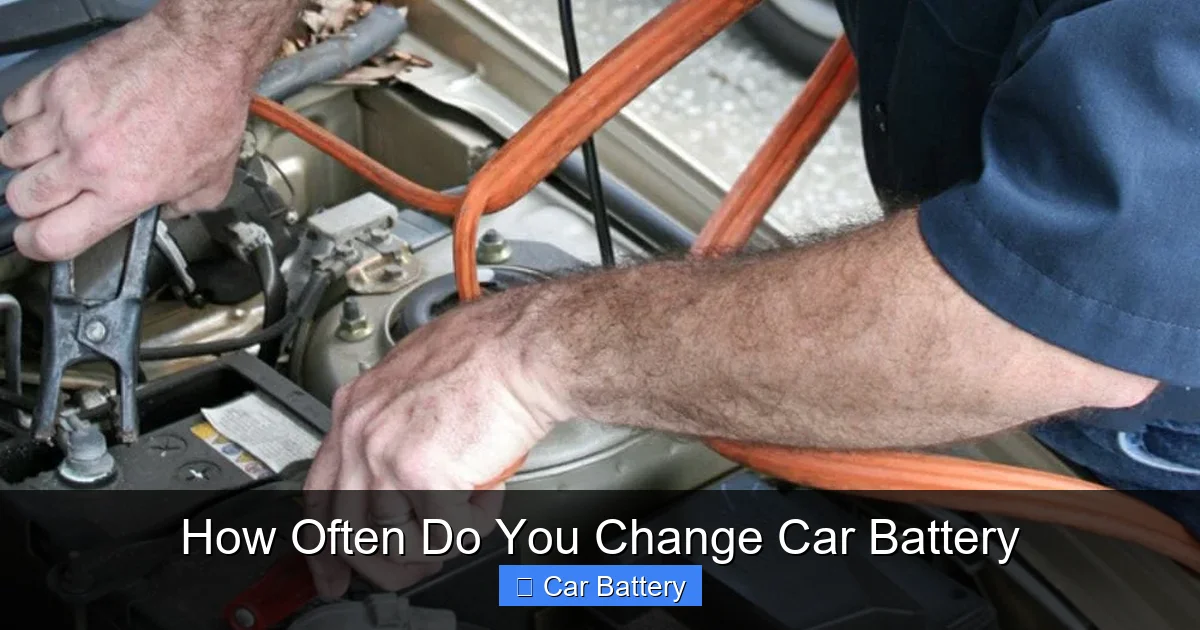
One of the most obvious signs that your battery is failing is a slow engine crank. When you turn the key, the engine should fire up quickly and smoothly. If it takes longer than usual—especially on cold mornings—it could mean the battery doesn’t have enough power to turn the starter motor effectively. This is often one of the first red flags that your battery is nearing the end of its life.
Visual guide about How Often Do You Change Car Battery
Image source: vehiclefreak.com
Dim Headlights and Electrical Issues
Your car’s electrical system relies heavily on the battery, especially when the engine is off. If you notice that your headlights are dimmer than usual, especially when idling, or if interior lights flicker, it could indicate a weak battery. Other electrical symptoms include power windows moving slowly, radio cutting out, or dashboard warning lights appearing unexpectedly.
The Check Engine or Battery Warning Light
Modern vehicles are equipped with onboard diagnostics that monitor the health of the battery and charging system. If your dashboard shows a battery-shaped warning light or the check engine light comes on, it’s time to get your battery tested. These lights don’t always mean the battery itself is bad—sometimes it’s the alternator or voltage regulator—but it’s a clear signal that something isn’t right.
Swollen or Bloated Battery Case
Physical inspection can also reveal battery problems. If the battery case appears swollen or bloated, it’s likely due to excessive heat causing the internal components to expand. This is a serious issue and means the battery should be replaced immediately. A swollen battery is not only ineffective but can also be a safety hazard.
Old Age and Routine Maintenance
Even if your battery seems to be working fine, age is a critical factor. Most manufacturers recommend replacing your battery every 4 to 5 years as a preventive measure. If your battery is more than 3 years old and you’re starting to notice minor issues—like needing a jump start after sitting overnight—it’s probably time to consider a replacement before you’re left stranded.
How to Extend the Life of Your Car Battery
Keep the Battery Clean and Secure
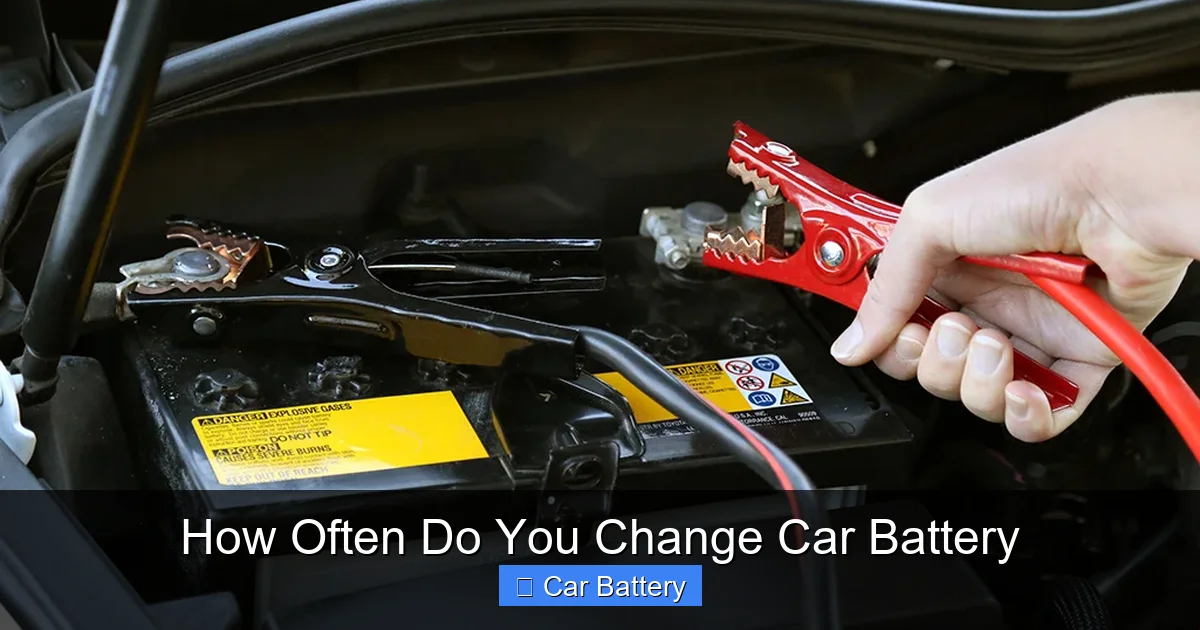
Dirt, grease, and corrosion on the battery terminals can interfere with the flow of electricity. Over time, corrosion (a white, powdery substance) can build up and create resistance, making it harder for the battery to deliver power. To prevent this, inspect your battery terminals every few months and clean them with a mixture of baking soda and water. Use a wire brush to scrub away any buildup, then rinse and dry thoroughly.
Visual guide about How Often Do You Change Car Battery
Image source: contentgrid.homedepot-static.com
Also, make sure the battery is securely mounted. Vibrations from driving can loosen connections or damage internal components. A loose battery can also shift during sudden stops or turns, potentially causing a short circuit.
Limit Short Trips and Use a Battery Maintainer
As mentioned earlier, short trips are hard on your battery. If your daily routine involves lots of quick errands, consider combining trips when possible. Alternatively, if you have a vehicle that sits unused for days or weeks—like a weekend car or RV—invest in a smart battery maintainer. These devices plug into a wall outlet and keep the battery at an optimal charge level without overcharging.
Turn Off Accessories When the Engine Is Off
It’s tempting to leave the radio, lights, or air conditioning running while parked, but this drains the battery quickly. Even small draws—like a phone charger or interior light—can deplete the battery over time. Always turn off all accessories before shutting off the engine, especially if you’re parking for an extended period.
Get Regular Battery Tests
Many auto parts stores offer free battery testing. These tests measure the battery’s voltage, cold cranking amps (CCA), and overall health. A simple test can tell you whether your battery is still strong or if it’s time for a replacement. It’s a good idea to get your battery tested at least once a year, especially as it approaches the 3-year mark.
Choosing the Right Replacement Battery
Know Your Vehicle’s Requirements
Not all batteries are created equal, and using the wrong type can lead to poor performance or even damage your vehicle’s electrical system. Always check your owner’s manual or the label on your current battery to find the correct group size, cold cranking amps (CCA), and reserve capacity (RC). These specifications ensure the new battery fits properly and can handle your car’s power demands.
Consider Upgrading to AGM or EFB
If your car has start-stop technology, advanced infotainment systems, or other high-drain electronics, you may need an AGM or EFB battery. These batteries are designed to handle frequent charging and discharging cycles and are more durable than standard lead-acid batteries. While they cost more upfront, they often last longer and perform better in demanding conditions.
Buy from a Reputable Source
When replacing your battery, choose a trusted retailer or mechanic. Look for brands with good warranties—many offer 3-year free replacement or prorated coverage. Avoid extremely cheap batteries, as they may be refurbished or low-quality units that won’t last.
When to Call a Professional
Complex Electrical Systems
Modern vehicles have sophisticated electrical systems that require careful handling. If your car has a start-stop system, advanced driver assistance features, or a complex infotainment setup, it’s best to have a professional install the new battery. They can ensure proper programming and avoid triggering error codes.
Battery Disposal and Recycling
Car batteries contain hazardous materials like lead and sulfuric acid, so they must be disposed of properly. Most auto shops will recycle your old battery for free when you purchase a new one. Never throw a car battery in the trash—it’s illegal in many areas and harmful to the environment.
Final Thoughts: Stay Ahead of Battery Failure
So, how often do you change car battery? While the average is 3 to 5 years, the real answer depends on your driving habits, climate, and how well you maintain your vehicle. By paying attention to warning signs, keeping your battery clean, and getting regular tests, you can maximize its lifespan and avoid unexpected breakdowns.
Remember, a car battery is more than just a power source—it’s a critical component that keeps your vehicle running safely and reliably. Taking a few minutes to check your battery now could save you hours of frustration later. Whether you’re due for a replacement or just want to stay proactive, use this guide to make informed decisions and keep your car in top shape.
Frequently Asked Questions
How often should I replace my car battery?
Most car batteries last between 3 and 5 years, but this can vary based on climate, driving habits, and battery type. It’s wise to test your battery annually after the 3-year mark.
Can a car battery last 10 years?
While extremely rare, some high-quality AGM batteries in ideal conditions have lasted up to 7 or 8 years. However, 10 years is highly unlikely and not recommended to wait that long without testing.
What causes a car battery to die prematurely?
Common causes include extreme temperatures, frequent short trips, leaving lights on, corroded terminals, and an aging alternator that fails to recharge the battery properly.
Can I jump-start a car with a completely dead battery?
Yes, in most cases you can jump-start a dead battery using jumper cables and another vehicle. However, if the battery is old or damaged, it may not hold a charge and will need replacement.
Is it safe to replace a car battery myself?
Yes, if you follow safety precautions like wearing gloves and eye protection, disconnecting the negative terminal first, and properly disposing of the old battery. However, modern cars with complex electronics may require professional installation.
Do I need to reprogram my car after replacing the battery?
Some vehicles with advanced systems may require reprogramming or resetting of electronic settings like radio presets, clock, or adaptive features. Check your owner’s manual or consult a mechanic if unsure.
