
How Much Is New Battery for Car

Replacing your car battery is essential for reliable performance, but costs vary widely. On average, a new car battery ranges from $100 to $300, depending on type, brand, and vehicle. Installation, warranty, and local labor fees can add to the total expense.
Imagine this: It’s a cold Monday morning, you’re running late for work, and you turn the key in your ignition—only to hear a weak, clicking sound. Your car won’t start. Chances are, your battery is the culprit. A dead or dying car battery is one of the most common automotive issues, and replacing it is often unavoidable. But before you rush to the nearest auto shop, it’s smart to understand how much a new battery for a car actually costs.
The price of a new car battery isn’t a one-size-fits-all number. It depends on several factors, including the type of battery, your vehicle’s make and model, where you live, and whether you install it yourself or hire a professional. While some drivers might pay as little as $100 for a basic replacement, others—especially those with luxury or hybrid vehicles—could spend $400 or more. Knowing what influences the cost can help you make an informed decision, avoid overpaying, and ensure your car starts reliably for years to come.
Key Takeaways
- Average Cost Range: Most new car batteries cost between $100 and $300, with premium or specialty batteries going higher.
- Battery Type Matters: Standard lead-acid, AGM, and lithium-ion batteries vary in price and performance.
- Vehicle Compatibility: Luxury, hybrid, and electric vehicles often require more expensive, specialized batteries.
- Installation Fees: Professional installation typically adds $20 to $100, depending on location and service provider.
- Warranty Coverage: Longer warranties (3–5 years) often justify a higher upfront cost and reduce long-term expenses.
- DIY vs. Professional Help: Installing a battery yourself can save money, but improper handling may void warranties or damage electronics.
- Seasonal Timing: Replacing your battery before winter can prevent cold-weather failures and may qualify you for seasonal discounts.
📑 Table of Contents
Understanding Car Battery Basics
Before diving into pricing, it helps to understand what a car battery does and why it’s so important. Your car’s battery is the heart of its electrical system. It provides the initial burst of power needed to start the engine and keeps essential components like lights, radio, and climate control running when the engine is off. Without a functioning battery, your car simply won’t operate.
How Car Batteries Work
Most car batteries are lead-acid batteries, which use a chemical reaction between lead plates and sulfuric acid to generate electricity. When you turn the key, the battery sends a high-current charge to the starter motor, which cranks the engine. Once the engine is running, the alternator takes over, recharging the battery and powering the vehicle’s electrical systems.
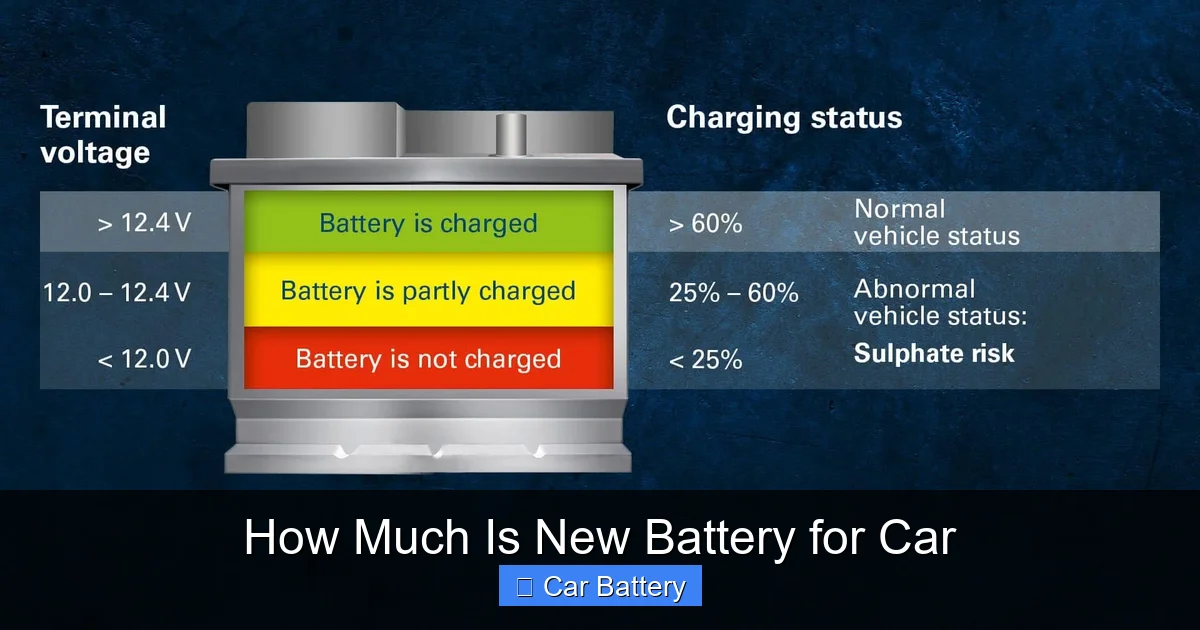
This cycle repeats every time you drive, and over time, the battery’s ability to hold a charge diminishes. Extreme temperatures, frequent short trips, and leaving electronics on while the engine is off can all accelerate battery wear. Most car batteries last between 3 to 5 years, though some high-quality models can last longer with proper care.
Signs You Need a New Battery
Knowing when to replace your battery can save you from being stranded. Common warning signs include:
- Slow engine crank (the engine takes longer to start)
- Dim headlights or interior lights
- Dashboard warning light (often labeled “ALT” or “BAT”)
- Swollen battery case (a sign of overheating or overcharging)
- Old age (if your battery is over 3 years old, it’s worth testing)
If you notice any of these symptoms, it’s a good idea to have your battery tested at an auto parts store or mechanic. Many stores offer free battery testing, which can help you determine whether replacement is necessary.
Factors That Affect the Cost of a New Car Battery
The price of a new car battery isn’t random—it’s influenced by several key factors. Understanding these can help you anticipate costs and choose the best option for your needs and budget.
Visual guide about How Much Is New Battery for Car
Image source: carwow-uk-wp-3.imgix.net
Battery Type and Technology
Not all car batteries are created equal. The type of battery you need directly impacts the price. Here are the most common types:
- Standard Flooded (Lead-Acid) Batteries: These are the most affordable and widely used. They’re reliable for most everyday vehicles and typically cost between $100 and $150. However, they require occasional maintenance, like checking fluid levels.
- Absorbent Glass Mat (AGM) Batteries: AGM batteries are more advanced and durable. They’re sealed, maintenance-free, and better at handling high electrical demands—ideal for vehicles with start-stop technology, luxury features, or frequent short trips. Prices range from $150 to $250.
- Lithium-Ion Batteries: Found in hybrid and electric vehicles, lithium-ion batteries are lightweight and long-lasting but significantly more expensive, often costing $300 to $600 or more. They’re not typically used in traditional gasoline-powered cars.
Choosing the right type depends on your vehicle’s requirements and your driving habits. For example, if you drive a modern SUV with heated seats, a touchscreen infotainment system, and automatic start-stop, an AGM battery is likely the best choice—even if it costs more upfront.
Vehicle Make and Model
Your car’s brand and model play a big role in battery pricing. Luxury vehicles like BMW, Mercedes-Benz, and Audi often require specialized batteries that are more expensive. These cars have complex electrical systems and may need batteries with higher cold cranking amps (CCA) or specific dimensions.
Hybrid and electric vehicles (like the Toyota Prius or Tesla Model 3) use high-voltage battery packs that are far more costly than standard 12-volt batteries. While the 12-volt auxiliary battery in a hybrid might cost $150–$250, the main traction battery can cost thousands to replace—though it rarely needs replacement during normal ownership.
Even among regular gasoline cars, some models require unique battery sizes or configurations. For instance, a Ford F-150 might use a larger battery than a Honda Civic, affecting both price and availability.
Brand and Quality
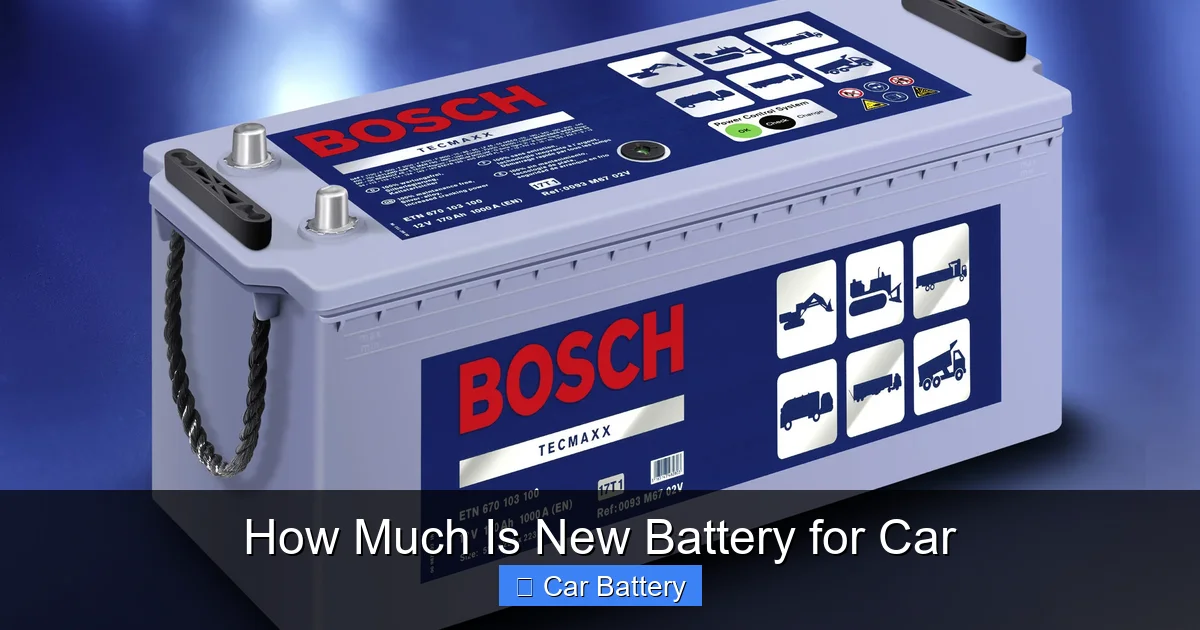
Just like with tires or oil, battery brands vary in quality and price. Well-known brands like Optima, DieHard, Interstate, and Bosch often charge a premium for reliability and longer lifespans. A premium AGM battery from Optima might cost $250, while a generic brand could be $120 for a similar size—but with a shorter warranty and lower performance.
Cheaper batteries may save you money upfront, but they often fail sooner, leaving you stranded and needing another replacement. Investing in a reputable brand with a strong warranty can save you money and stress in the long run.
Warranty Length
Battery warranties are a major factor in pricing. Most batteries come with a pro-rated warranty, meaning you get a partial refund or replacement if the battery fails within a certain period. For example, a 3-year free replacement warranty means the manufacturer will replace the battery at no cost if it fails within 36 months. After that, you might pay a percentage of the price for a replacement.
Batteries with longer warranties (4–5 years) tend to cost more but offer better value over time. A $200 battery with a 5-year warranty is often a smarter investment than a $120 battery with only a 2-year warranty.
Geographic Location and Climate
Where you live affects battery pricing and performance. In colder climates, batteries need higher cold cranking amps (CCA) to start the engine in freezing temperatures. Batteries rated for cold weather often cost more. Conversely, in hot climates, batteries degrade faster due to heat, so you may need to replace them more frequently.
Labor costs also vary by region. Urban areas with higher living costs often charge more for installation, while rural areas may have lower rates. Additionally, some states or regions have environmental fees for battery disposal, which can add $5–$15 to the total cost.
Average Cost Breakdown for a New Car Battery
Now that you know the factors that influence pricing, let’s look at the average costs you can expect when replacing your car battery.
Visual guide about How Much Is New Battery for Car
Image source: fastfix.com.sg
Base Battery Price
The core cost of the battery itself typically ranges from $100 to $300. Here’s a general breakdown:
- Economy Batteries: $100–$130 (basic lead-acid, shorter warranty)
- Mid-Range Batteries: $130–$200 (AGM or enhanced flooded, 3–4 year warranty)
- Premium Batteries: $200–$300+ (high-performance AGM, 5-year warranty, top brands)
For example, a standard battery for a Toyota Camry might cost around $120, while an AGM battery for a BMW 3 Series could be $240.
Installation Fees
If you don’t install the battery yourself, you’ll pay for labor. Most auto shops and dealerships charge between $20 and $100 for installation. Dealerships tend to be more expensive, often charging $80–$100, while independent mechanics or auto parts stores (like AutoZone or O’Reilly) may charge $20–$50.
Some stores offer free installation if you purchase the battery from them. This can be a great deal, especially if you’re not comfortable doing it yourself. However, always ask about hidden fees or environmental disposal charges.
Additional Costs
There are a few other expenses to consider:
- Core Charge: Many retailers charge a “core fee” of $10–$20 when you buy a new battery. This is refunded when you return your old battery, encouraging recycling.
- Disposal Fees: Some locations charge a small fee to safely dispose of your old battery, though this is often included in the core charge.
- Diagnostic Fees: If your car won’t start, a mechanic might charge $50–$100 to diagnose whether the battery or another component (like the alternator) is the problem.
Total Estimated Cost
Putting it all together, here’s what you might pay:
- Budget Option: $120 (battery) + $20 (installation) + $15 (core charge) = $155
- Mid-Range Option: $180 (AGM battery) + $40 (installation) + $15 (core) = $235
- Premium Option: $260 (high-end AGM) + $80 (dealership install) + $15 (core) = $355
Keep in mind that these are estimates. Prices can vary based on your location, vehicle, and current promotions.
DIY vs. Professional Installation: Which Is Better?
One of the biggest decisions when replacing a car battery is whether to do it yourself or hire a professional. Both options have pros and cons, and the best choice depends on your skills, tools, and confidence.
Visual guide about How Much Is New Battery for Car
Image source: tireonenashville.com
DIY Installation: Save Money, But Be Cautious
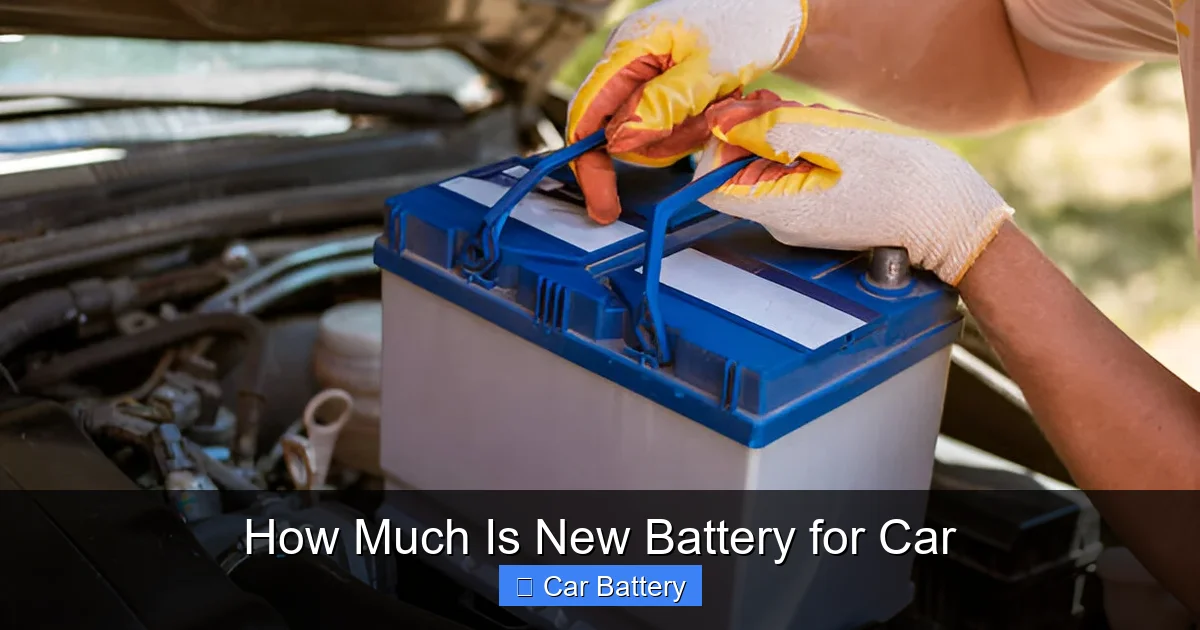
Installing a car battery yourself is relatively simple and can save you $20–$100 in labor costs. Most batteries are located under the hood and held in place with a clamp. You’ll need basic tools: a wrench or socket set, gloves, and safety glasses.
Here’s a quick step-by-step guide:
- Turn off the engine and remove the keys.
- Disconnect the negative (black) cable first, then the positive (red) cable.
- Remove the battery hold-down clamp and lift out the old battery.
- Place the new battery in the tray, secure it with the clamp.
- Connect the positive cable first, then the negative.
- Start the car to ensure it’s working properly.
Safety Tip: Always disconnect the negative terminal first to avoid short circuits. Wear gloves and eye protection—battery acid is corrosive.
However, DIY installation isn’t for everyone. Modern cars often have complex electrical systems, and disconnecting the battery can reset settings like radio presets, navigation systems, or even engine control modules. Some vehicles require a “battery reset” procedure using a diagnostic tool, which most DIYers don’t have.
Professional Installation: Peace of Mind
Having a professional install your battery ensures it’s done correctly and safely. Mechanics can also test your alternator and charging system to make sure the new battery will perform well. Many shops offer free installation with purchase, making it a convenient and cost-effective option.
Additionally, professionals handle disposal of your old battery, which is important for environmental reasons. Car batteries contain lead and acid, which are hazardous and must be recycled properly.
If you’re unsure about DIY or drive a modern vehicle with advanced electronics, professional installation is the safer choice.
Tips to Save Money on a New Car Battery
Replacing a car battery doesn’t have to break the bank. With a little planning and smart shopping, you can get a quality battery at a fair price.
Shop Around and Compare Prices
Don’t settle for the first quote you get. Check prices at multiple retailers, including auto parts stores, dealerships, and online sellers like Amazon or RockAuto. Use price comparison tools to find the best deal.
For example, the same AGM battery might cost $180 at AutoZone, $200 at a dealership, and $165 online (plus shipping). Factor in installation costs and warranties when comparing.
Look for Promotions and Discounts
Many auto parts stores run seasonal promotions, especially in fall and winter when battery failures are more common. You might find discounts like “Buy one, get 50% off installation” or “$20 off any battery purchase.” Sign up for store newsletters or loyalty programs to stay informed.
Some retailers also offer price matching, so if you find a lower price elsewhere, they’ll match it.
Choose the Right Battery for Your Needs
Don’t overspend on a battery with features you don’t need. If you drive a basic sedan and live in a mild climate, a standard flooded battery is sufficient. Save the AGM battery for vehicles with high electrical demands.
Similarly, avoid cheap, no-name batteries. They may fail within a year, costing you more in the long run.
Time Your Replacement Wisely
Replacing your battery before it completely dies can prevent emergency service calls and towing fees. If your battery is over 3 years old or showing signs of weakness, consider replacing it proactively—especially before winter.
Some mechanics offer discounts for preventative maintenance, and you’ll avoid the stress of a dead battery on a cold morning.
Recycle Your Old Battery
Always return your old battery to the retailer or a recycling center. Not only is it environmentally responsible, but you’ll also get your core charge refunded. Most auto parts stores accept old batteries for free.
When to Replace Your Car Battery
Knowing when to replace your battery can save you time, money, and frustration. While most batteries last 3–5 years, several factors can shorten their lifespan.
Age
Even if your battery seems to be working fine, it’s wise to replace it after 4–5 years. Batteries degrade over time, and a sudden failure can leave you stranded.
Driving Habits
Frequent short trips don’t allow the alternator enough time to fully recharge the battery, leading to gradual depletion. If you mostly drive short distances, consider using a battery maintainer or trickle charger when the car is parked.
Extreme Temperatures
Both extreme cold and heat are hard on batteries. In cold weather, the chemical reactions slow down, reducing power output. In hot weather, the battery fluid evaporates faster, accelerating wear. If you live in a harsh climate, inspect your battery more frequently.
Electrical Load
Cars with aftermarket electronics (like sound systems, dash cams, or phone chargers) place extra demand on the battery. If you’ve added accessories, consider upgrading to a higher-capacity battery.
Conclusion
So, how much is a new battery for a car? The answer isn’t simple, but with the information in this guide, you’re now equipped to make a smart, informed decision. On average, expect to pay between $100 and $300 for the battery itself, with installation adding another $20 to $100. The total cost depends on your vehicle, battery type, brand, and where you live.
While it’s tempting to go for the cheapest option, investing in a quality battery with a strong warranty can save you money and headaches down the road. Whether you choose DIY installation or professional help, regular maintenance and timely replacement are key to keeping your car running smoothly.
Don’t wait until your car won’t start on a freezing morning. Test your battery regularly, watch for warning signs, and replace it before it fails. A reliable battery isn’t just a convenience—it’s essential for your safety and peace of mind on the road.
Frequently Asked Questions
How much is a new battery for a car on average?
The average cost of a new car battery ranges from $100 to $300, depending on the type, brand, and vehicle. Installation can add $20 to $100, bringing the total to $120–$400.
Can I install a car battery myself?
Yes, most car batteries can be installed at home with basic tools. However, modern vehicles may require a reset procedure, so professional installation is safer for complex systems.
What’s the difference between AGM and standard batteries?
AGM batteries are sealed, maintenance-free, and better for high-demand vehicles. Standard flooded batteries are cheaper but require occasional maintenance and are less durable.
How long do car batteries last?
Most car batteries last 3 to 5 years, but lifespan depends on climate, driving habits, and vehicle type. Regular testing can help predict when replacement is needed.
Is it worth buying a more expensive battery?
Yes, if it comes with a longer warranty and better performance. Premium batteries often last longer and perform better in extreme conditions, saving money over time.
Do I need a special battery for a hybrid or electric car?
Hybrid and electric vehicles use a high-voltage traction battery for propulsion, but they also have a standard 12-volt battery for accessories. The 12-volt battery is similar to those in gasoline cars and costs $150–$250 to replace.
