How Much Does a Flat Tire Repair Cost

Flat tire repair costs typically range from $10 to $30 for a simple patch, but prices can climb to $150 or more if the tire is damaged beyond repair or requires replacement. Factors like tire type, location, labor rates, and whether you need a plug, patch, or full replacement all influence the final bill.
In This Article
- 1 Key Takeaways
- 2 📑 Table of Contents
- 3 How Much Does a Flat Tire Repair Cost?
- 4 What Determines the Cost of a Flat Tire Repair?
- 5 Average Flat Tire Repair Costs by Scenario
- 6 Can You Repair a Flat Tire Yourself?
- 7 When to Replace a Tire Instead of Repairing
- 8 How to Save Money on Flat Tire Repairs
- 9 Final Thoughts: Is a Flat Tire Repair Worth It?
- 10 Frequently Asked Questions
- 10.1 Can a tire with a nail in it always be repaired?
- 10.2 How long does a tire patch last?
- 10.3 Is it safe to drive on a plugged tire?
- 10.4 Do all tire shops charge the same for repairs?
- 10.5 Can I repair a tire with a hole bigger than 1/4 inch?
- 10.6 What should I do if I get a flat tire on the highway?
Key Takeaways
- Simple repairs cost $10–$30: A standard plug or patch for a small puncture in the tread area is usually affordable and quick.
- Labor and shop fees add up: Some tire shops charge a service fee or environmental disposal fee, increasing the total cost.
- Run-flat and specialty tires cost more: High-performance, run-flat, or low-profile tires often require specialized tools and expertise, raising repair prices.
- Sidewall damage usually means replacement: Punctures on the sidewall or shoulder can’t be safely repaired and require a new tire, costing $100–$300+.
- DIY kits save money but have limits: Tire repair kits cost $10–$20 and work for minor punctures, but aren’t a long-term fix for serious damage.
- Roadside assistance may cover repairs: Some auto clubs or insurance plans offer free or discounted flat tire services, reducing out-of-pocket costs.
- Prevention is cheaper than repair: Regular tire inspections, proper inflation, and avoiding debris can prevent flats and save money long-term.
📑 Table of Contents
How Much Does a Flat Tire Repair Cost?
Getting a flat tire is one of those frustrating moments every driver dreads. You’re cruising down the road, maybe running late for work or picking up the kids, when suddenly—thump, thump, thump—you feel that unmistakable wobble. You pull over, check the tire, and sure enough, it’s flat. Now comes the big question: how much is this going to cost?
The good news? In many cases, a flat tire doesn’t have to break the bank. A simple repair can be surprisingly affordable. But the cost really depends on several factors—what kind of tire you have, where the damage is, and who’s doing the work. Some repairs cost as little as $10, while others can run into hundreds of dollars if the tire is beyond saving.
In this guide, we’ll walk you through everything you need to know about flat tire repair costs. We’ll break down the different types of repairs, what affects pricing, and how to avoid unnecessary expenses. Whether you’re dealing with a nail in the tread or a blowout on the highway, understanding your options can save you time, stress, and money.
What Determines the Cost of a Flat Tire Repair?
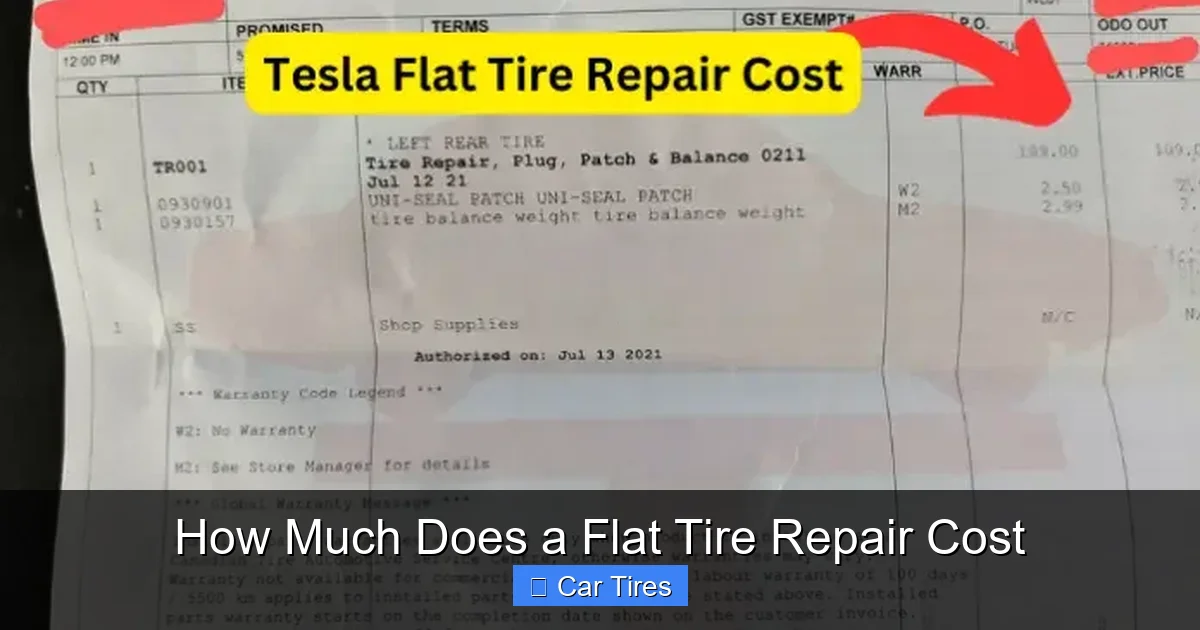
Visual guide about How Much Does a Flat Tire Repair Cost
Image source: teslord.com
Not all flat tires are created equal—and neither are their repair bills. The price you pay depends on a mix of factors, from the type of damage to where you get it fixed. Let’s look at the main elements that influence how much a flat tire repair costs.
Type and Location of Damage
The biggest factor in repair cost is where the tire is damaged. Tires have three main areas: the tread (the part that touches the road), the sidewall (the side of the tire), and the shoulder (where the tread meets the sidewall).
– Tread punctures: If a nail, screw, or piece of glass has pierced the tread, it’s often repairable with a plug or patch. These are the cheapest fixes, usually costing $10 to $25.
– Sidewall or shoulder damage: Damage here is much more serious. The sidewall supports the tire’s structure and flexes as you drive. Even a small cut or bulge can compromise safety. Most mechanics won’t repair sidewall damage—it’s usually a sign the tire needs replacing.
– Blowouts or large tears: If the tire has burst or has a large gash, it’s almost always unrepairable. You’ll need a new tire, which can cost $100 to $300 or more depending on the brand and size.
Type of Tire
Not all tires are the same, and that affects repair costs too.
– Standard passenger tires: These are the most common and easiest to repair. They’re designed for everyday driving and are widely available.
– Run-flat tires: These allow you to drive a short distance after a puncture, but they’re more complex and expensive to fix. Some run-flats can’t be repaired at all.
– High-performance or low-profile tires: Found on sports cars or luxury vehicles, these often require special tools and expertise. Repair shops may charge more for handling them.
– All-terrain or off-road tires: These are thicker and tougher, but punctures from rocks or thorns can be harder to fix. Some damage may require professional assessment.
Repair Method: Plug vs. Patch
There are two main ways to fix a punctured tire: a plug or a patch. Some shops use a combination of both.
– Tire plug: A plug is a rubber string inserted into the hole from the outside. It’s quick and cheap (around $10–$15), but it’s not always a permanent fix. Plugs work best for small punctures in the tread and are often used as a temporary solution.
– Tire patch: A patch is applied from the inside of the tire after it’s removed from the rim. It seals the hole from the inside and is more durable. This method usually costs $15–$30 and is considered the safest long-term repair.
– Plug-patch combo: Some shops use both a plug and a patch for extra security. This is the gold standard for tread repairs and may cost $20–$35.
Labor and Shop Fees
Even if the repair itself is cheap, labor and service fees can add up.
– Labor costs: Most shops charge a flat rate for tire repair labor, typically $10–$20. This covers removing the tire, inspecting it, and reinstalling it.
– Environmental fees: Some states or shops charge a small fee (around $2–$5) for tire disposal or recycling. This is usually added to the bill.
– Shop type: Dealerships and high-end service centers may charge more than independent tire shops or big-box retailers like Discount Tire or Firestone.
Location and Urgency
Where and when you get your tire fixed also matters.
– Urban vs. rural areas: Labor rates tend to be higher in cities. A repair in New York or Los Angeles might cost more than one in a small town.
– Emergency roadside service: If you’re stranded and call a tow truck or roadside assistance, they may charge a premium for on-the-spot repairs. This can range from $50 to $150, depending on the service.
– After-hours or weekend repairs: Some shops charge extra for repairs outside regular business hours.
Average Flat Tire Repair Costs by Scenario
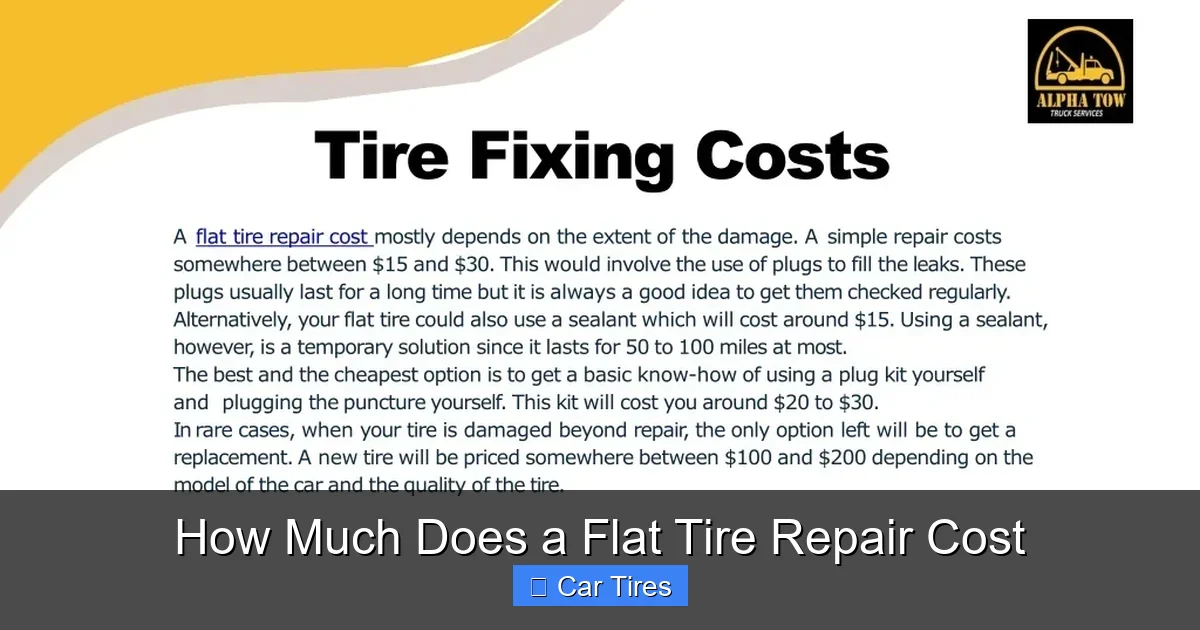
Visual guide about How Much Does a Flat Tire Repair Cost
Image source: image5.slideserve.com
To give you a clearer picture, let’s look at real-world examples of how much a flat tire repair might cost in different situations.
Scenario 1: Nail in the Tread (Standard Repair)
You’re driving and hit a nail in the road. It’s stuck in the center of the tread—no sidewall damage. You take it to a local tire shop.
– Repair method: Plug or patch
– Cost: $15–$25
– Time: 20–30 minutes
– Verdict: This is the most common and affordable fix. Most drivers pay around $20 for a quick patch.
Scenario 2: Sidewall Bulge from Hitting a Curb
You misjudged a turn and clipped the curb. Now there’s a visible bulge on the sidewall.
– Repair method: Not repairable
– Cost: $120–$250 (new tire)
– Time: 30–60 minutes (including mounting and balancing)
– Verdict: Sidewall damage is dangerous. Even if the tire holds air, it’s not safe to drive on. You’ll need a replacement.
Scenario 3: Blowout on the Highway
Your tire bursts while driving at high speed. The tire is shredded, and the rim may be damaged.
– Repair method: Tire replacement + possible rim repair
– Cost: $150–$400+
– Time: 1–2 hours
– Verdict: A blowout often means the tire is destroyed. If the rim is bent, that adds another $100–$200 to the bill.
Scenario 4: Run-Flat Tire with a Puncture
You have a BMW or Mini with run-flat tires. You drove 50 miles after a puncture before noticing.
– Repair method: Inspection only—many run-flats can’t be repaired
– Cost: $0–$200 (inspection fee or new tire)
– Time: 30–45 minutes
– Verdict: Run-flat tires are designed to be driven on briefly after a loss of pressure, but they’re often not repairable. You may need a full replacement.
Scenario 5: DIY Repair with a Kit
You have a small puncture and a tire repair kit in your trunk. You fix it yourself.
– Repair method: Plug from a kit
– Cost: $10–$20 (one-time kit purchase)
– Time: 10–15 minutes
– Verdict: Great for emergencies, but not a long-term solution. Best used to get you to a shop for a proper repair.
Can You Repair a Flat Tire Yourself?

Visual guide about How Much Does a Flat Tire Repair Cost
Image source: image5.slideserve.com
Yes—sometimes. If you’re handy and have the right tools, you can fix a minor flat tire at home. But there are important limits.
When DIY Repair Makes Sense
– The puncture is in the tread (not the sidewall).
– The hole is smaller than 1/4 inch (6mm).
– The tire hasn’t been driven on while flat (which can damage the internal structure).
– You have a tire repair kit and a way to re-inflate the tire.
How to Do a Basic Tire Plug
1. Locate the puncture and remove the object (e.g., nail).
2. Use the reaming tool from your kit to clean and widen the hole slightly.
3. Insert the plug into the insertion tool and push it into the hole until about half is inside.
4. Pull the tool out, leaving the plug in place.
5. Trim the excess plug flush with the tread.
6. Inflate the tire to the recommended pressure.
Pros and Cons of DIY Repair
Pros:
– Saves money (no labor fees).
– Quick fix in an emergency.
– Empowering—you don’t have to wait for help.
Cons:
– Not as safe or durable as a professional patch.
– Risk of improper installation, which can lead to air leaks or blowouts.
– Won’t work for sidewall damage or large punctures.
– May void tire warranties if not done correctly.
Tip: Even if you fix it yourself, visit a tire shop as soon as possible for a proper inspection. A professional can ensure the repair is safe and long-lasting.
When to Replace a Tire Instead of Repairing
Not every flat tire can—or should—be repaired. Safety comes first. Here’s when replacement is the only option.
Sidewall or Shoulder Damage
The sidewall is critical to tire integrity. Any cut, crack, or bulge here means the tire is compromised. Even a small puncture near the edge can weaken the structure. Mechanics won’t repair these because the risk of failure is too high.
Tire Has Been Driven While Flat
If you drove on a flat tire—even for a short distance—the internal cords may be damaged. This isn’t always visible from the outside. A professional inspection is needed, but often, the tire must be replaced.
Multiple Repairs or Old Tires
Tires have a lifespan. If your tire is more than 6–10 years old, has low tread depth, or has been repaired multiple times, it’s safer to replace it. Over-repairing a tire increases the risk of failure.
Tread Depth Below 2/32 Inch
If the tread is worn down, the tire can’t grip the road properly. Even if it’s patched, it’s not safe to drive on. Replace it.
Run-Flat or Specialty Tires with Damage
Many run-flat tires can’t be repaired due to their reinforced construction. Similarly, high-performance or low-profile tires may require replacement if damaged.
Rule of thumb: If you’re unsure whether a tire can be repaired, ask a professional. It’s better to spend a little extra on a new tire than risk a blowout on the highway.
How to Save Money on Flat Tire Repairs
Flat tires are inevitable, but you don’t have to overspend. Here are practical tips to keep repair costs down.
1. Get a Second Opinion
If a shop says your tire can’t be repaired, ask another shop to check. Some shops are more conservative than others. A second opinion could save you $100 or more.
2. Use Roadside Assistance
Many auto clubs (like AAA) and insurance plans offer free or discounted flat tire services. If you’re a member, call them before paying for a tow or emergency repair.
3. Buy a Tire Repair Kit
A basic kit costs $10–$20 and can get you back on the road in minutes. Keep one in your car for emergencies. Just remember—it’s a temporary fix.
4. Maintain Your Tires
Prevention is cheaper than repair. Check tire pressure monthly, rotate tires every 5,000–7,000 miles, and inspect for cuts or wear. Proper maintenance extends tire life and reduces the risk of flats.
5. Shop Around
Prices vary between shops. Call a few local tire centers and ask for quotes. Big-box stores like Costco or Walmart often have competitive rates and include free balancing and rotations.
6. Consider Tire Warranties
Some tires come with road hazard warranties that cover punctures, cuts, or blowouts. If your tire is damaged, you might get a free replacement or prorated credit.
Final Thoughts: Is a Flat Tire Repair Worth It?
So, how much does a flat tire repair cost? On average, a simple patch or plug runs between $10 and $30. That’s a small price to pay for peace of mind and safety. But if the damage is serious—like sidewall damage or a blowout—you’ll likely need a new tire, which can cost $100 to $300 or more.
The key is knowing when to repair and when to replace. A professional inspection is always the safest choice. And while DIY fixes can save money in a pinch, they’re not a substitute for proper repairs.
Ultimately, the cost of a flat tire repair is a small investment in your safety and vehicle reliability. By understanding your options, shopping smart, and maintaining your tires, you can minimize both the risk and the expense of future flats.
Frequently Asked Questions
Can a tire with a nail in it always be repaired?
Not always. If the nail is in the tread and the hole is small, it can usually be patched. But if it’s near the sidewall or the tire has been driven while flat, repair may not be safe.
How long does a tire patch last?
A properly installed patch can last for the life of the tire, as long as the tire remains in good condition and isn’t over-repaired.
Is it safe to drive on a plugged tire?
A plug can be safe for minor punctures in the tread, but it’s not as strong as a patch. For long-term safety, a plug-patch combo is recommended.
Do all tire shops charge the same for repairs?
No. Prices vary by location, shop type, and labor rates. Independent shops may charge less than dealerships or national chains.
Can I repair a tire with a hole bigger than 1/4 inch?
Generally, no. Most repair standards limit fixes to holes smaller than 1/4 inch. Larger damage usually requires tire replacement.
What should I do if I get a flat tire on the highway?
Pull over safely, turn on hazard lights, and call for roadside assistance. If you’re trained and it’s safe, you can change the tire yourself or use a repair kit temporarily.