
How Much a Car Battery

Wondering how much a car battery costs? Prices typically range from $100 to $300, but several factors influence the final price. From battery type and brand to installation and warranty, understanding these elements helps you make a smart, budget-friendly choice.
Key Takeaways
- Battery type matters: Standard lead-acid batteries are the most affordable, while AGM and lithium-ion options cost more but offer better performance and longevity.
- Price range varies widely: Most car batteries cost between $100 and $300, with premium models exceeding $400 depending on features and brand.
- Installation can add to cost: Professional installation typically adds $20–$50, though many retailers offer free installation with purchase.
- Warranty affects value: Batteries with longer warranties (3–5 years) may cost more upfront but save money in the long run.
- Vehicle type impacts pricing: Luxury, hybrid, and electric vehicles often require specialized batteries that are more expensive.
- Seasonal demand influences price: Winter months see higher demand and sometimes higher prices due to increased failure rates.
- DIY vs. professional help: Replacing a battery yourself saves labor costs but requires basic tools and safety knowledge.
📑 Table of Contents
- How Much a Car Battery Really Costs
- Understanding Car Battery Types and Their Prices
- Factors That Influence Car Battery Pricing
- Where to Buy a Car Battery and Save Money
- Signs You Need a New Battery and When to Replace It
- Tips to Extend Battery Life and Save Money
- Conclusion: Making the Smart Choice on Car Battery Cost
How Much a Car Battery Really Costs
Let’s face it—nobody wants to deal with a dead car battery. It’s one of those car problems that sneaks up on you, usually at the worst possible moment. You turn the key, hear that dreaded clicking sound, and suddenly your day is derailed. But before you panic and spend more than you need to, it helps to understand how much a car battery actually costs—and what drives that price.
The truth is, the cost of a car battery isn’t a one-size-fits-all number. It depends on a mix of factors, from the type of battery your vehicle needs to where you buy it and whether you install it yourself. On average, most drivers can expect to pay between $100 and $300 for a new car battery. But that range can stretch much higher for high-performance or specialty vehicles. The good news? With a little knowledge, you can avoid overpaying and get the best value for your money.
Understanding Car Battery Types and Their Prices
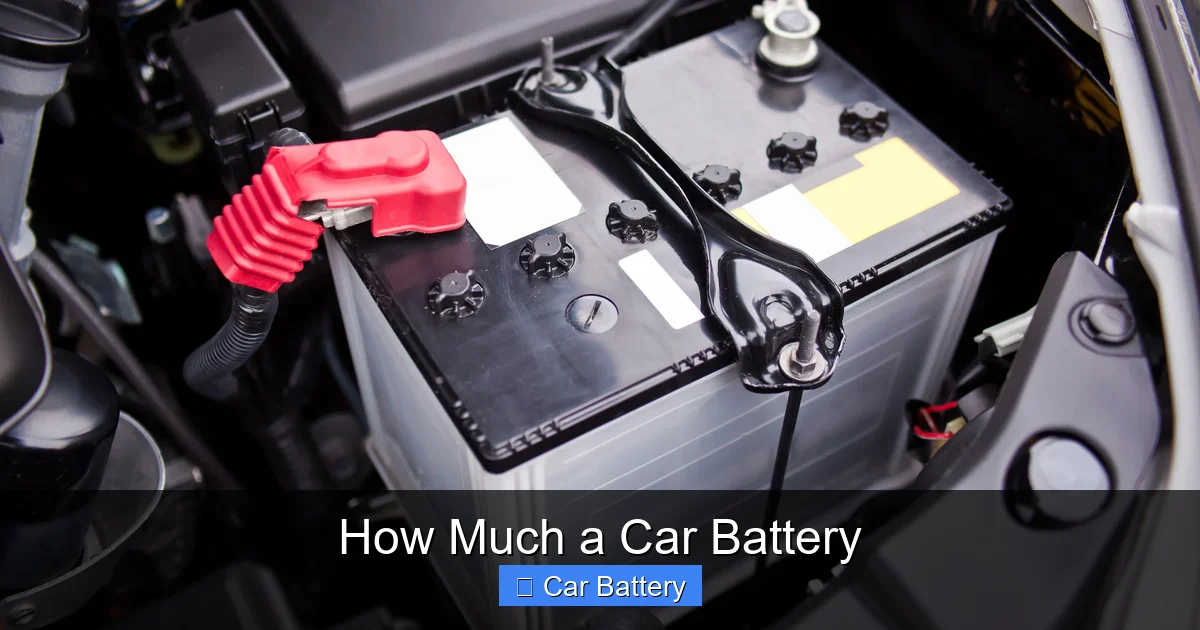
Not all car batteries are created equal. The type of battery your car uses plays a huge role in determining how much a car battery will cost. Let’s break down the most common types and what you can expect to pay for each.
Visual guide about How Much a Car Battery
Image source: binews.org
Standard Lead-Acid Batteries
The most common and affordable option is the traditional lead-acid battery. These are found in the majority of gasoline-powered vehicles and are known for their reliability and low cost. A standard lead-acid battery typically costs between $100 and $150. They’re a great choice for everyday drivers who don’t need extra features or high performance.
For example, if you drive a 2015 Honda Civic or a Toyota Camry, a standard battery will likely do the job just fine. These batteries are easy to find at auto parts stores like AutoZone, O’Reilly, or Advance Auto Parts, and many offer free testing and installation with purchase.
Enhanced Flooded Batteries (EFB)
EFB batteries are a step up from standard lead-acid models. They’re designed for vehicles with start-stop technology, which automatically shuts off the engine when the car is idle to save fuel. Because these systems put extra strain on the battery, EFBs are built to handle more charge cycles.
EFB batteries usually cost between $120 and $180. If your car has start-stop functionality—common in newer models from brands like Ford, Volkswagen, or Hyundai—you’ll likely need an EFB or AGM battery. Skipping the right type could lead to premature failure.
Absorbent Glass Mat (AGM) Batteries
AGM batteries are the premium choice for modern vehicles. They’re sealed, maintenance-free, and offer superior performance, especially in cars with high electrical demands—like those with advanced infotainment systems, heated seats, or premium audio.
AGM batteries are more expensive, typically ranging from $180 to $300. Luxury brands like BMW, Mercedes-Benz, and Audi often require AGM batteries. They also last longer than standard batteries—up to 5–7 years with proper care—making them a worthwhile investment for many drivers.
Lithium-Ion Batteries
While still rare in traditional gasoline cars, lithium-ion batteries are becoming more common in hybrid and electric vehicles. They’re lightweight, charge quickly, and have a long lifespan. However, they come with a hefty price tag—often $400 or more.
If you drive a Toyota Prius, Honda Insight, or a fully electric vehicle like a Tesla, your battery needs will be different. These aren’t the kind of batteries you can easily replace at home, and professional service is usually required. That adds to the overall cost, sometimes exceeding $1,000 when labor and diagnostics are included.
Factors That Influence Car Battery Pricing
Now that you know the types, let’s look at the other factors that affect how much a car battery costs. Understanding these can help you avoid surprises at the checkout counter.
Visual guide about How Much a Car Battery
Image source: automacha.com
Battery Brand and Quality
Just like with any product, brand matters. Premium brands like Optima, Interstate, DieHard, and Bosch often charge more for their batteries—but they also offer better performance, longer warranties, and more reliable customer support.
For example, an Optima RedTop AGM battery might cost $250, while a generic brand with similar specs could be $180. The difference? Optima batteries are known for their durability and resistance to vibration, making them ideal for trucks or off-road vehicles. If you’re on a tight budget, store brands can work fine—but don’t expect the same lifespan or reliability.
Vehicle Make and Model
Your car’s make and model play a big role in battery cost. Luxury and performance vehicles often require specialized batteries that are more expensive. For instance, a BMW 3 Series might need a specific AGM battery that costs $280, while a similar-sized Ford Focus could use a $120 standard battery.
Hybrid and electric vehicles are another story. Their batteries are part of complex systems and often require diagnostic tools to replace. Even if the battery itself is affordable, the labor and programming can drive up the total cost significantly.
Warranty Length and Coverage
A longer warranty usually means a higher price—but it can save you money in the long run. Most car batteries come with a pro-rated warranty, meaning you get a partial refund or replacement if the battery fails within a certain period.
For example, a battery with a 3-year free replacement warranty might cost $150, while one with a 5-year warranty could be $200. If your battery dies after 4 years, the longer warranty could save you $150 or more. Always check the warranty terms before buying.
Installation Costs
Don’t forget about installation. While many auto parts stores offer free installation when you buy a battery from them, others charge a fee. Professional installation typically costs between $20 and $50, depending on the shop and location.
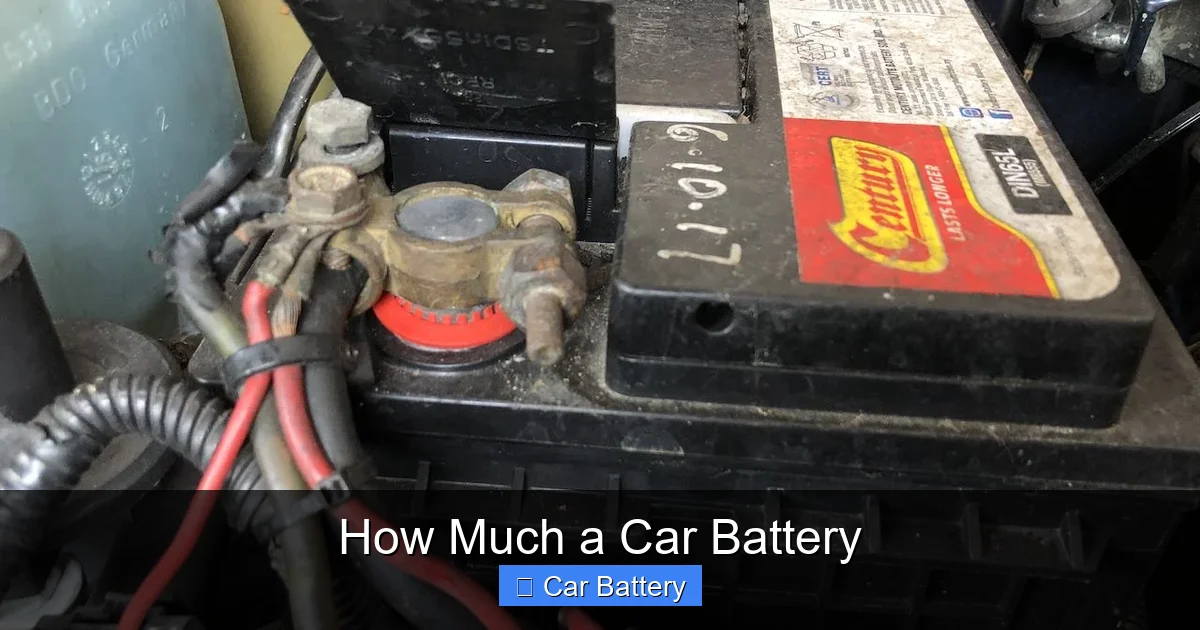
If you’re handy with tools, you can save this cost by replacing the battery yourself. It’s not complicated—most batteries are held in place with a clamp and connected with two cables. Just make sure to disconnect the negative terminal first and wear safety gloves and goggles.
Seasonal Demand and Promotions
Believe it or not, the time of year can affect how much a car battery costs. Winter is peak season for battery replacements because cold weather reduces battery efficiency. As a result, prices may be higher, and stock may be limited.
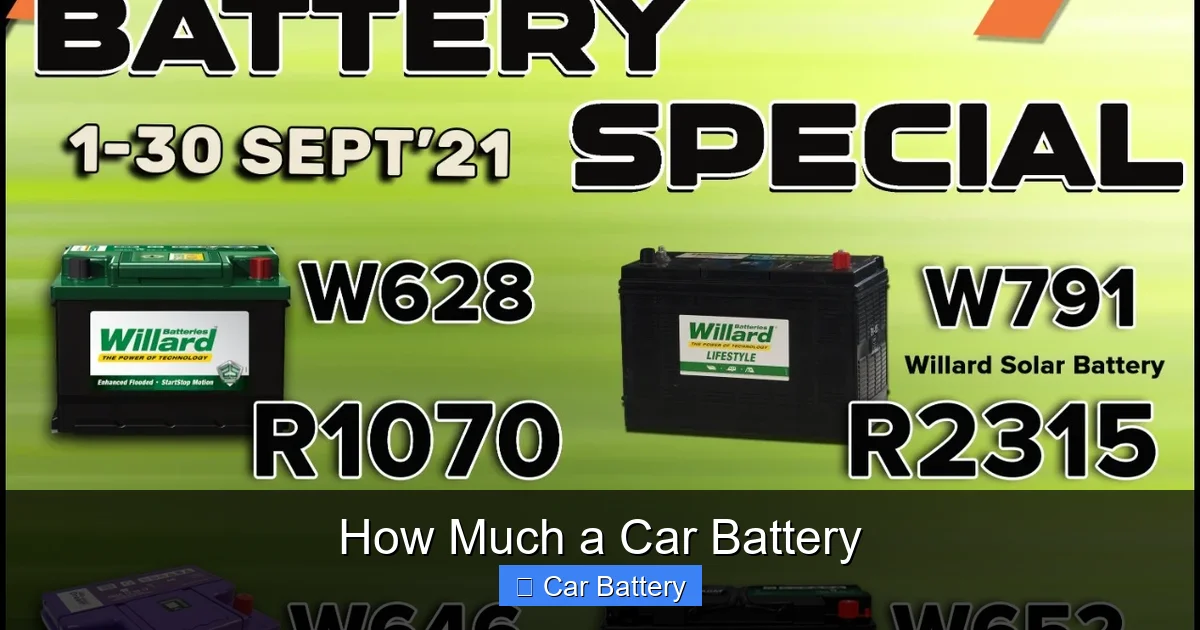
On the flip side, many retailers run promotions in the spring and fall. Look for deals like “buy one, get one 50% off” or free installation during these periods. Signing up for store newsletters or loyalty programs can also help you catch discounts.
Where to Buy a Car Battery and Save Money
Knowing where to shop can make a big difference in how much a car battery costs. Here are the most common places to buy, along with tips to get the best deal.
Visual guide about How Much a Car Battery
Image source: myads.africa
Auto Parts Stores
Stores like AutoZone, O’Reilly Auto Parts, and Advance Auto Parts are go-to destinations for car batteries. They offer a wide selection, free testing, and often free installation. Prices are competitive, and many locations have online tools to help you find the right battery for your vehicle.
Pro tip: Use their online compatibility checker before heading to the store. Just enter your car’s year, make, and model, and it will show you the exact battery you need. Some stores also offer price matching, so bring a competitor’s ad if you find a lower price elsewhere.
Big-Box Retailers
Walmart, Costco, and Sam’s Club also sell car batteries, often at lower prices than specialty stores. Walmart’s EverStart brand, for example, offers reliable batteries starting around $100. Costco members can get great deals on Interstate batteries, sometimes with extended warranties.
The downside? Installation may not be included, or it might cost extra. Also, selection can be limited compared to auto parts stores. Still, if you’re a member or already shopping there, it’s worth checking their prices.
Dealerships
Buying from a dealership ensures you get an OEM (original equipment manufacturer) battery, which is the same one that came with your car. This can be important for warranty purposes or if your vehicle has specific electrical requirements.
However, dealerships are usually the most expensive option. A battery that costs $150 at an auto parts store might be $250 or more at a dealership. Only go this route if your car’s manual recommends it or if you’re concerned about compatibility.
Online Retailers
Amazon, RockAuto, and eBay offer a huge selection of car batteries, often at discounted prices. You can compare brands, read reviews, and have the battery delivered to your door. Some sellers even offer free shipping.
The catch? You’ll need to install it yourself or pay a shop to do it. Also, be cautious of counterfeit or low-quality batteries sold by third-party sellers. Stick to well-known brands and check seller ratings before buying.
Signs You Need a New Battery and When to Replace It
Even the best battery won’t last forever. Most car batteries last between 3 and 5 years, but driving habits, climate, and vehicle use can shorten that lifespan. Knowing when to replace your battery can prevent unexpected breakdowns.
Common Symptoms of a Failing Battery
- Slow engine crank: When you turn the key, the engine takes longer than usual to start.
- Dim headlights or interior lights: Lights flicker or appear weaker, especially when the car is idling.
- Check engine or battery warning light: A dashboard warning light may indicate a charging system problem.
- Swollen battery case: Extreme temperatures can cause the battery case to bulge, signaling internal damage.
- Old age: If your battery is more than 3 years old, it’s wise to have it tested regularly.
How to Test Your Battery
Most auto parts stores offer free battery testing. They’ll check the voltage, cold cranking amps (CCA), and overall health. You can also use a multimeter at home. A healthy battery should read around 12.6 volts when the car is off and 13.7–14.7 volts when the engine is running.
If the test shows low voltage or poor performance, it’s time to replace the battery. Don’t wait until it dies completely—proactive replacement saves you from being stranded.
Tips to Extend Battery Life and Save Money
Taking care of your battery can help it last longer, which means fewer replacements and lower long-term costs. Here are some simple tips to keep your battery in top shape.
Drive Regularly
Batteries recharge while you drive. If your car sits for long periods, the battery can lose charge and eventually fail. Try to drive your car at least once a week for 20–30 minutes to keep the battery charged.
Turn Off Accessories When Idling
Using the radio, AC, or lights while the engine is off drains the battery. Avoid long idling with accessories on, especially in cold weather when the battery is already under stress.
Keep Terminals Clean
Corrosion on battery terminals can interfere with charging. Clean them with a mixture of baking soda and water, then rinse and dry. Apply a thin layer of petroleum jelly to prevent future buildup.
Protect from Extreme Temperatures
Both extreme heat and cold can shorten battery life. Park in a garage when possible, or use a battery insulation wrap in winter. In hot climates, consider a heat shield to reduce under-hood temperatures.
Get Regular Maintenance
During routine service, ask your mechanic to check the battery and charging system. Early detection of issues can prevent costly repairs down the road.
Conclusion: Making the Smart Choice on Car Battery Cost
So, how much a car battery costs depends on more than just the sticker price. From the type of battery and your vehicle’s needs to where you buy it and how you maintain it, many factors influence the final cost. While you can find batteries for under $100, investing in a quality battery with a good warranty often pays off in reliability and longevity.
The key is to do your research, compare options, and choose a battery that matches your driving habits and budget. Whether you go with a standard lead-acid battery for your daily commute or a high-end AGM for your luxury sedan, making an informed decision ensures you get the best value. And remember—spending a little more upfront can save you from the hassle and expense of an unexpected breakdown.
Next time your car won’t start, don’t panic. Use this guide to understand your options, find the right battery, and keep your vehicle running smoothly for years to come.
Frequently Asked Questions
How much does a typical car battery cost?
Most car batteries cost between $100 and $300, depending on the type, brand, and vehicle. Standard lead-acid batteries are the cheapest, while AGM and lithium-ion models are more expensive.
Can I replace a car battery myself?
Yes, replacing a car battery is a DIY-friendly task if you have basic tools and follow safety precautions. Disconnect the negative terminal first, remove the old battery, and install the new one in reverse order.
Do auto parts stores install batteries for free?
Many auto parts stores like AutoZone and O’Reilly offer free installation when you purchase a battery from them. Always ask about installation services before buying.
How long does a car battery last?
On average, a car battery lasts 3 to 5 years. Factors like climate, driving habits, and vehicle type can affect lifespan. Regular testing helps determine when it’s time for a replacement.
Is a more expensive battery worth it?
A higher-priced battery often comes with better performance, longer life, and a stronger warranty. If you drive a modern or luxury vehicle, investing in a quality battery can save money and hassle in the long run.
Why do car batteries cost more in winter?
Cold weather reduces battery efficiency and increases failure rates, leading to higher demand. Retailers may raise prices during winter months due to increased replacement needs.
