
How Fast Can You Drive on a Spare Tire?

Driving on a spare tire isn’t meant to be a long-term solution—it’s a temporary fix to get you safely to a repair shop. Most spare tires have strict speed and distance limits, typically capped at 50 mph and 50 miles, but this varies by type. Ignoring these limits can damage your vehicle or cause a blowout, so always check your owner’s manual and drive cautiously.
Key Takeaways
- Speed limits vary by spare type: Compact temporary spares (donuts) usually have a max speed of 50 mph, while full-size spares may allow normal driving speeds.
- Distance is limited: Most temporary spares should not be driven more than 50–70 miles to avoid tire or drivetrain damage.
- Check your owner’s manual: Always follow the manufacturer’s specific recommendations for your vehicle and spare tire.
- Avoid highways and high speeds: Drive slowly and avoid aggressive maneuvers to reduce stress on the spare and vehicle.
- Replace or repair ASAP: A spare is not a permanent fix—get your original tire repaired or replaced as soon as possible.
- Inspect the spare before use: Ensure it’s properly inflated and in good condition to avoid failure during use.
- Four-wheel drive vehicles need caution: Using a temporary spare on AWD/4WD systems can cause serious mechanical damage if not handled correctly.
📑 Table of Contents
How Fast Can You Drive on a Spare Tire?
So, you’ve just blown a tire on the side of the road. Your heart races, your hands sweat, and you pop the trunk to find that little donut-shaped spare tire. Relief washes over you—until you realize you’re not sure how fast you can actually drive on it. Can you cruise down the highway at 70 mph? Should you crawl along at 30? The truth is, driving on a spare tire comes with serious limitations, and pushing those limits can lead to dangerous consequences.
Spare tires aren’t designed for long-distance or high-speed travel. They’re emergency backups—meant to get you from point A to point B safely, not to replace your regular tire indefinitely. Whether you’re driving a compact sedan or a rugged SUV, understanding the capabilities and restrictions of your spare tire is crucial for your safety and the health of your vehicle. In this guide, we’ll break down everything you need to know about how fast you can drive on a spare tire, what types of spares exist, and how to use them responsibly.
Understanding the Different Types of Spare Tires
Visual guide about How Fast Can You Drive on a Spare Tire?
Image source: comparethetire.com
Not all spare tires are created equal. In fact, there are several types, each with different capabilities, sizes, and limitations. Knowing which kind you have is the first step in determining how fast—and how far—you can safely drive.
Compact Temporary Spares (Donut Tires)
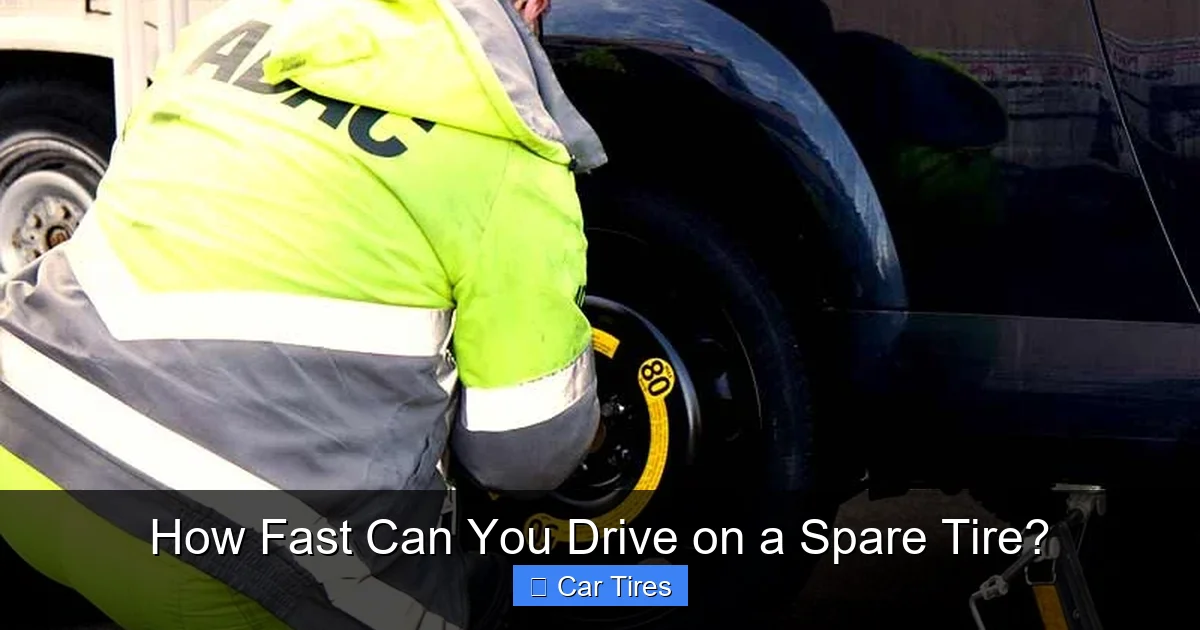
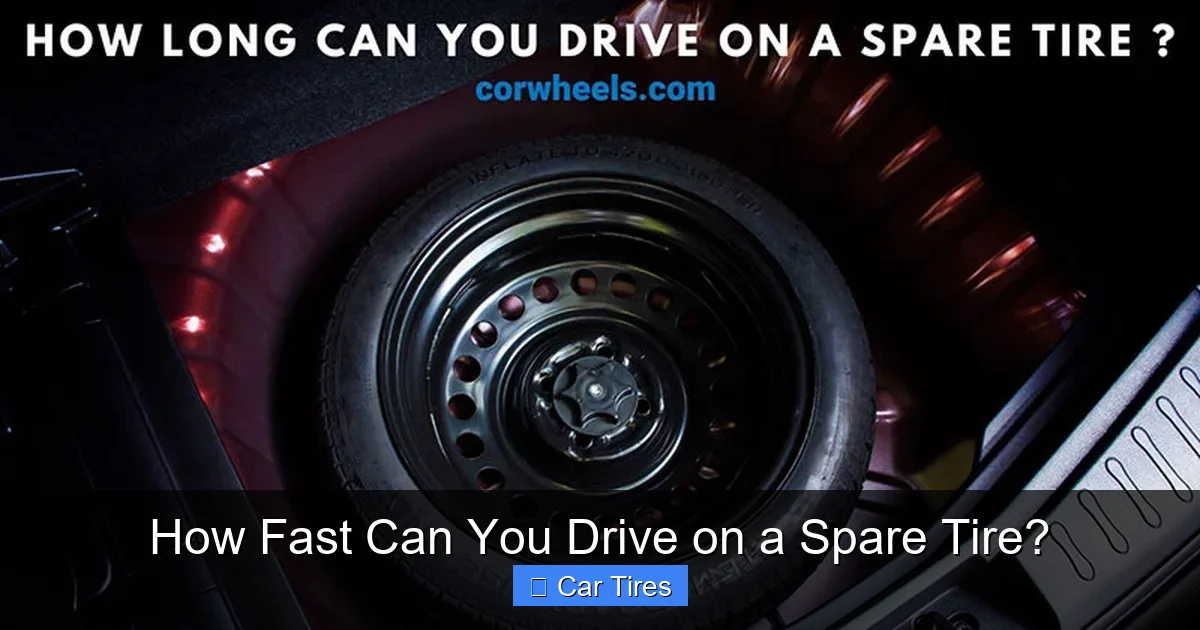
The most common type of spare tire is the compact temporary spare, often nicknamed the “donut” because of its small, round shape. These spares are lightweight, take up minimal space in your trunk, and are designed for one purpose: short-term use in an emergency.
Donut spares are significantly smaller than your regular tires—both in diameter and width. This size difference means they can’t handle the same speeds or loads as your standard tires. Most manufacturers recommend a maximum speed of **50 mph** when driving on a donut spare. Exceeding this speed increases the risk of overheating, tread separation, or even a blowout.
For example, if you’re driving a Honda Civic with a donut spare, the owner’s manual will likely state: “Do not exceed 50 mph. Drive no more than 50 miles.” This isn’t just a suggestion—it’s a safety guideline based on engineering limits. Pushing beyond these limits puts unnecessary stress on the spare and can affect your vehicle’s handling, braking, and stability.
Full-Size Spare Tires
Some vehicles, especially trucks, SUVs, and older models, come equipped with a full-size spare tire. These are the same size and type as your regular tires and can often be used without speed or distance restrictions—provided they’re properly inflated and in good condition.
If your truck has a full-size spare mounted under the chassis or on the rear door, you can typically drive at normal highway speeds (65–75 mph) and for extended distances. However, it’s still wise to treat it as a temporary solution. Even full-size spares may not have the same tread depth or wear pattern as your other tires, which can affect traction and handling, especially in wet or snowy conditions.
One real-world example: A Ford F-150 owner with a full-size spare can safely drive from Denver to Colorado Springs (about 70 miles) at highway speeds without issue—but should still replace the damaged tire as soon as possible to maintain balanced performance.
Run-Flat Tires (Not Traditional Spares)
Run-flat tires are a different category altogether. These aren’t spare tires in the traditional sense—they’re your regular tires designed to keep rolling even after a puncture. Most run-flats can be driven for 50 miles at speeds up to 50 mph after losing air pressure.
While they eliminate the need for a spare in many cases, they still come with limitations. Driving too fast or too far on a run-flat can cause internal damage that isn’t immediately visible. Once you’ve used a run-flat, it usually needs to be replaced—not repaired.
Mobility Kits (Sealants and Compressors)
Some modern vehicles don’t include a spare tire at all. Instead, they come with a tire mobility kit—a can of sealant and a small air compressor. These kits can temporarily fix small punctures (like nail holes) by sealing the leak and reinflating the tire.
While convenient, mobility kits are not a long-term solution. They’re best for minor repairs and should only be used once per tire. After using a sealant, you should drive to a repair shop immediately—typically within 50 miles and at reduced speeds (under 50 mph). The sealant can degrade over time and may not hold under high stress or heat.
Speed Limits and Distance Restrictions
Visual guide about How Fast Can You Drive on a Spare Tire?
Image source: corwheels.com
Now that you know the types of spares, let’s talk numbers. How fast can you actually drive on a spare tire? The answer depends on the type, but here are the general guidelines most manufacturers follow.
Standard Speed Limit: 50 mph
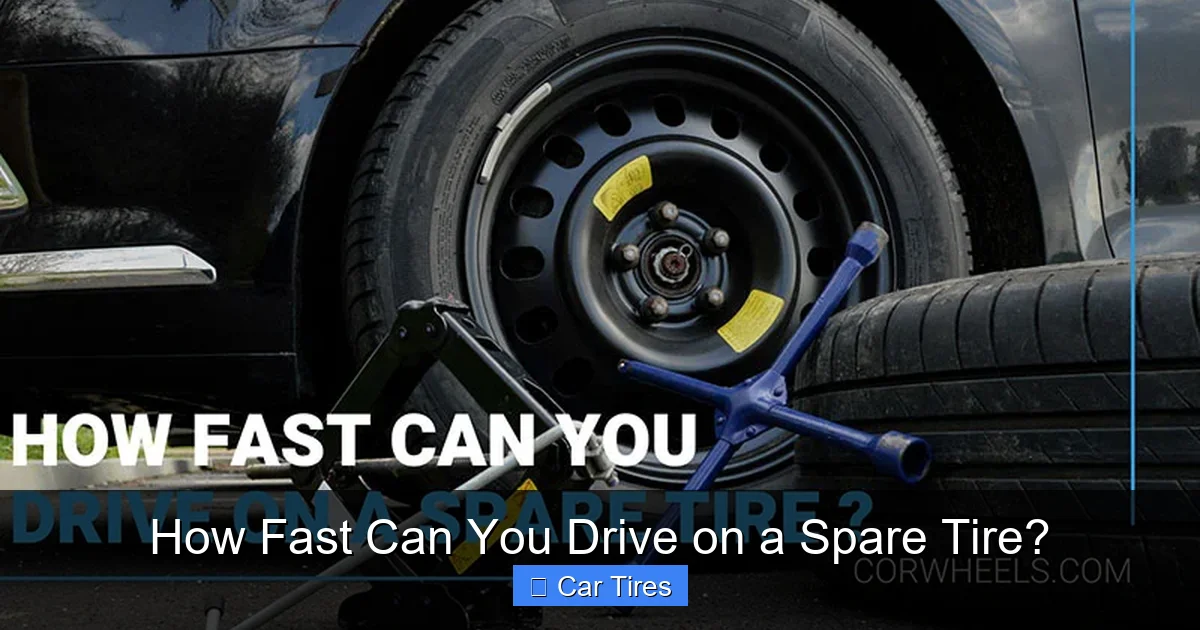
For compact temporary spares (donuts), **50 mph is the universal speed limit**. This isn’t arbitrary—it’s based on the tire’s construction. Donut spares are made with lighter materials, fewer plies, and less rubber than regular tires. They’re not built to handle the heat and friction generated at higher speeds.
Imagine driving at 70 mph on a hot summer day. Your regular tires generate significant heat, but they’re designed to dissipate it. A donut spare, however, can overheat quickly, leading to tread separation or a sudden blowout. At 50 mph, the risk is minimized, giving you a safe window to reach a service station.
Distance Limit: 50–70 Miles
Most donut spares also come with a distance restriction—usually **50 to 70 miles**. This limit exists for two reasons: wear and drivetrain stress.
First, donut spares have less tread and softer rubber, so they wear out faster. Driving 100 miles on a donut could leave it bald and unsafe. Second, the size difference between the spare and your other tires can cause problems in vehicles with all-wheel drive (AWD) or four-wheel drive (4WD) systems.
In AWD/4WD vehicles, all four wheels must rotate at the same speed. If one tire is significantly smaller (like a donut), it spins faster than the others, creating tension in the drivetrain. This can lead to overheating, premature wear, or even catastrophic failure of the transfer case or differential.
For example, a Subaru Outback with AWD should never use a donut spare for more than 50 miles—even at low speeds. The strain on the drivetrain can cause thousands of dollars in damage.
Exceptions and Manufacturer Variations
While 50 mph and 50 miles are common, always check your vehicle’s owner’s manual. Some manufacturers allow slightly higher speeds or distances. For instance:
– **Toyota**: Recommends 50 mph and 50 miles for donut spares.
– **Chevrolet**: Allows up to 50 mph and 70 miles for compact spares.
– **BMW**: Some models with run-flats allow 50 mph for up to 100 miles.
Never assume—your vehicle may have unique specifications. If you can’t find the info in the manual, check the spare tire itself. Many have speed and distance limits stamped directly on the sidewall.
Safety Risks of Driving Too Fast on a Spare
Visual guide about How Fast Can You Drive on a Spare Tire?
Image source: corwheels.com
Ignoring speed and distance limits isn’t just risky—it’s potentially dangerous. Here’s what can happen if you push your spare tire beyond its limits.
Increased Risk of Blowouts
The number one danger of driving too fast on a spare is a blowout. Donut spares are not built for high-speed stress. At speeds over 50 mph, the tire can overheat, causing the tread to separate from the casing. This often happens suddenly and without warning.
A blowout at highway speeds can cause you to lose control of your vehicle, especially if it happens on the front axle. The sudden loss of pressure can make the car pull sharply to one side, increasing the risk of a collision.
Poor Handling and Stability
Even at safe speeds, driving on a spare affects your vehicle’s handling. The smaller diameter of a donut spare changes the gear ratio and suspension geometry. This can make your car feel “off”—less responsive during turns, slower to brake, and more prone to swaying.
For example, if you’re driving a Honda Accord with a donut spare and try to merge onto a highway, you might notice the car feels sluggish or unstable. This is because the spare tire isn’t providing the same level of grip or support as your regular tires.
Drivetrain Damage in AWD/4WD Vehicles
As mentioned earlier, using a temporary spare in an AWD or 4WD vehicle can cause serious mechanical damage. The mismatched tire sizes force the drivetrain to work harder, creating internal stress.
In extreme cases, this can lead to:
– Overheating of the transfer case
– Premature wear of the differential
– Complete drivetrain failure
Repairing these components can cost $2,000 or more—far more than the price of a new tire. To avoid this, some AWD vehicles require you to disable the AWD system or use a matching spare tire.
Reduced Braking Performance
Spare tires—especially donuts—often have different tread patterns and rubber compounds than your regular tires. This can reduce braking efficiency, particularly in wet or icy conditions.
Studies show that braking distances can increase by 10–15 feet when driving on a spare tire. That might not sound like much, but at 60 mph, it could mean the difference between stopping in time and rear-ending another vehicle.
Best Practices for Driving on a Spare Tire
Now that you understand the risks, let’s talk about how to use your spare tire safely and responsibly.
1. Check the Spare Before You Need It
Don’t wait until you’re stranded to inspect your spare. Many drivers discover too late that their spare is flat, cracked, or missing altogether. Make it a habit to check your spare tire during routine maintenance—ideally every six months.
Use a tire pressure gauge to ensure it’s inflated to the recommended PSI (usually 60 psi for donuts). Look for signs of dry rot, cracks, or bulges. If the spare is more than 10 years old, consider replacing it—even if it looks fine.
2. Drive Slowly and Smoothly
When using a spare, adopt a cautious driving style. Avoid sudden acceleration, hard braking, and sharp turns. Keep your speed under 50 mph and stay in the right lane when possible.
If you’re on a highway, exit at the next opportunity and take surface roads to your destination. This reduces stress on the spare and gives you more control.
3. Avoid Highways and Long Trips
If you have a choice, avoid highways when driving on a spare. High speeds, heavy traffic, and long distances increase the risk of failure. Instead, take local roads and drive directly to the nearest tire shop.
For example, if you’re 20 miles from home and 30 miles from a repair shop, go to the shop—even if it’s farther. It’s safer than risking a blowout on the highway.
4. Replace or Repair the Damaged Tire ASAP
A spare tire is not a permanent solution. As soon as possible, get your original tire repaired or replaced. Most punctures can be fixed if the damage is on the tread (not the sidewall). If the tire is beyond repair, install a new one that matches your other tires.
Never drive long-term on a spare—even a full-size one. Uneven tire wear can affect alignment, fuel efficiency, and handling.
5. Consider Upgrading to a Full-Size Spare
If you frequently drive long distances or live in a rural area, consider investing in a full-size spare. Many aftermarket options are available, including matching tires and wheels. While more expensive and space-consuming, a full-size spare eliminates speed and distance restrictions.
Some truck owners even carry two full-size spares for off-road adventures. It’s a smart investment if you rely on your vehicle for work or travel.
What to Do If You Don’t Have a Spare Tire
Not all modern cars come with a spare tire. In fact, many manufacturers have eliminated them to save weight, space, and cost. If your car doesn’t have a spare, here’s what you can do.
Use a Tire Mobility Kit
As mentioned earlier, many vehicles now include a tire sealant and compressor. These kits can fix small punctures and get you to a repair shop. Follow the instructions carefully—most require you to drive slowly and reach a service station within 50 miles.
Call for Roadside Assistance
If you can’t fix the tire yourself, call your roadside assistance provider. Most insurance policies and automaker warranties include towing or tire repair services. A professional can either fix the tire on-site or tow your vehicle to a shop.
Invest in a Portable Spare or Donut
You can purchase a compact spare tire online or at an auto parts store. Prices range from $100 to $300, depending on the size and brand. Make sure it’s compatible with your vehicle and comes with a jack and wrench.
Some drivers even carry a used tire from a junkyard as a backup. While not ideal, it’s better than being stranded.
Conclusion
So, how fast can you drive on a spare tire? The short answer: **usually no more than 50 mph, and no more than 50–70 miles**. But the real answer is more nuanced. It depends on the type of spare, your vehicle’s drivetrain, and the conditions you’re driving in.
Spare tires are lifesavers in emergencies, but they’re not meant for long-term use. Treat them with respect—drive slowly, avoid highways, and get your original tire fixed as soon as possible. Ignoring the limits can lead to blowouts, drivetrain damage, or even accidents.
Remember: your spare tire is a temporary fix, not a permanent solution. Keep it properly inflated, inspect it regularly, and always follow your vehicle manufacturer’s guidelines. When in doubt, err on the side of caution. Your safety—and the safety of others on the road—is worth the extra time and care.
Frequently Asked Questions
Can I drive 70 mph on a spare tire?
No, you should not drive 70 mph on a spare tire. Most compact temporary spares (donuts) have a maximum speed limit of 50 mph. Driving faster increases the risk of overheating, tread separation, or a blowout.
How far can I drive on a donut spare?
Most donut spares should not be driven more than 50 to 70 miles. Exceeding this distance can cause excessive wear and, in AWD/4WD vehicles, damage to the drivetrain.
Is it safe to drive on a full-size spare tire?
Yes, a full-size spare is generally safe to drive on at normal speeds and for longer distances, as long as it’s properly inflated and matches your other tires. However, it’s still best to replace the damaged tire as soon as possible.
Can I use a spare tire in snow or rain?
You can use a spare tire in snow or rain, but drive with extra caution. Spare tires—especially donuts—often have less tread and different rubber compounds, which can reduce traction in wet or icy conditions.
What happens if I drive too fast on a spare tire?
Driving too fast on a spare tire can cause overheating, tread separation, or a blowout. It can also damage your vehicle’s drivetrain, especially in AWD or 4WD systems, leading to costly repairs.
Do all cars come with a spare tire?
No, many modern cars do not include a spare tire. Instead, they may come with a tire mobility kit (sealant and compressor) or run-flat tires. Check your owner’s manual to see what your vehicle includes.