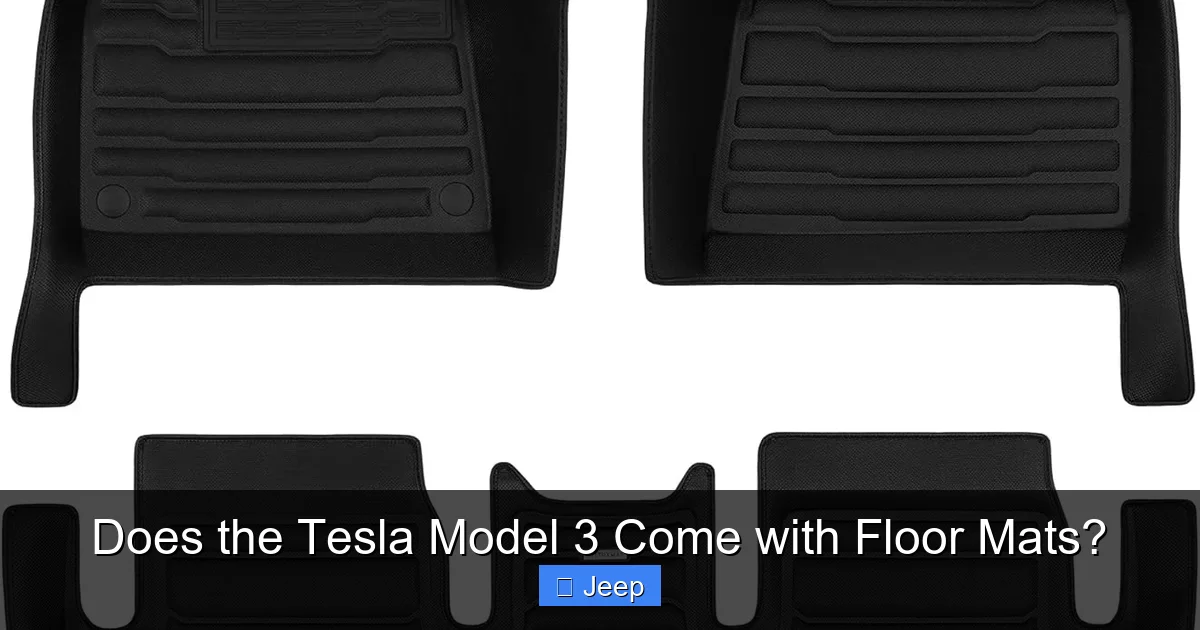
Does the Tesla Model 3 Come with Floor Mats?

Contents
- 1 Key Takeaways
- 2 📑 Table of Contents
- 3 The Factory Floor Mats: What You Actually Get
- 4 Why the Factory Mats Fall Short: The Model 3’s Unique Floor Challenge
- 5 The Aftermarket Explosion: Why Everyone Upgrades
- 6 How to Choose the Right Mats for Your Tesla Model 3
- 7 Installation and Maintenance: Keeping Them Fresh
- 8 The Bigger Picture: How Floor Mats Relate to Other Customizations
- 9 Final Verdict: To Upgrade or Not to Upgrade?
- 10 Frequently Asked Questions



Yes, every new Tesla Model 3 comes with floor mats from the factory, but the type and quality vary significantly by trim level. The base Standard Range model includes basic all-weather mats, while higher trims like Long Range and Performance offer upgraded carpeted mats. For maximum protection and style, most owners opt for premium aftermarket floor mats designed specifically for the Model 3’s unique interior.
So, you’ve done it. You’ve joined the electric revolution and brought home a Tesla Model 3. The silent acceleration is thrilling, the tech dashboard is a dream, and that minimalist interior is just…perfect. Then, you look down at the floor. What’s the story here? Does your shiny new electric sedan come with floor mats, or are you expected to drive on bare metal and carpet from day one? It’s a simple question with a surprisingly nuanced answer that every new and prospective Model 3 owner should understand.
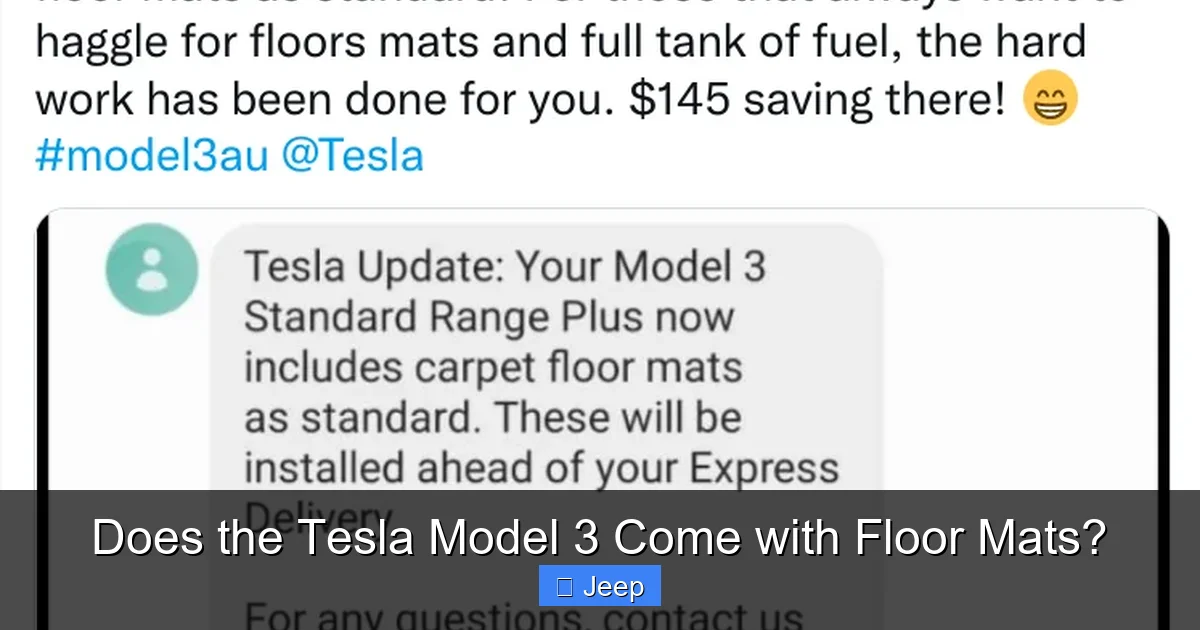
The short answer is yes, your Tesla Model 3 absolutely comes with floor mats. Tesla isn’t going to ship you a car without them. But the real story isn’t about if they come with mats; it’s about what kind of mats they are, how they vary across the model lineup, and why the vast majority of Model 3 owners immediately replace them with aftermarket options. Think of Tesla’s supplied mats as a functional placeholder—they do the basic job, but they’re often not the best tool for the long-term protection your investment needs. Let’s pop the hood on this seemingly small detail that has a big impact on your daily driving experience.
Key Takeaways
- Standard Inclusion: All Tesla Model 3 vehicles ship with manufacturer floor mats, but they are not the high-quality, fitted carpets seen in luxury competitors.
- Trim Level Matters: The base Standard Range comes with basic black all-weather rubber mats, while Long Range and Performance trims include more plush, carpeted floor mats.
- All-Weather vs. Carpet: Tesla’s standard mats are designed for utility and easy cleaning, prioritizing function over luxury feel compared to aftermarket options.
- Aftermarket Dominance: A huge ecosystem of third-party floor mats exists for the Model 3, offering better materials, precise fit, and enhanced protection for the unique battery pack floor.
- Protection is Key: Given the Model 3’s low ground clearance and large single-piece floor design, quality floor mats are essential to protect against road salt, mud, and battery pack debris.
- Installation is Simple: Both Tesla’s and aftermarket mats are designed for tool-free, clip-in installation that anyone can do in minutes.
- Resale Value: Keeping the original carpet in pristine condition with quality mats can significantly impact the vehicle’s long-term resale value.
📑 Table of Contents
- The Factory Floor Mats: What You Actually Get
- Why the Factory Mats Fall Short: The Model 3’s Unique Floor Challenge
- The Aftermarket Explosion: Why Everyone Upgrades
- How to Choose the Right Mats for Your Tesla Model 3
- Installation and Maintenance: Keeping Them Fresh
- The Bigger Picture: How Floor Mats Relate to Other Customizations
- Final Verdict: To Upgrade or Not to Upgrade?
The Factory Floor Mats: What You Actually Get
When you take delivery of a new Model 3, you will find a set of floor mats in the trunk, usually packaged in a simple plastic bag. They are not pre-installed. This is your first clue: Tesla treats them as an accessory, not an integrated feature. What you unbox depends entirely on which version of the Model 3 you purchased.
The Standard Range & Basic All-Weather Mats
If you bought the most affordable Model 3, the rear-wheel-drive Standard Range, your mat set is the most basic. It consists of four pieces: two front and two rear. They are made of a single piece of molded, textured black rubber. The design is simple, with a raised lip around the edges to contain minor spills and dirt. There are no brand logos, no plush carpeting, and no tailored fit for the specific contours of the Model 3’s footwells. They are essentially universal, cut-to-fit rectangles that lay flat. Their primary purpose is to protect the underlying carpet from the most egregious messes—mud, snow, and leaked sports drinks. They are functional, durable, and easy to hose down, but they offer zero aesthetic appeal and minimal sound deadening.
The Long Range & Performance Upgrade: Carpeted Mats
Step up to the Long Range or Performance trims, and the story changes slightly. Tesla equips these models with a set of carpeted floor mats. These are not the thick, plush, shaggy mats you might find in a luxury sedan like a Mercedes or BMW. Instead, they are a low-pile, loop-style carpet, typically in a dark grey color, with a rubberized heel pad on the driver’s side. They have a more tailored shape than the Standard Range’s rubber mats, with slightly better-defined edges. The material feels nicer underfoot and provides a bit more insulation and noise reduction. However, they share a critical flaw with the rubber mats: they are not precision-fitted to the Model 3’s unique floor. There are gaps, particularly around the center console and the dead pedal area, where dirt and debris can accumulate underneath. They are a step up in perceived quality, but still a step below what the car’s price point suggests it should have.
Practical Example: A new Model 3 Long Range owner in Minnesota might appreciate the carpeted mats initially for their slightly warmer feel. But after the first snowy week, they’ll discover the mats slide around on the smooth battery pack floor, and the slush seeps into the unsealed edges, soaking the original carpet underneath anyway. This common experience is the catalyst for the aftermarket floor mat industry for the Model 3.
Why the Factory Mats Fall Short: The Model 3’s Unique Floor Challenge
To understand why upgrading your floor mats isn’t just a luxury but a near-necessity, you need to appreciate the unique design of the Model 3’s interior floor. Unlike most cars, the Model 3 does not have a traditional, multi-piece floor with a transmission tunnel hump. Instead, it has a nearly flat, single-piece floor pan that houses the massive battery pack. This design creates a few specific challenges for floor protection.
Visual guide about Does the Tesla Model 3 Come with Floor Mats?
Image source: lh6.googleusercontent.com
The Slippery Battery Pack Surface
The floor of the passenger cabin is essentially a smooth, hard plastic or composite shell that covers the battery. It is exceptionally slick. Both Tesla’s rubber and carpeted mats lack a proper non-slip backing or retention system. They can and do slide around under aggressive acceleration, braking, or cornering. This not only creates an annoying shifting sound but also means the mat isn’t always where you need it to catch dirt and water. A sliding mat is a useless mat.
The Deep, Unprotected Crevices
Because the floor is one continuous piece, there are deep, inaccessible gaps between the front footwells and the center console, and behind the rear seats. Tesla’s mats do not seal these areas. Gravel, sand, crumbs, and melted snow can easily get underneath the factory mats and into these crevices, where they become impossible to vacuum out. Over time, this leads to gritty abrasion on the original carpet and persistent odors from trapped organic matter.
The Lack of a True “All-Weather” System
A proper all-weather floor mat system, like those from WeatherTech or Husky Liners, is engineered for the specific vehicle. It has high, rigid walls, a precise lip that captures all debris, and a secure locking mechanism or grippy backing that prevents any movement. Tesla’s offerings are more like generic floor runners. They don’t contain major spills, they don’t stay put, and they don’t offer comprehensive coverage. For a car that is often driven in diverse climates and sees daily use, this gap in protection is significant.
The Aftermarket Explosion: Why Everyone Upgrades
Given the shortcomings of the factory mats, it’s no surprise that the aftermarket for Model 3 floor mats is massive and competitive. Owners are voting with their wallets, and the message is clear: they demand better. The best aftermarket mats for the Tesla Model 3 solve all the problems listed above and then some.
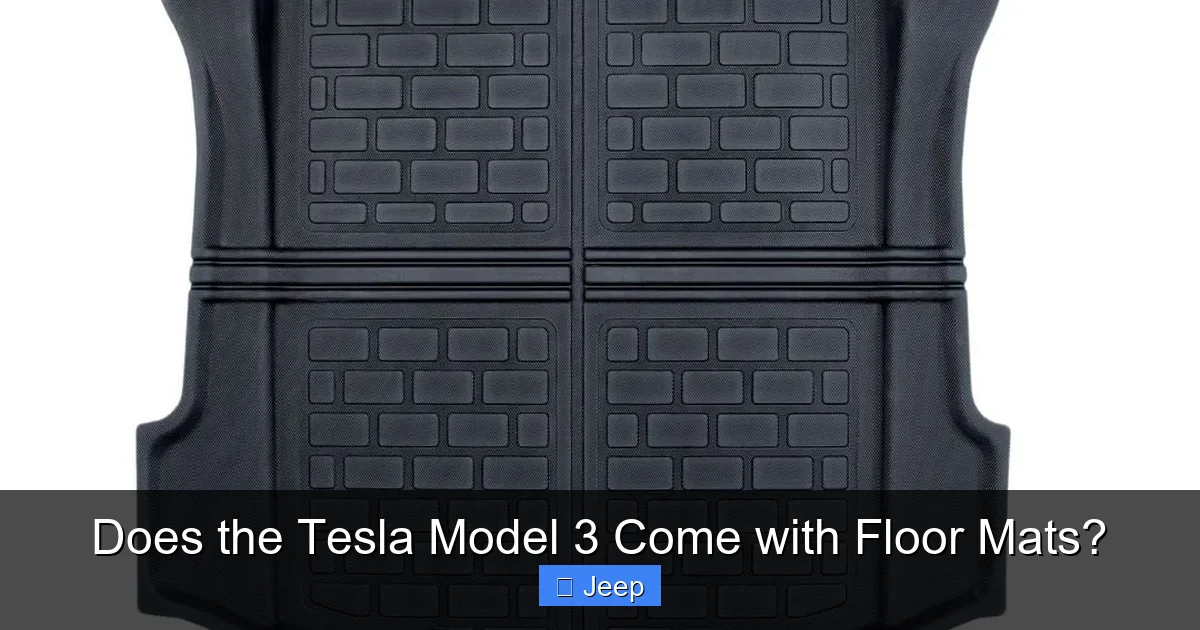
Visual guide about Does the Tesla Model 3 Come with Floor Mats?
Image source: cdn.shopify.com
Precision Laser-Measured Fit
Top-tier brands like TUXMAT, 3D Maxpider, and WeatherTech use laser scanning or digital blueprints of the Model 3’s interior to create mats that fit like a glove. There is no guessing. The driver’s mat will have a perfect, snug cutout for the pedal cluster and the dead pedal. The front passenger mat will contour exactly to the shape of the center console and the door sill. The rear mats will wrap securely around the rear seat mounts and the battery hump. This precision means 100% floor coverage with zero gaps for dirt to escape into.
Superior Materials and Construction
You have two primary material choices in the aftermarket world:
- Thermoplastic Elastomer (TPE): This is the gold standard for all-weather mats. It’s a flexible, rubber-like material that is completely waterproof, non-porous, and incredibly durable. It has a textured surface for grip and a high, rigid lip to contain everything. It’s odorless and can be hosed clean. Brands like WeatherTech and TUXMAT excel here.
- Vinyl/Polyurethane: Often marketed as “leather-look” or “premium carpet,” this material has a softer, more upscale feel underfoot. It typically has a waterproof core with a fabric or leather-grained top layer. It offers better sound deadening than TPE and a more luxurious aesthetic, though it may not be quite as impervious to extreme chemical spills.
Advanced Retention Systems
This is the most critical feature. The best mats use one of two systems to stay locked in place:
- Sticky Backing/Non-Slip Grips: A layer of specialized, reusable sticky polymer on the mat’s underside that grips the smooth battery floor without leaving residue. It holds firm but can be removed for cleaning.
- Clip-In Systems: Some designs incorporate small, discreet plastic clips that engage with existing factory mounts or studs on the Model 3 floor. This is the most secure method, making the mat an integral part of the floor.
Tip: If you frequently drive in winter conditions with wet snow or have kids or pets, prioritize a mat with the most aggressive retention system. A sliding mat in winter is a safety hazard and a mess waiting to happen.
How to Choose the Right Mats for Your Tesla Model 3
With dozens of brands and styles available, how do you pick? It starts with your needs and your definition of “value.”
Visual guide about Does the Tesla Model 3 Come with Floor Mats?
Image source: lh6.googleusercontent.com
Assess Your Climate and Lifestyle
Are you in Arizona with dust and grit, or Maine with road salt and slush? For extreme wet/muddy conditions, a high-walled TPE mat from WeatherTech is the undisputed champion of containment. Do you have a dog that rides in the back? Look for a mat with a cargo liner extension that covers the entire rear hatch area. If your priority is a quiet, luxurious feel and you live in a dry climate, a vinyl-top mat might be perfect. For the daily commuter who just wants no-fuss protection, a well-fitted TPE mat is the safest, most versatile bet.
Understanding the Price Spectrum
You’ll find Model 3 mats from $50 to over $200 for a full set. The price difference reflects material quality, fit precision, and retention technology. The cheapest “Amazon specials” are often poorly cut, made of smelly rubber that gets brittle, and have no retention system—they’ll slide around immediately. Investing $100-$150 in a reputable brand is investing in the long-term health of your car’s interior. Remember, replacing the factory carpet is an incredibly expensive and invasive process. Good mats are cheap insurance.
Don’t Forget the Trunk and Frunk!
A complete protection system includes the front trunk (frunk) and rear trunk. These areas are just as susceptible to dirt, battery coolant leaks (rare but possible), and grocery spills. Many aftermarket floor mat manufacturers sell matching trunk liners as part of their kit. They are laser-cut to fit the exact shape of the Tesla’s trunks, with raised lips to contain cargo. It’s highly recommended to get the full set for seamless, comprehensive protection.
Practical Example: A Model 3 owner who uses their car for weekly Costco runs should absolutely get a rear trunk liner with a high lip. A single tipped gallon of milk or a leaky package of meat can ruin the factory carpet in the trunk permanently. The cost of a good liner is a fraction of the detail work needed to fix that stain.
Installation and Maintenance: Keeping Them Fresh
One of the best parts about aftermarket Model 3 mats is the dead-simple installation. No tools, no adhesives, no professional help needed.
Installation in Under Five Minutes
1. Remove the factory mats and store them away safely if you ever want to revert to stock. 2. Vacuum the bare floor thoroughly to remove any existing grit. 3. Place each mat in its designated position. 4. For sticky-back mats, press firmly along the entire surface, especially the edges. For clip-in systems, align the mat and press down until you hear/feel the clips engage. That’s it. The precision fit means they should sit flush and secure immediately. Test by giving each mat a firm tug; it should not move.
Cleaning and Care
Maintenance is why people love these mats. For TPE/rubber mats: simply remove them, hose them down with water, use a mild soap and soft brush for stuck-on grime, rinse, and shake or towel dry. They can be left to air dry in the sun. For vinyl-top mats: vacuum regularly to remove grit that can abrade the surface. Spot clean with a mild interior cleaner and a microfiber cloth. Avoid harsh chemicals or abrasive brushes. The goal is to keep debris from grinding into the mat surface and eventually through to the floor beneath.
Pro Tip: Make it a habit to give your mats a quick vacuum or shake-out every 1-2 weeks during heavy use seasons (winter/salt, summer/mud). This prevents small particles from working their way underneath the mat, where they can damage the original carpet.
The Bigger Picture: How Floor Mats Relate to Other Customizations
Choosing floor mats is rarely a standalone decision for a Model 3 owner. It’s part of a broader strategy to personalize and protect the vehicle’s interior. When you’re investing in a complete set of high-quality, fitted floor mats, you’re already thinking about long-term care and aesthetics. This mindset often leads owners to consider other interior and exterior protective upgrades.
For instance, just as you’re shielding the floor from road debris and spills, you might start thinking about protecting the paint from stone chips and UV damage. This is where a full or partial vehicle wrap becomes an attractive option. A wrap not only offers a custom look but also acts as a sacrificial layer for your paint. Similarly, while floor mats combat interior mess, window tinting protects the cabin from sun-fading, reduces glare, and improves privacy—all part of creating a more durable, comfortable, and personalized driving environment. These customizations, from the floor up to the windows and body, work together to preserve your Tesla’s value and enhance your enjoyment for years to come.
Final Verdict: To Upgrade or Not to Upgrade?
So, does the Tesla Model 3 come with floor mats? Yes. Should you use them? Probably not for long. The factory-provided mats are a functional stopgap. They meet the bare minimum legal and logistical requirements. For a car that represents a significant investment and is often used as a daily driver in all conditions, they are insufficient. The unique, flat floor of the Model 3 demands a better solution. The aftermarket has answered this call brilliantly with products that offer perfect fit, unbeatable retention, and superior materials. Spending a little extra on a premium set of aftermarket floor mats (and trunk liners) is one of the smartest, most cost-effective decisions you can make for your Model 3. It’s not about adding a flashy accessory; it’s about fundamental protection for the heart of your vehicle’s interior. Your future self, looking at a spotless, stain-free, and undamaged floor during a resale inspection, will thank you for it.
Frequently Asked Questions
Do all Tesla Model 3 trims come with the same floor mats?
No. The Standard Range model includes basic black rubber all-weather mats. The Long Range and Performance trims come with a slightly more upscale carpeted mat with a rubber heel pad. None of the factory mats are precision-fitted.
Will aftermarket floor mats damage my Model 3’s original carpet?
No, quality aftermarket mats are designed to protect the original carpet. They have non-slip backings or clip-in systems that prevent movement and abrasion. Using them is the best way to preserve your factory carpet.
Are TPE (rubber) or vinyl-top mats better for a Tesla Model 3?
It depends on your needs. TPE mats are 100% waterproof, easiest to clean (hose down), and best for extreme weather and heavy messes. Vinyl-top mats offer a softer, more luxurious feel and better sound insulation but may not be quite as impervious to large liquid spills.
Can I install aftermarket floor mats myself?
Absolutely. All reputable aftermarket mats for the Model 3 are designed for simple, tool-free installation. They either have a sticky backing you press down or clip into existing points. The process takes less than five minutes.
Do I need a separate mat for the front trunk (frunk)?
Yes, it’s highly recommended. The frunk is vulnerable to dirt, road debris, and potential minor fluid leaks. A fitted frunk liner will protect the factory carpet there just as the cabin mats do. Many brands sell them as a complete kit.
What happens if I don’t use floor mats in my Model 3?
The smooth, low-slung battery pack floor will get dirty quickly. Without containment, mud, snow, salt, and grit will work their way into the seams and crevices of the factory carpet. This leads to permanent staining, odor buildup, and abrasive wear that is nearly impossible to fully clean, significantly harming the car’s interior and resale value.