
How Much to Tint a Tesla Model 3?

Tinting your Tesla Model 3 enhances privacy, reduces heat, and protects interiors—but costs vary widely. Prices typically range from $200 to $800 depending on film quality, coverage, and location. Choosing the right tint involves balancing legality, performance, and aesthetics.
So, you’ve got your sleek Tesla Model 3—maybe it’s the minimalist white, the bold red, or the understated black. It turns heads, saves on gas (well, electricity), and feels like driving the future. But there’s one thing that might be bugging you: the sun. Or maybe it’s the constant feeling of being on display every time you park at the mall. That’s where window tinting comes in.
Tinting your Tesla Model 3 isn’t just about looking cool (though, let’s be honest, it does). It’s a practical upgrade that offers real benefits: reduced interior heat, protection from harmful UV rays, increased privacy, and even a layer of safety in case of glass breakage. But before you roll up to the nearest tint shop, you’ll want to know one big thing: how much is this going to cost?
The short answer? It depends. A lot. From the type of film you choose to how many windows you want tinted, the price can swing from a couple hundred bucks to nearly a grand. And because the Model 3 has unique glass curves and a panoramic roof (on some trims), installation isn’t as straightforward as on a traditional sedan. So, let’s break it all down—what affects the cost, what you’re really paying for, and how to get the best value without breaking the bank.
Key Takeaways
- Cost Range: Expect to pay between $200 and $800 to tint a Tesla Model 3, with premium films and full coverage on the higher end.
- Film Types Matter: Ceramic, carbon, and dyed films offer different levels of heat rejection, UV protection, and durability—ceramic is best for performance.
- Legal Limits Apply: Tint darkness must comply with state laws; front side windows often have stricter limits than rear windows and windshield.
- Full vs. Partial Tinting: Full tint (all windows) costs more but provides consistent protection and appearance; partial tint (rear and back) is more budget-friendly.
- DIY vs. Professional: While DIY kits exist, professional installation ensures bubble-free results and warranty coverage—especially important for curved Tesla glass.
- Warranty & Maintenance: High-quality tint can last 5–10 years; avoid ammonia-based cleaners to prevent peeling or discoloration.
- Resale Value: Professionally tinted windows can boost curb appeal and resale value, especially in sunny climates.
📑 Table of Contents
Why Tint Your Tesla Model 3?
Let’s start with the “why.” Sure, tinted windows look sharp—especially on a car as futuristic as the Model 3. But aesthetics are just the tip of the iceberg. The real reasons to tint go far beyond style.
First up: heat reduction. If you live in a sunny state like Arizona, Texas, or Florida, you know how brutal cabin temperatures can get. Even with Tesla’s impressive climate control system, a hot interior can drain your battery faster and make your first few minutes of driving uncomfortable. Quality window tint can block up to 80% of solar heat, keeping your cabin cooler and reducing the need to blast the AC.
Then there’s UV protection. The sun’s ultraviolet rays don’t just fade your dashboard and seats—they’re also harmful to your skin. Over time, prolonged exposure can increase the risk of skin damage, even while driving. Most high-end tints block 99% of UV rays, offering a layer of protection similar to SPF sunscreen.
Privacy is another big factor. The Model 3’s large windows and minimalist interior mean everything inside is pretty visible. Whether you’re carrying valuables, have kids in the back, or just prefer not to feel like you’re on display, tint adds a layer of discretion.
And let’s not forget safety. In the rare event of an accident, quality tint can help hold shattered glass together, reducing the risk of injury from flying shards.
Real-World Benefits: A Driver’s Perspective
Take Sarah, a Model 3 owner in Los Angeles. She got her car tinted six months ago and says the difference is night and day. “Before, I’d get in and it felt like stepping into an oven. Now, even after sitting in the sun, it’s noticeably cooler. Plus, I don’t have to squint as much when driving west in the afternoon.”
Or consider Mark, who lives in Chicago. He opted for a light ceramic tint primarily for UV protection. “I have a toddler, and I didn’t want her exposed to UV rays during long drives. The tint gives me peace of mind, and it still looks clean and factory-finished.”
These aren’t isolated experiences. Across forums like Tesla Motors Club and Reddit, owners consistently report improved comfort, reduced glare, and better interior preservation after tinting.
Factors That Affect Tinting Cost
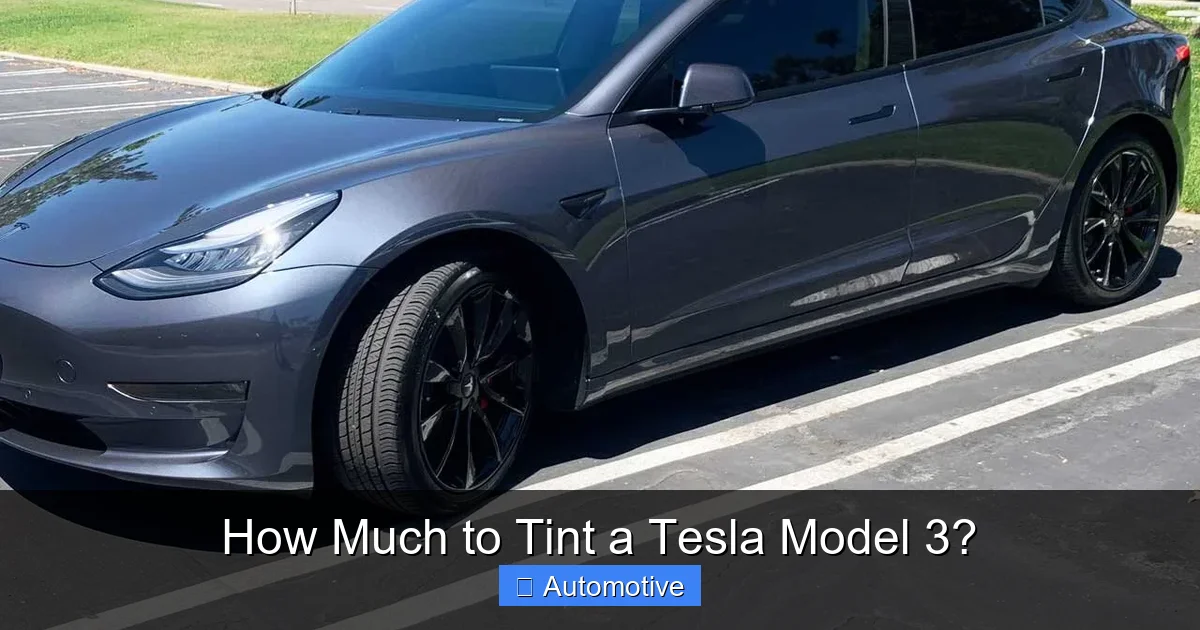
Visual guide about How Much to Tint a Tesla Model 3?
Image source: images.squarespace-cdn.com
Now, let’s get into the nitty-gritty: what determines how much you’ll pay to tint your Tesla Model 3? Several key factors influence the final price, and understanding them will help you make an informed decision.
Type of Tint Film
This is the biggest cost driver. Not all tint films are created equal. Here’s a quick breakdown of the main types:
– Dyed Film: The most affordable option, typically $100–$250 for a full tint. It uses a layer of dye to block light and reduce glare. However, it offers minimal heat rejection and can fade or bubble over time. Best for budget-conscious owners who want basic privacy.
– Carbon Film: A step up, costing $200–$400. Carbon particles provide better heat rejection than dyed film and won’t fade. It also has a matte finish that looks modern and resists glare. A solid mid-range choice.
– Ceramic Film: The premium option, ranging from $400–$800. Ceramic particles are non-metallic and non-conductive, meaning they won’t interfere with your Tesla’s sensors, GPS, or cellular signals. They offer the best heat rejection (up to 80%), superior UV protection, and long-lasting clarity. Ideal for performance and longevity.
– Metallic Film: Uses metal particles for heat rejection but can interfere with electronic signals. Not recommended for Tesla due to potential disruption to Autopilot sensors and key fob range.
Coverage Area
How many windows are you tinting? A full tint job includes all side windows, the rear windshield, and sometimes the front windshield (if legally allowed). Partial tinting might only cover the rear and back side windows.
– Partial Tint (Rear & Back Side Windows): $150–$350
– Full Tint (All Side Windows + Rear): $250–$600
– Full Tint + Windshield (if permitted): $400–$800+
The Model 3’s panoramic glass roof (on Performance and some Long Range trims) can also be tinted, but it’s more complex and expensive—often adding $200–$400 to the total cost.
Labor and Installation Complexity
Tesla’s windows aren’t flat—they’re curved, especially the rear windshield and side windows. This makes cutting and applying film more challenging than on traditional cars. Professional installers use precision tools and experience to ensure a seamless fit.
Labor costs vary by region and shop reputation. In major cities like New York or San Francisco, expect higher rates. A reputable shop with Tesla-specific experience may charge a premium, but it’s worth it to avoid bubbling, peeling, or misalignment.
Geographic Location
Where you live plays a role. Tinting costs more in urban areas with higher overhead. For example:
– Midwest: $200–$400 for full tint
– West Coast (CA, WA): $300–$600
– Northeast (NY, MA): $350–$700
– South (TX, FL): $250–$500
Additionally, some states have stricter regulations, which may limit your options and affect pricing.
Shop Reputation and Warranty
Cheaper isn’t always better. A $200 tint job might save you money upfront, but if it starts peeling in six months, you’re back to square one. Reputable shops often offer warranties (5–10 years) and use higher-grade materials.
Look for installers who specialize in EVs or luxury vehicles. They’re more likely to understand the nuances of Tesla’s glass and electronics.
Legal Considerations: Know Your State’s Rules
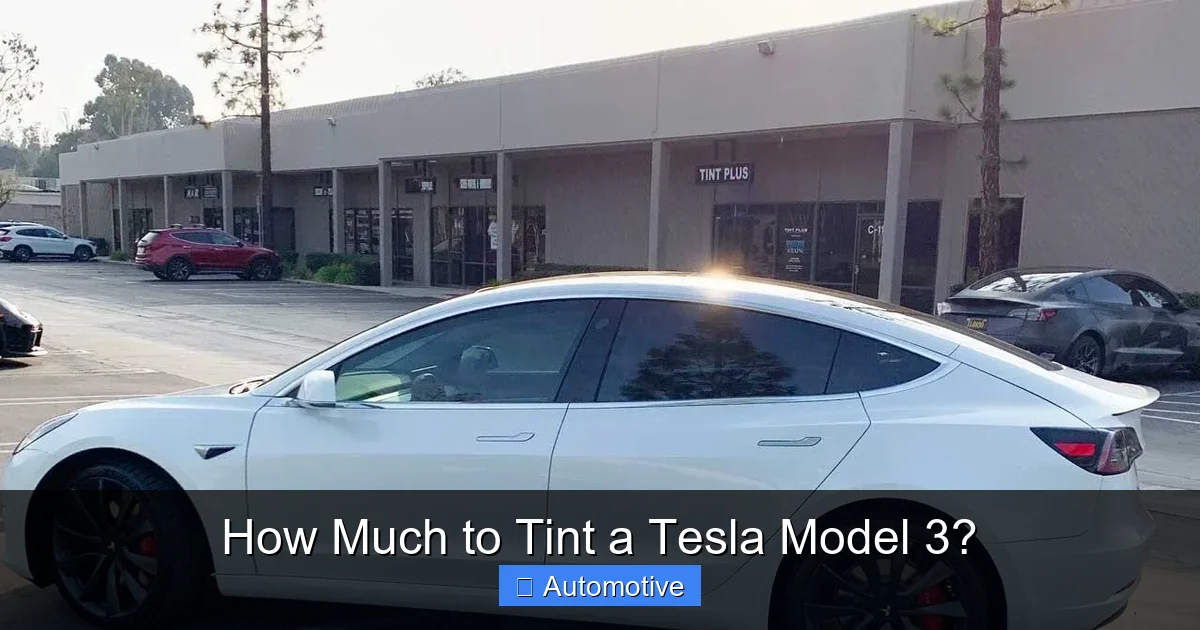
Visual guide about How Much to Tint a Tesla Model 3?
Image source: images.squarespace-cdn.com
Before you commit to a dark tint, check your state’s laws. Window tinting regulations vary widely and are enforced to ensure driver visibility and safety.
In the U.S., each state sets its own limits on how dark tint can be, measured by Visible Light Transmission (VLT)—the percentage of light that passes through the film. Lower VLT means darker tint.
For example:
– California: Front side windows must allow more than 70% light (70% VLT). Rear windows and back windshield can be darker.
– Texas: Front side windows must be 25% VLT or lighter. Rear and back can be any darkness.
– Florida: Front side windows must be 28% VLT or lighter. Rear and back can be any darkness.
– New York: Front side windows must be 70% VLT. Rear and back can be any darkness.
The Model 3’s front windshield can only be tinted along the top strip (usually 4–6 inches) in most states, and even then, it must meet specific VLT requirements.
Why Legality Matters
Getting pulled over for illegal tint isn’t just annoying—it can result in fines, required removal, or even points on your license. In some states, officers can issue a fix-it ticket, meaning you have to remove the tint and get it inspected.
Worse, if you’re in an accident and your tint is illegal, it could affect insurance claims or liability.
How to Stay Compliant
– Research your state’s Department of Motor Vehicles (DMV) or equivalent agency.
– Ask your tint installer about legal limits—they should know local laws.
– Choose films with clear VLT ratings (e.g., “5%,” “20%,” “50%”).
– Consider lighter tints (35% or higher) for front windows to stay safe and legal.
Some owners opt for “limo tint” (5% VLT) on rear windows for maximum privacy, which is legal in many states as long as the front windows meet requirements.
DIY vs. Professional Installation: Which Is Right for You?
You might be tempted to save money with a DIY tint kit. After all, they’re available online for under $100. But before you grab your squeegee and a bottle of soapy water, consider the risks.
The DIY Route: Pros and Cons
Pros:
– Lower upfront cost ($50–$150 for a full kit)
– Satisfaction of doing it yourself
Cons:
– High risk of bubbles, creases, and uneven edges
– Difficult on curved Tesla glass
– No warranty or professional support
– Potential damage to window seals or defrosters
– May void Tesla’s warranty if installation causes issues
Most DIYers end up redoing the job or hiring a pro anyway—wasting time and money.
Why Professionals Win
Professional installers have:
– Experience with Tesla’s unique glass shapes
– Precision cutting tools (plotters) for perfect fits
– Climate-controlled environments to prevent dust and debris
– Access to high-quality films with manufacturer warranties
– Knowledge of local laws and compliance
A good installer will also clean your windows thoroughly, remove old tint (if needed), and ensure no residue or damage.
What to Look for in a Tint Shop
– Specializes in EVs or luxury vehicles
– Offers ceramic or carbon film options
– Provides a warranty (5+ years)
– Has positive reviews (Google, Yelp, Tesla forums)
– Uses certified technicians
Ask for before-and-after photos of Tesla Model 3 tints. A reputable shop will have plenty.
Maintaining Your Tinted Windows
Once your Tesla is tinted, proper care ensures it lasts. Most quality films have a lifespan of 5–10 years, but maintenance plays a big role.
Cleaning Tips
– Wait at least 30 days before cleaning to allow adhesive to cure.
– Use a soft microfiber cloth and ammonia-free cleaner (ammonia can degrade tint).
– Avoid abrasive sponges or scrubbers.
– Don’t use paper towels—they can scratch the film.
What to Avoid
– Parking in direct sunlight for long periods (can accelerate fading)
– Using harsh chemicals or vinegar-based cleaners
– Rolling windows down too soon after installation (can cause peeling)
Signs It’s Time to Replace
– Bubbling or peeling at the edges
– Discoloration or purple hue (common with dyed film)
– Reduced heat rejection
– Cracks or scratches in the film
If you notice any of these, it’s time for a refresh.
Is Tinting Worth It for Your Tesla Model 3?
So, after all this, is tinting your Tesla Model 3 worth the investment?
For most owners, the answer is a resounding yes. The benefits—cooler cabin, UV protection, privacy, and safety—far outweigh the cost, especially if you live in a sunny climate or drive frequently.
But it’s not just about function. Tinting enhances the car’s sleek, modern look. A well-done ceramic tint gives the Model 3 a stealthy, high-end appearance that turns heads without being flashy.
And while the upfront cost might seem steep, think of it as a long-term investment. Quality tint protects your interior from sun damage, which can preserve resale value. A well-maintained, tinted Model 3 often sells faster and for more than an untinted one.
Final Tips Before You Tint
– Get quotes from 3–5 reputable shops.
– Ask about film brands (e.g., 3M, Llumar, XPEL).
– Confirm warranty details and coverage.
– Check if they’ve worked on Teslas before.
– Avoid the cheapest option—quality matters.
Tinting your Tesla Model 3 isn’t just a cosmetic upgrade. It’s a smart, practical enhancement that improves comfort, safety, and style. Whether you go for a subtle 35% ceramic tint or a bold 5% limo look on the rear, the right choice will make every drive better.
So, how much to tint a Tesla Model 3? Now you know: it’s an investment that pays off in comfort, protection, and peace of mind.
Frequently Asked Questions
How much does it cost to tint a Tesla Model 3?
The cost to tint a Tesla Model 3 typically ranges from $200 to $800, depending on the type of film, coverage area, and installation quality. Ceramic films and full-window tinting are on the higher end.
Can I tint the panoramic roof on my Tesla Model 3?
Yes, the panoramic glass roof can be tinted, but it’s more complex and expensive—adding $200–$400 to the total cost. Specialized films and techniques are required to avoid bubbling or cracking.
Is it legal to tint the front windows on a Tesla Model 3?
It depends on your state. Most states require front side windows to allow at least 70% light (70% VLT). Check your local DMV regulations before tinting to avoid fines.
Will tinting interfere with Tesla’s sensors or Autopilot?
Metallic and some hybrid films can interfere with sensors. Ceramic and carbon films are non-conductive and safe for Tesla’s electronics, including Autopilot and key fob signals.
How long does tint last on a Tesla Model 3?
High-quality ceramic or carbon tint can last 5–10 years with proper care. Avoid ammonia-based cleaners and direct sunlight when possible to extend lifespan.
Should I tint my Tesla myself or hire a professional?
Professional installation is strongly recommended. Tesla’s curved glass makes DIY tinting difficult, and mistakes can lead to bubbling, peeling, or warranty issues. A pro ensures a flawless, long-lasting result.
