
Does the Mazda Cx-5 Come with Tinted Windows?

The Mazda CX-5 offers factory-tinted windows on select trims, typically from the middle tier upward. Aftermarket tinting is always an option for customization, but legal Visible Light Transmission (VLT) limits vary by state. Understanding these factors helps you choose the right approach for privacy, UV protection, and style.
You’re standing in the dealership, looking at a shiny new Mazda CX-5. The lines are sharp, the interior looks comfy, but one question nags at you: “Does this thing come with tinted windows?” It’s a simple question with a not-so-simple answer. For the 2026 model year, the response isn’t a straightforward yes or no. It’s a “maybe, depending on which one you buy.” Tinted windows are more than just a style statement; they’re about comfort, privacy, and protecting your investment from the sun’s relentless assault. Let’s dive deep into the world of Mazda CX-5 window tinting, separating factory facts from aftermarket myths, and giving you the complete picture you need to make an informed decision.
First, let’s clarify what we mean by “tinted windows.” In the automotive world, this can refer to two distinct things: a light, uniform dye applied to the glass at the manufacturing plant (factory tint), or a separate film applied after the vehicle is built (aftermarket tint). The CX-5 utilizes the former on certain trims. The factory-applied tint is integrated into the laminated glass itself, primarily for the rear and rear side windows. It’s usually a very light shade—often around 20-25% Visible Light Transmission (VLT), meaning it lets 20-25% of visible light through. This is subtle, more about reducing glare and UV than creating a “limo dark” look. If you’re looking at a base model CX-5 Sport, you’ll likely see perfectly clear glass all around. Step up to a Carbon Edition or Grand Touring, and that rear glass will have a perceptible, smoky hue straight off the delivery truck. This is the factory tint. It’s permanent, warranty-backed, and perfectly calibrated for the vehicle’s Advanced Driver Assistance Systems (ADAS) like the rearview camera and blind-spot monitoring.
The “maybe” comes from Mazda’s trim strategy. They use this light factory tint as a differentiating feature, reserving it for higher trim levels to add a touch of premium feel and practical sun shielding. For the 2026 CX-5, you can generally expect the Sport and Touring trims to have clear glass on all windows. The Carbon Edition, which has become a popular mid-tier choice, almost always includes the factory rear tint. The range-topping Grand Touring and any special edition packages (like a possible “Signature” or “Premium” package for 2026) will also feature it. The best way to be 100% certain is to check the Monroney label (the window sticker) on any specific vehicle. Look for a line item in the “Standard Equipment” or “Exterior” section that mentions “Tinted Rear Glass” or “Privacy Glass.” Don’t just rely on what you see; the tint can be very light. Your dealer’s inventory system should also specify this feature per VIN. So, to answer the core question: Yes, the Mazda CX-5 can come with tinted windows from the factory, but only on specific, higher trim levels for the 2026 model year.
Key Takeaways
- Factory tint availability depends on trim level: Base trims often have clear glass, while higher trims include a light factory tint from the factory.
- Aftermarket tinting offers complete customization: You can choose any shade and type of film, but professional installation is critical for performance and legality.
- VLT laws are strict and vary by state: Each state sets its own legal limit for how dark windows can be, typically 35% or higher for front sides.
- Tints provide significant non-aesthetic benefits: They block up to 99% of UV rays, reduce interior heat buildup, and protect against glare and skin damage.
- Improper tinting can interfere with ADAS sensors: Cameras and sensors behind the glass may malfunction if metallic or dark films are used incorrectly.
- Warranty coverage is trim-specific: Mazda’s new vehicle warranty covers factory-installed tint; aftermarket work is generally not covered but won’t void the entire warranty if installed properly.
- Tints can positively impact resale value: A quality, legal tint is a desirable feature for many future buyers, especially in sunny climates.
📑 Table of Contents
- Understanding Factory Tint vs. Aftermarket Tint: The Core Difference
- Trim Level Breakdown: Which 2026 CX-5 Models Have Factory Tint?
- Aftermarket Tinting: Your Path to Customization (With Caveats)
- Navigating Legal Waters: VLT Laws in 2026
- Benefits Beyond Privacy: UV Protection, Heat Rejection, and Safety
- Maintenance, Warranty, and Resale: The Practicalities
Understanding Factory Tint vs. Aftermarket Tint: The Core Difference
Before we get into the CX-5 specifics, it’s crucial to understand these two worlds. Factory tint is part of the glass construction. It’s applied between layers of glass during manufacturing, making it incredibly durable and unlikely to peel, bubble, or discolor. It’s also designed to be compatible with the vehicle’s antennas, defrost lines, and, most importantly, its suite of safety cameras and sensors. Aftermarket tint, on the other hand, is a thin film (usually polyester) with layers of dyes and/or metallic particles that is carefully applied to the *inside* of your existing glass. This film offers a vast universe of shades, colors (like bronze, blue, or charcoal), and performance levels (ceramic for high heat rejection, dyed for basic privacy, metallized for strength).
The Advantages of Factory Tint: Seamless and Warranty-Safe
The primary advantage of factory tint is its seamless integration. Because it’s part of the glass, there’s no risk of the film peeling at the edges, bubbling between the glass layers, or interfering with the defroster lines. It’s a “set it and forget it” solution. From a warranty perspective, Mazda fully stands behind this component. If you ever have an issue with the rear glass (a rare stress crack, for instance), the entire assembly is covered under the new vehicle’s bumper-to-bumper warranty. There’s no “aftermarket modification” clause to worry about. Furthermore, Mazda’s engineers have validated that the factory tint’s optical properties do not interfere with the calibration of the rearview camera or the blind-spot monitoring sensors located in the rear bumper, which “see” through the glass. You get consistent, reliable performance from all your vehicle’s systems without any extra steps.
The World of Aftermarket Tint: Customization at Your Fingertips
This is where you can truly make your CX-5 your own. If your CX-5 Sport has clear glass and you want more privacy or better heat rejection, aftermarket tint is the answer. The options are nearly endless. You can choose a darker shade for the rear sides and back window (e.g., 15% or 5% VLT, which is very dark) while keeping the front sides at a legal, lighter percentage (often 35% or 50% depending on state law). You can opt for a high-performance ceramic film that blocks a massive amount of infrared heat (the feeling of hot sunlight) without the dark look, or a hybrid film that balances cost and performance. You can even add a strip of darker tint to the front windshield (where legal) for additional glare reduction. The customization is unparalleled. However, this path requires careful navigation. You must choose a reputable installer who understands how to properly apply film to modern, complex curved glass without creating bubbles or gaps. You must also be acutely aware of your state’s window tint laws to avoid a fix-it ticket, fines, or even a failed vehicle inspection. A critical, often-overlooked consideration is ADAS calibration. A very dark or metallic film on the rear window can potentially interfere with the rearview camera’s image quality, especially at night. Some vehicles require a recalibration of these sensors after any work is done on the windshield or rear glass. This is where a link to our detailed guide on Mazda CX-5 windshield replacement costs becomes relevant. While that article focuses on full replacement, the principle is the same: any significant change to the glass or its surface can impact the calibration of the cameras and radar sensors that are now standard on most CX-5 models. A quality installer will test your camera’s functionality after tinting and advise if a recalibration is needed, which is an additional cost to factor in.
Trim Level Breakdown: Which 2026 CX-5 Models Have Factory Tint?
Let’s get specific. For the upcoming 2026 model year, Mazda is expected to maintain its current trim strategy for the CX-5 in North America, which typically includes Sport, Touring, Carbon Edition, and Grand Touring. The factory-tinted rear glass is a feature that escalates with the price.
Visual guide about Does the Mazda Cx-5 Come with Tinted Windows?
Image source: di-sitebuilder-assets.s3.amazonaws.com
Sport and Touring Trims: The Clear Glass Baseline
If you’re looking at the entry-level CX-5 Sport, you should expect clear glass on all four side windows and the rear window. This is standard. The same generally applies to the mid-level Touring trim, which adds a host of comfort and tech features (like dual-zone climate control and a larger infotainment screen) but typically does not include the privacy glass. The rationale is clear: keep the base price competitive. Buyers in these trims who desire tint have two straightforward paths: accept the clear glass, or opt for a professional aftermarket installation. There’s no factory package to add it later; it’s a trim-level feature locked in at the time of manufacture.
Carbon Edition and Grand Touring: The Tint Threshold
Here’s where the factory tint becomes standard equipment. The CX-5 Carbon Edition, with its distinctive black exterior accents and premium interior, has consistently included the privacy glass as part of its package. For 2026, expect this to continue. It’s a subtle but noticeable upgrade that adds to the model’s more upscale, cohesive appearance. Stepping up to the flagship Grand Touring trim, you get every available feature, and that certainly includes the factory-tinted rear glass. This trim often adds even more, like a power rear liftgate, heated rear seats, and a premium Bose sound system. The tint here is just one component of a comprehensive luxury and convenience package. If having tint from the factory is a priority for you, targeting a Carbon Edition or Grand Touring is your simplest, most worry-free solution. You get the tint, the full Mazda warranty on it, and no concerns about ADAS interference.
Special Editions and Package Options
Mazda occasionally releases special edition CX-5 models (like a “30th Anniversary” edition or region-specific packages). These often bundle popular features from higher trims into a limited-run model. Sometimes, they include the privacy glass even if the base trim they’re based on (like Touring) doesn’t normally have it. Always read the specific window sticker for any special edition. Additionally, in some markets outside North America, Mazda may offer the privacy glass as a standalone accessory or part of a convenience package. For the 2026 U.S. market, however, it remains primarily a trim-level differentiator. To be absolutely certain for any vehicle on the lot, your best tool is the vehicle identification number (VIN). Give your dealer the VIN, and they can pull the exact factory build sheet, which will list “Privacy Glass” or “Tinted Rear Glass” if it’s present. This eliminates all guesswork based on trim badges.
Aftermarket Tinting: Your Path to Customization (With Caveats)
So your CX-5 doesn’t have factory tint, or you want a darker shade than Mazda offers. Aftermarket tinting is a massive industry with excellent products and skilled installers. But it’s not as simple as picking a shade from a swatch book. There are critical decisions that affect legality, performance, and even your car’s electronics.
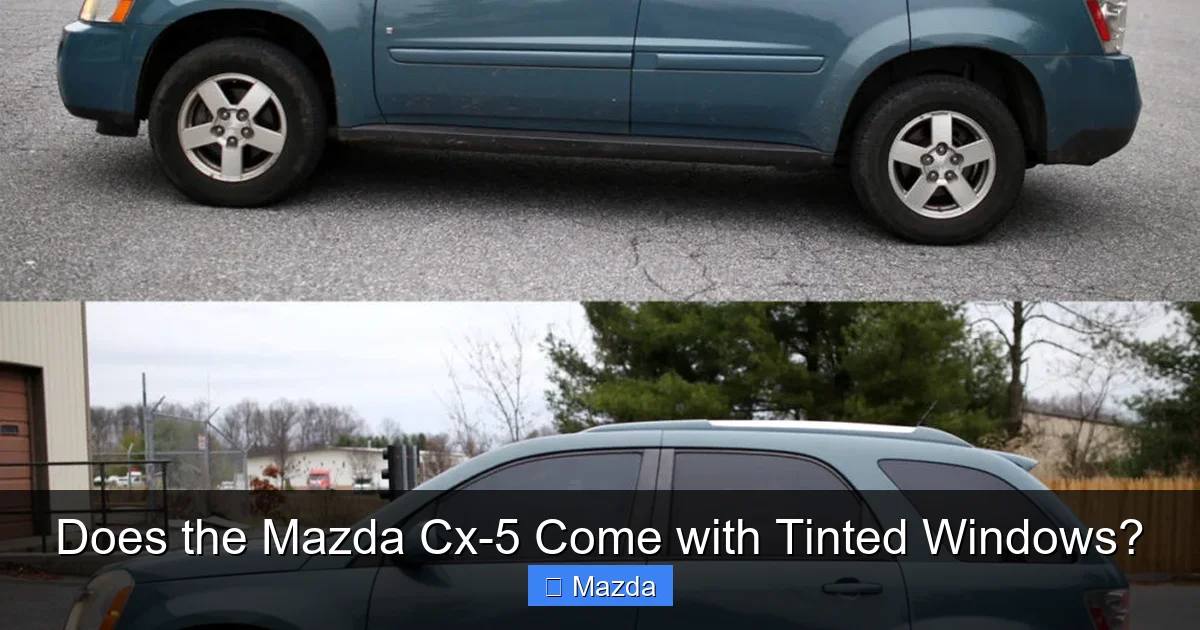
Visual guide about Does the Mazda Cx-5 Come with Tinted Windows?
Image source: shannonbaum.com
Types of Tint Films: Dyed, Metallized, and Ceramic
Not all tint film is created equal. Dyed film is the most economical. It uses color pigments to block light and provide privacy. It’s good for basic aesthetics and UV protection but is less effective at rejecting heat (infrared radiation) and can fade or turn purple over several years due to sun exposure. Metallized film (or hybrid film) has tiny metallic particles embedded in the film. These particles are excellent at reflecting heat and also make the film very durable and shatter-resistant. However, the metal can interfere with radio signals (GPS, AM/FM, keyless entry, and, crucially, ADAS radar sensors). For a modern CX-5 packed with technology, this is a significant risk. Ceramic film is the premium, non-metallic option. It uses non-conductive, non-metallic ceramic particles to achieve outstanding heat and UV rejection without any signal interference. It’s the safest choice for vehicles with advanced safety systems, doesn’t fade, and offers the best optical clarity (no hazy or distorted view). It’s also the most expensive. For a 2026 CX-5 with Blind Spot Monitoring, Rear Cross-Traffic Alert, and a 360-degree camera system, ceramic film is highly recommended, especially for the rear window.
Professional Installation: Why Your Local Shop Matters
A poor tint job is worse than no tint at all. It looks terrible with bubbles, creases, and peeling edges, and it can even damage your defroster lines if removed improperly. A professional installer does more than just stick film on glass. They meticulously clean the glass, use a heat gun to shrink the film to the exact curve of your CX-5’s complex rear window, and use specialized tools to squeegee out every last bit of moisture without scratching the glass or the film. They also know the legal limits for your specific state and will advise you on a compliant shade. Look for shops with years of experience, a strong warranty on their work and film (typically 5-10 years against fading, peeling, and bubbling), and, importantly, experience with modern vehicles that have ADAS sensors. They should test your camera feeds after installation. This is also the moment to discuss potential recalibration needs. If your installer is knowledgeable, they’ll know that a very dark rear tint might require a recalibration of the rearview camera to ensure its automatic dimming or night vision functions work correctly. This recalibration is a software procedure that can sometimes be done via a diagnostic tool, but other times requires a visit to the dealer, which adds cost.
This is non-negotiable. Window tint law is enforced at the state level, not federally. Each state sets its own maximum darkness, measured as Visible Light Transmission (VLT). This is the percentage of visible light that must pass through the window. A 35% VLT means the window must allow at least 35% of light in (it’s fairly light). A 5% VLT means only 5% of light gets through (very dark, often called “limo tint”). The laws are almost always stricter for the front windshield and front side windows than for the rear sides and back window.
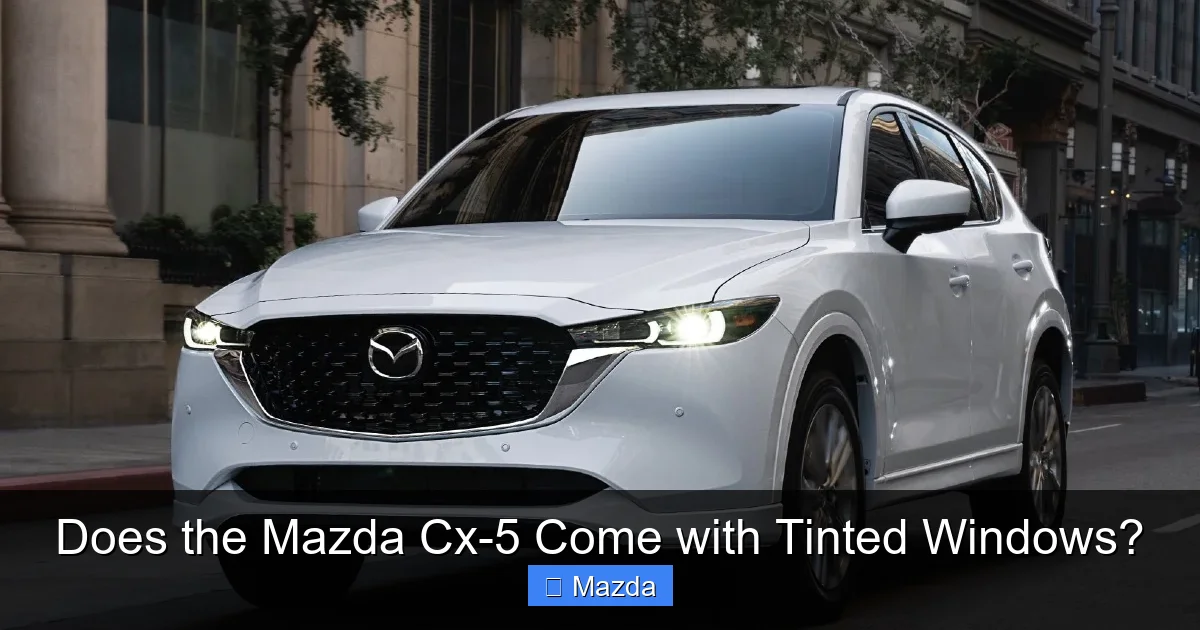
Visual guide about Does the Mazda Cx-5 Come with Tinted Windows?
Image source: motorbiscuit.com
State-by-State Variations You Must Know
For a 2026 CX-5, you must comply with the laws in the state where you register the vehicle. Let’s look at a few examples. California, a huge market for the CX-5, is relatively strict: front windshield must allow 70%+ VLT (only a strip at the top can be darker), front side windows must allow 70%+ VLT. Rear side windows and the rear window have no VLT limit—you can go as dark as you want. Contrast that with New York: front and rear side windows must allow 70%+ VLT, and the rear window must also allow 70%+ VLT if the vehicle has outside rearview mirrors on both sides (which the CX-5 does). So in New York, you cannot legally have dark tint on the rear window of your CX-5. Texas is more permissive: front sides must be 25%+ VLT, rear sides and back window have no limit. Florida allows 28%+ VLT on front sides, no limit on rear. This patchwork means a tint that’s perfectly legal in Arizona could get you pulled over in New Jersey. Always look up the specific statutes for your state’s DMV or highway patrol website. Many states also have rules about the reflectivity of the tint (how much light it reflects like a mirror) and require a sticker certifying the film’s compliance. A professional installer in your state will know these rules and will sell and install only legal options.
Medical Exemptions and Special Considerations
Some states offer medical exemptions for individuals with conditions like lupus, xeroderma pigmentosum, or severe photosensitivity that require maximum sun protection. These exemptions typically require documentation from a physician and may allow for darker tint on all windows, including the front. The process for obtaining this exemption varies by state and often involves applying to the DMV for a special permit or sticker. It’s a real but relatively rare pathway. For the vast majority of CX-5 owners, sticking to the standard VLT limits is the only legal option. Remember, even if your state allows dark rear tints, if you frequently drive across state lines into a stricter state, you could be cited there. The safest, most universal legal tint for the front sides of a CX-5 in most states is around 35% or 50% VLT.
Benefits Beyond Privacy: UV Protection, Heat Rejection, and Safety
We often think of tint first for privacy—keeping prying eyes away from your groceries or gym bag. But the functional benefits are arguably more important, especially for a family SUV like the CX-5 that sees lots of sun.
Protecting Your Interior and Your Passengers
Quality window film, whether factory or aftermarket ceramic, is a powerful UV blocker. It can filter out 95-99% of the sun’s ultraviolet radiation. This has three huge impacts. First, it dramatically slows the fading and cracking of your CX-5’s dashboard, leather seats, and plastic trim. The Arizona sun that turns dashboards to dust in a decade is blunted. Second, and more importantly, it protects you and your passengers. UV rays are a proven carcinogen, contributing to skin cancer and premature aging. Tinting your windows creates a mobile shade, reducing your exposure during daily commutes and road trips. This is a significant health benefit, especially for children with more sensitive skin. Third, by blocking infrared (IR) heat, a good ceramic tint can lower your interior temperature by 10-20 degrees Fahrenheit on a hot day. This means less reliance on the air conditioning, which saves fuel (or EV range) and reduces wear on your climate control system. The CX-5’s cabin gets noticeably more comfortable, and you won’t burn your legs on leather seats after the car’s been parked. If you’re concerned about protecting your interior, you might also consider our guide to the best car seat covers for the Mazda CX-5. While tint protects from UV and heat, quality seat covers add a physical barrier against spills, dirt, and wear from passengers and pets.
The Unexpected Safety Perk of Tinted Windows
In an accident, shattered glass is a major hazard. Window film, particularly metallized and ceramic films, holds broken glass together, preventing it from spraying into the passenger compartment as dangerous shrapnel. This can reduce lacerations and eye injuries in a collision or even a break-in attempt. Furthermore, by reducing glare from the sun or headlights of trailing vehicles, tint can improve driving comfort and reduce eye strain, contributing to safer driving. The factory tint on the rear window of a CX-5 also increases privacy for items stored in the cargo area, which is a passive security benefit. It’s not a substitute for locking valuables, but it makes your SUV a less obvious target.
Maintenance, Warranty, and Resale: The Practicalities
You’ve chosen your tint path. Now, how do you care for it, and what does it mean for your wallet in the short and long term?
Caring for Your Tinted Windows: Simple but Important
Maintenance is straightforward but requires awareness. For factory tint: treat it like any other glass. Use standard automotive glass cleaners. Avoid abrasive scrub pads. For aftermarket film: be gentler, especially for the first few weeks after installation while the film fully cures (adhesive sets). Use ammonia-free cleaners (like those made for tinted windows or baby shampoo solutions) and soft microfiber cloths. Harsh chemicals or ammonia can degrade the film’s adhesive and dyes over time, causing it to turn purple or bubble. Never use sharp objects or razor blades to scrape ice or debris off a tinted window; use a proper ice scraper on the frame. If you need to remove a sticker from the glass, use a hairdryer on low heat to warm the adhesive before peeling, and use a citrus-based adhesive remover followed by a gentle clean.
Warranty Implications: What Mazda Covers and What They Don’t
This is a key distinction. Mazda’s New Vehicle Limited Warranty (typically 5 years/60,000 miles) covers defects in materials and workmanship for all factory-installed components. This includes the factory-applied tint in the rear glass. If that glass develops an unusual stress crack or the tint itself delaminates due to a manufacturing defect, Mazda will replace the entire rear window assembly at no cost under warranty. However, this warranty does not extend to aftermarket modifications. If you have an aftermarket tint installed and it bubbles, peels, or discolors, that is solely the responsibility of the tint shop that installed it (under their workmanship warranty) and/or the film manufacturer (under their material warranty). You must go back to your installer. Crucially, the installation of an aftermarket tint does not automatically void your entire Mazda warranty. The Magnuson-Moss Warranty Act protects you here. Mazda cannot deny warranty coverage for an unrelated problem (like a faulty transmission or a leaking sunroof) simply because you have aftermarket tint. However, if a problem arises with something directly related to the tint—say, the rearview camera’s image is degraded and Mazda can prove it’s due to the metallic content of your aftermarket film—they could reasonably deny warranty service for that specific camera system. This is another point in favor of using high-quality, non-metallic ceramic film and a reputable installer who understands ADAS.
How Tints Affect Your CX-5’s Resale Value
Generally, a high-quality, legal tint is a positive feature for resale. It’s a desirable amenity for many used car buyers, especially in sunny states like Florida, Texas, Arizona, and California. It suggests the previous owner cared about comfort and protected the interior. It can make your CX-5 stand out in a competitive listing and may even fetch a slightly higher price or faster sale. However, a poor-quality tint job (bubbled, purple, uneven) is a major red flag. It suggests neglect and will likely turn buyers away or force you to lower the price to cover the cost of removal. A dark, illegal tint can also be a problem in states with strict inspections; a potential buyer in a strict state may have to pay to have it removed to pass inspection, which is a deterrent. The sweet spot is a professional, ceramic, legally-compliant tint. It’s an upgrade that pays you back in the long run. If you ever experience an issue with your vehicle’s electrical systems after tinting, you might need to consult a guide like how to reset a Mazda CX-5 service light. While a service light is unlikely to be caused by tint alone, if a sensor is triggered, a reset procedure might be necessary after the underlying issue (like a sensor obstruction) is resolved.
Frequently Asked Questions
Does the 2026 Mazda CX-5 come with tinted windows on all models?
No. For the 2026 model year, factory-tinted rear glass is typically standard on the Carbon Edition and Grand Touring trims. Base Sport and mid-level Touring trims generally come with clear glass on all windows. Always verify by checking the window sticker or VIN-specific build sheet.
Can I add factory-like tint to my CX-5 Sport after purchase?
Yes, through aftermarket tinting. You can have a professional install film that matches or exceeds the performance of the factory tint. For best results with your CX-5’s safety systems, choose a high-quality, non-metallic ceramic film and ensure the installer tests all cameras and sensors afterward.
What is the legal tint limit for the front windows of a Mazda CX-5?
This varies significantly by state. Most states require front side windows to allow at least 35% of light in (65% VLT or darker). States like California and New York are stricter at 70%. You must check your specific state’s DMV regulations. The rear windows often have no limit, but not always (e.g., New York).
Will aftermarket tint void my Mazda warranty?
Installing aftermarket tint does not void your entire vehicle warranty. However, if a problem occurs with a component directly related to the tint (e.g., rear camera interference from metallic film), Mazda could deny warranty coverage for that specific part. The tint itself is not covered; its warranty comes from the film manufacturer and installer.
Can I remove the factory tint from my CX-5 if I don’t like it?
Factory tint is part of the laminated glass assembly and cannot be removed without replacing the entire rear window. This is an expensive and involved process, as the new glass must be properly sealed and calibrated for ADAS sensors. It’s not a simple film removal.
What’s the best type of tint for hot climates and a family CX-5?
For hot climates and a family SUV, prioritize heat rejection and UV protection over extreme darkness. A high-performance ceramic film with a VLT of 35-50% on the front sides (to stay legal) and 15-20% on the rear offers an excellent balance. It blocks maximum infrared heat without being overly dark, maintains great visibility, and is completely safe for all the CX-5’s radar and camera-based safety features.
