
Does Tesla Model Y Come with Tinted Windows?

The Tesla Model Y does not come with fully tinted windows from the factory. While the rear glass has a very light factory tint (typically 20-30% VLT), the front side windows and windshield are untinted to meet federal and most state regulations. For darker tint, aftermarket installation is a popular and common upgrade among owners seeking enhanced privacy, heat rejection, and UV protection.
So, you’re thinking about a Tesla Model Y. You love the idea of that sleek, minimalist electric crossover. But then a practical question pops into your head: “Does this thing come with tinted windows?” It’s a fair question. Tinted windows aren’t just about style; they’re about comfort, privacy, and protecting your skin and interior from the sun’s harsh rays. Let’s pull back the curtain (or should we say, the glass) on what the Model Y actually ships with from the factory and what your options are if you want darker, more protective glass.
First, a quick answer to get us started: No, the Tesla Model Y does not come with “tinted windows” in the traditional aftermarket sense. There’s a crucial distinction to make between what Tesla installs at the factory and what you can buy at a tint shop. Tesla uses what’s called “tinted glass” or “privacy glass” on some panels, but it’s very different from the dark, UV-blocking window film most people think of. The front windows are completely clear. The rear glass has a light factory tint. That’s it. If you’re picturing the deep, limo-style tint you see on custom cars, you’ll need to look at aftermarket solutions. But don’t worry, that’s a very common and straightforward upgrade. Let’s dive into the details.
Key Takeaways
- Factory glass on the Model Y is not “tinted windows” as most owners expect: The rear hatch glass has a mild, factory-applied tint (around 20-30% VLT), but all front glass is clear to comply with laws.
- Legal tint limits vary significantly by state: Front side windows must allow a certain percentage of light (often 70%+ VLT), while rear windows have much darker allowances. Always check your local regulations.
- Aftermarket tinting is a highly popular and beneficial upgrade: It provides superior UV protection, reduces cabin heat, enhances privacy, and cuts glare—addressing the limitations of the factory glass.
- Professional installation is critical for performance and legality: Quality film and expert application ensure even darkness, no bubbles, and compliance with state VLT laws, which are strictly enforced.
- Costs vary based on film quality and coverage: Basic dyed film for all windows starts around $300-$500, while premium ceramic films with lifetime warranties can cost $800-$1,200+ for a Model Y.
- Tint does not void Tesla’s warranty when installed properly: Tesla’s warranty covers defects in materials and workmanship. Improper aftermarket installation that damages defroster lines or sensors could cause issues.
- Maintenance is simple but requires specific care: Use ammonia-free cleaners and soft cloths. Avoid abrasive tools or harsh chemicals for at least 30 days after installation to allow full curing.
📑 Table of Contents
- Understanding Factory Glass on the Tesla Model Y
- Legal Tint Limits: What You Need to Know
- Aftermarket Tinting: The Why and How for Model Y Owners
- How Much Does Aftermarket Tint Cost for a Model Y?
- The Professional Installation Process: What to Expect
- Caring for Your New Tinted Windows
- Tint vs. Wrap: Other Options for Style and Protection
- Conclusion: Your Path to the Perfect Model Y Glass
Understanding Factory Glass on the Tesla Model Y
To understand what you get, you need to know the terminology. Tesla doesn’t typically offer “aftermarket-style” tint as a factory option. Instead, they use what’s often called “deep tint” or “privacy glass” on certain rear panels. This is glass that has a slight tint manufactured into it during the glass-making process. It’s permanent, very subtle, and primarily for a mild aesthetic touch and slight privacy.
What “Factory Glass” Actually Means
When you buy a new Model Y, every piece of glass is considered “factory glass.” This means it meets all federal safety standards (like FMVSS 205 for glazing materials) and is installed by Tesla. The key thing to know is that for the front doors—the driver and front passenger windows—Tesla uses absolutely clear, untinted glass. This is non-negotiable for them because it ensures compliance with the strictest state laws in the U.S., which generally require front side windows to allow a high percentage of visible light through. They take a one-size-fits-all approach to avoid legal headaches for customers in states like California or New York with tight VLT (Visible Light Transmission) rules for front windows.
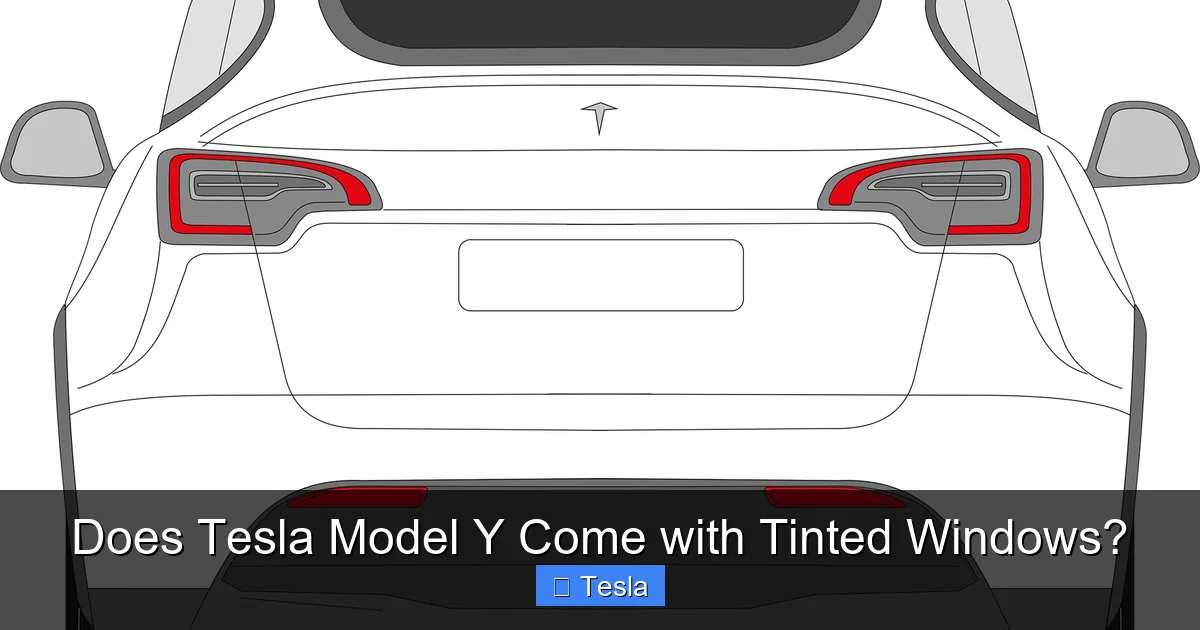
The rear side windows and the large rear hatch glass, however, receive a different treatment. Tesla applies a very light, grayish tint directly to the glass itself. This isn’t a film you can peel off; it’s part of the glass pane. The exact percentage can vary slightly by model year and production batch, but it consistently measures in the range of 20% to 30% VLT. That means 70-80% of visible light passes through. For comparison, a typical dark aftermarket tint might be 15% or 5% VLT. So, the factory tint is quite light—it offers a hint of privacy and reduces glare a little, but it does little to block heat or UV radiation effectively.
The Mild Rear Tint: What to Expect
If you stand behind a Model Y, you’ll notice the rear glass isn’t crystal clear like the front. It has a faint smoky appearance. This is the factory privacy glass. Its primary purposes are:
- Subtle Aesthetics: It gives the rear of the vehicle a more cohesive, upscale look compared to stark clear glass.
- Minimal Privacy: It makes it slightly harder for people to see directly into the rear cargo area and back seat from a close distance, but from a few feet away, visibility is still quite clear.
- Negligible Heat/UV Rejection: This is the biggest limitation. Standard factory-tinted glass blocks only a small fraction of infrared (heat) and ultraviolet (UV) radiation. You’ll still feel significant cabin heat buildup on sunny days, and your skin and dashboard are not well protected.
In short, if your goal is to keep the cabin cool, protect your leather or vinyl interiors from fading, or create a genuinely private space in the back, the factory rear tint falls far short. That’s where aftermarket window film becomes the solution for nearly all Model Y owners who care about these factors.
Why Front Windows Are Untinted
You might wonder, why doesn’t Tesla just tint the front windows to match the rear from the factory? The answer is a complex web of regulations. In the United States, window tint laws are not federal; they are set by each individual state. There is no national standard. Some states, like Montana or New Hampshire, are very permissive and allow dark tint on all windows, including the front. Others, like New York, New Jersey, and Vermont, are extremely strict, often requiring front side windows to allow at least 70% of light through (meaning a maximum of 30% tint). California falls somewhere in the middle, typically requiring 70% VLT for front side windows.
Tesla sells the Model Y in all 50 states. To avoid the massive cost and logistical nightmare of producing 50 different glass configurations for a single model, they opt for the safest, most compliant baseline: clear front glass. This guarantees that no matter where you buy or register your Model Y, the front windows will be legal on day one. The rear, with its light factory tint, is legal in every state because rear window tint laws are almost universally more relaxed. So, the lack of front tint is a deliberate business and regulatory decision, not an oversight.
Legal Tint Limits: What You Need to Know
Before you even think about calling a tint shop, you must understand the legal landscape where you live and where you drive. Ignorance of tint laws is not an excuse, and you can be pulled over, cited, and forced to remove illegal tint. The key metric is VLT (Visible Light Transmission).

Visual guide about Does Tesla Model Y Come with Tinted Windows?
Image source: i1.wp.com
Visible Light Transmission (VLT) Explained
VLT is a percentage that measures how much visible light can pass through your window glass and any applied film. A 100% VLT rating means completely clear—all light passes through. A 5% VLT rating means only 5% of light gets through; the window looks very dark, almost black from the outside. Lower percentage = darker tint. The laws usually specify the minimum VLT percentage allowed (e.g., “must allow more than 70% of light in” means your tint must be 70% VLT or higher, so no darker than 30% tint).
Here’s the critical nuance: Many states measure VLT for the front side windows at the window itself, not including the factory glass. Since your Model Y’s front glass is already at 100% VLT (clear), adding any aftermarket film will reduce the combined VLT. If your state requires 70% VLT for front windows, you can only add a film that, when combined with the factory glass, results in 70% or higher. Since factory glass is 100%, you could theoretically add a very light film (like 70% VLT film) and still be legal. But if you want a darker 30% VLT film on the front, it would be illegal in a 70% state because the combined VLT would be 30%.
For the rear windows, the rules are different. Since the factory rear glass is already about 20-30% VLT, adding a dark film on top of it will create a combined VLT that is even lower (darker). In most states, this is perfectly legal because rear window VLT limits are often 20% or even lower (darker). You must check your specific state’s law for the rear side windows and rear hatch.
State-by-State Variations: A Quick Overview
Laws change, so always verify with your local DMV or police non-emergency line, but here is a general snapshot for front side windows:
- Strict States (70%+ VLT minimum): California, New York, New Jersey, Vermont, New Hampshire, Virginia (for front sides), Washington D.C. In these states, you can only use very light film on the front doors, if any at all. The benefit here is mostly UV protection without much darkening.
- Moderate States (50%+ or 35%+ VLT minimum): Texas, Florida, Illinois, Pennsylvania, Georgia. These states allow medium-dark tint on the front sides. A 35% or 50% VLT film is typically legal.
- Permissive States (No specific VLT limit or very dark allowed): Montana, Wyoming, South Dakota, Missouri, Michigan (with medical exemptions). You can go as dark as you want on the front sides in these locations.
Windshield: Almost no state allows any opaque tint on the front windshield below the AS-1 line (the small tinted band at the top). Non-reflective tint on the top 5-6 inches is legal in many states. Tesla’s own windshield has a very light, uniform tint across the entire glass (around 70-80% VLT) from the factory for glare reduction, which is legal nationwide.
Special Rules for Windshields and Mirrors
Two other critical legal points:
- Windshield Tint: As mentioned, only the factory tint is legal. Adding any film to the main viewing area of the windshield is illegal in all 50 states. Some states allow a non-reflective strip at the top (usually up to 6 inches).
- Side Mirror Visibility: If your rear window tint is very dark (often below 20% VLT), some states require you to have side mirrors that provide an unobstructed view to the rear. This is rarely an issue with a Model Y’s large rear window, but it’s something to be aware of if you goextremely dark on the rear hatch.
Pro Tip: When you get your tint, ask the installer for a certificate of compliance or a tint slip that states the exact VLT percentage of the film used. Keep this in your glove compartment. It can save you from a ticket if an officer doubts the legality of your tint and you can prove it meets state standards.
Aftermarket Tinting: The Why and How for Model Y Owners
Given the minimal factory tint, aftermarket window film is the go-to solution for Model Y owners who want serious sun protection and privacy. It’s one of the most popular and impactful accessories for the vehicle. The process involves applying a thin, multi-layered polyester film to the inside of your windows. It’s a permanent, durable upgrade.
Visual guide about Does Tesla Model Y Come with Tinted Windows?
Image source: solarplexius.com
Privacy and Security
This is the most obvious benefit. A good 20% or 15% VLT film on the rear windows and hatch makes it very difficult for strangers to see into your car’s interior. This is a huge plus for security, as it hides valuables left in the back (like groceries, bags, or charging equipment) from casual thieves. It also creates a more comfortable, secluded environment for passengers, especially on road trips or when carrying children. You can check out our guide on how much it costs to tint a Tesla Model Y to see detailed pricing for different privacy levels.
Heat Rejection and Comfort
This is where high-quality film shines—literally. The sun’s infrared radiation is what makes your car’s cabin feel like an oven. Standard factory glass does almost nothing to block it. Premium ceramic or metallized films can reject 50-60% or more of solar heat. For a Model Y with its large glass roof and panoramic rear window, this is transformative. On a hot summer day, the cabin will heat up much slower, your AC won’t have to work as hard (saving a tiny bit of range), and you won’t emerge from the car feeling like a roasted marshmallow. The difference is night and day.
UV Protection for You and Your Interior
All quality window films block over 99% of the sun’s ultraviolet (UV-A and UV-B) rays. This is crucial for two reasons:
- Your Health: UV radiation penetrates car windows and contributes to skin cancer and premature aging. A good tint acts like sunscreen for your skin while you drive.
- Your Car’s Interior: UV rays are the primary cause of fading, cracking, and deterioration of leather, vinyl, fabric, and dashboard materials. The Model Y’s minimalist interior, with its large surfaces, is particularly vulnerable. Tint is a key part of protecting your investment and keeping the cabin looking new for years.
Glare Reduction for Safer Driving
Whether it’s the low-angle sun at dawn/dusk, glare reflecting off wet roads, or headlights at night, excessive glare is a safety hazard. Tinted windows significantly reduce the intensity of bright light entering the cabin, decreasing eye strain and improving visibility. This is especially valuable for the driver’s side window, though legal limits often restrict how dark you can go there. Even a light UV-blocking film can help with glare without affecting VLT much.
How Much Does Aftermarket Tint Cost for a Model Y?
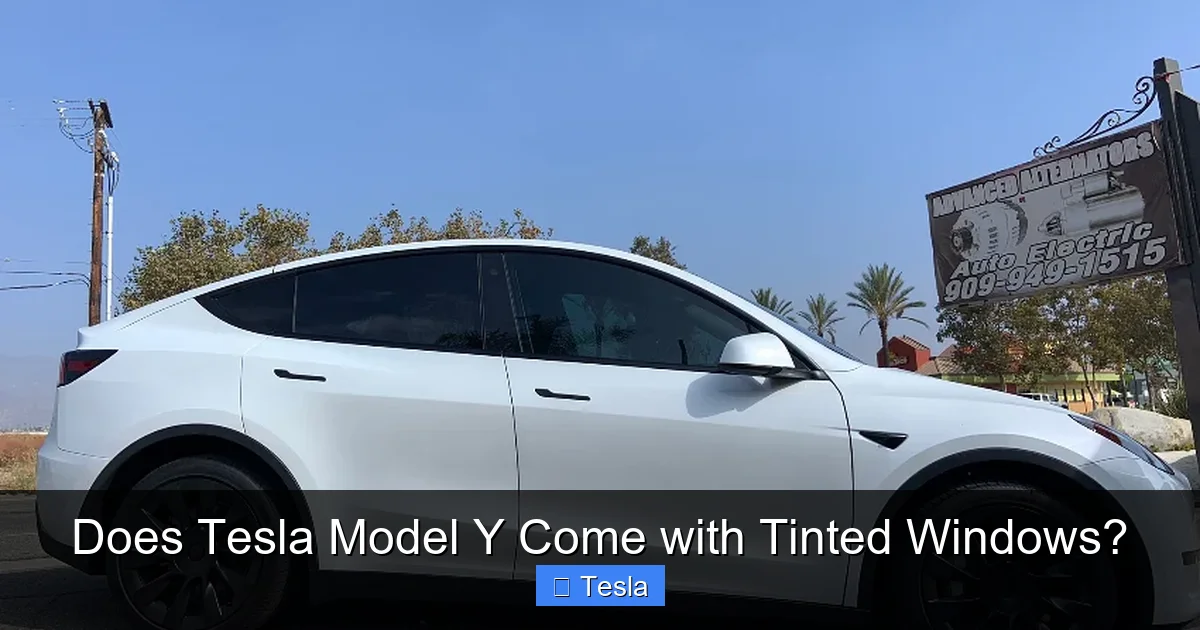
Cost is a major consideration. Prices vary widely based on three main factors: the type/quality of film, how many windows are tinted, and the labor rates of the shop. For a Tesla Model Y, you’re typically looking at tinting the front two doors, the two rear passenger windows, and the large rear hatch. Some owners also tint the front windshield with a clear UV-blocking film (legal in most states) or the glass roof (more complex and expensive).
Visual guide about Does Tesla Model Y Come with Tinted Windows?
Image source: acutintpro.com
Factors Affecting the Price
- Film Technology:
- Dyed Film: The most budget-friendly ($150-$300 for full car). It provides good privacy and decent heat rejection but can fade (turn purple) over time and offers modest UV protection. Often comes with a shorter warranty (1-5 years).
- Metallic/Polyester Film: Mid-range ($300-$600). Uses metal particles to reflect heat. Better heat rejection than dyed, can interfere with radio/GPS/smart key signals (a potential issue for Tesla’s keyless entry and connectivity), and may have a shiny, reflective appearance.
- Ceramic Film: The premium choice ($600-$1,200+). Uses non-conductive ceramic particles. Offers the highest heat and UV rejection (often 50%+ IR rejection), no signal interference, excellent clarity, and lifetime warranties against fading, bubbling, or discoloration. This is the recommended type for a high-tech car like the Model Y.
- Number of Windows: A “full wrap” (all windows except windshield) is standard. Adding the windshield (with a clear film) or the glass roof adds significant cost due to the complexity and amount of film.
- Installer Reputation: A well-known, certified shop with years of experience will charge more than a discount mobile tinting service. You pay for expertise, quality control, and warranty support. For a car like the Model Y with its complex curves and large glass panels, a skilled installer is worth every penny to avoid bubbles, gaps, and peeling.
Typical Price Ranges for a Model Y (Full Wrap, 5 Windows)
- Basic Dyed Film: $250 – $450
- Mid-Range Metallic/Polyester: $400 – $700
- Premium Ceramic (Lifetime Warranty): $700 – $1,200+
These are national averages. Prices in major metropolitan areas (California, New York, etc.) will be on the higher end. Always get 3-4 detailed quotes. The quote should specify the exact film brand and series (e.g., Llumar CT Series, 3M Crystalline, SunTek Carbon), the VLT percentage for each window, and what is included (e.g., removal of factory tint if any, cleaning of glass, warranty details).
The Professional Installation Process: What to Expect
DIY tint kits exist, but for a Tesla Model Y, we strongly advise against it. The windows are large, deeply curved, and have complex shapes (especially the rear hatch). A poor DIY job will result in visible creases, air bubbles, debris under the film, and premature failure. Professional installation is a multi-step process that takes 2-4 hours for a full car.
Choosing a Reputable Installer
This is the most important decision. Look for shops with:
- Specific Tesla Experience: Ask if they’ve done a Model Y before. The rear hatch is a unique, large piece of glass.
- Certifications: Brands like 3M, Llumar, and SunTek certify their installers. A certified installer has been trained on proper techniques for that specific film.
- Portfolio and Reviews: View photos of their past work on Teslas. Check Google, Yelp, and Tesla forums for reviews specifically mentioning clean installs and longevity.
- Detailed Warranty: The film manufacturer’s warranty should be transferable and cover fading, discoloration, and bubbling for the stated period (often lifetime for ceramic). Get the warranty paperwork in hand.
What Happens on Installation Day
A good shop will follow these steps:
- Thorough Cleaning: The interior side of every window is meticulously cleaned with specialized solutions to remove any dust, grease, or film residue from the factory.
- Precision Cutting: The installer either cuts the film by hand using a plotter (computer-guided cutter) or, more commonly for custom curves, by “pattern” on a similar vehicle. For a Model Y, computer-cut patterns are ideal for a perfect fit.
- Application: Using a slip solution (soapy water), the film is positioned on the wet glass, then squeegeed out from the center to the edges to remove all moisture and air. This requires immense skill to avoid wrinkles and ensure full adhesion.
- Trimming and Heat Shrinking: For complex curves like the Model Y rear hatch, the installer will use a heat gun to gently shrink and form the film to the exact shape of the glass, eliminating any minor gaps or lifts.
- Final Inspection and Curing: The installer checks for any imperfections. Then, they’ll explain the curing process: the film needs 3-7 days (sometimes up to 30 for full cure) to fully adhere. During this time, you should avoid rolling down windows, touching the film, or using harsh chemicals. Small water pockets or a hazy appearance are normal and will disappear as the moisture evaporates.
Caring for Your New Tinted Windows
Once installed, your tint is relatively low-maintenance, but the first month is critical. Proper care ensures your investment lasts 10+ years.
Cleaning Do’s and Don’ts
DO:
- Wait at least 7 days (follow installer’s advice) before cleaning the windows.
- Use a soft, lint-free microfiber cloth.
- Use an ammonia-free, vinegar-free automotive window cleaner or a simple mixture of water and a drop of baby shampoo.
- Spray cleaner on the cloth, not directly on the window, to avoid seeping into edges.
- Wipe using gentle, straight-line motions.
DON’T:
- Use Windex, ammonia-based cleaners, or any abrasive all-purpose cleaners. These will degrade the film’s adhesive and coatings, causing it to turn purple, peel, or bubble.
- Use paper towels, rough cloths, or abrasive pads. They will scratch the film.
- Use sharp objects, razors, or fingernails near the edges to remove stickers or ice. This can pry the film loose.
- Roll down windows until the film is fully cured (usually 1 week, check with installer).
Tint vs. Wrap: Other Options for Style and Protection
Window tint isn’t the only way to change the look of your Model Y’s glass or protect its paint. A full or partial vehicle wrap is another popular modification. While tint changes the glass, a wrap applies a large vinyl decal to the car’s body panels. It’s a completely different category with different benefits and costs.
What is a Vehicle Wrap?
A vinyl wrap is a large, flexible adhesive film that is precisely applied over the car’s paint. It can change the vehicle’s color entirely (e.g., matte black, satin pearl white) or create graphics, accents, or protection. A full wrap covers every painted surface (except usually the roof, which is glass). A partial wrap might cover just the hood, roof, or side stripes.
Comparing Tint and Wrap for Your Needs
- Purpose: Tint is for the windows—privacy, heat, UV. A wrap is for the body—color change, paint protection, advertising, or unique styling.
- Cost: A full Model Y wrap typically costs $2,500 – $6,000+, depending on the vinyl quality and complexity. That’s significantly more than a full tint job. For a detailed breakdown, see our guide on how much to wrap a Tesla Model Y.
- Impact on Resale: Both can be removed, but a high-quality wrap, when removed by professionals, often leaves the original paint in excellent condition, potentially boosting resale value. A poor wrap removal can damage paint. Tint, if done with quality film, is generally seen as a positive feature by used car buyers.
- Longevity: Premium vinyl wraps last 5-7 years with proper care. Premium ceramic tint lasts 10+ years, often with a lifetime warranty.
Many Model Y owners do both: they tint the windows for comfort and privacy, and wrap the body in a striking color for style and paint protection. They are complementary modifications, not competing ones.
Conclusion: Your Path to the Perfect Model Y Glass
So, does the Tesla Model Y come with tinted windows? The technical answer is yes, but with a huge asterisk. It has a very light, factory-installed tint on the rear glass and clear glass everywhere else. For the vast majority of owners who want meaningful privacy, serious heat rejection, and comprehensive UV protection, aftermarket window film is an essential and highly recommended upgrade. It’s one of the smartest, most cost-effective ways to improve your daily driving experience in a Model Y.
Your next steps are clear: First, look up your state’s specific VLT laws for front and rear windows. Know your legal limits. Second, research reputable, Tesla-experienced installers in your area. Get multiple quotes for premium ceramic film. Third, choose your VLT percentages based on your privacy needs and legal constraints. For many, a darker rear (e.g., 15% or 20% VLT) and a legal, lighter front (e.g., 50% or 70% VLT) is the ideal setup. Finally, schedule your installation and enjoy the dramatically cooler, more private, and better-protected cabin your Model Y deserves.
Investing in quality aftermarket tint transforms the glass from a regulatory compromise into a personalized comfort feature. It’s not just about making your Tesla look cool—though it certainly does that. It’s about making the incredible Tesla experience even better, mile after sunny mile.
Frequently Asked Questions
Does Tesla offer factory tint as an option on the Model Y?
No, Tesla does not offer a factory-installed aftermarket-style tint option for the Model Y. The only tint is the very light (20-30% VLT) privacy glass applied to the rear hatch and rear side windows during manufacturing. All front glass is clear.
What is the darkest legal tint I can put on the front windows of my Model Y?
It depends entirely on your state. In strict states like California or New York (70% VLT minimum), you can only use a very light film, if any. In more permissive states like Texas (25% VLT minimum), you can go much darker. You must check your local Department of Motor Vehicles (DMV) website for the exact VLT percentage allowed on front side windows.
Will adding aftermarket tint void my Tesla’s warranty?
No, installing aftermarket window tint will not void your Tesla’s new car warranty. Tesla’s warranty covers defects in materials and workmanship of the vehicle. However, if the tint installation is done poorly and causes damage (e.g., to window regulators, defroster lines, or interior panels), that specific damage would not be covered. Always use a professional installer.
How long does professional window tint take to cure on a Model Y?
The initial installation takes 2-4 hours. The curing process, where the film’s adhesive fully bonds to the glass, takes between 3 to 7 days for most films. During this time, you should avoid rolling down the windows, touching the film, or using harsh cleaners. Full chemical cure can take up to 30 days. Your installer will provide specific aftercare instructions.
Can I tint the panoramic glass roof on my Model Y?
Technically yes, but it is a complex, expensive, and less common modification. The roof glass is large, curved, and has a slight factory tint. Applying film requires extreme skill to avoid bubbles and peeling. It also carries a higher risk of damaging the glass or the headliner if done incorrectly. Costs for a high-quality ceramic roof tint can exceed $500. Many owners opt for a sunshade instead for heat protection.
Is DIY tinting a Model Y a good idea to save money?
We strongly advise against it. The Model Y’s windows, especially the rear hatch, are large and have complex curves. Achieving a perfect, bubble-free, and durable finish requires professional tools, patterns, and years of experience. A DIY job will almost certainly look poor, trap debris, peel prematurely, and could even damage the glass or interior. The cost of fixing a bad DIY tint often exceeds the cost of a professional job.
