
Does Driving Charge Your Car Battery

Yes, driving charges your car battery—but not directly. Your car’s alternator generates electricity while the engine runs, recharging the battery. However, short trips may not provide enough time to fully recharge, especially if the battery is old or weak.
Key Takeaways
- Driving recharges the battery via the alternator: The alternator powers the electrical system and replenishes the battery while the engine runs.
- Short trips aren’t enough: Frequent short drives may not allow sufficient charging time, leading to gradual battery drain.
- Battery age matters: Older batteries lose their ability to hold a charge, even with regular driving.
- Electrical loads impact charging: Using lights, AC, or infotainment systems while driving increases demand on the charging system.
- Extreme temperatures affect performance: Cold weather reduces battery efficiency, while heat accelerates internal wear.
- Regular maintenance is essential: Clean terminals, check voltage, and test the charging system to ensure optimal performance.
- Alternator failure stops charging: If the alternator fails, the battery won’t recharge, even on long drives.
📑 Table of Contents
- Does Driving Charge Your Car Battery?
- How Your Car Charges the Battery While Driving
- Factors That Affect Battery Charging While Driving
- Common Misconceptions About Charging Car Batteries
- Tips to Maintain Battery Health and Ensure Proper Charging
- When Driving Isn’t Enough: Signs of Alternator or Battery Failure
- Conclusion
Does Driving Charge Your Car Battery?
Have you ever hopped into your car after a few days of not driving, only to find the engine won’t start? You turn the key, hear a weak clicking sound, and suddenly wonder—did my battery die because I didn’t drive enough? It’s a common concern, especially for people who only use their cars for short errands or work from home. The short answer is yes—driving does help charge your car battery, but it’s not as simple as just hitting the gas and hoping for the best.
Your car’s battery doesn’t get charged by the motion of driving itself. Instead, it’s recharged by a component called the alternator, which kicks into action as soon as the engine starts. Think of the alternator as your car’s onboard power plant. It converts mechanical energy from the engine into electrical energy, which powers everything from your headlights to your radio—and yes, it also sends extra power back to the battery to keep it charged. So while driving is essential for maintaining battery health, the real hero is the alternator.
But here’s the catch: not all driving is created equal when it comes to charging. A quick 10-minute trip to the grocery store might keep the lights on, but it probably won’t fully recharge a depleted battery. That’s why understanding how your car’s charging system works—and how your driving habits affect it—can save you from being stranded with a dead battery.
How Your Car Charges the Battery While Driving
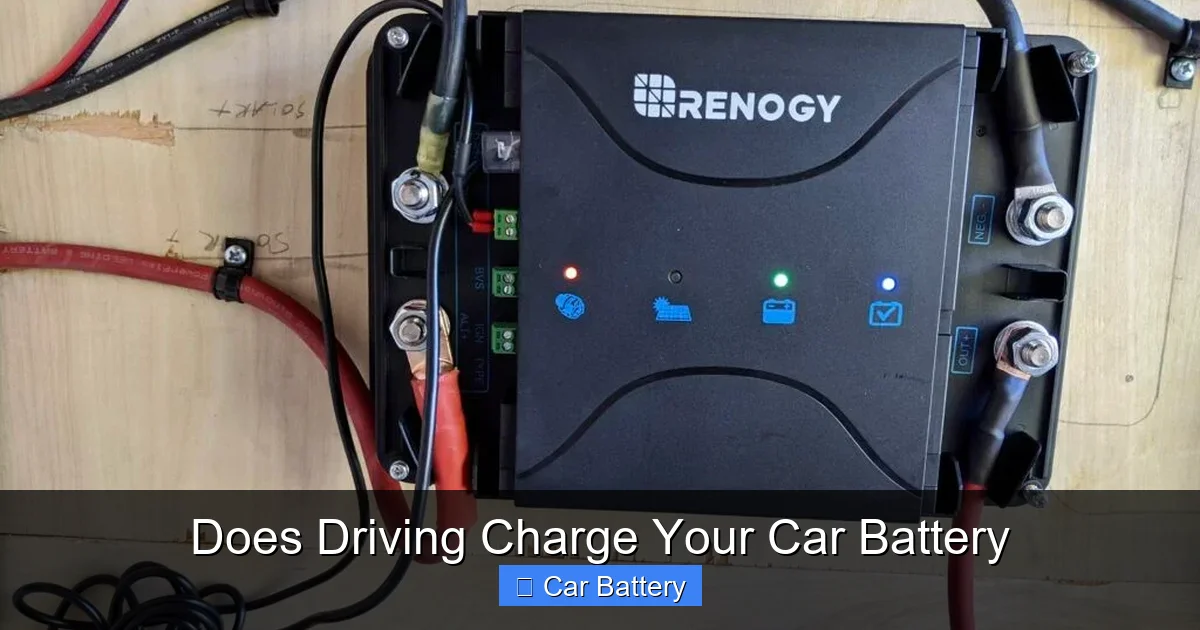
Visual guide about Does Driving Charge Your Car Battery
Image source: gnomadhome.com
To truly grasp whether driving charges your car battery, you need to understand the role of the alternator. When you start your car, the battery provides the initial burst of energy needed to crank the engine. Once the engine is running, the alternator takes over. It’s belt-driven by the engine’s crankshaft, meaning it spins whenever the engine is on.
As the alternator spins, it generates alternating current (AC), which is then converted into direct current (DC) by a component called a rectifier. This DC power is what your car’s electrical system uses. Some of this power runs your vehicle’s electronics—like the dashboard, air conditioning, and infotainment system—while the excess is sent to the battery to recharge it.
The alternator is designed to maintain the battery’s charge, not to fully recharge a deeply discharged one. For example, if your battery is at 50% because you left the headlights on overnight, the alternator will slowly bring it back up to full charge over time. But if the battery is severely drained or old, the alternator may struggle to keep up, especially during short trips.
The Role of Engine RPM in Charging
One important factor in how effectively your battery recharges is engine speed, measured in revolutions per minute (RPM). The alternator produces more electricity at higher RPMs. That means highway driving—where the engine runs at a steady, higher RPM—is generally more effective at recharging the battery than stop-and-go city driving.
For instance, a 30-minute drive on the freeway can generate significantly more charging power than three 10-minute trips around town. This is because the alternator has more time and higher output to replenish the battery. If you mostly drive short distances, your alternator may never reach its optimal charging capacity, leading to a gradual decline in battery charge over time.
Charging Time: How Long Do You Need to Drive?
So, how long should you drive to recharge your battery? The answer depends on several factors, including how depleted the battery is, the efficiency of your alternator, and your driving conditions.
As a general rule, a healthy alternator can begin recharging a moderately drained battery within 15 to 30 minutes of driving. However, if the battery is severely discharged—say, from leaving the lights on overnight—it may take an hour or more of continuous driving to restore it to full charge.
Let’s say you accidentally left your interior light on for 12 hours. That could drain your battery to around 20–30% capacity. In this case, you’d likely need at least 45 minutes to an hour of driving at highway speeds to bring it back to a safe level. Shorter trips won’t cut it.
It’s also worth noting that modern cars with start-stop technology—where the engine shuts off at red lights—can complicate charging. While these systems are designed to save fuel, they place extra strain on the battery and alternator. If you drive in heavy traffic with frequent stops, your battery may not get the consistent charging it needs.
Factors That Affect Battery Charging While Driving
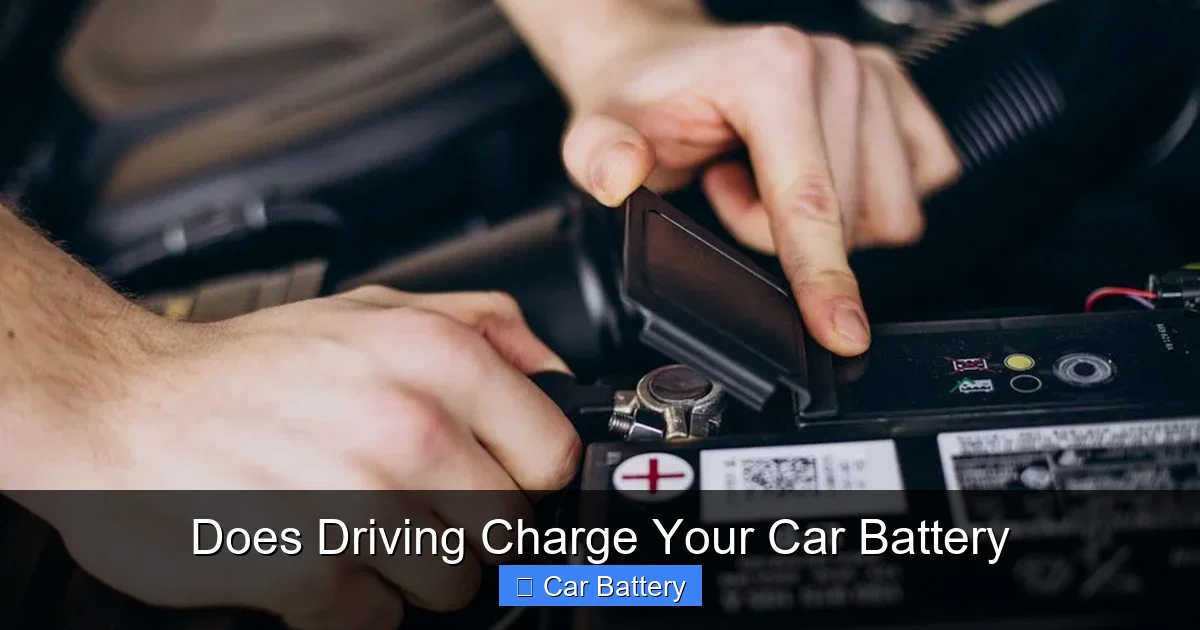
Visual guide about Does Driving Charge Your Car Battery
Image source: kwikfixauto.in
Not all driving conditions are equal when it comes to charging your car battery. Several factors can influence how effectively your alternator replenishes the battery, and understanding them can help you avoid unexpected breakdowns.
Battery Age and Condition
One of the biggest factors is the age and health of your battery. A brand-new battery can accept and hold a charge efficiently, but as batteries age—typically after 3 to 5 years—their internal components degrade. This reduces their capacity to store energy, meaning even if the alternator is working perfectly, the battery may not hold a full charge.
For example, a 4-year-old battery might only hold 70% of its original capacity. If you drive short distances, that reduced capacity means it drains faster and recharges more slowly. Eventually, it may reach a point where it can’t start the car, even after a full day of driving.
Signs of a failing battery include slow engine cranking, dim headlights, and warning lights on the dashboard. If you notice these symptoms, it’s time to test or replace the battery—no amount of driving will fix a battery that’s reached the end of its life.
Electrical Load and Accessory Use
The more electrical devices you use while driving, the harder your alternator has to work. Think of it like a water pump trying to fill a bucket while someone is constantly scooping water out. If you’re blasting the heater, running the defroster, using seat warmers, and playing loud music all at once, your alternator is under heavy load.
This increased demand means less surplus power is available to recharge the battery. In extreme cases, especially with older vehicles or weak alternators, the electrical load can exceed the alternator’s output, causing the battery to slowly drain even while driving.
For instance, driving at night in winter with the headlights, heated seats, and defroster on can significantly reduce charging efficiency. If you’re already dealing with a partially discharged battery, this combination could leave you stranded.
Temperature and Climate
Weather plays a surprising role in battery performance. Cold temperatures slow down the chemical reactions inside the battery, reducing its ability to deliver power. This is why cars are more likely to fail to start on frigid winter mornings.
At the same time, cold weather increases the demand on the battery—engines are harder to turn over, and drivers often use more electrical accessories (like heaters and defrosters). This double whammy means your alternator has to work harder just to keep up, let alone recharge the battery.
On the flip side, extreme heat can also damage batteries. High temperatures accelerate the evaporation of the electrolyte fluid inside the battery and can cause internal plates to corrode. Over time, this reduces the battery’s lifespan and charging capacity.
So whether you live in a snowy climate or a scorching desert, temperature extremes can impact how well your battery charges—even when you’re driving regularly.
Common Misconceptions About Charging Car Batteries
Visual guide about Does Driving Charge Your Car Battery
Image source: carautoportal.com
There are several myths floating around about how car batteries charge, and believing them can lead to poor maintenance habits or unnecessary stress. Let’s clear up some of the most common misconceptions.
“Idling the Engine Charges the Battery”
Many people think that letting their car idle for 20 minutes will recharge a dead battery. While it’s true that the alternator runs when the engine is on—even at idle—the charging rate is very low. At idle, the alternator spins slowly and produces minimal electricity.
In fact, idling may not even generate enough power to offset the electrical load from the car’s systems. If you’re using the radio, lights, or climate control while idling, you could actually be draining the battery faster than it’s being recharged.
For effective charging, you need the engine to run at higher RPMs. That means driving—not just sitting in the driveway with the engine running.
“Long Drives Always Fix a Dead Battery”
Another myth is that a long road trip will automatically fix a weak or dead battery. While extended driving can help recharge a moderately drained battery, it won’t revive a completely dead or failed one.
If your battery is old or damaged, it may not accept a charge at all—no matter how long you drive. In such cases, the alternator will keep the car running, but the battery won’t store energy. As soon as you turn off the engine, the car won’t start again.
This is why it’s important to test your battery regularly. A simple voltage test can tell you if it’s holding a charge or if it’s time for a replacement.
“Jump-Starting Fully Charges the Battery”
Jump-starting your car gets you back on the road, but it doesn’t fully recharge the battery. The jumper cables provide a temporary boost to start the engine, but the battery remains depleted.
After a jump-start, you need to drive for at least 30 minutes to allow the alternator to replenish the charge. Even then, if the battery is old or damaged, it may not hold that charge.
Relying on jump-starts as a regular solution is a red flag that your battery or charging system needs attention.
Tips to Maintain Battery Health and Ensure Proper Charging
Now that you know how driving affects your car battery, here are some practical tips to keep it in top shape and ensure it charges properly.
Drive Regularly and for Long Enough
If you only use your car for short trips, consider taking it for a longer drive once a week. A 20- to 30-minute drive at highway speeds gives the alternator enough time and RPMs to fully recharge the battery.
This is especially important in winter, when batteries are under more stress. Regular longer drives can prevent gradual discharge and extend battery life.
Minimize Electrical Load When Starting
Before starting your car, turn off unnecessary accessories like the radio, lights, and climate control. This reduces the initial load on the battery and gives the alternator a better chance to recharge it quickly once the engine is running.
Once the car is started, you can gradually turn on the accessories as the alternator ramps up power.
Keep Battery Terminals Clean
Corrosion on battery terminals can interfere with the flow of electricity, reducing charging efficiency. Check your terminals regularly and clean them with a mixture of baking soda and water if you see white or green buildup.
Use a wire brush to scrub the terminals and clamps, then rinse with water and dry thoroughly. Applying a thin layer of petroleum jelly can help prevent future corrosion.
Test Your Battery and Charging System
Most auto parts stores offer free battery and alternator testing. Have your system checked at least once a year, especially before winter.
A voltage test can tell you if your battery is holding a charge. A healthy battery should read around 12.6 volts when the car is off and 13.7 to 14.7 volts when the engine is running—this indicates the alternator is charging properly.
Replace Old Batteries Promptly
Don’t wait for your battery to fail completely. Most car batteries last 3 to 5 years. If yours is approaching that age and you notice slow cranking or dim lights, consider replacing it proactively.
A new battery ensures reliable starting and gives your alternator a healthy component to charge, improving overall system performance.
When Driving Isn’t Enough: Signs of Alternator or Battery Failure
Even with regular driving, your battery may not charge properly if there’s an underlying issue. Here are some warning signs that your alternator or battery is failing.
Dim or Flickering Lights
If your headlights dim when you turn on the AC or radio, or if they flicker while driving, it could mean the alternator isn’t producing enough power. This is a common sign of alternator failure.
Battery Warning Light
The battery or charging system warning light on your dashboard is a clear indicator that something is wrong. It usually looks like a battery symbol or says “ALT” or “CHG.” If this light comes on, have your charging system checked immediately.
Frequent Jump-Starts
If you find yourself needing jump-starts more than once or twice a year, it’s a sign that your battery isn’t holding a charge—or your alternator isn’t recharging it.
Strange Noises
A failing alternator may produce a whining or grinding noise, especially when electrical loads are high. This could indicate a worn bearing or internal damage.
Electrical Issues
Problems like power windows moving slowly, erratic dashboard behavior, or the radio cutting out can all point to charging system problems.
If you notice any of these symptoms, don’t ignore them. A failing alternator can leave you stranded, and driving with a weak charging system can damage other electrical components.
Conclusion
So, does driving charge your car battery? The answer is yes—but with important caveats. Driving allows your alternator to generate electricity and replenish the battery, but only if the engine runs long enough and at sufficient RPMs. Short trips, high electrical loads, extreme temperatures, and an aging battery can all interfere with effective charging.
To keep your battery healthy, drive regularly for extended periods, minimize unnecessary electrical use, and maintain your charging system. Test your battery annually and replace it before it fails. And if you notice warning signs like dim lights or frequent jump-starts, don’t wait—get your car checked right away.
By understanding how your car’s charging system works and taking proactive steps, you can avoid the frustration of a dead battery and enjoy reliable starts, no matter the season.
Frequently Asked Questions
Does idling charge a car battery?
Idling provides minimal charging because the alternator spins slowly at low RPMs. It may not generate enough power to offset electrical loads, potentially draining the battery further.
How long should I drive to recharge a dead battery?
After a jump-start, drive for at least 30–60 minutes at highway speeds to allow the alternator to fully recharge the battery, especially if it was deeply discharged.
Can a bad alternator prevent battery charging?
Yes, if the alternator fails, it won’t generate electricity to recharge the battery. The car may run briefly on battery power but will eventually stall.
Why does my battery keep dying even though I drive daily?
This could indicate a parasitic drain, a failing battery, or an alternator issue. Short trips may also prevent full recharging, especially in cold weather.
Is it safe to drive with a weak battery?
Driving with a weak battery risks leaving you stranded. It can also strain the alternator and other electrical components, leading to costly repairs.
How often should I replace my car battery?
Most car batteries last 3 to 5 years. Replace them proactively if you notice slow cranking, dim lights, or if the battery is over 4 years old.