
Do Jeep Wranglers Have Blind Spot Monitoring?

The availability of blind spot monitoring (BSM) in Jeep Wranglers depends heavily on the model year and trim level. Factory-installed BSM became widely available starting with the current JL generation (2018+) as part of optional safety packages. Earlier JK and TJ models generally did not offer it from the factory. However, robust aftermarket BSM systems provide a viable solution for virtually any Wrangler year, though installation can be complex. Always verify your specific vehicle’s options through its VIN or build sheet.
Key Takeaways
- Model Year is Critical: Factory BSM is primarily a feature of the JL generation (2018+) and was not standard on earlier JK (2007-2018) or TJ (1997-2006) models.
- It’s Usually an Optional Package: On Wranglers that offer it, BSM is almost never standard; it comes in bundled safety or technology packages like the “Safety Group” or “Techo” package.
- Aftermarket Solutions Exist: For Wranglers without factory BSM, reputable aftermarket kits from companies like Ridge Rider or Blind Spot Systems can be installed, often integrating with factory mirrors.
- Off-Road Modifications Can Interfere: Aftermarket bumpers, winch mounts, and rock sliders can block the radar sensors, requiring careful planning or sensor relocation.
- Check Your VIN for Certainty: The only surefire way to know if your specific Wrangler has BSM is to decode its VIN or retrieve the original build sheet from Jeep.
- Mirror-Mounted Systems are Common: Many aftermarket and even some factory systems (on other vehicles) use the side mirror housings for their warning LEDs, a popular and effective approach.
- Don’t Rely Solely on Tech: Whether factory or aftermarket, BSM is an aid, not a replacement for proper shoulder checks and mirror usage, especially in a vehicle with significant blind spots like a Wrangler.
📑 Table of Contents
- The Million-Dollar Question for Wrangler Owners
- A Brief History: When Did Safety Tech Arrive in the Wrangler?
- The JL Generation: Blind Spot Monitoring Arrives (But You Have to Ask)
- Aftermarket Blind Spot Monitoring for Wranglers: A Thriving Ecosystem
- The Off-Road Reality: BSM and Your Wrangler’s Adventure Gear
- Comparing to the Competition: How Does the Wrangler Stack Up?
- The Bottom Line: Your Actionable Checklist
- Conclusion: Embracing Safety Without Sacrificing Soul
The Million-Dollar Question for Wrangler Owners
So, you’re in the market for a Jeep Wrangler, or you already own one and you’re thinking about safety. You love the iconic look, the removable doors and roof, and the unparalleled off-road prowess. But then, merging onto the highway or changing lanes in city traffic, you feel that familiar pang of doubt. That massive A-pillar, the solid rear window on a two-door, or even the spare tire mounted on the tailgate on a four-door—all create significant blind spots. It begs the question: Do Jeep Wranglers have blind spot monitoring? The answer, like most things in the Jeep world, is a classic “it depends.” There is no simple yes or no. The response is a nuanced journey through model years, trim levels, optional packages, and the thriving aftermarket industry that serves the Jeep community. Let’s break it all down, from the factory floor to your driveway.
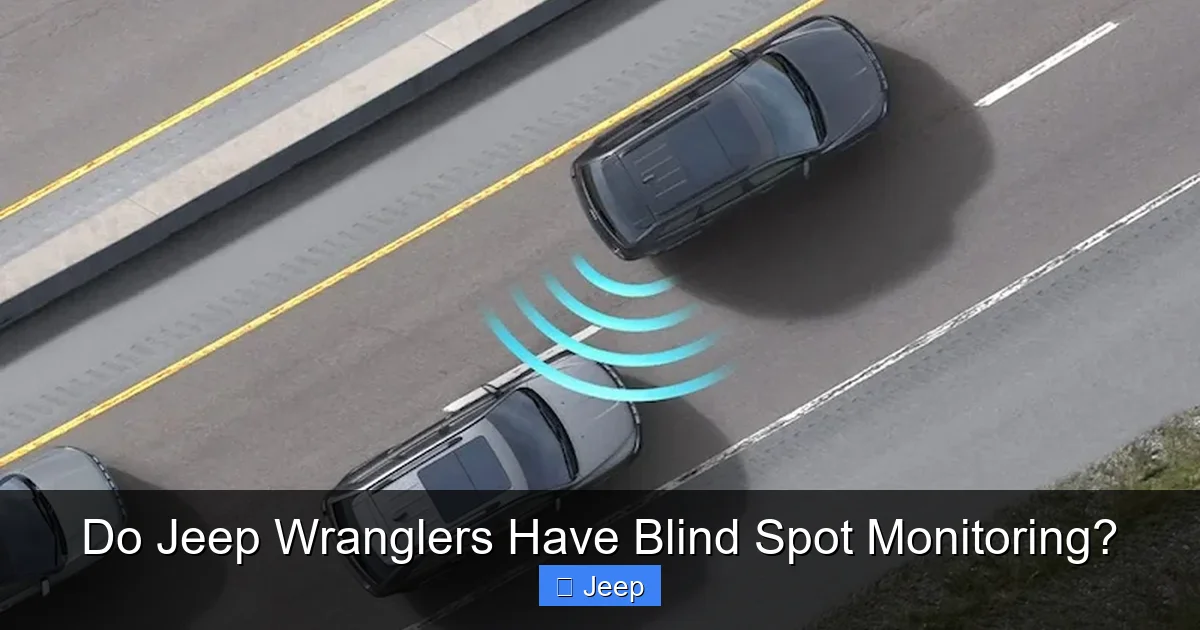
First, let’s clarify what we mean by “blind spot monitoring” (BSM). This is an active safety system that uses radar sensors, typically mounted in the rear bumper or within the side mirrors, to detect vehicles in your adjacent lanes that may not be visible in your side mirrors. When a vehicle is detected, a visual indicator (usually a small icon) illuminates on the corresponding side mirror or A-pillar. More advanced systems may also provide an audible or haptic (steering wheel vibration) warning if you attempt to change lanes while the zone is occupied. It’s a fantastic tool for mitigating one of the most common causes of highway accidents.
For the Jeep Wrangler—a vehicle celebrated for its raw, utilitarian, and off-focused heritage—the integration of such modern electronic nannies has been a gradual and sometimes contentious process. Purists often argue that driving a Wrangler requires more engagement and skill, and that good old-fashioned shoulder checks are all you need. While there’s truth to the engagement part, there’s no denying the safety benefit of an extra set of electronic eyes. Understanding which Wranglers have this tech from the factory, and how to get it if yours doesn’t, is key for any safety-conscious owner.
A Brief History: When Did Safety Tech Arrive in the Wrangler?
To understand the current state of BSM in Wranglers, we need to look at the evolution of the model. The Wrangler’s lineage is typically broken into three main generations: the YJ (1987-1995), TJ (1997-2006), JK (2007-2018), and the current JL (2018-Present). The integration of advanced driver-assistance systems (ADAS) like blind spot monitoring happened relatively late in this timeline.
Visual guide about Do Jeep Wranglers Have Blind Spot Monitoring?
Image source: d2v1gjawtegg5z.cloudfront.net
The Pre-ADAS Eras: YJ and TJ
If you own or are looking at a classic YJ or TJ Wrangler, the short answer is: no, they do not have factory-installed blind spot monitoring. These generations predate the widespread adoption of radar-based safety systems in mainstream vehicles, let alone in a bare-bones off-roader. Safety was focused on structural integrity, seat belts, and airbags (the TJ got a driver airbag in 1997, a passenger airbag in 2000). Your best tools for managing blind spots in a TJ or YJ remain properly adjusted mirrors and, of course, the physical act of turning your head. Many owners of these classics add stick-on blind spot mirrors as a simple, cheap, and effective upgrade.
The JK Generation: Catching Up to the Modern World
The JK Wrangler, produced from 2007 through 2018, represented a massive leap forward in on-road comfort, refinement, and available technology. It was during this generation that Jeep began seriously integrating modern safety features. However, blind spot monitoring was not a headline-grabber. For the vast majority of the JK’s run, blind spot monitoring was not available as a factory option.
There is one notable, highly specific exception: the 2018 Jeep Wrangler JK Unlimited (the four-door) in its final model year. As a carry-over model while the new JL was ramping up production, some late-2018 JK Unlimiteds may have been built with a limited suite of available safety features from the upcoming JL, potentially including BSM, but this was exceptionally rare and not part of a standard package. For all practical purposes, you can consider the JK generation BSM-free from the factory. This is a critical point for used car shoppers. A 2015 JK and a 2017 JK are virtually identical in their factory safety tech offerings regarding BSM—neither has it.
The JL Generation: Blind Spot Monitoring Arrives (But You Have to Ask)
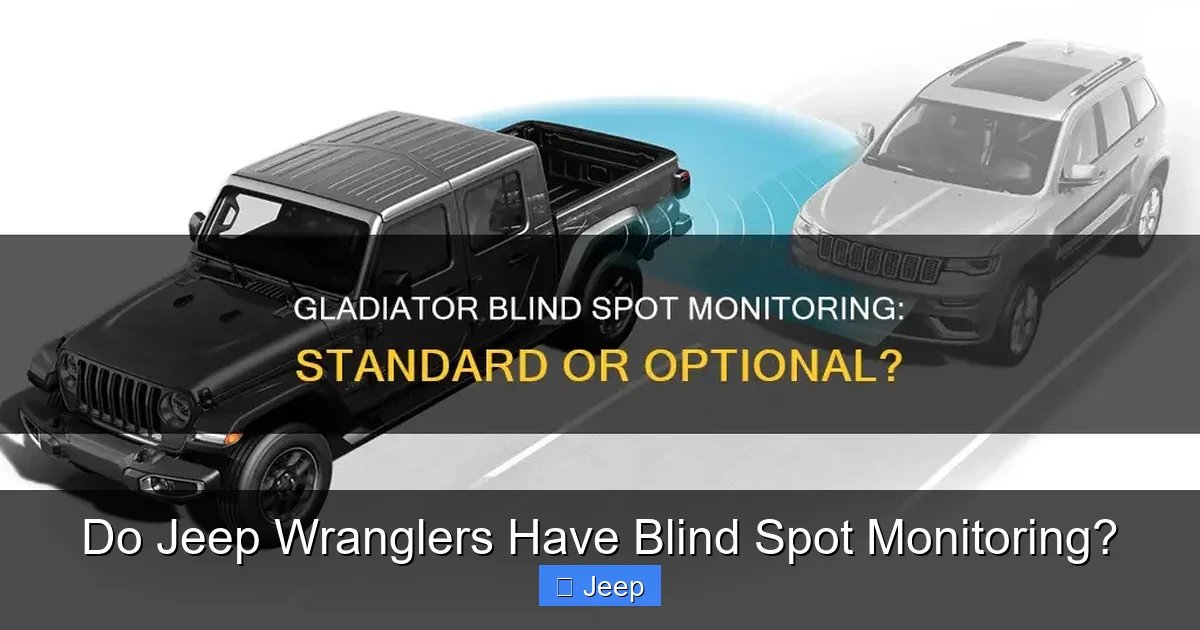
With the introduction of the current JL Wrangler in 2018 for the 2019 model year, Jeep finally brought the Wrangler into the modern ADAS era in a significant way. The JL platform was designed from the ground up to accommodate these systems. So, does a JL Wrangler have blind spot monitoring? Yes, but it’s not standard on any model. It’s an optional feature bundled within higher-tier packages.
Visual guide about Do Jeep Wranglers Have Blind Spot Monitoring?
Image source: shunauto.com
Which JL Trims & Packages Include BSM?
For the JL, blind spot monitoring is part of a larger suite that typically includes Rear Cross-Path Detection (which alerts you when traffic crosses behind you while reversing) and often, but not always, includes features like Adaptive Cruise Control and Forward Collision Warning. The specific package names vary by year and market, but you’re generally looking for:
- The “Safety Group”: This is the most common designation. On many model years, adding this package is the gateway to BSM and related alerts.
- The “Techo” or “Uconnect 4C/4D with Navigation”: On some trims, the highest-level infotainment system package was bundled with the Safety Group.
- High-End Trim Levels: Trims like the Sahara, Rubicon, and especially the top-tier High Altitude or 4xe models are more likely to have had the Safety Group selected at the factory. It is very rare to find a Sport or Sport S base model with the Safety Group, as these are the value-oriented trims.
It is absolutely crucial to check the window sticker (Monroney label) of a specific used JL Wrangler. The sticker will list all installed options, including “Blind Spot & Rear Cross-Path Detection.” If the original sticker is unavailable, decoding the VIN or requesting a build sheet from Jeep (using the VIN) is the only definitive method. A dealer can also look this up in their system.
How It Works on the JL
On factory-equipped JL Wranglers, the radar sensors for BSM are cleverly integrated into the rear bumper corners. This location is effective but can be vulnerable to off-road impacts. The warning indicators are small, illuminated icons that appear on the inner edge of the side mirror glass or on the A-pillar trim, depending on the specific mirror design for that year. The system activates automatically when you drive above a certain speed (typically around 7-10 mph) and deactivates when you turn on your turn signal, as the system assumes you are intentionally changing lanes and is providing the warning instead.
Aftermarket Blind Spot Monitoring for Wranglers: A Thriving Ecosystem
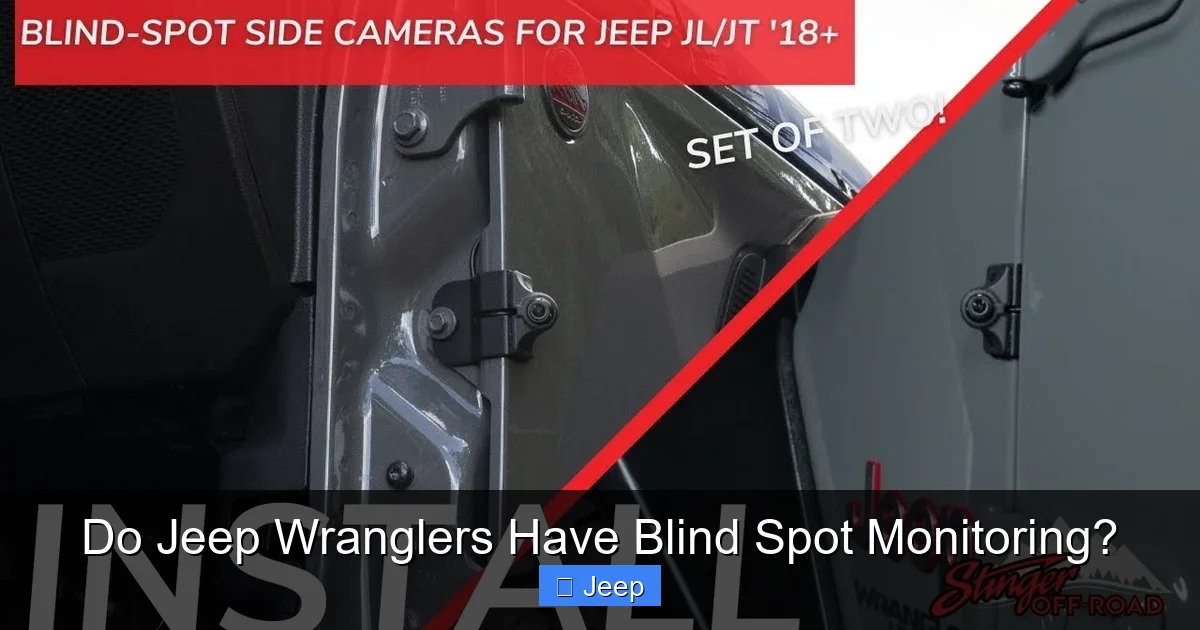
Given that the vast majority of Wranglers on the road—all TJs, most JKs, and many JLs—do not have factory BSM, the aftermarket has stepped in with excellent solutions. This is big business in the Jeep world. These systems are generally more robust, sometimes more capable, and can be tailored to your specific Wrangler setup. However, installation complexity varies dramatically.
Visual guide about Do Jeep Wranglers Have Blind Spot Monitoring?
Image source: i.ytimg.com
Types of Aftermarket Systems
There are two primary architectures for aftermarket BSM on Wranglers:
- Mirror-Mounted Systems: This is the most popular and often the cleanest-looking option. Companies like Ridge Rider, Blind Spot Systems (BSS), and others manufacture complete replacement side mirror housings that incorporate the radar sensor and a bright LED warning light. These mirrors plug directly into your Wrangler’s existing wiring harness for turn signals and sometimes power adjustment. The radar sensors in these mirrors have a wide field of view, effectively covering the blind spot. Installation is relatively straightforward, usually requiring only basic hand tools to remove the old mirror and bolt on the new one. They maintain a factory-like appearance.
- Bumper-Mounted Sensor Systems: These systems use standalone radar sensors that mount in the rear bumper, similar to the factory location on a JL. The sensors then wire to a control module and separate LED warning lights that you mount on your A-pillars or dash. This approach can be more flexible if you have an aftermarket bumper, but the installation is more involved, requiring drilling holes in the bumper and running wires through the vehicle.
Key Considerations for Aftermarket Installation
Before you buy, you need to think about your Wrangler’s specific configuration:
- Two-Door vs. Four-Door: The length difference affects sensor placement and blind spot zone size. Most systems are designed for both, but confirm compatibility.
- Aftermarket Bumpers & Accessories: This is the single biggest concern. If you have a heavy-duty aftermarket bumper with a built-in winch mount, tire carrier, or even large rock sliders, it can physically block the radar’s field of view. You may need to relocate the sensors to a different part of the bumper or choose a mirror-based system that avoids the bumper entirely. You can learn more about the general process of adding these systems to any vehicle by reading guides on aftermarket blind spot monitoring installation.
- Integration with Factory Features: Some high-end aftermarket systems can integrate with your factory Uconnect system, displaying warnings on the infotainment screen. Others are standalone. Decide if you want a seamless look or are okay with additional A-pillar lights.
- Professional vs. DIY: While mirror-mount systems are DIY-friendly for someone with moderate mechanical skill, bumper-mounted systems often require drilling and wire routing through the firewall, which is best left to a professional auto electrician or a reputable 4×4 shop. Improper installation can lead to system failure or electrical issues.
The Off-Road Reality: BSM and Your Wrangler’s Adventure Gear
Here’s where things get particularly interesting for the Jeep community. A Wrangler is not just a commuter; it’s a tool for exploration. That means bumpers, winches, tire carriers, and rock sliders. These essential off-road items directly conflict with the ideal placement of blind spot monitoring sensors. This section isn’t just informational; it’s a vital reality check for anyone planning to modify their JL or equip their JK/JT.
The Sensor’s Line of Sight is Sacred
Blind spot radar sensors emit a focused, fan-shaped beam. For them to work correctly, they need an unobstructed “view” of the lanes to the left and right rear of the vehicle. An aftermarket steel bumper that is wider or has more protrusions than stock can create a “shadow” zone where the sensor cannot “see.” A winch mounted on a plate that sits in front of the bumper can also cause interference. Even a spare tire mounted on a tailgate carrier on a two-door JL can potentially interfere with the radar’s return signal from certain angles, though this is less common.
Solutions for the Modified Wrangler
Don’t despair if you have a heavily modified rig. There are paths forward:
- Choose a Mirror-Based System: This is the simplest solution. By moving the sensor to the mirror, you completely bypass any bumper obstruction issues. The trade-off is that the sensor’s mounting point is higher and further forward, which can slightly alter the detection zone’s shape, but it is still highly effective.
- Strategic Bumper Sensor Placement: If you prefer a bumper-mounted look, you must work with your bumper manufacturer or installer to find a “sweet spot” on the bumper where the sensor has a clear shot. This might mean mounting it more inboard or selecting a bumper with integrated, pre-drilled sensor pockets.
- Sensor Relocation Kits: Some aftermarket BSM providers offer kits that allow you to mount the sensor on a bracket that positions it ahead of the bumper or on the frame rail, requiring custom fabrication.
- Accept the Compromise: For some hardcore off-roaders, the priority is maximum bumper protection and clearance. They may choose to forgo BSM entirely, relying on mirrors and spotting mirrors, or use a simple aftermarket blind spot mirror stick-on. It’s a personal choice based on your primary use case.
Always discuss your specific vehicle’s modifications with the BSM system manufacturer or installer before purchasing. Send them photos of your rear bumper. A good company will tell you if their standard kit will work or what modifications are needed.
Comparing to the Competition: How Does the Wrangler Stack Up?
It’s easy to feel behind the times when you look at a mainstream family SUV like a Honda Pilot or Toyota RAV4, where blind spot monitoring is often standard even on base models. The Wrangler’s focus has always been different. To put it in perspective, let’s do a quick comparison with another popular adventure-oriented crossover.
Take the Subaru Crosstrek, for instance. For the 2024 model year, Subaru offers its “EyeSight” driver-assist technology (which includes BSM-like functions as part of its suite) as an option on most trims, and it’s standard on the top Limited trim. The integration is seamless because the Crosstrek is built on a car platform designed for this tech from the start. You can read a detailed breakdown of the Subaru Crosstrek’s blind spot monitoring availability here. The key difference is that Subaru made ADAS a central selling point across its lineup earlier than Jeep did for the Wrangler. The Wrangler’s priority was maintaining its core off-road capability and removable-top legacy, with electronics being an add-on when possible.
This isn’t a criticism, but a difference in philosophy. Jeep prioritized the mechanical and experiential formula that defines a Wrangler. The result is that for over two decades of Wrangler production, BSM was absent. Now that it’s here in the JL, it’s an extra-cost option that you have to seek out. The good news for Wrangler shoppers is that the aftermarket has filled this gap expertly for years, often with systems that are just as reliable and sometimes more tailored to the rugged lifestyle.
The Bottom Line: Your Actionable Checklist
So, we’ve traveled from the TJ to the JL, through factory options and aftermarket alleys. What do you do now? Here is your step-by-step guide:
Step 1: Identify Your Wrangler’s Generation and Year
Is it a TJ (1997-2006), JK (2007-2018), or JL (2018-Present)? This is your first and most important filter. If it’s a TJ or JK, factory BSM is almost certainly off the table.
Step 2: If You Have a JL, Decode Its History
Locate your VIN (on the driver’s door jamb or dashboard). Use a free VIN decoder online or, better yet, contact a Jeep dealer with your VIN and ask for the original build sheet. Look specifically for the “Safety Group” or “Blind Spot & Rear Cross-Path Detection” option. You can also hunt for the original window sticker if the car is a recent used purchase.
Step 3: Decide on Your Path
Based on your findings:
- Factory BSM Present: Great! Ensure it’s functioning. Have a dealer scan it if you get warnings. Remember its limitations with heavy rear accessories.
- Factory BSM Absent (JL without package, JK, TJ): Research aftermarket systems. Determine if you want a mirror-mount or bumper-mount solution based on your existing or planned bumper setup.
Step 4: Shop and Install Thoughtfully
If going aftermarket, buy from reputable brands with strong Jeep-specific support (Ridge Rider, BSS, and others are well-known in the community). Read reviews from other Wrangler owners with your same generation and bumper. Factor in installation cost if you’re not a DIYer. Understanding the installation process and potential compatibility issues is crucial, and general guides on adding blind spot monitoring to a car can provide helpful context, even if every vehicle is different.
Step 5: Maintain Proper Driving Habits
Whether you have a $500 stick-on mirror or a $1,200 integrated system, never become complacent. BSM has a limited range and can be fooled by motorcycles or vehicles rapidly approaching. It is an assistant, not a replacement for your own awareness. Adjust your side mirrors properly (many recommend the “V” formation setting to minimize blind spots) and always perform a quick shoulder check before a lane change, especially in a Wrangler with its upright seating position and thick pillars.
Conclusion: Embracing Safety Without Sacrificing Soul
The Jeep Wrangler is an icon precisely because it hasn’t been fully homogenized into the modern automotive landscape. Its evolution has been measured, often resistant to trends that compromise its core mission. The late arrival of blind spot monitoring is a perfect case study. It took until the fourth generation for it to become a factory option, and even then, only for those who specifically sought it out and paid for it.
But this story has a happy ending. The vibrant aftermarket ecosystem has ensured that no Wrangler owner needs to go without this valuable safety feature. From simple clip-on mirrors to sophisticated, factory-integrated-looking mirror replacements, there is a solution for every budget and every level of modification. The key is informed decision-making. Know your vehicle, understand its limitations, and choose a system—factory or aftermarket—that works with your specific Wrangler’s configuration and your personal driving needs.
In the end, adding blind spot monitoring to your Wrangler isn’t about softening its rugged character; it’s about being a smarter, safer driver so you can enjoy more adventures and return home safely. It’s one more tool in the box, allowing you to focus on the trail ahead with greater peace of mind on the road that gets you there.
Frequently Asked Questions
Can I add blind spot monitoring to an older Jeep Wrangler JK or TJ?
Yes, absolutely. Since these models lack factory systems, aftermarket blind spot monitoring kits are the primary solution. Mirror-mounted systems are the most popular and easiest to install for JK and TJ owners, as they avoid any bumper modification complications.
Will my aftermarket front bumper or winch interfere with a bumper-mounted BSM system?
Very likely, yes. A steel bumper, winch mount, or tire carrier can block the radar sensor’s field of view. You must check with the system manufacturer about compatibility with your specific bumper. Often, a mirror-mounted system is recommended for heavily modified Wranglers to avoid this issue entirely.
Does blind spot monitoring work when I’m towing a trailer with my Wrangler?
Factory systems are not designed to account for the length of a trailer and its blind spots. They will still detect vehicles alongside the Wrangler itself, but they will not monitor the space beside the trailer. You must remain extra vigilant and use your mirrors when towing. Aftermarket systems have similar limitations.
Does installing an aftermarket BSM system require professional calibration?
Most plug-and-play mirror-mount systems do not require complex calibration; they simply power on and work. However, some advanced bumper-mounted systems or those that integrate with factory displays may need a simple initial setup procedure via a control module or, in rare cases, a professional scan tool to disable factory warning lights. Always follow the manufacturer’s instructions.
How much does it cost to add blind spot monitoring to a Wrangler?
Cost varies widely. A basic stick-on blind spot mirror pack costs under $20. A quality aftermarket mirror-integrated system (including new mirrors) typically ranges from $800 to $1,500 for the kit, plus $200-$500 for professional installation if needed. Factory retrofitting on a JL is generally not cost-effective and often impossible due to wiring harness differences.
Will a lift kit or larger tires affect blind spot monitoring?
No. The height of the vehicle or tire size does not impact the radar sensor’s function, as it looks horizontally, not vertically. The primary concerns are physical obstructions in the sensor’s line of sight (like a bumper or tire carrier) and the vehicle’s width, which is already factored into the system’s design parameters for the Wrangler platform.
