Can You Go on Highway with Spare Tire
Yes, you can go on the highway with a spare tire—but only under certain conditions. Most temporary spares (donuts) are designed for short-distance, low-speed travel, typically under 50 mph and within 50–70 miles. Driving long distances or at highway speeds on a spare can be dangerous and may damage your vehicle.
This is a comprehensive guide about can you go on highway with spare tire.
In This Article
- 1 Key Takeaways
- 2 Can You Go on Highway with Spare Tire?
- 3 Types of Spare Tires and Their Capabilities
- 4 Speed and Distance Limits: What the Manufacturer Says
- 5 Safety Risks of Driving on a Spare at Highway Speeds
- 6 Best Practices for Using a Spare Tire on the Highway
- 7 When to Avoid Driving on a Spare Altogether
- 8 Modern Alternatives to Traditional Spare Tires
- 9 Conclusion
- 10 Frequently Asked Questions
Key Takeaways
- Spare tires are temporary fixes: They’re not meant for long-term or high-speed use and should be replaced with a full-size tire as soon as possible.
- Speed and distance limits apply: Most compact spares have a maximum speed of 50 mph and a range of 50–70 miles—check your owner’s manual for exact specs.
- Highway driving increases risk: High speeds generate more heat and stress, which can cause a spare tire to fail, especially if it’s underinflated or worn.
- All-wheel drive (AWD) vehicles need caution: Driving on a spare with significantly different tread depth can damage the drivetrain in AWD and 4WD systems.
- Proper inflation is critical: Spare tires often require higher PSI than regular tires—always check pressure before driving.
- Modern cars may not even have spares: Many newer vehicles come with tire repair kits or run-flat tires instead of traditional spares.
- Safety first: If you must use a spare on the highway, drive cautiously, avoid sudden maneuvers, and head straight to a repair shop.
[FEATURED_IMAGE_PLACEHOLDER]
Can You Go on Highway with Spare Tire?
Picture this: You’re cruising down the highway, enjoying the open road, when suddenly—thump, thump, thump. You pull over and discover a flat tire. You grab your spare, swap it out, and now you’re wondering: Can I keep driving on the highway with this thing? It’s a common question, and the answer isn’t always straightforward.
The short answer is: Yes, you can go on the highway with a spare tire—but with major caveats. Most spare tires, especially the compact “donut” types, are designed as temporary solutions. They’re not built for long distances, high speeds, or rough terrain. While they can get you to a repair shop safely, pushing them beyond their limits can lead to tire failure, vehicle damage, or even accidents.
In this guide, we’ll break down everything you need to know about driving on a spare tire—especially on highways. We’ll cover the types of spares, their limitations, safety tips, and what to do if you find yourself in this situation. Whether you’re driving a sedan, SUV, or truck, understanding how your spare tire works could save you time, money, and stress down the road.
Types of Spare Tires and Their Capabilities
Not all spare tires are created equal. Knowing what kind you have is the first step in deciding whether it’s safe to hit the highway.
Compact Temporary Spares (Donuts)
The most common type of spare is the compact temporary spare, often called a “donut” due to its small size. These are lightweight, take up less space, and are meant for emergency use only. They typically have a diameter and width smaller than your regular tires, which affects handling and stability.
Most donuts are rated for speeds up to 50 mph and distances of 50 to 70 miles. Some manufacturers even recommend not exceeding 30–40 mph. The sidewall of the spare will usually have a label indicating these limits. For example, you might see “MAX 50 MPH” or “FOR TEMPORARY USE ONLY.”
Because of their smaller size, donuts create an imbalance in your vehicle’s rolling diameter. This can cause uneven wear on your differential and transmission, especially in all-wheel drive (AWD) or four-wheel drive (4WD) vehicles. That’s why it’s crucial to replace the spare with a full-size tire as soon as possible.
Full-Size Spare Tires
Some vehicles, particularly trucks, SUVs, and off-road models, come equipped with a full-size spare tire. These are the same size and type as your regular tires and can often be used indefinitely—though it’s still wise to treat them as a temporary fix until you can inspect them properly.
Full-size spares don’t have the same speed or distance restrictions as donuts. You can typically drive at highway speeds without issue, as long as the tire is properly inflated and in good condition. However, even full-size spares should be checked for wear, age, and damage before relying on them for long trips.
Run-Flat Tires
Many modern cars don’t come with spare tires at all. Instead, they use run-flat tires, which are designed to keep you moving even after a puncture. These tires have reinforced sidewalls that support the vehicle’s weight for a limited distance—usually 50 miles or so—at reduced speeds (often under 50 mph).
If your car has run-flat tires, you may not even realize you have a flat until you notice a warning light or feel a change in handling. While convenient, run-flats still require prompt attention. Driving on them too long can cause irreversible damage.
Tire Repair Kits (Sealants and Compressors)
Another alternative to traditional spares is the tire repair kit. These typically include a sealant and an air compressor. You inject the sealant into the tire, inflate it, and continue driving—usually for a short distance to reach a service station.
These kits are lightweight and space-saving, but they’re not a permanent fix. They work best for small punctures and may not handle larger tears or sidewall damage. Also, once you’ve used the sealant, the tire often can’t be repaired traditionally and may need replacement.
Speed and Distance Limits: What the Manufacturer Says
Every spare tire comes with specific guidelines from the manufacturer. Ignoring these can lead to dangerous consequences.
Understanding the Speed Rating
Most compact spares have a speed rating of M or N, which corresponds to a maximum speed of 81 mph or 87 mph, respectively. However, this doesn’t mean you should drive that fast. The real limit is usually printed on the tire itself—often 50 mph or less.
Why the discrepancy? The speed rating reflects the tire’s structural capability under ideal conditions. But in real-world use, factors like heat buildup, road conditions, and vehicle load reduce safety margins. Driving a donut at 70 mph on a hot highway can cause the tire to overheat and fail.
For example, if your spare says “MAX 50 MPH,” that’s not a suggestion—it’s a hard limit. Exceeding it increases the risk of blowouts, loss of control, and accidents.
Distance Restrictions
Along with speed, distance is a critical factor. Most temporary spares are only rated for 50–70 miles. This gives you enough range to reach a nearby repair shop, but not much more.
Driving beyond this range can cause excessive wear, overheating, and potential failure. Even if the tire looks fine, the internal structure may be compromised. Think of it like running a marathon in flip-flops—it might work for a short sprint, but not for long.
Some manufacturers are even more conservative. For instance, certain Honda and Toyota models recommend not exceeding 50 miles on a donut, regardless of speed. Always check your owner’s manual for the exact specifications for your vehicle.
Real-World Example: A Highway Scenario
Let’s say you’re driving on I-95 and get a flat. You install your donut spare and see the “MAX 50 MPH” label. The nearest repair shop is 60 miles away. What should you do?
In this case, driving the full 60 miles at 50 mph would exceed the recommended distance. A safer option might be to drive 40 miles to an earlier exit, find a local tire shop, or call for roadside assistance. Pushing the spare beyond its limits isn’t worth the risk.
Safety Risks of Driving on a Spare at Highway Speeds
Driving on a spare tire at highway speeds isn’t just inconvenient—it can be dangerous. Here’s why.
Reduced Handling and Stability
Compact spares are smaller and narrower than regular tires. This affects your vehicle’s balance, especially during turns, lane changes, or sudden maneuvers. At high speeds, even a small imbalance can lead to oversteer or understeer, making the car harder to control.
Imagine trying to swerve to avoid debris on the highway. With a donut on one corner, your car may not respond as expected. The difference in tire size can cause the vehicle to pull to one side or feel “floaty” at speed.
Increased Risk of Blowouts
High speeds generate heat. Spare tires, especially donuts, have less rubber and thinner sidewalls, which means they dissipate heat less effectively. Over time, this can cause the tire to overheat, leading to a blowout.
A blowout at 70 mph is far more dangerous than at 30 mph. It can cause sudden loss of control, especially if it happens on the front axle. In worst-case scenarios, it may result in a rollover or collision.
Damage to Drivetrain and AWD Systems
If your vehicle has all-wheel drive (AWD) or four-wheel drive (4WD), driving on a spare with a significantly different tread depth can cause serious damage. These systems rely on all four tires rotating at nearly the same speed.
When one tire is much smaller (like a donut), it spins faster than the others. This creates a “binding” effect in the differential and transfer case, which can lead to overheating, wear, and costly repairs.
For example, if your regular tires have 8/32” of tread and your spare has 4/32”, the difference is enough to cause problems. Some manufacturers recommend not driving more than 50 miles or 50 mph in AWD vehicles with a temporary spare.
Braking and Traction Issues
Spare tires often have different tread patterns and rubber compounds than your regular tires. This can affect braking performance, especially in wet or slippery conditions.
At highway speeds, even a small difference in traction can increase stopping distance. If you need to brake suddenly, the spare may not grip the road as well, increasing the risk of skidding or losing control.
Legal and Insurance Implications
In some states, driving with a known unsafe condition—like a severely underinflated or damaged spare—could be considered negligent. If an accident occurs, insurance companies may investigate whether improper tire use contributed to the crash.
While most insurers won’t deny a claim solely because you used a spare, they may scrutinize the circumstances. For example, if you drove 200 miles on a donut at 70 mph and had a blowout, they might argue you ignored clear safety warnings.
Best Practices for Using a Spare Tire on the Highway
If you find yourself needing to drive on a spare tire—especially on the highway—follow these best practices to stay safe.
Check the Spare Before You Drive
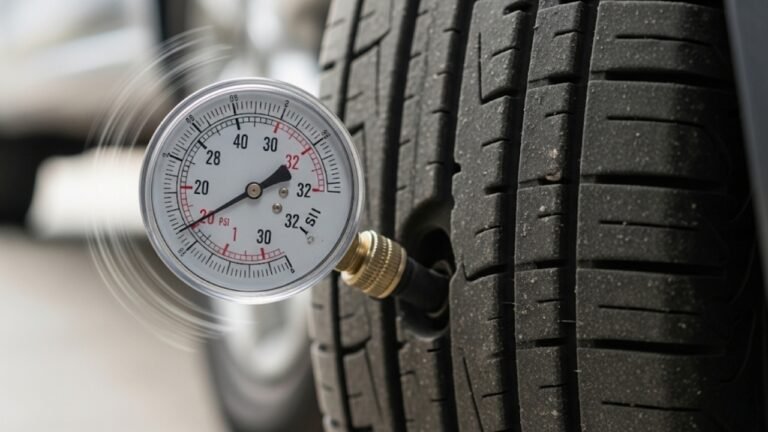
Before hitting the road, inspect the spare tire. Look for cracks, bulges, or signs of dry rot. Check the pressure with a tire gauge—most spares require higher PSI than regular tires (often 60 psi or more).
Underinflation is a common cause of spare tire failure. Even if the tire looks full, it may have lost pressure over time. Always verify before driving.
Drive Cautiously and Avoid High Speeds
Stick to the speed limit printed on the spare—usually 50 mph or less. Avoid highways if possible, or use them only when necessary. If you must drive on the highway, stay in the right lane, avoid sudden lane changes, and give yourself extra following distance.
Reduce speed further in bad weather. Rain, snow, or ice can make a spare tire even more unstable.
Monitor the Tire While Driving
Pay attention to how the car handles. If you notice vibrations, pulling, or unusual noises, pull over safely and inspect the tire. Don’t ignore warning signs.
Some modern cars have tire pressure monitoring systems (TPMS) that will alert you if the spare is underinflated. Heed these warnings immediately.
Head Straight to a Repair Shop
Your goal should be to reach a tire service center as quickly and safely as possible. Don’t use the spare for errands, long commutes, or road trips.
Call ahead to confirm they can service your vehicle and have the right tire in stock. Some shops may charge extra for mounting a spare, so ask about costs upfront.
Replace the Spare Promptly
Once you’ve replaced the flat, don’t keep the spare in service long-term—even if it’s a full-size tire. Spares can degrade over time, even if they look fine. Rubber hardens with age, and tread can crack.
Most tire experts recommend replacing tires every 6–10 years, regardless of tread depth. Check the DOT code on the sidewall to determine the tire’s age.
Consider Upgrading Your Spare
If you frequently drive long distances or live in a rural area, consider investing in a full-size spare or a high-quality tire repair kit. Some drivers even carry a portable air compressor and sealant for added peace of mind.
For off-road enthusiasts, a full-size spare is almost essential. It ensures you can get back home safely, even on rough terrain.
When to Avoid Driving on a Spare Altogether
There are situations where driving on a spare—even for a short distance—is not recommended.
The Spare Is Damaged or Worn
If the spare tire shows signs of damage—cracks, bulges, exposed cords, or severe wear—do not use it. A compromised spare is more likely to fail, especially under stress.
Even if it holds air, the internal structure may be weakened. It’s better to call for a tow than risk a blowout.
You’re in Extreme Weather
Driving on a spare in heavy rain, snow, or ice increases the risk of losing control. Spare tires often have less aggressive tread patterns, reducing traction in slippery conditions.
If the weather is severe, wait for conditions to improve or call for roadside assistance.
Your Vehicle Has AWD or 4WD
As mentioned earlier, AWD and 4WD vehicles are particularly sensitive to tire size differences. If your spare is a donut and your other tires are significantly larger, avoid driving long distances or at high speeds.
In some cases, it may be safer to have the vehicle towed to prevent drivetrain damage.
You’re Far from Help
If you’re in a remote area with no cell service or nearby repair shops, using a spare may not be practical. A blowout in the middle of nowhere could leave you stranded.
In such cases, consider calling for a tow or using a tire repair kit if available.
Modern Alternatives to Traditional Spare Tires
As vehicle technology evolves, so do spare tire solutions. Many new cars no longer include a traditional spare.
Run-Flat Tires
Run-flat tires allow you to drive up to 50 miles after a puncture, giving you time to reach a service station. They’re common on luxury vehicles and some compact cars.
While convenient, run-flats can be more expensive to replace and may not be repairable after a puncture. They also provide a stiffer ride due to reinforced sidewalls.
Tire Repair Kits
These kits are lightweight and take up minimal space. They’re ideal for small punctures but won’t help with sidewall damage or large tears.
After using a sealant, the tire often can’t be repaired traditionally. You may need to replace it entirely.
Mobility Kits and Apps
Some automakers offer roadside assistance apps that connect you with help at the push of a button. Combined with a repair kit, these can reduce the need for a spare.
However, relying solely on technology isn’t always practical—especially in areas with poor cell coverage.
Conclusion
So, can you go on the highway with a spare tire? The answer is yes—but only if you follow the rules. Temporary spares are designed for short, low-speed trips to get you to safety, not for long highway journeys.
Always check your owner’s manual for specific guidelines, monitor tire pressure, and drive cautiously. If your vehicle has AWD or you’re in bad weather, consider calling for a tow instead of risking damage or injury.
Remember: a spare tire is a lifeline, not a long-term solution. Replace it with a proper tire as soon as possible, and keep your vehicle safe and road-ready. By understanding your spare’s limits and acting responsibly, you can handle a flat tire with confidence—even on the busiest highways.
Frequently Asked Questions
Can I drive 100 miles on a spare tire?
No, most temporary spares are only rated for 50–70 miles. Driving 100 miles exceeds the safe limit and increases the risk of tire failure or vehicle damage.
Is it safe to drive 70 mph on a donut spare?
No, donut spares are typically limited to 50 mph or less. Driving at 70 mph can cause overheating, blowouts, and loss of control.
Can I use a spare tire in snow or rain?
It’s not recommended. Spare tires often have less traction and can compromise handling in wet or slippery conditions. Drive slowly and cautiously if you must.
Do all cars come with a spare tire?
No, many modern vehicles use run-flat tires or repair kits instead of traditional spares. Check your owner’s manual to see what your car includes.
Can I rotate a spare tire into regular use?
Only if it’s a full-size spare and matches your other tires in size, tread, and condition. Temporary donuts should never be used as a permanent tire.
What happens if I ignore spare tire limits?
You risk tire blowouts, loss of vehicle control, drivetrain damage (especially in AWD vehicles), and potential accidents. Always follow manufacturer guidelines.