Battery Light Comes on in Car
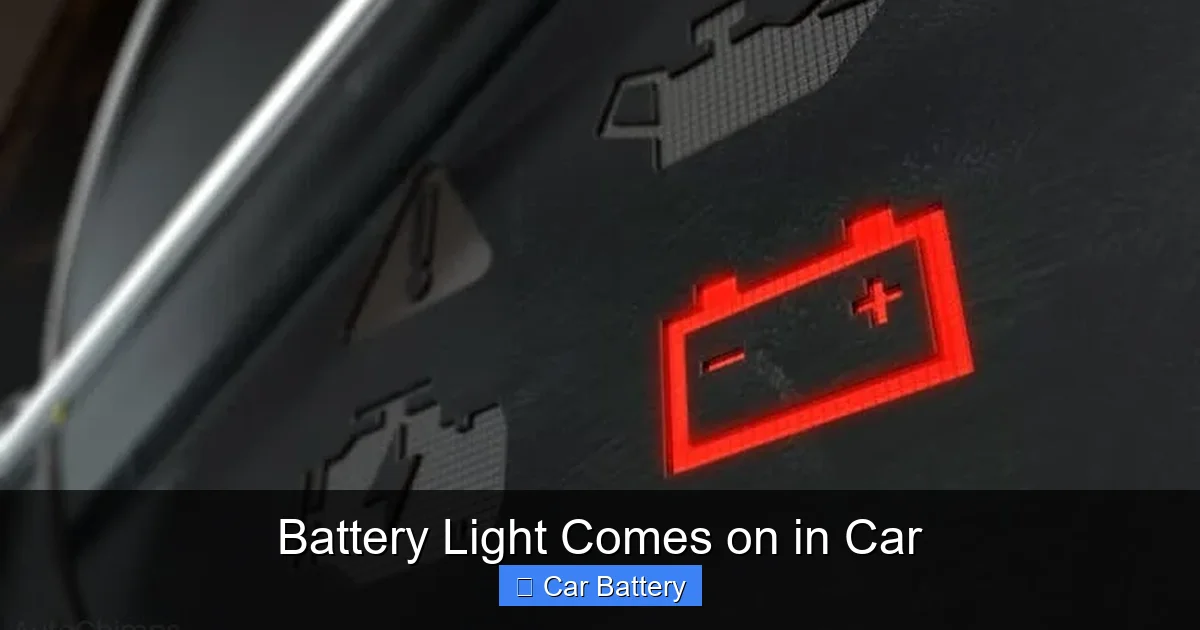
The battery light comes on in car when the charging system fails, often signaling a dying alternator, loose belt, or bad battery. Ignoring it can lead to a dead car or roadside breakdown—so act quickly. This guide explains what to do, when to worry, and how to prevent it.
You’re driving along, maybe listening to your favorite podcast or catching up on a phone call, when suddenly—a little red or yellow light pops up on your dashboard. It looks like a battery. Your heart skips a beat. Is your car about to die? Can you make it home? Should you pull over right now?
The battery light comes on in car for a reason, and while it’s not always an emergency, it’s definitely a warning you shouldn’t ignore. This light is part of your vehicle’s charging system warning system. When it illuminates, it means your car isn’t getting the electrical power it needs to keep running—even if the engine is on. That’s because your battery isn’t just for starting the car; it also powers lights, radio, AC, and critical sensors while the engine runs. And once the battery drains, your car can stall—even in traffic.
Many drivers panic when they see this light, thinking they need a new battery right away. But in most cases, the battery itself is fine. The real culprit is often the alternator, the component responsible for recharging the battery while the engine runs. Other times, it’s a loose belt, corroded wires, or a blown fuse. The good news? Most of these issues are fixable—and often preventable—with a little knowledge and quick action.
In this guide, we’ll walk you through what the battery light means, why it comes on, how to diagnose the problem at home, and what steps to take to get back on the road safely. Whether you’re a seasoned driver or just learning the basics of car care, understanding this warning light could save you time, money, and a whole lot of stress.
In This Article
- 1 Key Takeaways
- 2 📑 Table of Contents
- 3 What Does the Battery Light Mean?
- 4 Common Causes of the Battery Light
- 5 How to Diagnose the Problem at Home
- 6 What to Do When the Light Comes On
- 7 Can You Drive with the Battery Light On?
- 8 Preventing Future Battery Light Issues
- 9 When to See a Mechanic
- 10 Conclusion
- 11 Frequently Asked Questions
- 11.1 Can I drive with the battery light on?
- 11.2 Is the battery light always a bad alternator?
- 11.3 How much does it cost to fix a battery light issue?
- 11.4 Why did my battery light come on and then go off?
- 11.5 Can a bad battery cause the battery light to come on?
- 11.6 How do I test my alternator at home?
Key Takeaways
- Battery light means charging system issue: It’s not just about the battery—it’s usually the alternator or wiring.
- Don’t ignore it: Driving with the light on can leave you stranded as electrical systems shut down.
- Check the alternator first: Most common cause; test output with a multimeter or at an auto shop.
- Inspect belts and connections: A loose or worn serpentine belt can stop the alternator from working.
- Test the battery too: Weak batteries can mimic charging problems—get it load-tested.
- Use a multimeter at home: Simple tool to check voltage and diagnose issues before visiting a mechanic.
- Prevent future issues: Regular maintenance and clean terminals help avoid sudden failures.
📑 Table of Contents
What Does the Battery Light Mean?
When the battery light comes on in car, it’s your vehicle’s way of saying, “Hey, something’s wrong with the charging system.” This system includes the battery, alternator, voltage regulator, and the wiring that connects them. The light typically looks like a simple battery symbol or sometimes says “ALT” or “GEN” (for alternator or generator). It usually appears when you start the car but should go off after a few seconds. If it stays on while driving, that’s a red flag.
The charging system’s job is to keep the battery charged and supply power to all electrical components. When the engine runs, the alternator spins and generates electricity. This power recharges the battery and runs things like headlights, windshield wipers, and the infotainment system. If the alternator fails or the connection is broken, the battery has to take over—and it can only do that for so long.
Think of it like a water pump in a house. The pump (alternator) keeps the water tank (battery) full. If the pump stops working, the tank will eventually run dry. The battery light is like a low-water alarm. It doesn’t mean the tank is broken—it means the pump isn’t doing its job.
It’s important to note that the battery light is different from the check engine light. While the check engine light can indicate a wide range of issues—from a loose gas cap to a faulty oxygen sensor—the battery light is specifically tied to the electrical charging system. That makes it easier to diagnose, but also more urgent. Ignoring it can lead to a sudden loss of power steering, brakes, or even engine shutdown.
How the Charging System Works
To understand why the battery light comes on in car, it helps to know how the charging system operates. When you turn the key, the battery sends a burst of power to the starter motor, which cranks the engine. Once the engine is running, the alternator takes over. It’s driven by a belt connected to the engine’s crankshaft, so as the engine spins, the alternator spins too.
Inside the alternator, a rotor creates a magnetic field that induces an electrical current in the stator windings. This alternating current (AC) is then converted to direct current (DC) by diodes, making it usable for your car’s 12-volt electrical system. The voltage regulator ensures the output stays around 13.5 to 14.5 volts—enough to charge the battery without overcharging it.
If any part of this system fails—the alternator stops producing power, the belt slips, or a wire corrodes—the battery can’t recharge. As its charge drops, the car’s computer detects the voltage drop and triggers the battery light on the dashboard.
Common Misconceptions
One of the biggest myths is that the battery light means you need a new battery. In reality, the battery is often fine. It’s the alternator or related components that are failing. Another misconception is that you can keep driving as long as the engine runs. While the engine might keep going for a short time, electrical systems will start to fail. Power steering may become stiff, headlights dim, and eventually, the engine could stall.
Some drivers also think the light will go off if they turn off non-essential electronics. While reducing electrical load can help you limp to a repair shop, it won’t fix the underlying problem. The alternator still isn’t charging the battery, so the issue will persist.
Common Causes of the Battery Light
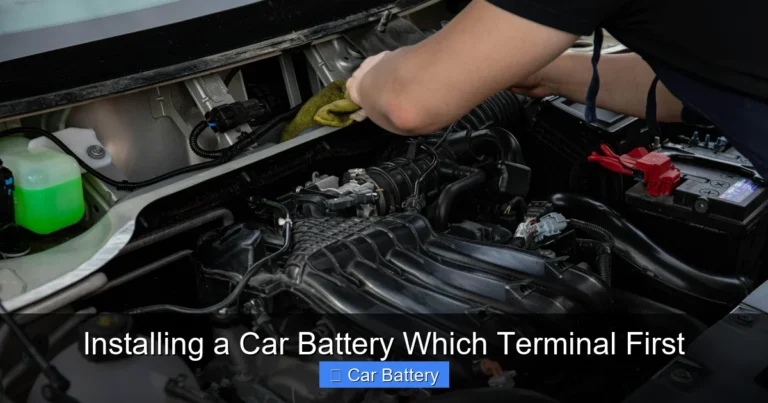
Visual guide about Battery Light Comes on in Car
Image source: obdadvisor.com
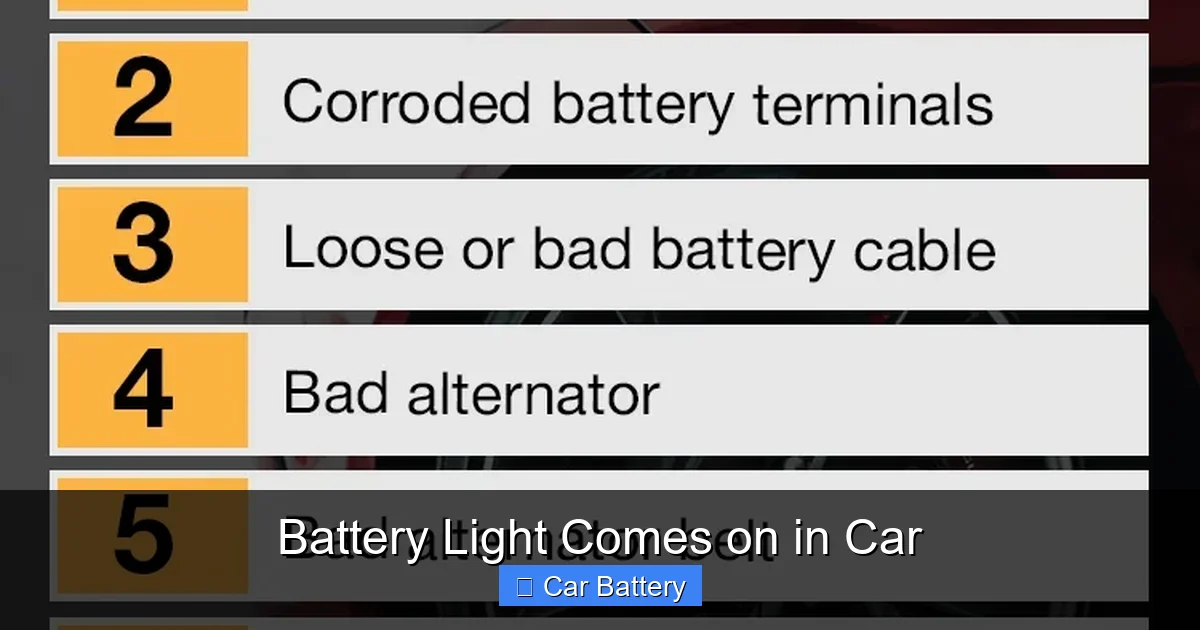
Now that you know what the battery light means, let’s look at the most common reasons it comes on. Understanding these causes can help you diagnose the problem faster and avoid unnecessary repairs.
1. Alternator Failure
The alternator is the most frequent culprit when the battery light comes on in car. Over time, alternators wear out. Brushes inside the unit can wear down, bearings can fail, or the voltage regulator can malfunction. A failing alternator may produce inconsistent voltage or stop working altogether.
Symptoms include dimming headlights, a whining noise from the engine bay, or the battery light flickering. In some cases, the alternator might work intermittently—coming on and off as you drive. This can make diagnosis tricky, but a multimeter test can confirm whether it’s producing the right voltage.
2. Loose or Worn Serpentine Belt
The serpentine belt (also called the drive belt) connects the engine to the alternator, power steering pump, and air conditioning compressor. If it’s loose, cracked, or worn, it can slip or break, stopping the alternator from spinning. This instantly cuts off the charging system.
You might hear a squealing noise when you start the car or accelerate. Inspect the belt for cracks, fraying, or glazing. If it looks damaged, replace it. Also, check the tension—most modern cars have automatic tensioners, but older models may require manual adjustment.
3. Corroded or Loose Battery Cables
Battery terminals can corrode over time, especially in humid or salty environments. Corrosion appears as a white, powdery substance around the terminals and can prevent proper electrical contact. Even a slightly loose cable can disrupt the flow of electricity.
Cleaning the terminals with a wire brush and baking soda solution can often restore connection. Make sure the cables are tight and secure. If the cables are damaged or frayed, replace them.
4. Blown Fuse or Fusible Link
The charging system is protected by fuses and fusible links. If one of these blows—due to a short circuit or power surge—the alternator can’t send power to the battery. Check your owner’s manual for the location of the charging system fuse. A visual inspection can often reveal a blown fuse (look for a broken wire inside the glass).
Replacing a blown fuse is simple, but if it blows again, there’s likely an underlying electrical issue that needs professional diagnosis.
5. Faulty Voltage Regulator
The voltage regulator controls how much power the alternator sends to the battery. If it fails, the alternator might overcharge (damaging the battery) or undercharge (triggering the battery light). In some cars, the regulator is built into the alternator, so replacing the whole unit is necessary. In others, it’s a separate component.
6. Bad Battery (Less Common)
While less likely, a failing battery can sometimes cause the light to come on. If the battery is old (typically 3–5 years), has low voltage, or can’t hold a charge, it may not accept power from the alternator. A load test at an auto parts store can determine if the battery is the issue.
How to Diagnose the Problem at Home
Visual guide about Battery Light Comes on in Car
Image source: automadesimply.com
You don’t need to be a mechanic to figure out why the battery light comes on in car. With a few simple tools and steps, you can narrow down the cause and decide whether to fix it yourself or visit a shop.
Step 1: Check the Battery Voltage
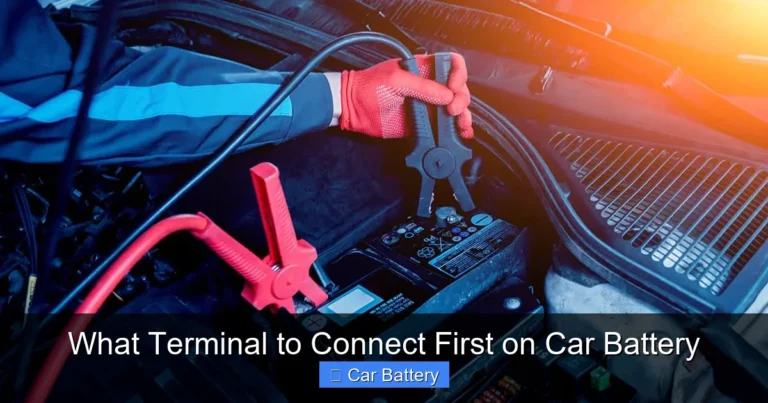
Grab a multimeter (available at most hardware or auto stores for under $20). Set it to DC voltage (usually marked “V” with a straight line). Turn off the car and connect the red probe to the positive terminal (+) and the black probe to the negative terminal (–).
A healthy battery should read around 12.6 volts when the engine is off. If it’s below 12.4 volts, the battery may be weak or discharged. Start the engine and check again. The voltage should rise to 13.5–14.5 volts. If it stays the same or drops, the alternator isn’t charging.
Step 2: Inspect the Serpentine Belt
Pop the hood and look at the serpentine belt. Is it cracked, shiny, or missing chunks? Does it feel loose when you press on it? A properly tensioned belt should have about ½ inch of play. If it’s slipping, you might hear a squeal when you rev the engine.
Step 3: Look for Corrosion
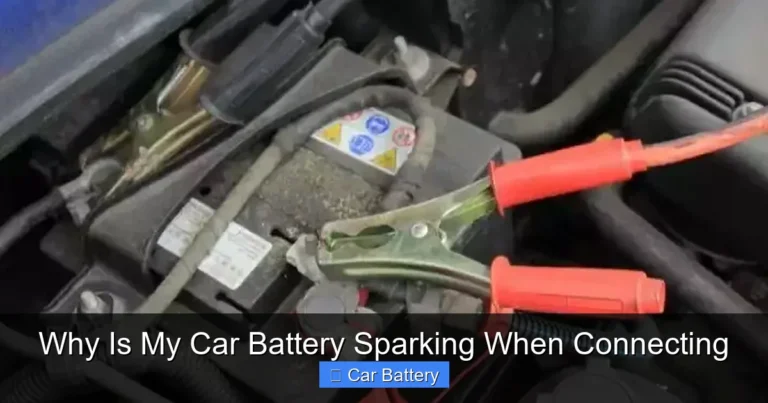
Check the battery terminals for white or green buildup. If you see corrosion, disconnect the cables (negative first, then positive), clean the terminals with a wire brush and baking soda paste, and reconnect them tightly.
Step 4: Test the Alternator Output
With the engine running, use the multimeter to measure voltage at the battery terminals again. If it’s below 13 volts, the alternator isn’t producing enough power. You can also test the alternator directly by probing its output terminal (usually labeled “B+” or “BAT”).
Step 5: Check Fuses
Locate the fuse box (usually under the dashboard or in the engine bay) and find the fuse for the charging system. Remove it and inspect for damage. Replace if necessary.
What to Do When the Light Comes On
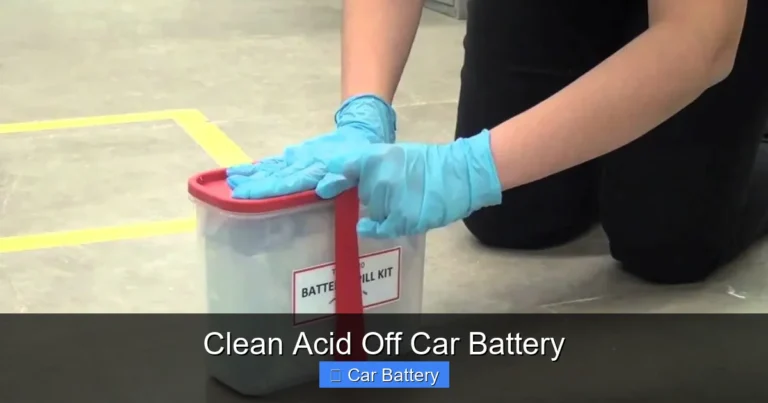
Visual guide about Battery Light Comes on in Car
Image source: batterymanguide.com
If the battery light comes on in car while you’re driving, stay calm. Here’s what to do:
1. Don’t Panic—But Don’t Ignore It
The car may still run for a while, but electrical systems will gradually fail. Headlights, wipers, and power steering will become weaker. Eventually, the engine could stall.
2. Reduce Electrical Load
Turn off non-essential systems: AC, radio, heated seats, and interior lights. This reduces the demand on the battery and may help you reach a repair shop.
3. Drive to a Safe Location
If you’re on a highway, exit at the next opportunity. Avoid stopping on busy roads. If you can’t make it to a shop, call for roadside assistance.
4. Avoid Long Drives
Don’t plan a long trip with the light on. Even if the car seems fine, the battery could die suddenly, leaving you stranded.
5. Get It Checked ASAP
Even if the light goes off, have the system inspected. Intermittent issues can worsen and cause bigger problems.
Can You Drive with the Battery Light On?
Technically, yes—but it’s not safe or smart. How far you can drive depends on the battery’s charge and how much electrical load you’re using. A fully charged battery might last 30 minutes to an hour with minimal electronics. But once it drains, the car will lose power steering, brakes may become harder to press, and the engine could shut down.
Imagine driving through an intersection when the engine stalls. No power steering means you can’t turn quickly. No power brakes mean longer stopping distances. It’s a serious safety risk.
If you must drive, keep it short—under 10 miles—and head straight to a mechanic or auto parts store. Many stores offer free charging system checks.
Preventing Future Battery Light Issues
The best way to avoid the battery light coming on is regular maintenance. Here’s how to keep your charging system in top shape:
1. Inspect Belts and Hoses
Check the serpentine belt every 6 months for cracks, wear, or looseness. Replace it every 60,000 to 100,000 miles or as recommended in your owner’s manual.
2. Clean Battery Terminals
Clean corrosion from terminals every 6–12 months. Use a terminal cleaner spray or a homemade solution of baking soda and water.
3. Test the Battery and Alternator
Most auto parts stores offer free battery and alternator testing. Get it done annually, especially before winter when cold weather stresses the battery.
4. Watch for Warning Signs
Dimming lights, slow engine cranking, or a whining noise can signal early alternator or battery problems. Address them before the battery light comes on.
5. Replace Old Components
Batteries last 3–5 years. Alternators can last 8–10 years. Don’t wait for failure—replace them proactively if they’re near the end of their lifespan.
When to See a Mechanic
While some issues can be fixed at home, others require professional help. See a mechanic if:
- The alternator needs replacement (complex job requiring belt removal and electrical work)
- You suspect wiring damage or a short circuit
- The battery light comes on frequently, even after repairs
- You’re unsure how to use a multimeter or diagnose the problem
A qualified technician can perform a full charging system test, including load testing the battery and checking alternator output under various conditions.
Conclusion
The battery light comes on in car for a reason—and it’s almost always a sign that your charging system needs attention. While it’s easy to panic, understanding the causes and knowing how to respond can save you from a breakdown. Most issues, like a bad alternator or loose belt, are fixable with the right tools and knowledge.
Don’t ignore the light. Test your battery and alternator, inspect belts and connections, and reduce electrical load if you’re driving. And remember: prevention is key. Regular maintenance keeps your car reliable and your drives stress-free.
Next time that little battery symbol flashes on your dashboard, you’ll know exactly what to do—and why it matters.
Frequently Asked Questions
Can I drive with the battery light on?
You can drive a short distance, but it’s risky. The battery will drain, and electrical systems may fail, potentially causing the engine to stall. Get it checked as soon as possible.
Is the battery light always a bad alternator?
Not always. While a failing alternator is the most common cause, loose belts, corroded cables, or blown fuses can also trigger the light. Diagnosis is key.
How much does it cost to fix a battery light issue?
Costs vary. Replacing an alternator can cost $300–$800, while fixing a belt or cleaning terminals may cost under $50. Get a diagnosis first to avoid unnecessary repairs.
Why did my battery light come on and then go off?
This could indicate an intermittent issue, like a loose connection or a failing alternator. Even if it goes off, have the system inspected to prevent future problems.
Can a bad battery cause the battery light to come on?
Yes, but it’s less common. A weak battery may not accept a charge, confusing the system. However, the alternator is usually the root cause.
How do I test my alternator at home?
Use a multimeter to check battery voltage with the engine off (should be ~12.6V) and running (should be 13.5–14.5V). If it doesn’t rise, the alternator may be faulty.