
What Colour Road Bike Helmet: Best Color For Visibility

Choose a bright, high-visibility colour like fluorescent yellow, orange, or white for best safety.
I’ve spent years riding and testing helmets on busy roads and quiet lanes, so I know how much the question what colour road bike helmet matters. This guide explains the safety trade-offs, comfort and heat effects, style choices, and real-world tips so you can pick the best helmet colour for your rides. Read on for clear, practical advice drawn from experience and evidence to help you choose the right colour for every ride.
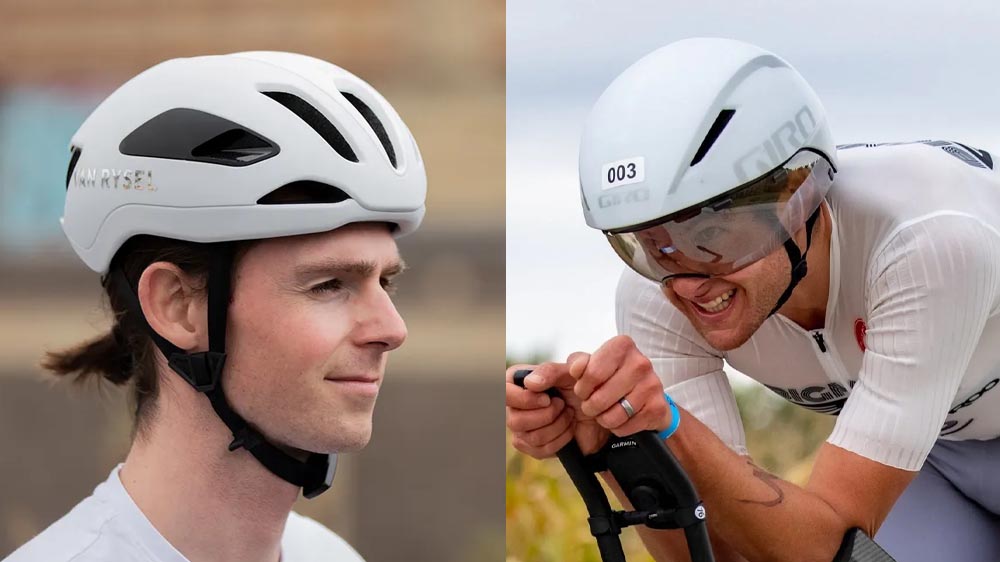
Why helmet colour matters for road cyclists
Colour affects how easily drivers, pedestrians, and other riders spot you. Bright and contrasting colours boost visibility and cut collision risk. Choosing what colour road bike helmet to wear is an easy safety step you can take today. I’ll explain how colour, light, and accessories work together to keep you seen on the road.

Best helmet colours for visibility
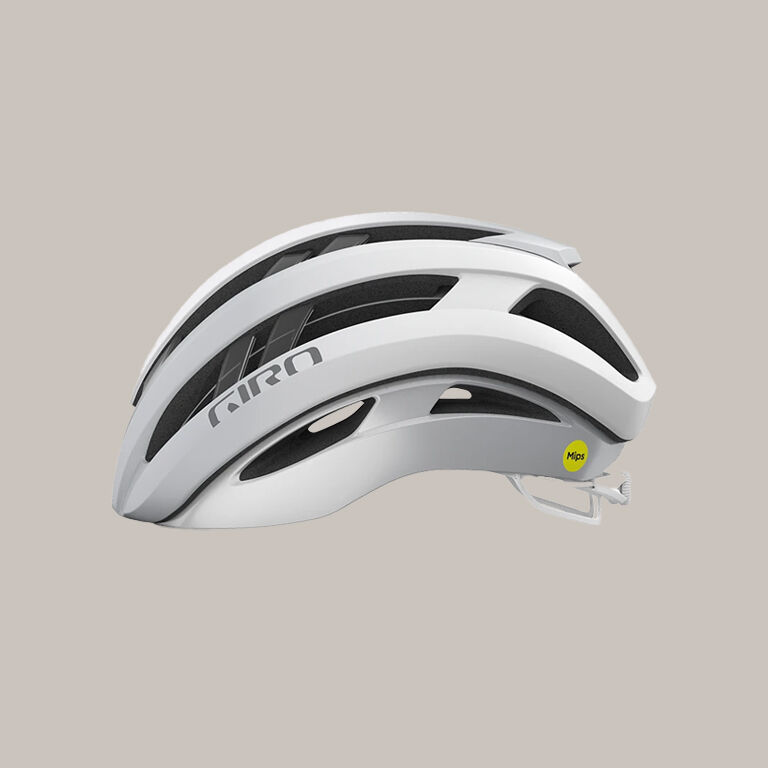
Bright colours win for being noticed fast. Fluorescent yellow and chartreuse reflect light and stand out in daylight. Orange and red are good in most urban settings, while white helps in low light and shows headlamps well. When you decide what colour road bike helmet to buy, pick a bright or high-contrast option if safety is your priority.
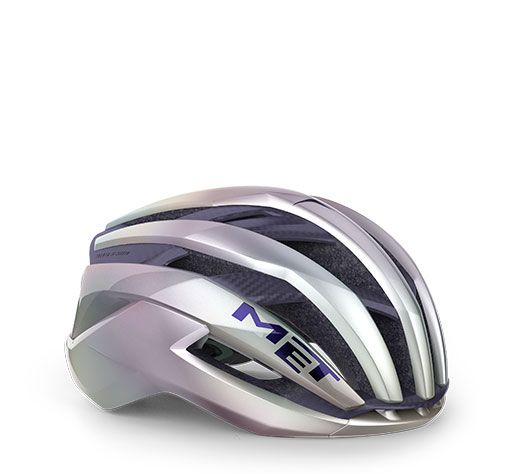
Low-light, dawn, dusk, and night considerations
At dawn and dusk, contrast matters more than hue. A white helmet catches headlights and streetlight. Fluorescent colours lose some advantage at night unless backed by reflective elements. If you often ride at night, choose a helmet that supports reflective tape, or pair any colour with lights and reflective accessories.
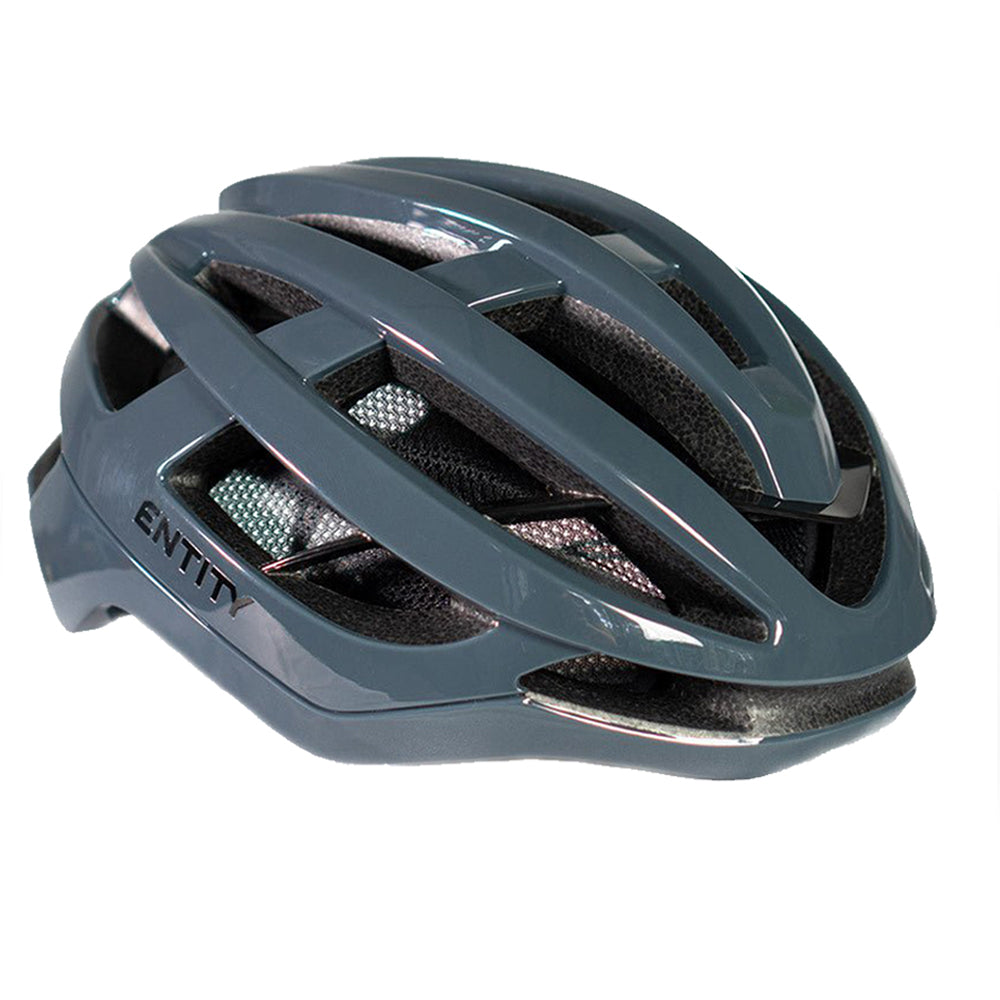
Colour and heat management
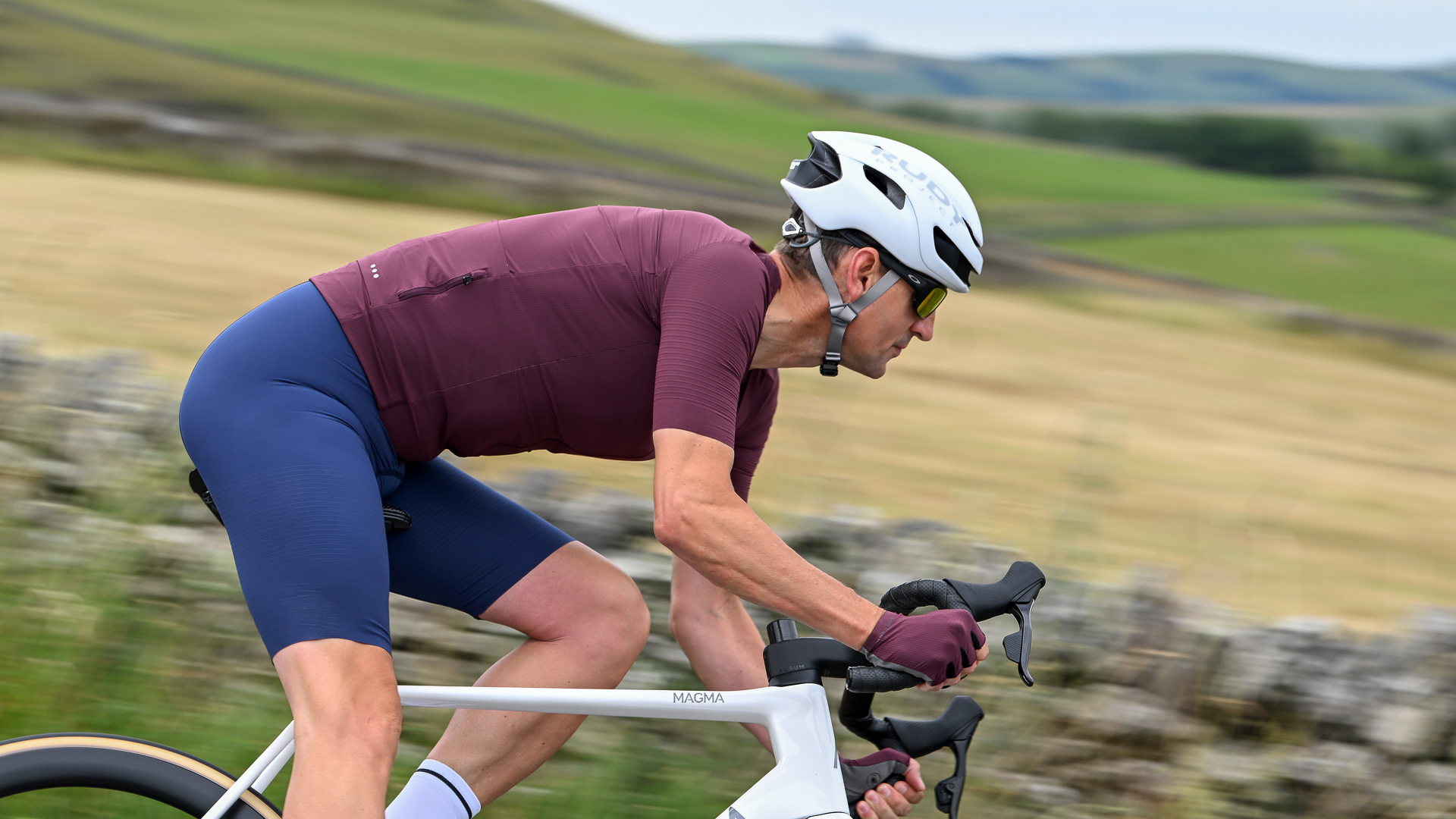
Colour affects heat slightly. Dark colours absorb more sun and can make a helmet feel warmer on hot days. Light colours, especially white, reflect sunlight and help keep you cooler. If you ride long in hot climates, weight colour as one factor in your choice of what colour road bike helmet you buy.
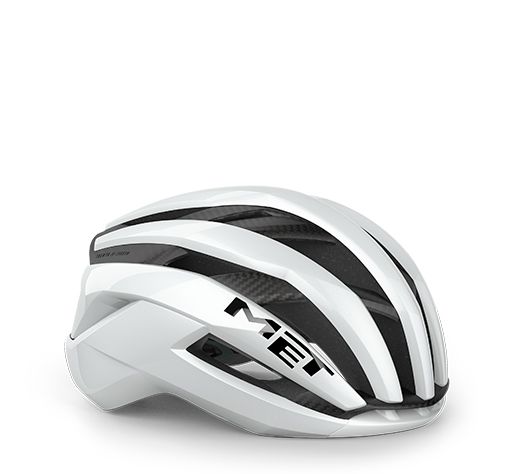
Style, team kits, and personal branding
You can balance safety with style. Neutral helmets like matte black or grey match many kits. Bright lids serve safety but can still look sleek when paired with matching accents. When choosing what colour road bike helmet fits your image, think about matching jersey accents, your bike, and group-ride norms.
Practical checklist: how to choose the right colour
Think about where and when you ride, and match the colour to your needs.
- Consider traffic and road type. Busy roads call for bright colours.
- Note typical lighting. Night riders should add reflectives or lights.
- Match your wardrobe if you care about style, but don’t sacrifice visibility.
- Remember helmet fit, ventilation, and safety standards over colour first.
- If in doubt, pick a high-visibility colour plus reflective tape.
Choosing what colour road bike helmet is easier if you use this quick checklist before buying.
Accessories that beat colour limitations
Any helmet colour can be made much safer with smart add-ons. Clip-on lights, rear blinkers, and reflective stickers boost visibility. High-visibility helmet covers give instant improvement in poor weather. Even a neutral helmet becomes more visible when you add a bright vest and lights.
My experience: lessons from the road
I once switched from a matte black helmet to a fluorescent yellow one after a near-miss on a foggy morning. Drivers noticed me earlier. That change cut my anxiety in heavy traffic. From that ride onward, I always prioritized visibility when choosing what colour road bike helmet to use.

Common myths about helmet colours
Some riders think dark colours are always safer because they hide dirt. Dirt doesn’t protect you. Others worry bright colours attract attention in a bad way. In truth, bright colours help drivers spot you faster. Also, colour has almost zero effect on aerodynamics for typical riders.
Frequently Asked Questions of what colour road bike helmet
What is the safest colour for a road bike helmet?
Bright fluorescent colours like yellow, chartreuse, or orange are the safest for visibility in most daytime conditions.
Is white a good choice for a road bike helmet?
Yes. White reflects light and works well at dawn, dusk, and in daylight, keeping you cooler and easier to spot.
Does helmet colour matter at night?
Less than visibility aids do. At night, lights and reflectors matter more than colour, so add lights and reflective tape.
Should I pick colour or fit first when buying a helmet?
Fit and safety certification come first. Choose a colour afterward, and add reflective accessories if needed.
Can a dark helmet increase crash risk?
Indirectly, yes—darker helmets are harder to see, especially in low light or against dark backgrounds, so pair them with reflectives.
Conclusion
A helmet’s colour affects how quickly others notice you and how comfortable you feel on the road. Prioritize a bright, high-visibility colour if safety is your main goal, and add lights and reflective gear for night rides. If style matters, balance aesthetics with visibility and always choose a helmet that fits and meets safety standards. Try switching to a high-visibility lid on your next ride, test it in real conditions, and share your experience in the comments.

