
What to Use to Clean Tesla Interior

Cleaning your Tesla interior requires specific products and techniques to protect its unique vegan leather, cloth, and electronic surfaces. Never use harsh household cleaners, ammonia, or abrasives. Always use pH-neutral, non-oily cleaners and soft microfiber cloths. Different materials like sofa (vegan leather), textile seats, and Alcantara each need tailored approaches to maintain their look and feel without causing premature wear or damage.
Key Takeaways
- Use Only Tesla-Approved or pH-Neutral Cleaners: Harsh chemicals like ammonia, bleach, Windex, or standard all-purpose cleaners will degrade vegan leather, coatings, and screens. Stick to products designed for automotive interiors or specifically for Tesla.
- Microfiber is Non-Negotiable: Always use high-quality, soft, lint-free microfiber cloths. They trap dirt without scratching. Have separate cloths for screens, glass, and surfaces.
- Distilled Water is Your Best Friend for Screens: For the touchscreen and digital displays, use a 50/50 mix of distilled water and isopropyl alcohol (70% or less) or a dedicated screen cleaner. Never spray liquid directly onto the screen.
- Material Matters: Your cleaning method changes completely based on whether you have vegan leather (sofa), cloth, textile, or Alcantara seats. Identify your interior material first.
- Less is More: Apply cleaner to the cloth, never directly to the surface. Over-saturating can cause moisture to seep into seams and electronics, leading to odors or malfunction.
- Regular Maintenance Prevents Deep Cleaning: A quick weekly wipe-down with a dry or slightly damp microfiber cloth prevents dirt buildup, making deep cleans easier and less frequent.
- Protect from UV Damage: Use a sunshade whenever parked. UV rays are the primary cause of dashboard cracking and material fading, regardless of how well you clean.
📑 Table of Contents
- Introduction: Why Your Tesla Deserves Special Care
- Understanding Your Tesla’s Unique Interior Materials
- Essential Tools: What You Actually Need to Buy
- The Step-by-Step Cleaning Process: From Daily to Deep Clean
- Material-Specific Deep Dives and Problem Solving
- The Sacred Touchscreen and Dashboard: Proceed with Extreme Caution
- Long-Term Maintenance: Protecting Your Investment
- Conclusion: A Clean Tesla is a Happy Tesla
Introduction: Why Your Tesla Deserves Special Care
Congratulations on owning a Tesla! That minimalist, high-tech interior is one of its most stunning features. But that sleek design comes with a responsibility. Unlike traditional cars with leather and simple plastic, your Tesla features a complex mix of vegan leather (sofa), advanced textiles, Alcantara-like fabrics, massive glass panels, and sensitive electronics. Using the wrong cleaner isn’t just an aesthetic risk—it can cause permanent damage, cracking, discoloration, and even costly repairs.
The question “what to use to clean Tesla interior” has a very specific answer. It’s not about the strongest cleaner, but the smartest, gentlest one. This guide will walk you through everything you need to know, from the tools in your cabinet to the step-by-step process for every surface. We’ll break down the unique needs of each material so you can clean with confidence, keeping your cabin looking showroom-new for years.
Understanding Your Tesla’s Unique Interior Materials
Before you buy a single product, you need to know what you’re cleaning. Tesla has used several materials across models and years. Using a leather conditioner on a cloth seat is useless. Using a harsh solvent on vegan leather is a disaster.
Visual guide about What to Use to Clean Tesla Interior
Image source: fastesttesla.com
The Marvelous (and Misunderstood) Vegan Leather: “Sofa”
Tesla’s signature seating material is often called “sofa.” It’s a high-quality, polyurethane-based vegan leather. It’s durable, easy to clean, and doesn’t crack like animal leather—if cared for properly. Its main enemy is oil-based cleaners and abrasive scrubbing. These can break down the protective coating, leading to a sticky, cracked, or discolored surface. It also doesn’t “breathe” like real leather, so moisture left on it can cause issues.
Textile and Cloth Seats
Found in older Model 3 and Y standard range models, and some European spec cars, cloth seats are highly practical but stain magnets. They require a different approach: agitation (gentle brushing) and extraction (pulling dirt out with a wet/dry vacuum). Spraying liquid cleaner directly onto cloth and letting it soak is a recipe for mildew and lingering odors.
Alcantara and Fabric Surfaces
The dashboard in some models, door cards, and even steering wheel accents may use a suede-like, microfiber material (often Alcantara or a similar blend). This is the most delicate. It must be dry-cleaned first with a soft-bristle brush to lift ingrained dirt before any moisture is introduced. Getting it wet incorrectly can leave permanent water spots and stiffen the nap.
The Massive Touchscreen and Sensitive Electronics
The 15″ (or 17″ in older Model S/X) touchscreen is a fingerprint magnet. Its coating is sensitive to chemicals. The same goes for any physical buttons, scroll wheels, and stalks. They contain electronics that can be damaged by moisture seeping in. The rule here is extreme gentleness and minimal moisture.
Essential Tools: What You Actually Need to Buy
Forget the giant basket of automotive cleaners. For a Tesla, you can get by with a focused toolkit. Investing in the right tools is half the battle.
Visual guide about What to Use to Clean Tesla Interior
Image source: irp.cdn-website.com
The Holy Trinity of Cloths
- Premium Microfiber (for screens & glass): The softest, most plush microfiber you can find. Think “glass polishing cloth.” Brands like Microfiber Madness, The Rag Company, or even high-quality AmazonBasics work. Dedicate a few of these only to your screen and windows.
- General Purpose Microfiber (for surfaces): A good quality, medium-pile microfiber. This is for wiping down seats, dashboard, and door panels. Have several on hand so you can use a clean one for each section to avoid spreading dirt.
- Drying Towel: A large, absorbent, lint-free drying towel (like a waffle weave) for drying surfaces after wet cleaning.
Brushes and Tools
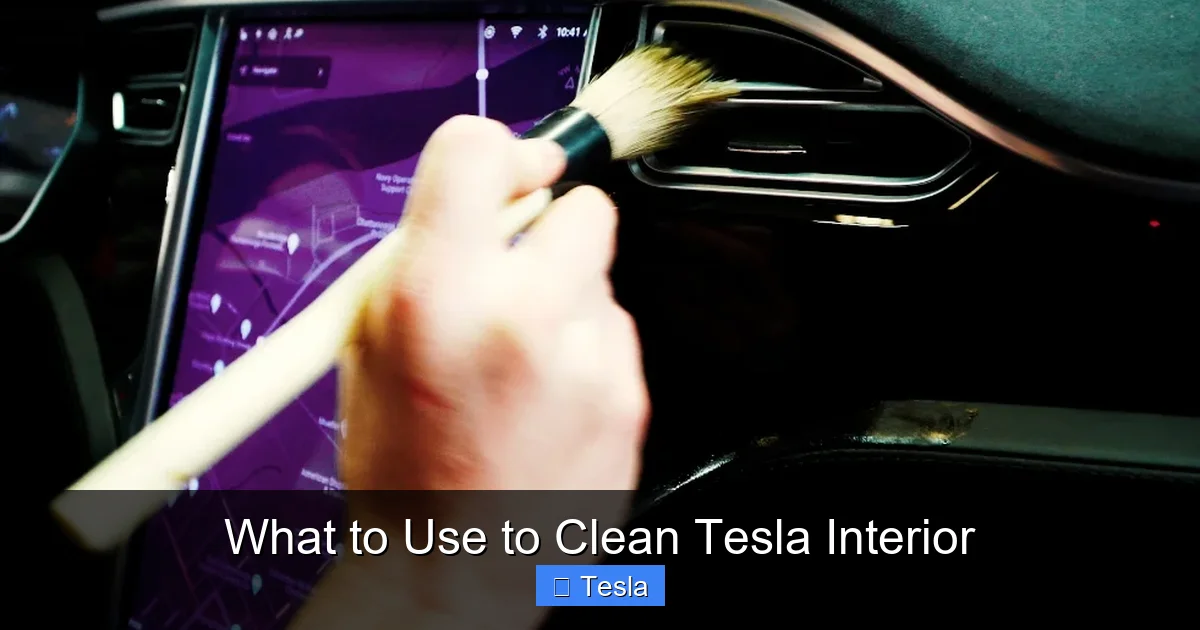
- Soft Bristle Detail Brush: For agitating cloth seats, getting into vent slats, and brushing Alcantara. Horsehair or high-quality synthetic.
- Soft Interior Scrub Brush: A brush with very soft, flexible bristles for gently working cleaner into seams and textured surfaces.
- Vacuum with Crevice Tool: A strong shop vac or a good household vacuum with a narrow crevice tool is essential for removing loose debris from seams, seat cracks, and under the pedals.
- Spray Bottles (Glass): Two dedicated, clean spray bottles. One for your screen cleaner mix, one for your all-purpose cleaner mix.
The Cleaners: Keep It Simple and Safe
You need two primary cleaners at most:
- pH-Neutral Interior Cleaner: This is your workhorse. Look for terms like “pH neutral,” “non-acidic,” “safe for all surfaces,” and “no oily residue.” Excellent options include Meguiar’s G15812 Quik Interior Detailer Wipes, Chemical Guys InnerClean, or Tesla’s own official interior cleaner. These are safe for vegan leather, plastic, and most fabrics when used correctly.
- Dedicated Screen Cleaner or DIY Mix: Use a product like Whoosh! or a 50/50 mix of distilled water and 70% isopropyl alcohol. The distilled water is critical—tap water can leave mineral deposits.
What to ABSOLUTELY AVOID: Windex, ammonia-based cleaners, bleach, vinegar (can dry out materials), Armor All (leaves oily residue that attracts dust), standard dish soap (too harsh), and any “shine” or “restorer” sprays on vegan leather.
The Step-by-Step Cleaning Process: From Daily to Deep Clean
Consistency is key. A regular routine prevents the need for harsh deep cleans.

Visual guide about What to Use to Clean Tesla Interior
Image source: ecarcraze.com
Daily/Weekly Maintenance (5-10 Minutes)
This is the most important step. Keep a soft microfiber cloth in your center console.
- Touchscreen: Gently wipe with a dry or slightly damp (with your screen mix) dedicated microfiber cloth. This removes fingerprints and light dust daily.
- Surfaces: A quick pass over the dashboard, steering wheel, and door panels with a dry general microfiber cloth prevents dust from settling and becoming gritty.
- Seats: Brush off any large crumbs or debris from seats with your hand or a soft brush.
Weekly Deep Clean (20-30 Minutes)
- Remove Trash & Personal Items: Take out everything from the cabin. Check under seats and in storage bins.
- Vacuum Thoroughly: Use the crevice tool for seat seams, between bolsters, under the pedals, and in all console nooks. Use a soft brush attachment for seats and Alcantara surfaces to lift dirt without damaging fibers.
- Surface Cleaning:
- Spray your pH-neutral cleaner onto the microfiber cloth, not the surface.
- Wipe down all hard surfaces: dashboard (top to bottom), door panels, center console, steering wheel, and all plastic trim. Use a clean section of the cloth frequently.
- For textured areas or stubborn grime, use your soft interior scrub brush dipped in the cleaner solution, then wipe immediately with a clean, damp cloth.
- Seat Specifics:
- Vegan Leather (Sofa): Wipe with a cloth dampened with cleaner. For soiled areas, apply a tiny amount of cleaner to the cloth, work in a circular motion, then wipe with a clean damp cloth. Dry immediately with your drying towel.
- Cloth/Textile: After vacuuming, use a dedicated interior extraction cleaner (like a Bissell SpotClean Pro) or a handheld steamer on a low setting. Lightly mist the area with your cleaner, agitate with the soft brush, then extract the moisture and dirt with the vacuum’s wet/dry function. This is crucial to prevent soaking the padding.
- Alcantara: Use the dry soft brush first, vigorously brushing in one direction to lift the nap and dirt. If needed, use a very lightly dampened cloth (with cleaner) and blot, never rub. Allow to air dry completely.
- Glass and Screen:
- Use your dedicated screen cleaner mix and plush microfiber. Spray onto the cloth. Wipe the screen in a circular motion, then buff dry with a clean, dry section of the cloth. For the windshield and windows, you can use your standard automotive glass cleaner, but apply to the cloth to avoid overspray on the dashboard.
Monthly Detail (45-60 Minutes)
This is where you address areas you might miss weekly and add protection.
- Condition Vegan Leather: After a full clean and dry, apply a very small amount of a high-quality, non-oily vegan leather conditioner to a microfiber cloth. Rub in gently on a test area first. This helps maintain suppleness. Do this 2-4 times a year, not monthly.
- Deep Clean Carpets and Floor Mats: Remove all-weather mats. Shake them out. Use an extraction cleaner on the carpets and the underside of the mats. For the trunk/cargo area, repeat the vacuuming and surface cleaning process.
- Vent and Crevice Cleaning: Use your soft brush and a cotton swab (lightly dampened) for air vent slits and around buttons/stalks. Be extremely careful around electronics.
- Final Buff: Go over all surfaces with a dry, clean microfiber for a final, streak-free shine.
Material-Specific Deep Dives and Problem Solving
Let’s tackle the tricky stuff.
Sofa (Vegan Leather): The Right Way to Condition
Conditioning is not about adding shine; it’s about preventing drying and cracking. Use a product specifically for synthetic leathers or Teslas (like Tesla Leather Conditioner or a high-end synthetic leather conditioner). Apply sparingly to a cloth, rub in, let it sit for 5-10 minutes, then buff off any excess. Never let it sit wet. If your sofa feels stiff or looks faded, this is likely the fix.
Stains on Cloth Seats: Immediate Action
Spills happen. The golden rule: blot, don’t rub. Rubbing grinds the stain in.
- Blot up as much liquid as possible with a dry microfiber or paper towel.
- For food or beverage stains, use a dedicated fabric stain remover (like Folex or Woolite Stain Remover). Test on an inconspicuous area first.
- Spray lightly on the stain, let sit per instructions, then blot repeatedly with a clean, damp cloth.
- Extract the moisture with a wet/dry vacuum or by pressing a dry towel over the area.
- Allow to air dry completely, using ventilation if needed.
For oil-based stains (grease, makeup), a small amount of dish soap (Dawn) diluted heavily in water (a few drops in a cup) can work. Apply with a cloth, blot, then rinse with a cloth dampened with plain water and extract immediately.
Alcantara/Fabric: Restoring the Nap
If your Alcantara looks matted or stained, it needs a proper dry clean first. Use a dedicated Alcantara brush or a clean, stiff (but not wire) brush. Brush vigorously in one direction to lift the pile. This alone removes a huge amount of dirt. For stains, use an Alcantara-specific cleaner, following the product’s instructions precisely. Always allow it to dry completely in a well-ventilated area. You can gently fluff the nap back up with your fingers or a brush once dry.
The Sacred Touchscreen and Dashboard: Proceed with Extreme Caution
This is where most damage occurs. The screen’s oleophobic coating is easily stripped.
Touchscreen Cleaning Protocol
- Never spray cleaner directly on the screen. Liquid can seep into the edges and damage the display or underlying electronics.
- Always turn the car off or let the screen go to sleep to better see smudges.
- Lightly dampen your dedicated, softest microfiber cloth with your 50/50 distilled water/isopropyl mix or screen cleaner. It should be barely damp.
- Wipe in gentle, circular motions. Apply no pressure.
- Immediately buff dry with a clean, dry section of your plush microfiber cloth.
- For stubborn fingerprints, repeat. The goal is to remove the oily residue, not scrub it.
Dashboard and Hard Plastics
The dashboard is a large, curved surface often made of a soft-touch plastic. It scratches easily.
- Avoid any cleaner with solvents or that leaves a greasy film. This will attract dust like a magnet and make it look dirty again in hours.
- Your pH-neutral interior cleaner on a microfiber is perfect.
- For textured surfaces, use the soft interior scrub brush dipped in the cleaner solution, then immediately wipe with a damp cloth.
- For the glovebox interior and tight corners, use cotton swabs lightly dampened with your cleaner.
- Never use a duster that leaves behind wax or silicone-based protectants on the dash. These degrade over time and become sticky.
Long-Term Maintenance: Protecting Your Investment
Cleaning is reactive. Protection is proactive.
The #1 Defense: UV Protection
Parking in a garage is ideal. If not, always use a high-quality sunshade that covers the entire windshield and front side windows. This single habit will prevent the vast majority of dashboard cracking, fading, and material degradation. Consider a high-quality window tint (ceramic-based) that blocks 99% of UV rays.
Seat Protectors for Daily Wear
If you have cloth seats or use your car for work/sports, consider breathable, fitted seat covers. They can be removed and washed regularly, protecting the original material from sweat, oils, and abrasion. For vegan leather, a clear, custom-fit seat protector can guard against jeans rivets and scratches.
Establish a Cleaning Schedule
Stick to the routine: Daily quick wipe, weekly deep clean, monthly detail. Set a calendar reminder. The easier it is to maintain, the less often you’ll need harsh chemicals or aggressive scrubbing.
Mind the Weather
In humid climates, ensure the cabin is completely dry before closing up. Use the climate system to blow air out of the vents after cleaning. In winter, road salt and grime get tracked in. Increase your vacuuming frequency for mats and carpets. A simple rule: if your shoes are dirty, your floor mats need attention.
Conclusion: A Clean Tesla is a Happy Tesla
Cleaning your Tesla interior doesn’t have to be a daunting chore. By understanding your car’s unique materials and using the simple, safe toolkit we’ve outlined, you can maintain that pristine, futuristic cabin with minimal effort. Remember the core principles: gentle, pH-neutral products; copious microfiber; minimal moisture; and material-specific techniques. Avoid the temptation to use household all-purpose cleaners. They are the number one cause of preventable interior damage. Treat your Tesla’s interior with the same thoughtful care you give its drivetrain, and it will reward you with a beautiful, functional, and valuable driving experience for the life of the car. Now, grab your dedicated microfiber cloth and give that screen a gentle wipe—your future self will thank you.
Frequently Asked Questions
Can I use Windex or ammonia-based cleaners on my Tesla interior?
No. Ammonia is extremely harsh and will strip the protective coatings from vegan leather (sofa), damage plastic finishes, and degrade the touchscreen’s oleophobic layer. It causes drying, cracking, and cloudiness. Always use pH-neutral, automotive-specific interior cleaners.
What should I use to clean the Tesla touchscreen without damaging it?
Use a 50/50 mixture of distilled water and 70% isopropyl alcohol, or a dedicated electronics/car screen cleaner like Whoosh!. Apply the liquid to a soft, lint-free microfiber cloth (never spray directly on the screen), wipe gently, and immediately buff dry with a clean, dry section of the cloth.
How do I clean stains out of my Tesla’s cloth seats?
Blot (don’t rub) the spill immediately with a dry towel. For set-in stains, use a dedicated fabric stain remover tested on an inconspicuous area first. Lightly spray, let sit, then blot with a damp cloth. The key is to extract the moisture and cleaner using a wet/dry vacuum or by pressing a dry towel over the area. Never soak the seat padding.
Is it safe to use a steam cleaner on Tesla seats and carpet?
Yes, but with caution. Use a handheld steamer on a low heat setting and keep it moving. Never hold it in one spot. Steam can be excellent for lifting dirt from cloth and killing germs, but excessive heat and moisture can damage adhesives and padding. Always follow with thorough extraction and drying. It’s generally safer for all-weather rubber mats than for fabric seats.
How often should I deep clean my Tesla’s interior?
A light weekly clean (vacuum, wipe surfaces) is ideal. A full deep clean, including extraction for cloth seats and conditioning for vegan leather, should be done every 1-2 months depending on use and climate. Regular maintenance drastically reduces the need for intense deep cleaning sessions.
Can I use leather conditioner on Tesla’s “sofa” vegan leather seats?
Only if it is specifically labeled as safe for synthetic or faux leather. Traditional leather conditioners contain oils and fats that vegan leather does not absorb, leading to a sticky, greasy residue that attracts dirt. Use a Tesla-branded conditioner or a product explicitly designed for polyurethane upholstery, and apply it very sparingly 2-4 times a year.
