
Is White Interior in a Tesla Worth It?

A Tesla white interior is a bold design statement offering exceptional heat reflection and a unique, airy feel, but it demands meticulous, ongoing maintenance to prevent staining and discoloration. While the vegan leather “Tesla Synthetic” is surprisingly durable, the light color shows every mark, requiring a disciplined cleaning routine and potentially costly repairs. Its worth hinges entirely on your lifestyle, climate, and willingness to prioritize pristine aesthetics over low-effort ownership.
Key Takeaways
- Stunning Aesthetics vs. High Maintenance: The white interior provides a premium, minimalist look but requires constant vigilance against stains from clothes, liquids, and everyday use.
- Material Durability is Not the Issue: Tesla’s proprietary synthetic “Tesla Synthetic” leather is highly resistant to tears and cracks; the primary challenge is its light color’s inability to hide soiling.
- Significant Heat Reflection Advantage: In hot climates, the white surfaces reflect sunlight and heat far better than dark interiors, keeping the cabin noticeably cooler.
- Resale Value is a Double-Edged Sword: A pristine white interior can be a major selling point for some buyers, but a visibly stained one can drastically reduce value and deter purchasers.
- Lifestyle Fit is Paramount: It’s ideal for careful, child-free adults in cooler climates or those with dedicated garage parking, but a poor choice for families with young children or pets.
- Protective Measures are Non-Negotiable: Investing in high-quality seat covers, floor mats, and considering paint protection film (PPF) on high-contact areas is essential to preserve the interior.
- Consider the “All-White” Package: The full white interior includes seats, dashboard, and door panels. The full commitment amplifies both the visual impact and the maintenance burden.
📑 Table of Contents
- The Allure of the White Interior: More Than Just a Color
- The Practical Pros: Why White Isn’t Just for Looks
- The Reality Check: The Daily Grind of Owning White
- Cost-Benefit Analysis: Beyond the Initial Price Tag
- Who Is It *Actually* For? The Lifestyle Compatibility Test
- Alternatives and Workarounds: Getting the Look with Less Risk
- The Verdict: Is It Worth It For You?
The Allure of the White Interior: More Than Just a Color
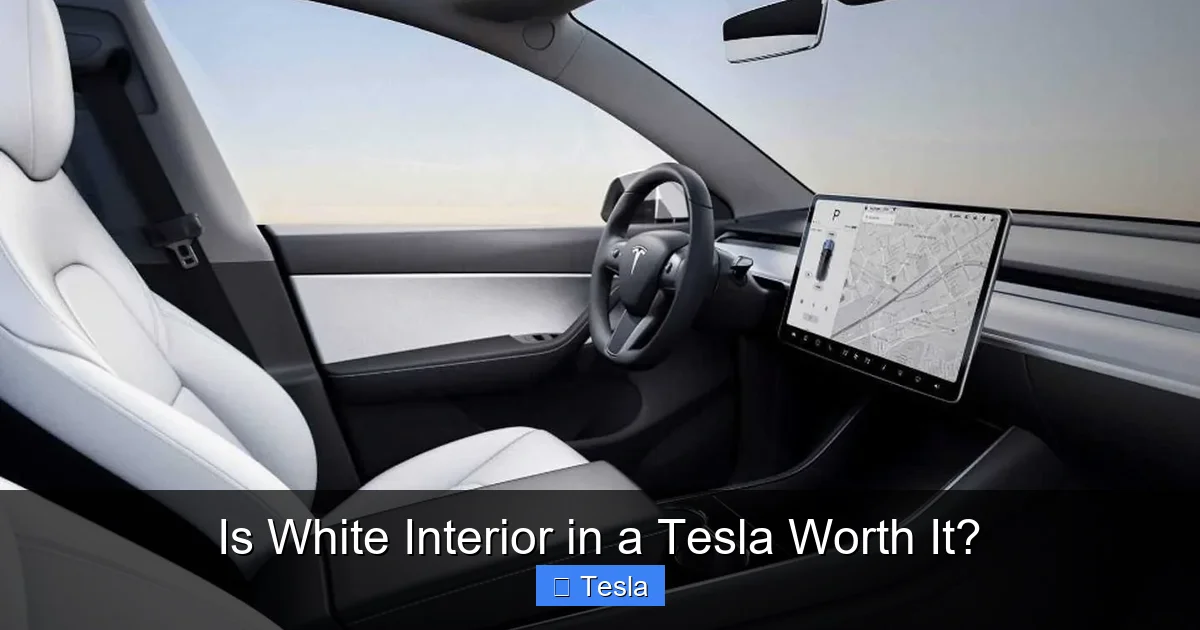
Stepping into a Tesla with a white interior is an experience. It feels less like entering a car and more like walking into a modern, minimalist loft. The brightness, the sense of space, the futuristic vibe—it’s a deliberate departure from the traditional black or gray cabins that dominate the automotive world. For many Tesla buyers, selecting the white interior isn’t just a color choice; it’s a statement about embracing clean design, technological sophistication, and a certain boldness. It signals that you see your car as an extension of your personal aesthetic, not just a utilitarian machine. This is the core of its appeal: a unique, head-turning, and positively serene environment that makes every drive feel special.
But this allure comes with a critical question that echoes in online forums and owner conversations: is the dream worth the daily grind? The stark, beautiful canvas is also an unforgiving one. Every coffee spill, every denim transfer, every speck of dust becomes a public announcement on your seats. To answer if it’s worth it, we must dissect the reality behind the romance, separating the genuine advantages from the exaggerated fears, and helping you determine if your lifestyle aligns with this high-maintenance masterpiece.
The Practical Pros: Why White Isn’t Just for Looks
Superior Heat Reflection and Cabin Comfort
This is the single most compelling, objective advantage of a light-colored interior, and it’s backed by simple physics. Dark colors absorb sunlight and convert it into heat. In a parked car under the sun, a black dashboard and seats can reach temperatures high enough to cause minor burns. White and light gray surfaces reflect a much higher percentage of solar radiation. For Tesla owners, especially those in sun-drenched states like Arizona, Florida, or California, this translates to a tangible benefit: a cabin that heats up significantly slower and reaches a lower peak temperature. When you return to your car after it’s been parked, the seats and steering wheel won’t be scalding. The air conditioning has less work to do, which can even provide a minor boost to battery range on those first, brutal miles. It’s a functional perk that directly impacts daily comfort.

Visual guide about Is White Interior in a Tesla Worth It?
Image source: i.ytimg.com
The Durability of Tesla’s “Tesla Synthetic” Material
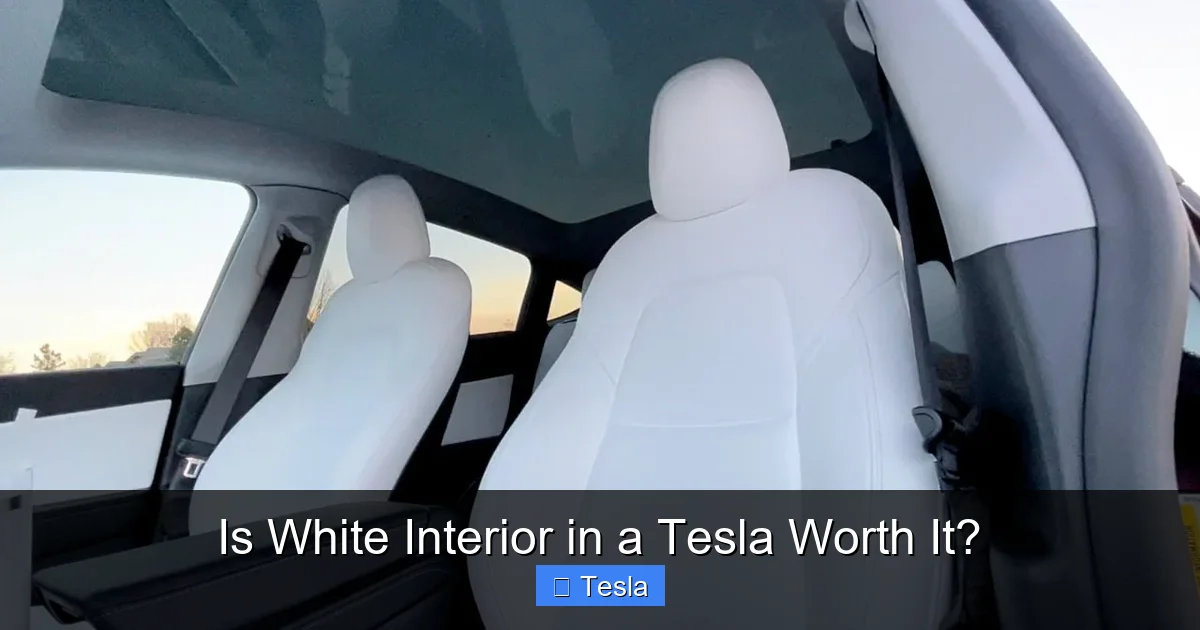
First, let’s clarify the material. Tesla does not use traditional animal leather in its white interior option. It uses a proprietary vegan leather called “Tesla Synthetic.” This is a crucial point because much of the anxiety around white interiors stems from memories of porous, stain-loving cloth or cheap vinyl. Tesla Synthetic is a polyurethane-based material with a high-quality, soft-touch feel. Its non-porous surface is its greatest strength. Liquids and oils sit on top initially, giving you a precious window to blot them up before any penetration occurs. It is also highly resistant to cracking and fading from UV exposure—a common failure point in cheaper materials. The material itself is tough. The challenge is not its strength, but its color’s unforgiving transparency.
Hiding Minor Scuffs and Scratches (Surprisingly)
Here’s a paradox: while white shows stains spectacularly well, it can be surprisingly adept at hiding certain types of damage. Minor scuffs, light scratches on the surface, and small scuffs from shoes or bags often blend into the light, uniform color better than they would on a dark material, where they would create a stark, light-colored mark. The key is that these are surface-level abrasions that don’t involve a transfer of pigment. For the inevitable light contact with zippers, rings, or pet nails, the white canvas can be more forgiving than a deep black or brown, where any mark creates a high-contrast flaw.
The Reality Check: The Daily Grind of Owning White
The Stain Spectrum: What Haunts a White Interior
Understanding what threatens your white interior is the first step in fighting it. The enemies are varied and relentless:
Visual guide about Is White Interior in a Tesla Worth It?
Image source: cdn.motor1.com
- Oil-Based Stains: This is public enemy number one. Grease from fast food, makeup (especially foundation and lipstick), lotions, hand sanitizer, and even the oils from your skin and hair over time. These can bond to the material and cause yellowish or brownish discoloration that is notoriously difficult to remove.
- Tannin Stains: From coffee, tea, red wine, and cola. These are water-based but contain tannins that can dye the material if not addressed immediately.
- Dye Transfer: The bane of new jeans. The dark indigo dye from denim is infamous for transferring onto light surfaces, especially with friction and heat. This creates a permanent-looking blue-gray haze on the seat bolsters and backrests.
- Mud and Dirt: While mud itself can be cleaned if tackled wet, dried mud turns into a fine, powdery dust that embeds itself in the material’s texture, creating a grayish patina.
- UV Yellowing: Over many years, prolonged and intense UV exposure can cause the white material to develop a slight yellow or beige tinge, an irreversible form of aging.
The Non-Negotiable Maintenance Routine
Ownership of a white Tesla interior is not a set-and-forget proposition. It requires a disciplined, almost ritualistic approach to care:
- Weekly Vacuuming: Use a soft brush attachment to remove loose dirt, dust, and debris that can act as abrasives. Don’t skip this.
- Immediate Spot Cleaning: Any spill must be addressed within minutes. Blot, never rub. Use a dedicated, pH-neutral interior cleaner and a soft microfiber cloth. Have a small kit in your car at all times.
- Monthly Deep Clean: This involves a proper extraction or steam cleaning process. For the truly committed, this is a DIY job with the right equipment (a portable extractor like a Bissell SpotClean). For most, it’s a professional detailer task every 3-6 months to properly deep-clean the pores and remove ground-in grime.
- Protective Products: After cleaning, a high-quality, non-greasy interior protectant with UV inhibitors should be applied. This creates a sacrificial barrier against future stains and sun damage. Avoid shiny, silicone-based products that attract dust.
The Cost of a Mistake: Repair and Replacement
When the inevitable major stain happens—a tipped bottle of red wine, a melted crayon in the back seat—the consequences are severe. Tesla does not offer individual panel replacement for the interior in a cost-effective way. The seat covers are not designed to be easily removed and replaced by a consumer. A severe stain typically means one of two things:
- Professional Re-dyeing: Some specialized auto upholstery shops can attempt to re-dye the material. This is an art, not a science. Results vary wildly, and a perfect color match to the original factory white is challenging. It can cost $200-$500 per seat.
- Full Seat Replacement: This is the nuclear option. You must purchase a new seat assembly from Tesla. The cost is astronomical—often $1,500 to $3,000+ per seat, plus many hours of labor for installation. A full front and rear seat replacement can approach the cost of a new battery pack. This is the financial risk that looms over every white interior owner.
Cost-Benefit Analysis: Beyond the Initial Price Tag
The Upfront Premium
Choosing the white interior is not a free upgrade. At the time of order, Tesla charges a significant premium for it, typically around $1,000 to $1,500 over the standard black interior. This is your entry fee into the club. You are paying for the unique aesthetic and the material itself. It’s a conscious investment in appearance.
Visual guide about Is White Interior in a Tesla Worth It?
Image source: i.ytimg.com
The Long-Term Maintenance Investment
This is where the true cost calculator comes in. To maintain the interior to a showroom standard, you must budget for:
- Professional Detailing: 2-4 times a year at $150-$300 per session.
- High-Quality Products: Dedicated cleaners, protectants, and brushes. A good setup runs $100-$200 initially and needs replenishing.
- Protective Gear: Custom-fitted, high-quality seat covers (not the cheap universal kind) and all-weather floor mats. Expect to spend $300-$600 for a premium, nearly invisible set.
- Potential PPF (Paint Protection Film): For the ultimate defense, having a clear, urethane film applied to the high-wear sections of the seats (like the leading edge of the seat cushion and backrest) is becoming popular. This is an investment of $500-$1,200 for the front seats alone, but it can prevent virtually all staining on those critical areas.
Over five years, these costs can easily add another $2,000-$4,000 to your ownership experience. You must ask: does the aesthetic pleasure I get from the white interior justify this ongoing financial and time commitment?
The Resale Value Equation
This is the great unknown. On one hand, a pristine white interior in a used Tesla is a rare and desirable commodity. It makes the car stand out in a sea of black and gray listings and can command a premium from a buyer who specifically wants that look. On the other hand, a white interior with any noticeable staining, discoloration, or wear is a massive red flag. It suggests neglect and can scare away 90% of potential buyers, forcing you to price the car aggressively low or trade it in for a significant loss. The resale value of a white interior is a high-risk, high-reward proposition that depends entirely on your stewardship. For a comparison on how interior condition impacts luxury car values, researching the used market for vehicles like a used Mercedes-Benz shows similar patterns where interior quality is a top-tier concern for buyers.
Who Is It *Actually* For? The Lifestyle Compatibility Test
The Ideal Candidate Profile
The white interior thrives in specific, controlled environments. You are the ideal owner if you:
- Park in a private, covered garage consistently.
- Live in a cooler or drier climate with less intense sun (though the heat benefit is still present, UV yellowing is slower).
- Are a solo driver or a couple without young children or pets.
- Have a “no shoes on the furniture” policy that extends to your car seats.
- Enjoy detailing and taking pride in the pristine condition of your belongings.
- Use your car primarily for commuting and leisure, not for hauling sports equipment, garden supplies, or messy projects.
- Plan to keep the car for a moderate term (3-5 years) and are confident you can maintain it.
The Red Flags: Who Should Avoid It
Steer clear of the white interior if your life looks like this:
- You have kids in car seats, teenagers, or dogs that regularly ride in the car.
- You frequently eat or drink in the car, especially messy foods.
- Your job involves physical work, construction, gardening, or any activity that gets you dirty.
- You live in an area with extreme, year-round sun and must park on the street.
- The idea of spending 30 minutes meticulously cleaning your car every week fills you with dread.
- You plan to keep the car for a very long term (8+ years) and are concerned about irreversible UV aging.
For these owners, the stress and potential financial hit of a stained interior will almost certainly outweigh the aesthetic joy. A darker interior, while less distinctive, offers peace of mind.
Alternatives and Workarounds: Getting the Look with Less Risk
Consider the “Other” Light Colors: Gray or Cream
Tesla often offers lighter shades of gray (like “Charcoal” or “Dark Gray” which are still medium tones) or a “Cream” interior. These are not true white, but they offer a much more forgiving palette. They still provide a bright, airy feel and better heat reflection than black, but they hide dirt, light stains, and general wear infinitely better. They are the pragmatic choice for those who want a light interior without the white’s extreme demands. Always get a large sample in person to see the true tone.
The World of Custom Seat Covers and Wraps
This is a popular and effective strategy. You can purchase custom-fit, high-quality seat covers in a color of your choice (even a durable black) and install them over the white seats. For a more integrated look, some owners explore having the seats professionally wrapped in a different, more stain-resistant material like a durable fabric or a darker vinyl. This protects the original white upholstery underneath, which can be a smart move for resale—you can remove the covers to reveal the pristine factory interior when selling. For those wanting to change the car’s exterior appearance too, a Tesla Model 3 wrap is a common consideration, showing how owners customize both inside and out.
Targeted Protection: PPF and High-Quality Mats
You don’t have to protect the entire seat. A strategic approach is to use Paint Protection Film (PPF) on the most vulnerable areas: the top of the seat back where heads rest, the leading edge of the seat cushion where pants slide, and the center armrest. This clear film is virtually invisible and can be replaced if it gets heavily stained, saving the underlying material. Combine this with premium, all-weather, waterproof floor mats that trap all dirt and moisture from shoes. This two-pronged attack (seats and floors) tackles the vast majority of contamination sources.
The Verdict: Is It Worth It For You?
So, we return to the central question. Is a white interior in a Tesla worth it? The answer is not a simple yes or no; it is a conditional yes. It is worth it if and only if you fully understand and enthusiastically accept the trade-offs. You are buying a piece of art. Art requires curation and care. If the sight of that bright, pristine cabin brings you genuine, consistent happiness that outweighs the chore of maintenance, then it is worth every penny and every minute spent. You are paying for a daily experience, a mood, a statement.
However, if the thought of a permanent stain fills you with anxiety, if you value convenience and low-effort ownership above all, or if your life is inherently messy, then the white interior is a liability. The stress will erode the pleasure. The smart money is on a more forgiving light gray or a classic black, especially for a primary family vehicle or a car that sees hard use. The white interior is a luxury choice in the truest sense: it’s not just about the money, but about the bandwidth of attention you are willing to dedicate to your car’s interior. Be honest with yourself about your habits and your environment. That honesty will lead you to the right decision, ensuring your Tesla ownership remains a source of joy, not regret.
Frequently Asked Questions
Is the white Tesla interior material actually leather?
No. Tesla’s white interior option uses a vegan, synthetic material called “Tesla Synthetic.” It is a polyurethane-based faux leather that is non-porous, durable, and easy to clean if addressed quickly. Its performance is excellent, but its light color is what makes stains so visible.
How much more does the white interior cost over black?
The factory upgrade price for the white interior typically ranges from $1,000 to $1,500 at the time of vehicle order. This is just the starting cost. The long-term maintenance and potential repair costs can add thousands more over the life of the car if not meticulously cared for.
Can you remove common stains from a white Tesla seat?
It depends entirely on the stain type and how quickly you act. Fresh water-based spills (coffee, soda) can often be blotted completely with a clean microfiber cloth and a dedicated interior cleaner. Oil-based stains (grease, makeup, lotion) and dye transfer (jeans) are much more stubborn and may require professional extraction or, in severe cases, re-dyeing. The key is to never let a stain set.
Does the white interior make the car hotter in the summer?
No, quite the opposite. The white surfaces reflect sunlight and heat much more effectively than dark interiors. This is one of its biggest functional benefits. A car with a white interior will heat up slower and achieve a lower peak cabin temperature when parked in the sun, making it more comfortable to enter and cooling down faster.
Will a stained white interior ruin my Tesla’s resale value?
Almost certainly, yes. A visibly stained or discolored white interior is a major deterrent for used car buyers and will dramatically lower the car’s value. Conversely, a pristine white interior can be a significant selling point that attracts buyers willing to pay a premium. The resale value is directly tied to your maintenance diligence.
What’s the best way to protect a white Tesla interior?
A multi-layer approach is best: 1) Use high-quality, waterproof all-weather floor religiously. 2) Consider custom-fit seat covers for daily use if your lifestyle is messy. 3) For a more permanent solution, invest in clear PPF (paint protection film) on the high-wear sections of the front seats. 4) Establish a strict weekly vacuum and monthly deep-clean routine with proper products.
