
Does Cold Weather Affect Your Tire Pressure

Cold weather significantly affects your tire pressure. As temperatures drop, air inside your tires contracts, causing pressure to decrease—typically about 1 PSI for every 10°F drop. This can lead to underinflated tires, reduced fuel efficiency, poor handling, and increased wear. Regular checks and proper inflation are essential for safe winter driving.
Key Takeaways
- Cold weather lowers tire pressure: For every 10°F drop in temperature, tire pressure decreases by about 1 PSI due to air contraction.
- Underinflated tires are dangerous: Low pressure reduces traction, increases braking distance, and raises the risk of blowouts, especially on icy or snowy roads.
- Check tire pressure monthly: Cold mornings are the best time to check, as tires are at ambient temperature and readings are most accurate.
- Use the manufacturer’s recommended PSI: Find the correct pressure on the driver’s door jamb sticker or owner’s manual—not the max PSI on the tire sidewall.
- Don’t overinflate in winter: While it’s tempting to add extra air, overinflation reduces the tire’s contact patch, hurting grip and stability.
- TPMS warnings are important: If your tire pressure monitoring system (TPMS) light comes on, check your tires immediately—don’t ignore it.
- Seasonal changes require attention: As you transition from fall to winter, proactively check and adjust tire pressure to stay safe and efficient.
📑 Table of Contents
Does Cold Weather Affect Your Tire Pressure?
You’ve probably noticed your car acting a little sluggish when the first cold snap hits. Maybe the engine takes longer to start, or the heater struggles to warm up. But have you ever considered how the cold affects your tires? Most drivers don’t realize that temperature has a direct and measurable impact on tire pressure—and ignoring it can lead to serious safety and performance issues.
As the mercury drops, the air inside your tires contracts. This isn’t just a theory; it’s basic physics. When air gets colder, its molecules move slower and take up less space. The result? Lower pressure inside your tires. For every 10°F (about 5.5°C) drop in temperature, your tire pressure can decrease by roughly 1 pound per square inch (PSI). That might not sound like much, but over the course of a cold winter, those small drops add up—and can leave your tires significantly underinflated.
This isn’t just a minor inconvenience. Underinflated tires are one of the leading causes of poor fuel economy, uneven tire wear, and even dangerous blowouts. In winter conditions—when roads are icy, snowy, or wet—having properly inflated tires is more than a maintenance tip; it’s a safety necessity. Whether you’re commuting to work or heading out on a weekend ski trip, understanding how cold weather affects your tire pressure can help you drive smarter, safer, and more efficiently.
How Temperature Changes Impact Tire Pressure
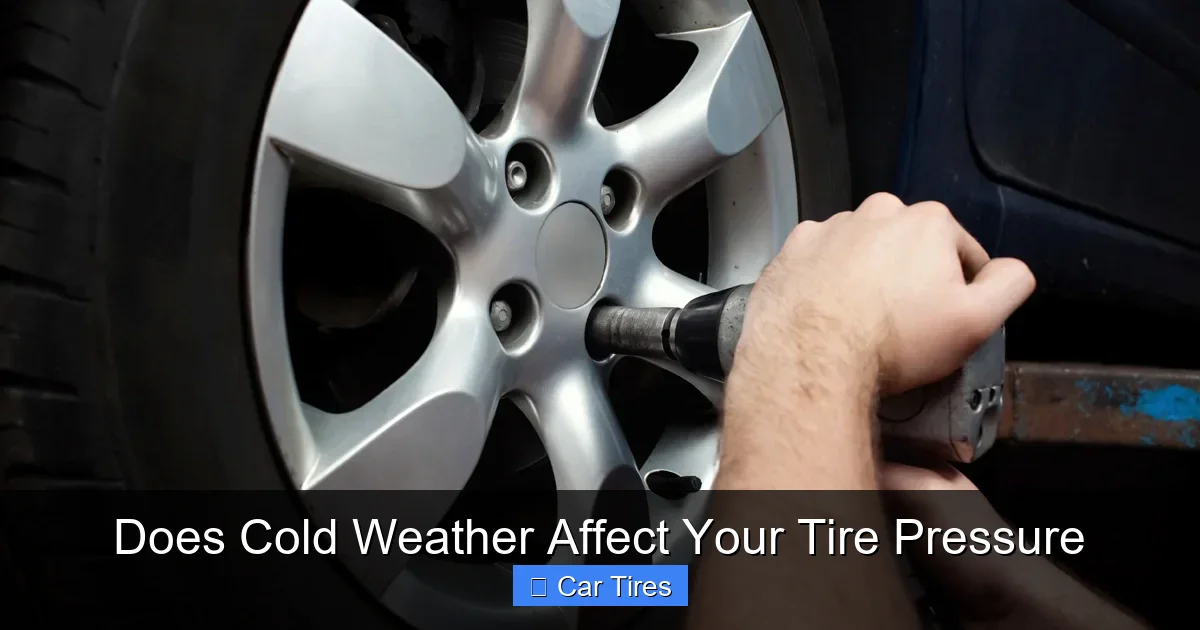
Visual guide about Does Cold Weather Affect Your Tire Pressure
Image source: bdc2020.o0bc.com
To truly grasp why cold weather affects your tire pressure, it helps to understand a little science. The air inside your tires behaves like any other gas: it expands when heated and contracts when cooled. This principle is known as Charles’s Law, which states that the volume of a gas is directly proportional to its temperature (assuming pressure and amount of gas remain constant). While your tires don’t expand much in volume, the pressure inside them definitely changes with temperature.
Let’s break it down with a real-world example. Say your tires are properly inflated to 32 PSI on a mild autumn day at 60°F. If the temperature drops to 30°F overnight—a 30°F decrease—you could lose about 3 PSI. That brings your tire pressure down to 29 PSI, which is below the recommended level for most passenger vehicles. And if you’re driving on a particularly cold morning after a week of freezing nights, the cumulative effect can be even more dramatic.
This pressure loss happens gradually and often goes unnoticed. Unlike a sudden flat tire, underinflation doesn’t always produce obvious symptoms right away. But over time, it can lead to increased rolling resistance, which makes your engine work harder and burns more fuel. It also causes the sidewalls of your tires to flex more than they should, generating excess heat and accelerating wear. In extreme cases, this can lead to tire failure—especially at high speeds or under heavy loads.
The Science Behind Air Contraction in Tires
Air is made up of tiny molecules that are constantly moving. When the temperature drops, these molecules slow down and move closer together. Since the tire’s rubber doesn’t shrink significantly, the same amount of air now occupies less space, resulting in lower pressure. This is why your tire pressure drops in cold weather—even if there’s no leak.
It’s important to note that this effect is consistent across all types of vehicles and tire types, from compact sedans to heavy-duty trucks. Whether you’re driving a hybrid, an SUV, or a pickup, cold weather will impact your tire pressure in the same fundamental way. The only difference is the starting pressure and the vehicle’s specific recommendations.
Real-World Examples of Pressure Loss
Imagine you check your tires on a warm fall day and inflate them to the manufacturer’s recommended 35 PSI. A few weeks later, winter arrives, and overnight temperatures dip into the teens. If you don’t check your tires again, you might be driving around with only 30–32 PSI—depending on how cold it gets. That’s a 3–5 PSI drop, which is enough to trigger a TPMS warning light in many modern vehicles.
Another common scenario: you fill your tires at a gas station on a cold morning. The air compressor might be indoors and warmer than the outside air, so the air you’re adding is slightly expanded. Once you drive away and the tires cool down, the pressure drops again. This is why it’s best to check tire pressure when the tires are “cold”—meaning the car hasn’t been driven for at least three hours.
The Dangers of Underinflated Tires in Winter
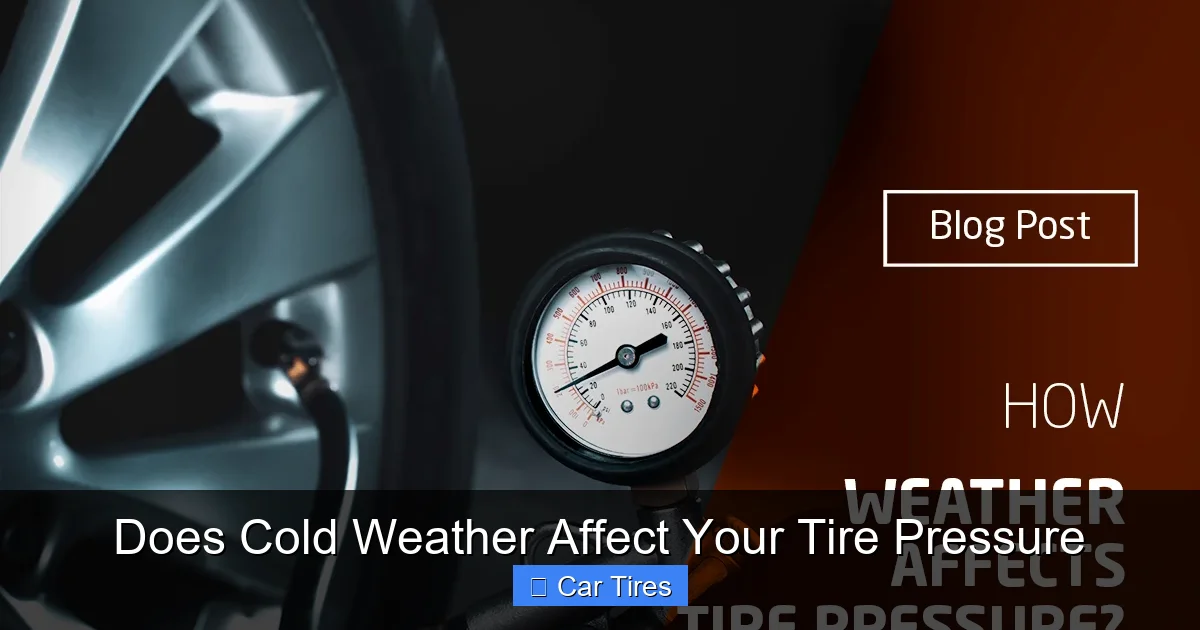
Visual guide about Does Cold Weather Affect Your Tire Pressure
Image source: aircom.ag
Driving with underinflated tires in cold weather isn’t just inefficient—it’s risky. Winter roads present unique challenges: ice, snow, slush, and reduced visibility. Your tires are your only point of contact with the road, so their condition directly affects your ability to steer, brake, and maintain control.
When tire pressure is too low, the tire’s shape changes. Instead of maintaining a firm, rounded contact patch with the road, the sidewalls flex excessively. This increases the surface area touching the ground, which might sound good for traction—but it actually reduces grip. The tire becomes less responsive, and the increased friction generates heat, which can weaken the rubber over time.
In snowy or icy conditions, this loss of responsiveness is especially dangerous. You might notice longer stopping distances, reduced cornering ability, or a feeling of “sluggishness” when turning. In extreme cases, underinflated tires are more prone to hydroplaning on slush-covered roads or losing grip during sudden maneuvers.
Increased Risk of Blowouts
One of the most serious risks of underinflated tires is the increased chance of a blowout. When a tire is underinflated, the sidewalls flex more than they’re designed to. This repeated flexing generates heat, and excessive heat can cause the internal structure of the tire to break down. Over time, this can lead to tread separation or a sudden blowout—especially at highway speeds.
In winter, this risk is amplified. Cold rubber is less flexible and more brittle, making it more susceptible to damage. Combine that with the stress of underinflation, and you’ve got a recipe for trouble. A blowout on an icy road can be catastrophic, leading to loss of control, skidding, or even rollovers.
Poor Fuel Economy and Increased Wear
Underinflated tires also hurt your wallet. When your tires aren’t properly inflated, your engine has to work harder to move the vehicle. This increases fuel consumption—sometimes by as much as 3% for every 1 PSI drop below the recommended level. Over the course of a winter, that can add up to dozens of extra gallons of gas.
Additionally, underinflation causes uneven tire wear. The outer edges of the tire tend to wear down faster than the center, reducing the overall lifespan of the tire. This means you’ll need to replace your tires sooner, adding to your long-term costs.
How to Check and Maintain Proper Tire Pressure in Cold Weather
Visual guide about Does Cold Weather Affect Your Tire Pressure
Image source: petlas.com
The good news is that maintaining proper tire pressure in cold weather is simple—and it only takes a few minutes. The key is consistency. Make it a habit to check your tire pressure at least once a month, and especially when temperatures drop significantly.
When to Check Tire Pressure
Always check your tires when they’re cold. That means the vehicle hasn’t been driven for at least three hours, or has been driven less than a mile at low speed. Why? Because driving generates heat, which increases tire pressure. If you check your tires right after a drive, the reading will be artificially high, and you might underinflate them when you add air.
Cold mornings are ideal for checking tire pressure. The overnight chill ensures the tires are at ambient temperature, giving you the most accurate reading. If you’re unsure, wait a few hours after parking your car overnight.
How to Use a Tire Pressure Gauge
You’ll need a reliable tire pressure gauge—digital or analog. Here’s how to use it:
1. Remove the valve cap from the tire’s valve stem.
2. Press the gauge firmly onto the stem until you hear a hiss stop.
3. Read the pressure displayed on the gauge.
4. Compare it to the recommended PSI for your vehicle.
5. If it’s low, add air using a compressor. If it’s high, release some air by pressing the valve pin.
6. Recheck the pressure and replace the valve cap.
Most gas stations have air pumps with built-in gauges, but these aren’t always accurate. It’s better to use your own gauge for precision.
Finding the Correct PSI
Don’t rely on the number printed on the tire sidewall. That’s the maximum pressure the tire can handle—not the recommended pressure for your vehicle. Instead, check the sticker on the driver’s door jamb, the glove compartment, or your owner’s manual. This will tell you the correct front and rear PSI for your specific make and model.
For example, a 2022 Honda Accord might recommend 32 PSI for both front and rear tires. A Ford F-150, on the other hand, might require 35 PSI in the front and 40 PSI in the rear due to its heavier load capacity.
Don’t Overinflate to Compensate
It’s tempting to add extra air when it’s cold, thinking you’ll “pre-fill” for the temperature drop. But overinflation is just as bad as underinflation. When tires are overinflated, the center of the tread wears down faster, and the tire has less contact with the road. This reduces traction, especially on slippery surfaces, and can make your ride harsher.
Stick to the manufacturer’s recommendation. If you’re concerned about pressure loss, check more frequently—not more air.
The Role of Tire Pressure Monitoring Systems (TPMS)
Most modern vehicles come equipped with a Tire Pressure Monitoring System (TPMS), which alerts you when one or more tires are significantly underinflated. There are two types: direct and indirect.
Direct TPMS uses sensors inside each tire to measure pressure and send real-time data to the vehicle’s computer. If the pressure drops below a certain threshold (usually 25% below the recommended level), the dashboard warning light—a yellow tire symbol—will illuminate.
Indirect TPMS, on the other hand, uses the vehicle’s anti-lock braking system (ABS) to detect differences in wheel speed. Underinflated tires have a smaller diameter and rotate faster than properly inflated ones. The system notices this discrepancy and triggers the warning light.
Don’t Ignore the TPMS Light
If your TPMS light comes on, don’t delay. Check your tire pressure as soon as it’s safe to do so. The light could indicate a slow leak, a puncture, or simply the effects of cold weather. In some cases, the light may come on temporarily after a sharp temperature drop and go off once you add a little air.
However, if the light stays on or flashes, it could signal a sensor issue or a more serious problem. Have your tires inspected by a professional.
Resetting the TPMS
After adjusting your tire pressure, you may need to reset the TPMS. This varies by vehicle, but it often involves pressing a button under the dashboard or following a sequence in the infotainment system. Consult your owner’s manual for instructions.
Some vehicles automatically reset the system after driving a short distance with proper pressure. Others require a manual reset to ensure the sensors are recalibrated.
Seasonal Tips for Winter Tire Care
Winter driving demands extra attention to your tires. Beyond monitoring pressure, there are several steps you can take to ensure your tires perform at their best in cold weather.
Consider Winter or All-Season Tires
If you live in an area with harsh winters, consider switching to winter tires. These are made with softer rubber compounds that stay flexible in cold temperatures, providing better grip on snow and ice. All-season tires are a good compromise, but they don’t perform as well as dedicated winter tires in extreme conditions.
Check Tire Tread Depth
Tread depth is crucial for traction in snow and slush. The legal minimum is 2/32 of an inch, but for winter driving, experts recommend at least 4/32—and ideally 6/32 or more. Use a tread depth gauge or the “penny test”: insert a penny into the tread with Lincoln’s head upside down. If you can see the top of his head, it’s time for new tires.
Rotate and Balance Your Tires
Regular rotation (every 5,000 to 7,000 miles) ensures even wear and extends tire life. Balancing prevents vibrations and improves handling. Both are especially important in winter, when uneven wear can reduce traction.
Store Spare Tires Properly
If you have a full-size spare, store it in a cool, dry place—not in the trunk where it can be exposed to temperature swings. A spare with low pressure won’t help in an emergency.
Conclusion
Cold weather doesn’t just make your car harder to start—it also affects your tire pressure in ways that can impact safety, performance, and cost. As temperatures drop, the air inside your tires contracts, leading to lower pressure and a host of potential problems. From reduced fuel efficiency to increased risk of blowouts, underinflated tires are a serious concern, especially in winter conditions.
The good news? This is entirely preventable. By checking your tire pressure monthly, using the correct PSI, and paying attention to your TPMS light, you can stay safe and save money all season long. Make tire care part of your winter routine—just like checking your antifreeze or replacing your wiper blades.
Remember, your tires are the only thing connecting your car to the road. Treat them well, and they’ll keep you moving safely, no matter how cold it gets outside.
Frequently Asked Questions
How much does tire pressure drop in cold weather?
Tire pressure typically drops about 1 PSI for every 10°F decrease in temperature. This is due to the contraction of air molecules in colder conditions. Over a winter season, this can lead to significant underinflation if not monitored.
Should I inflate my tires more in winter?
No, you should not overinflate your tires in winter. Always follow the manufacturer’s recommended PSI, which is listed on the driver’s door jamb or in the owner’s manual. Overinflation reduces traction and can cause uneven wear.
Can I rely on the TPMS light to know when to check tire pressure?
The TPMS light is a helpful warning, but it’s not a substitute for regular checks. The light usually activates only when pressure is significantly low (around 25% below recommended). Check your tires monthly to catch issues early.
Is it safe to drive with slightly underinflated tires in winter?
Driving with underinflated tires, even slightly, reduces traction, increases braking distance, and raises the risk of blowouts. In winter conditions, this can be especially dangerous. Always maintain proper inflation.
Do winter tires need different pressure?
Winter tires should be inflated to the same PSI as all-season tires, according to the vehicle manufacturer’s recommendation. The type of tire doesn’t change the required pressure—only the vehicle’s specifications do.
Can I check tire pressure after driving in cold weather?
It’s best to check tire pressure when the tires are cold—meaning the car hasn’t been driven for at least three hours. Driving heats up the tires and increases pressure, giving a false reading. For accuracy, check in the morning before driving.
