
Why Does My Car Battery Corrode

Car battery corrosion is a common but preventable issue caused by chemical reactions, overcharging, and environmental factors. Left unchecked, it can lead to poor performance, starting problems, and even battery failure. Understanding the causes and taking simple maintenance steps can help you extend your battery’s life and keep your car running smoothly.
Key Takeaways
- Corrosion is often caused by hydrogen gas escaping from the battery: This gas reacts with metal terminals, forming a white, green, or blue crust.
- Overcharging accelerates corrosion: Faulty alternators or voltage regulators can push too much current, increasing gas release and heat.
- Extreme temperatures play a role: Heat speeds up chemical reactions, while cold can weaken battery performance and increase strain.
- Older batteries are more prone to corrosion: As batteries age, internal components degrade, making leaks and gas buildup more likely.
- Improper installation or loose connections contribute: Vibrations and movement can cause small leaks or expose terminals to moisture.
- Regular cleaning and maintenance prevent buildup: Simple cleaning with baking soda and water can stop corrosion before it damages your system.
- Using protective sprays or grease helps: Applying terminal protectants reduces oxidation and extends connection life.
📑 Table of Contents
Why Does My Car Battery Corrode? Understanding the Basics
If you’ve ever popped the hood of your car and noticed a strange white, green, or blue powdery substance around the battery terminals, you’ve encountered battery corrosion. It might look harmless—like a little fluff or crust—but this buildup can actually cause serious problems if ignored. So, why does my car battery corrode? The answer lies in a mix of chemistry, electrical systems, and environmental factors that come together over time.
At its core, car battery corrosion is the result of a chemical reaction. Car batteries, especially lead-acid types, produce hydrogen gas as a byproduct during normal charging and discharging cycles. When this gas escapes—usually through small vents in the battery casing—it reacts with the metal terminals (typically lead or copper), moisture, and air. This reaction forms compounds like lead sulfate, copper sulfate, or even ammonium carbonate, which appear as that crusty, chalky buildup you see.
But it’s not just about gas. Other factors like overcharging, extreme temperatures, age, and poor maintenance all play a role. For example, if your alternator is sending too much voltage to the battery, it can cause excessive gassing and heat, speeding up corrosion. Similarly, living in a hot climate or parking your car in direct sunlight for long periods can accelerate the process. Even something as simple as a loose battery hold-down can allow vibrations that lead to tiny leaks or exposed metal.
Understanding why corrosion happens is the first step to preventing it. It’s not just a cosmetic issue—corrosion can interfere with electrical connections, reduce charging efficiency, and eventually lead to starting problems or a dead battery. In severe cases, it can even damage the battery cables, terminals, or surrounding components. The good news? Most corrosion is preventable with regular care and attention.
What Causes Car Battery Corrosion?
Visual guide about Why Does My Car Battery Corrode
Image source: thedailyautomotive.com
Now that we know corrosion is a chemical reaction, let’s dig deeper into the specific causes. There isn’t just one reason your battery terminals get crusty—there are several interconnected factors. Let’s break them down so you can spot the signs early and take action.
Hydrogen Gas Venting
The most common cause of battery corrosion is the natural release of hydrogen gas. During the charging process, especially when the battery is nearly full, water in the electrolyte breaks down into hydrogen and oxygen. This is called electrolysis. While modern batteries are designed to recombine most of these gases internally, some still escape through the vent caps.
When hydrogen gas leaks out, it doesn’t just disappear. It reacts with the metal terminals and surrounding air. For example, hydrogen sulfide (a trace gas sometimes present) can react with copper in the terminals to form copper sulfide—a black or greenish compound. Ammonia, which can form from nitrogen in the air mixing with hydrogen, may create ammonium carbonate, appearing as a white, powdery crust.
This process is more noticeable in older batteries or those that are frequently overcharged. You might see the buildup concentrated around the positive terminal first, as it’s more chemically active. But over time, both terminals can be affected.
Overcharging the Battery
Overcharging is a major culprit behind accelerated corrosion. Your car’s alternator is responsible for recharging the battery while the engine runs. But if the voltage regulator fails or the alternator sends too much current, the battery can be forced to accept more charge than it needs.
When a battery is overcharged, it heats up. Heat increases the rate of chemical reactions inside the battery, including the breakdown of water into hydrogen and oxygen. This leads to more gas escaping through the vents. The excess heat also dries out the electrolyte, which can cause the battery plates to warp or shed material—further reducing efficiency.
Signs of overcharging include a swollen battery case, a strong smell of sulfur (like rotten eggs), and frequent need to add water (in non-sealed batteries). If you notice your headlights flickering or electrical components acting up, it could be a sign of voltage irregularities.
Extreme Temperatures
Temperature plays a huge role in battery health—and corrosion. In hot climates, the internal chemical reactions in the battery speed up. This means more gas production and faster evaporation of the electrolyte. Heat also makes the battery casing expand slightly, which can create tiny gaps where gas escapes more easily.
Cold weather, while less directly linked to corrosion, can still contribute. Batteries lose efficiency in the cold, meaning the alternator has to work harder to recharge them. This increased load can lead to overcharging over time. Additionally, temperature swings—like going from a hot garage to a cold driveway—can cause condensation inside the battery, mixing with gases and accelerating corrosion.
If you live in an area with harsh winters or scorching summers, your battery is under constant stress. This makes regular inspections even more important.
Battery Age and Degradation
Like any component, car batteries have a lifespan—typically 3 to 5 years. As a battery ages, its internal components begin to degrade. The plates inside can sulfate (build up with lead sulfate), the electrolyte can break down, and the seals around the terminals may weaken.
Older batteries are more likely to leak or vent gas excessively. The internal pressure can build up, forcing electrolyte or gas out through tiny cracks or loose caps. Once the protective seal is compromised, moisture and air get in, creating the perfect environment for corrosion.
If your battery is more than three years old and you’re seeing corrosion, it might be a sign that it’s nearing the end of its life. Replacing it before it fails completely can save you from being stranded.
Poor Installation or Loose Connections
How your battery is installed matters more than you might think. If the battery isn’t secured properly, vibrations from driving can cause it to shift. This movement can loosen terminal connections or even crack the casing over time.
Loose connections create resistance, which generates heat. Heat, as we’ve seen, promotes gas release and corrosion. Also, if the terminals aren’t tightened correctly, small gaps can form where moisture and air seep in, speeding up oxidation.
Always make sure your battery is held down tightly with a proper bracket and that the terminals are clean and snug. Use a torque wrench if possible—over-tightening can damage the terminals, while under-tightening leads to poor contact.
Signs and Symptoms of Battery Corrosion
Visual guide about Why Does My Car Battery Corrode
Image source: allstarbatteries.com.au
Knowing what to look for can help you catch corrosion early—before it causes bigger problems. While the white or blue crust is the most obvious sign, there are other symptoms that might tip you off.
Visible Buildup on Terminals
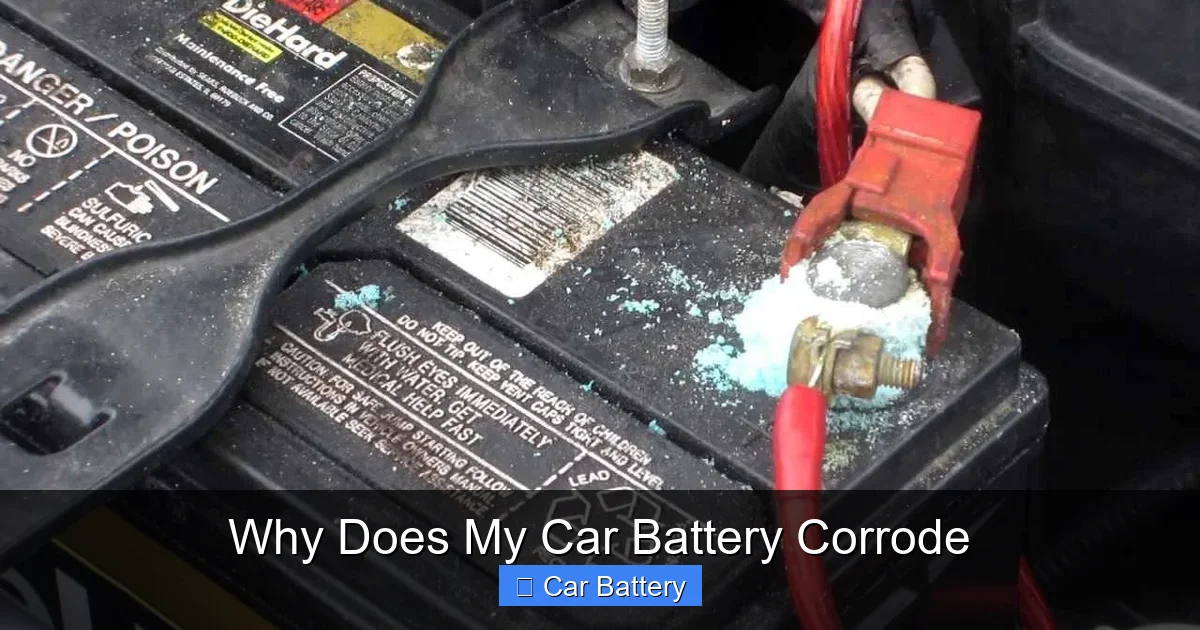
The most common sign is a powdery or flaky substance around the battery terminals. It can be white, green, blue, or even yellowish. White crust is often lead sulfate or ammonium carbonate. Green or blue deposits usually indicate copper sulfate, which forms when hydrogen gas reacts with copper connectors or cables.
This buildup tends to appear first on the positive terminal because it’s more chemically active. But don’t ignore the negative side—corrosion can spread.
Difficulty Starting the Car
Corrosion acts like an insulator. When it builds up between the terminal and the cable clamp, it blocks the flow of electricity. This means your starter motor doesn’t get the full power it needs to turn the engine over.
You might notice the engine cranks slowly, or it takes multiple tries to start. In cold weather, this problem gets worse because the battery is already working harder.
Dim Lights or Electrical Issues
If your headlights seem dimmer than usual, or your dashboard lights flicker, it could be a sign of poor electrical contact. Corrosion reduces the efficiency of the connection, so power isn’t delivered consistently.
You might also notice issues with power windows, radio, or other accessories. These problems often come and go, making them tricky to diagnose—but a corroded battery terminal could be the hidden cause.
Swelling or Leaking Battery Case
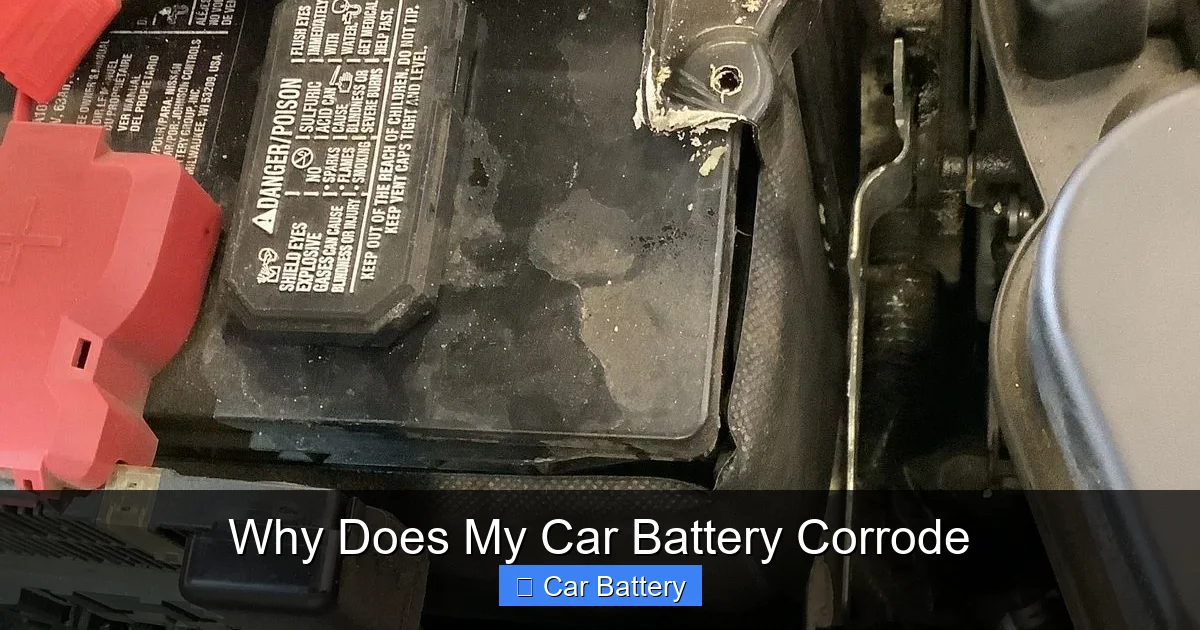
In severe cases, overcharging or internal pressure can cause the battery case to swell or even leak. You might see fluid around the base of the battery or smell a strong sulfur odor.
This is a serious issue. Leaking electrolyte is corrosive and can damage nearby parts, including the battery tray, cables, and even the car’s frame. If you see leaks, replace the battery immediately and clean the area thoroughly.
Battery Warning Light on Dashboard
Modern cars have a battery or charging system warning light on the dashboard. If it comes on, it could mean the alternator isn’t charging properly—or that the battery isn’t holding a charge due to corrosion or internal damage.
Don’t ignore this light. Have your charging system checked by a mechanic as soon as possible.
How to Clean and Prevent Battery Corrosion
Visual guide about Why Does My Car Battery Corrode
Image source: irp.cdn-website.com
The good news is that cleaning battery corrosion is simple—and prevention is even easier. With a few basic tools and regular maintenance, you can keep your battery terminals clean and your car running smoothly.
Cleaning Corroded Terminals
Before you start, safety first. Wear gloves and safety goggles. Battery acid and corrosion can irritate your skin and eyes.
Here’s how to clean it:
1. **Disconnect the battery:** Always remove the negative cable first, then the positive. This prevents accidental short circuits.
2. **Mix a cleaning solution:** Use one tablespoon of baking soda mixed with one cup of water. Baking soda neutralizes the acidic corrosion.
3. **Apply the solution:** Use an old toothbrush or wire brush to scrub the terminals and cable clamps. The mixture will fizz—that’s normal.
4. **Rinse and dry:** Wipe everything clean with a damp cloth, then dry thoroughly with a clean towel.
5. **Reconnect the battery:** Attach the positive cable first, then the negative. Make sure connections are tight.
For heavy buildup, you might need a commercial battery cleaner or a wire brush. Avoid using metal tools that could scratch the terminals.
Preventing Future Corrosion
Once your terminals are clean, take steps to keep them that way:
– **Apply terminal protectant:** Use a spray or grease designed for battery terminals. These products create a barrier that prevents moisture and air from reaching the metal.
– **Check connections regularly:** Every few months, inspect your battery for signs of buildup or loose cables.
– **Keep the battery secure:** Make sure the hold-down bracket is tight to reduce vibrations.
– **Avoid overcharging:** Have your alternator and voltage regulator checked during routine maintenance.
– **Use a battery maintainer:** If you don’t drive often, a trickle charger can keep the battery charged without overcharging.
When to Replace the Battery
If corrosion keeps coming back, or if your battery is more than three years old, it might be time for a replacement. A new battery with proper maintenance can last 5 years or more.
Look for batteries with sealed designs or built-in vent caps that reduce gas escape. Some modern batteries also have built-in hydrometers or charge indicators to help you monitor health.
Long-Term Maintenance Tips for a Healthy Battery
Preventing corrosion isn’t just about cleaning—it’s about creating habits that support long-term battery health. Here are some practical tips to keep your battery in top shape.
Regular Inspections
Make it a habit to check your battery every 3–6 months. Look for:
– Corrosion or buildup
– Cracks or swelling in the case
– Loose or frayed cables
– Low electrolyte levels (if applicable)
Even if everything looks fine, a quick visual check can catch problems early.
Keep It Clean and Dry
Moisture is a corrosion catalyst. After cleaning, make sure the battery tray and surrounding area are dry. If you live in a humid climate, consider using a battery box or cover to reduce exposure.
Drive Regularly
Batteries lose charge when sitting idle. If you don’t drive often, the battery can discharge, leading to sulfation and reduced capacity. Try to drive your car at least once a week for 20–30 minutes to keep it charged.
For long-term storage, use a battery maintainer or disconnect the negative cable.
Watch Your Electrical Load
Avoid using high-power accessories (like heated seats, powerful stereos, or phone chargers) when the engine is off. This drains the battery and increases the risk of deep discharge.
Also, turn off lights and accessories when you exit the car. A small drain over time can weaken the battery.
Get Professional Checkups
During oil changes or routine maintenance, ask your mechanic to test your battery and charging system. A load test can reveal hidden issues before they cause failure.
Most auto shops offer free battery checks—take advantage of them.
Conclusion: Stay Ahead of Corrosion
So, why does my car battery corrode? It’s a combination of natural chemical processes, electrical system issues, and environmental factors. But while corrosion is common, it doesn’t have to be a problem. With regular cleaning, proper maintenance, and attention to your car’s electrical health, you can prevent buildup and extend your battery’s life.
Remember, corrosion is more than just a cosmetic issue—it can lead to starting problems, electrical failures, and even safety hazards. By understanding the causes and taking simple preventive steps, you’ll save money, avoid breakdowns, and keep your car reliable.
Make battery care part of your routine. A few minutes every few months can make a big difference. Your car—and your peace of mind—will thank you.
Frequently Asked Questions
Why does my car battery corrode so quickly?
Rapid corrosion is often due to overcharging, extreme heat, or an aging battery. Faulty alternators or voltage regulators can push too much current, increasing gas release and heat, which accelerates corrosion.
Is battery corrosion dangerous?
Yes, corrosion can be hazardous. The substances are acidic and can irritate skin and eyes. In severe cases, leaking electrolyte can damage car parts or cause electrical shorts.
Can I drive with corroded battery terminals?
It’s not recommended. Corrosion blocks electrical flow, which can cause starting problems or leave you stranded. Clean the terminals as soon as possible.
How often should I clean my car battery?
Inspect your battery every 3–6 months. Clean it if you see buildup. Regular maintenance helps prevent corrosion and extends battery life.
Does cold weather cause battery corrosion?
Not directly, but cold weather weakens battery performance and increases strain on the charging system, which can lead to overcharging and, over time, corrosion.
Can I use vinegar to clean battery corrosion?
It’s not recommended. Vinegar is acidic and can damage terminals. Use a baking soda and water solution instead—it’s safe and effective at neutralizing corrosion.
