
Shelf Life of Car Battery

Understanding the shelf life of car battery is essential for vehicle reliability and cost savings. While most new batteries last 3–5 years in use, their shelf life before installation can range from 2–6 years depending on storage conditions and battery type. Proper handling and maintenance can significantly extend both shelf and operational life.
Key Takeaways
- Shelf life varies by battery type: Flooded lead-acid batteries last 3–5 years on the shelf, while AGM and lithium-ion batteries can last up to 6 years when stored properly.
- Storage conditions matter: Cool, dry environments (ideally 50–70°F) slow self-discharge and prevent corrosion, extending shelf life.
- Self-discharge is inevitable: Even unused batteries lose charge over time—up to 5% per month in flooded batteries—so periodic recharging is necessary.
- Never install a fully discharged battery: A battery below 12.4 volts may suffer permanent damage and reduced lifespan.
- Check manufacture date before buying: Look for a date code on the label; avoid batteries older than 6 months from the production date.
- Maintenance extends life: Keep terminals clean, avoid extreme temperatures, and use a trickle charger if storing a vehicle long-term.
- Signs of a dying battery: Slow engine crank, dim lights, or warning lights on the dashboard indicate it’s time for replacement.
📑 Table of Contents
- What Is the Shelf Life of a Car Battery?
- Factors That Affect Car Battery Shelf Life
- How Long Do Different Types of Car Batteries Last on the Shelf?
- How to Maximize the Shelf Life of Your Car Battery
- Signs Your Battery Has Reached the End of Its Shelf Life
- Should You Buy a Battery That’s Been on the Shelf?
- Conclusion
What Is the Shelf Life of a Car Battery?
When you pop the hood of your car and see that familiar rectangular box with two terminals, you’re looking at one of the most critical—and often overlooked—components of your vehicle: the car battery. But how long does it actually last, especially if it’s just sitting on a shelf waiting to be installed? The shelf life of car battery refers to how long a battery can be stored before it begins to degrade in performance or becomes unusable. This is different from its operational life, which is how long it lasts once installed and powering your vehicle.
Most people assume that a brand-new battery will work perfectly no matter how long it’s been sitting in a warehouse or auto parts store. Unfortunately, that’s not the case. Even when not in use, car batteries slowly lose their charge due to a natural process called self-discharge. Over time, this can lead to sulfation—a buildup of lead sulfate crystals on the plates—which reduces the battery’s ability to hold a charge. The good news? With proper storage and handling, you can maximize the shelf life of your car battery and ensure it’s ready to go when you need it.
Factors That Affect Car Battery Shelf Life
Not all car batteries are created equal, and several key factors influence how long they’ll last before installation. Understanding these can help you make smarter purchasing and storage decisions.
Visual guide about Shelf Life of Car Battery
Image source: evcitycars.in
Battery Chemistry and Type
The type of battery plays a major role in its shelf life. The three most common types are flooded lead-acid, absorbed glass mat (AGM), and lithium-ion.
- Flooded lead-acid batteries: These are the most common and affordable. They typically have a shelf life of 3–5 years when stored properly. However, they self-discharge faster than other types—losing about 4–5% of their charge per month.
- AGM batteries: Designed for high-performance vehicles and start-stop systems, AGM batteries have lower self-discharge rates and can last 5–6 years on the shelf. They’re also more resistant to vibration and temperature extremes.
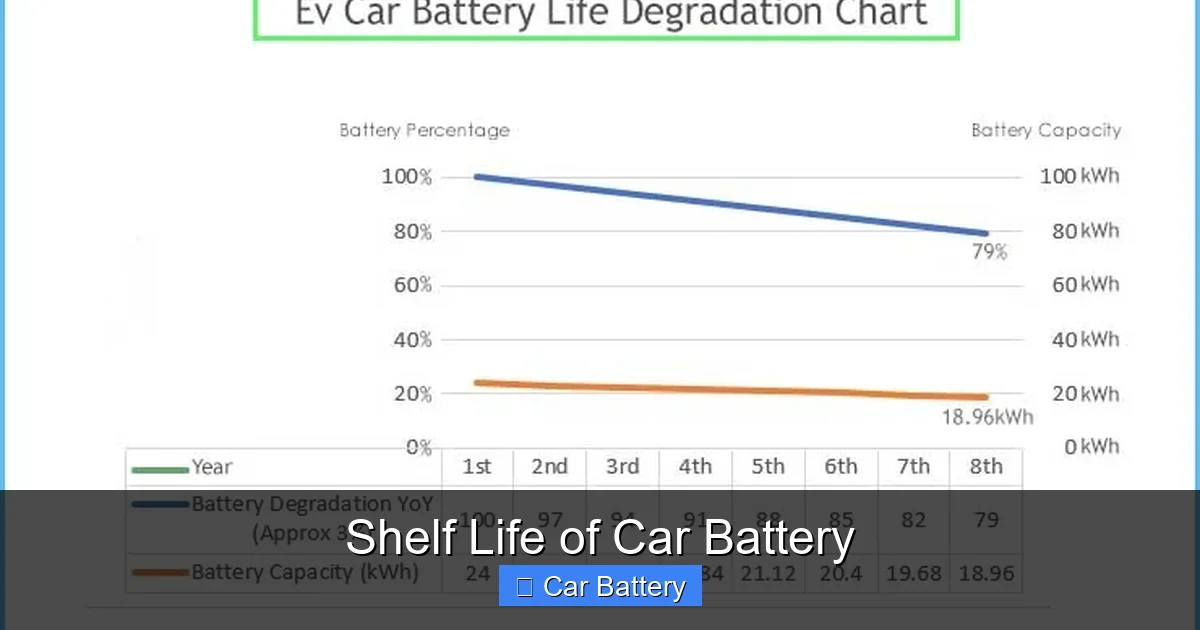
- Lithium-ion batteries: While less common in traditional cars, lithium-ion batteries (used in hybrids and EVs) have an impressive shelf life of up to 10 years. However, they require specialized handling and are more expensive.
For example, if you buy a flooded battery that’s been sitting in a hot warehouse for two years, it may already be halfway through its usable shelf life—even though it looks brand new.
Storage Temperature and Environment
Heat is the enemy of battery longevity. High temperatures accelerate chemical reactions inside the battery, speeding up self-discharge and corrosion. Conversely, cold temperatures slow down these processes, which is why storing batteries in a cool, dry place is ideal.
Experts recommend storing car batteries at temperatures between 50°F and 70°F (10°C to 21°C). Avoid garages that get extremely hot in summer or basements that are damp and humid. Moisture can cause terminal corrosion, which leads to poor connections and reduced performance.
Imagine storing a battery in a metal shed in Arizona during July—temperatures can soar past 120°F. In such conditions, a battery could lose up to 1% of its charge per day, drastically shortening its shelf life.
State of Charge at Time of Storage
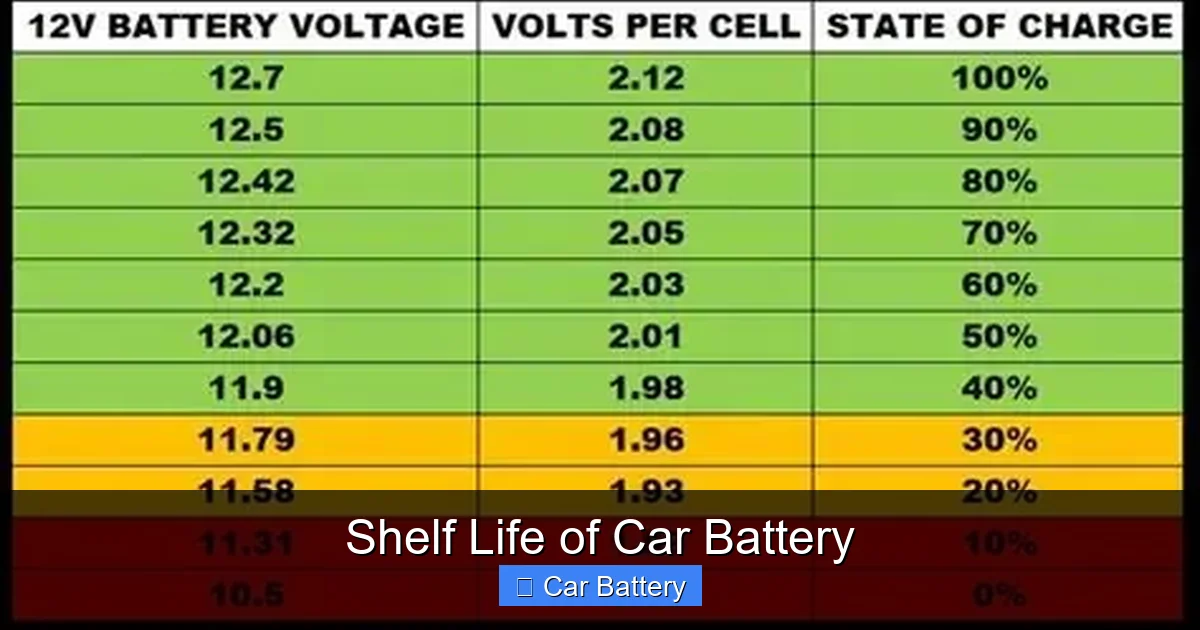
A battery’s charge level when stored has a huge impact on its longevity. A fully charged battery (around 12.6–12.8 volts) will last much longer on the shelf than one that’s partially or fully discharged.
Why? Because a low state of charge increases the risk of sulfation. When a battery sits discharged for too long, lead sulfate crystals form and harden on the plates, making it difficult—or impossible—to recharge. This is why it’s crucial to recharge a battery every 3–6 months if it’s in storage.
For instance, if you buy a battery and don’t install it for a year, check its voltage. If it’s below 12.4 volts, it may already be damaged and not worth installing.
How Long Do Different Types of Car Batteries Last on the Shelf?
Now that we’ve covered the factors, let’s break down the typical shelf life for each battery type under ideal storage conditions.
Visual guide about Shelf Life of Car Battery
Image source: car-motor-oil.com
Flooded Lead-Acid Batteries
These are the workhorses of the automotive world. Found in most gasoline-powered cars, they’re reliable but require more maintenance. On the shelf, a flooded battery can last 3–5 years if stored properly. However, after 2 years, you should test its voltage and recharge it if needed. After 5 years, even a stored battery may not hold a charge well enough to start a car.
AGM Batteries
AGM batteries are sealed, maintenance-free, and designed for modern vehicles with advanced electronics. Thanks to their lower self-discharge rate (about 1–3% per month), they can last 5–6 years on the shelf. This makes them a great choice if you’re buying a spare or storing a battery for seasonal use.
Lithium-Ion Batteries
While not standard in most conventional cars, lithium-ion batteries are becoming more common in hybrids and electric vehicles. They have a much longer shelf life—up to 10 years—and lose only about 2% of their charge per month. However, they’re sensitive to overcharging and require a battery management system (BMS) to stay safe.
Let’s say you’re storing a spare AGM battery for your RV. If you keep it in a climate-controlled garage and recharge it once a year, it could still be in excellent condition after 5 years. But a flooded battery under the same conditions might only last 3–4 years.
How to Maximize the Shelf Life of Your Car Battery
You don’t have to accept a short shelf life. With a few simple steps, you can keep your battery in top shape—even before it’s installed.
Visual guide about Shelf Life of Car Battery
Image source: autozonic.com
Store in a Cool, Dry Place
Avoid attics, sheds, or areas near heaters. Instead, choose a basement, closet, or climate-controlled room. Use a battery box or plastic container to protect it from moisture and physical damage.
Check and Recharge Regularly
Even unused batteries need attention. Every 3–6 months, use a multimeter to check the voltage. If it drops below 12.4 volts, recharge it with a smart charger. Smart chargers prevent overcharging and can even desulfate mildly damaged batteries.
Keep Terminals Clean
Dust and corrosion can build up on the terminals, leading to poor conductivity. Wipe them with a dry cloth and apply a thin layer of petroleum jelly or terminal protector spray to prevent oxidation.
Buy Fresh Batteries
Always check the manufacture date before buying. Most batteries have a date code stamped on the label—usually a letter for the month (A=January, B=February, etc.) and a number for the year. For example, “C23” means March 2023. Avoid batteries older than 6 months from the production date.
Use a Trickle Charger for Long-Term Storage
If you’re storing a vehicle (like a classic car or motorcycle) for months, connect a trickle charger or battery maintainer. These devices provide a low, steady charge to keep the battery at optimal levels without overcharging.
Signs Your Battery Has Reached the End of Its Shelf Life
Even with the best care, batteries don’t last forever. Here’s how to tell if a stored battery is still usable.
Low Voltage
Use a multimeter to check the voltage. A healthy battery should read 12.6 volts or higher when fully charged. If it’s below 12.0 volts, it’s likely sulfated and may not hold a charge.
Swollen or Leaking Case
Physical damage like bulging sides or cracks indicates internal failure. This can be caused by overcharging, freezing, or age. Never install a damaged battery—it could leak acid or even explode.
Strong Sulfur Smell
A rotten egg odor near the battery suggests a leak or internal short. This is dangerous and requires immediate disposal.
Failed Load Test
If you’re unsure, take the battery to an auto parts store. They can perform a load test to see if it can deliver enough power to start an engine. Most stores do this for free.
For example, you find an old battery in your garage. It’s been there for 4 years. You check the voltage—it’s 11.8 volts. Even after charging, it drops quickly. This battery has likely reached the end of its shelf life and should be recycled.
Should You Buy a Battery That’s Been on the Shelf?
It’s tempting to grab a discounted battery that’s been sitting in the back of the store. But is it worth it? The answer depends on how old it is and how it was stored.
If the battery is less than 6 months old and stored in a cool, dry place, it’s probably fine. But if it’s over a year old—especially a flooded type—it may already be losing capacity. Always ask for the manufacture date and inspect the terminals for corrosion.
When in doubt, choose a fresher battery. A few extra dollars now can save you from a dead car and emergency jump-start later.
Conclusion
The shelf life of car battery isn’t just a technical detail—it’s a practical concern that affects your wallet, your safety, and your peace of mind. While most batteries last 3–5 years on the shelf, their actual lifespan depends on type, storage conditions, and maintenance. By understanding how self-discharge, temperature, and sulfation work, you can make smarter choices when buying and storing batteries.
Remember: a battery that’s been sitting too long isn’t just weak—it could be dangerous. Always check the date, keep it charged, and store it properly. Whether you’re prepping for winter, storing a classic car, or just keeping a spare on hand, these tips will help you get the most out of your investment. After all, there’s nothing worse than turning the key and hearing nothing but silence.
Frequently Asked Questions
How long can a car battery sit on the shelf before it goes bad?
A car battery can typically sit on the shelf for 3–5 years, depending on its type and storage conditions. Flooded batteries last about 3–5 years, while AGM batteries can last up to 6 years when stored properly.
Can you revive a car battery that’s been sitting for years?
It depends. If the battery is only slightly discharged, a smart charger may restore it. However, if it’s deeply discharged or sulfated, it’s unlikely to recover fully and should be replaced.
Does a car battery expire if not used?
Yes. Even unused batteries lose charge over time due to self-discharge. Without periodic recharging, they can become sulfated and unusable, effectively “expiring” before their time.
What temperature is best for storing a car battery?
The ideal storage temperature for a car battery is between 50°F and 70°F (10°C to 21°C). Avoid extreme heat or cold, as both can accelerate degradation.
How often should I recharge a battery in storage?
Check and recharge a stored battery every 3–6 months. Use a multimeter to test voltage; if it drops below 12.4 volts, recharge it with a smart charger.
Is it safe to install an old battery?
Only if it passes a voltage and load test. Batteries older than 2 years should be tested before installation. If they show signs of damage or low voltage, replace them for safety and reliability.
