
How to Make a Car Cover Last Longer: 7 Practical Care Tips

Quick Answer
To make a car cover last longer, choose the right material for your parking conditions, install it on a clean and dry vehicle, secure it against wind, and clean it according to the manufacturer’s instructions. Dry the cover completely before storage, protect it from sharp objects and harsh chemicals, and inspect its seams and elastic regularly. For additional paint-care guidance, see Consumer Reports’ car maintenance resources.
Seven habits that extend cover life
- Choose correctly: Match the cover’s material and construction to indoor or outdoor parking.
- Prepare the vehicle: Remove dirt and let wet paintwork dry before covering the car.
- Prevent movement: Use the correct size and secure the intended straps to limit wind-driven rubbing.
- Clean gently: Follow the care label instead of using unapproved detergents or aggressive washing.
- Dry thoroughly: Check seams, hems, pockets, and thicker panels before packing the cover away.
- Store carefully: Keep the cover clean, dry, loosely folded, and away from damaging heat or sharp edges.
- Inspect regularly: Find loose stitching, worn elastic, and small tears before they spread.
The most important rule
- Keep both the vehicle and the cover’s paint-contact surface clean, because trapped grit and repeated rubbing can damage the finish.
A car cover can protect your daily driver from dust, sunlight, bird droppings, and other environmental messes, but the cover itself needs care. If you want yours to last longer, a few simple habits can prevent avoidable wear.
I’ve always considered fit, cleanliness, and storage the three areas worth checking first. In this guide, I’ll explain how to choose a suitable cover, prevent premature damage, clean it safely, and recognize when replacement makes more sense than another repair.
In This Guide
- Why Do Car Covers Wear Out Before Their Time?
- How Do You Choose a Car Cover That Lasts Longer?
- How Should You Install and Use a Car Cover?
- How Do You Clean a Car Cover Without Damaging It?
- How Can You Protect a Car Cover From Weather Damage?
- How Should You Dry, Fold, and Store a Car Cover?
- How Often Should You Inspect or Replace a Car Cover?
- Frequently Asked Questions
Why Do Car Covers Wear Out Before Their Time?
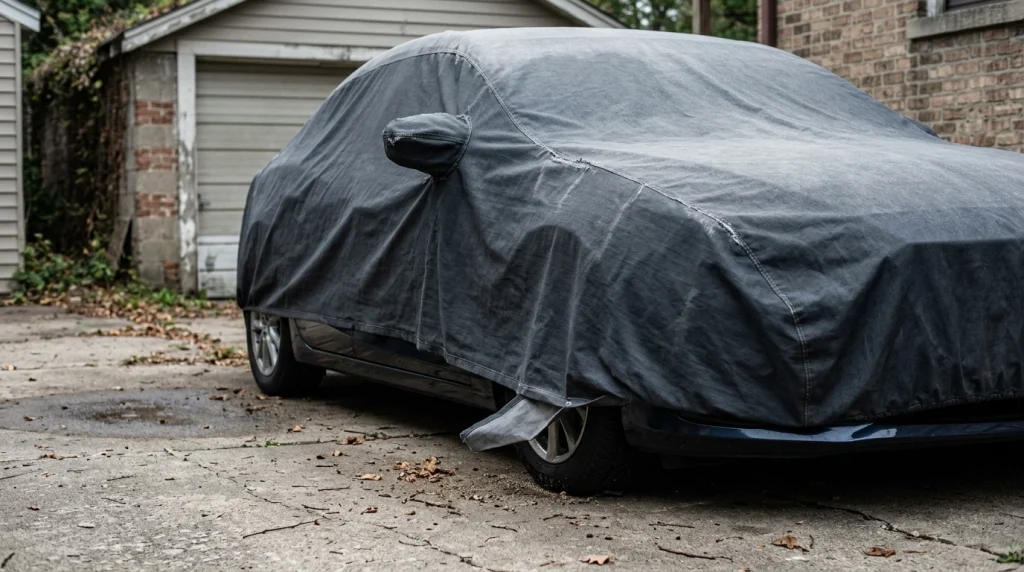
Car covers usually wear out faster when they experience repeated friction, unsuitable weather exposure, improper cleaning, or poor storage. Identifying the source of wear helps you protect the material instead of repeatedly fixing the same problem.
What actually damages a car cover?
A car cover is a removable protective layer designed to shield a parked vehicle from environmental exposure and surface contamination. Depending on its construction, it may use woven fabric, nonwoven material, waterproof coatings, multiple layers, or a soft inner lining.
These materials don’t all respond to weather and cleaning in the same way. A cover designed for a garage may deteriorate quickly when exposed to strong sunlight, heavy rain, and constant wind.
- UV exposure: Prolonged sunlight can fade fabric and degrade some fibers, coatings, and elastic components.
- Wind movement: A loose cover can flap repeatedly against paint, mirrors, trim, and its own seams.
- Trapped dirt: Dust and grit between the cover and vehicle can cause abrasion during movement.
- Excess moisture: Poor drying and damp storage can encourage musty odors and mildew.
- Harsh cleaning: Unapproved detergents, bleach, strong solvents, or excessive heat may damage certain materials.
- Rough handling: Dragging fabric across concrete, pulling hard on elastic, or catching it on sharp edges can cause tears.
Does a more expensive cover always last longer?
Not necessarily. Material quality matters, but the cover’s intended environment, fit, construction, and maintenance habits also influence its useful life.
A premium indoor cover may perform poorly outdoors if its fabric isn’t designed for weather exposure. Likewise, an outdoor cover can be unnecessarily bulky for a clean, dry garage.
Before buying or replacing one, consider where the vehicle spends most of its time. A realistic match between the cover and your parking conditions is more useful than relying on a product’s price or thickness alone.
Section takeaway: Most preventable wear comes from friction, unsuitable exposure, contamination, and poor care. Fixing those conditions is the first step toward extending cover life.
How Do You Choose a Car Cover That Lasts Longer?
Choose a cover made for your parking environment, sized for your vehicle, and constructed with materials suited to your local conditions. The right design reduces unnecessary strain and makes regular maintenance easier.
Which car cover material is best for longevity?
There isn’t one universally best material. Breathability, water resistance, softness, UV resistance, and abrasion resistance vary by product, so check the manufacturer’s specifications rather than judging by fabric thickness alone.
The following comparison explains common design trade-offs. It describes general material characteristics, not guaranteed performance for every product.
| Cover type | Typical strengths | Main limitation | Best fit |
|---|---|---|---|
| Indoor fabric cover | Soft contact surface and convenient dust protection | May lack the weather resistance needed outdoors | Clean, sheltered garages |
| Outdoor weather-resistant cover | Designed for environmental exposure when properly specified | Wind, abrasion, and moisture management still matter | Driveways and exposed parking spaces |
| Multilayer cover | Can combine several protective functions in one design | May be heavier and require more drying space | Conditions addressed by its specific design |
| Lightweight dust cover | Easy handling and compact storage | May offer limited protection from rain or wind | Indoor or other manufacturer-approved settings |
Why does the fit matter so much?
A well-fitted cover sits securely without excessive tension across mirrors, bumpers, antennas, and other protruding features. The correct size also reduces loose fabric that can flap in the wind.
A cover that’s too small may stretch its seams and elastic every time you install it. One that’s too large can bunch up, drag on the ground, or move against the paint.
Before ordering, check the manufacturer’s vehicle fit guide. Confirm your vehicle’s body style and model year, because a sedan, hatchback, SUV, and pickup may need different patterns.
What features should you check before buying?
- Material compatibility: Confirm that the cover suits indoor or outdoor parking.
- Inner surface: Look for a vehicle-facing layer appropriate for your paint finish and use case.
- Secure fit: Check for suitable elastic hems, straps, or other retention features.
- Weather performance: Read the actual water-resistance and breathability claims rather than assuming the cover is completely waterproof.
- Care instructions: Make sure you can follow the recommended cleaning and drying routine.
- Warranty terms: Review exclusions for misuse, environmental damage, and ordinary wear.
For additional perspective on protecting exterior finishes, Consumer Reports’ car-care resources offer broader guidance on cleaning and maintaining a vehicle.
Section takeaway: Match the material and fit to your parking conditions. A cover that suits your vehicle and environment is easier to maintain and less likely to suffer avoidable stress.
How Should You Install and Use a Car Cover?
Install a car cover on a clean, dry vehicle, then secure it according to the manufacturer’s instructions. Correct installation reduces abrasion, prevents unnecessary strain, and helps keep the cover in place during changing conditions.
Should you wash your car before covering it?
Yes, when the vehicle has accumulated dirt, grit, or other contamination that could become trapped underneath the cover. Even a soft lining can rub abrasive particles against paint when the cover moves.
You don’t need a full detailing session before every use. The goal is to remove loose contamination and avoid covering wet or visibly dirty surfaces.
- Inspect the roof, hood, trunk, and upper body panels for dust and debris.
- Remove grit and loose dirt using a suitable vehicle-cleaning method.
- Check that the paintwork is dry before installation.
- Inspect the cover’s inner surface for dirt, rough areas, or damaged lining.
- Place the cover gently over the vehicle without dragging it across the ground.
If the car has just been driven, allow hot body panels to cool before covering it. Follow any temperature-related precautions provided by the cover manufacturer.
How can you stop wind from damaging the cover?
Use a cover that fits correctly and engage its intended retention system. Wind-driven movement can repeatedly pull at seams, stretch elastic, and rub fabric against the vehicle’s finish.
- Position the front and rear sections correctly before tightening anything.
- Seat the elastic hem as designed instead of pulling it excessively.
- Fasten supplied straps and buckles according to the instructions.
- Check that straps aren’t twisted, trapped, or rubbing against sharp edges.
- Recheck the fit after strong winds or major weather changes.
Don’t add improvised ropes or tight cords that concentrate pressure on the fabric. If the supplied fastening system cannot keep the cover secure, check the size and compatibility before using it in exposed conditions.
Can you leave a car cover on every day?
That depends on the cover, the vehicle’s condition, and the parking environment. Daily use can be practical, but frequent installation and removal increase handling, folding, and friction.
Keep the routine gentle. Remove the cover without dragging it across the paint, and inspect the contact surface periodically for trapped dirt.
If the vehicle stays outdoors through frequent rain, high humidity, or strong winds, check both the cover and the car more often. A cover isn’t a substitute for monitoring moisture or correcting an unsuitable parking setup.
Section takeaway: Clean contact surfaces, gentle handling, and a secure fit prevent many common forms of damage. Avoid installing the cover over grit or letting loose fabric flap against the paint.
How Do You Clean a Car Cover Without Damaging It?
Clean a car cover using the method and products approved for its specific fabric. Gentle cleaning removes contamination, while unsuitable detergents, aggressive scrubbing, or excessive heat can shorten the life of some materials.
How often should you wash a car cover?
There’s no universal washing interval for every cover. Clean yours when it becomes visibly dirty, develops contamination that needs removal, or reaches the cleaning interval specified by its manufacturer.
A cover used beneath trees may collect sap, pollen, and bird droppings more quickly than one stored in a clean garage. Dusty roads and construction areas can also increase the need for cleaning.
Frequent washing isn’t automatically better. Unnecessary wash cycles add handling and may wear certain fabrics or coatings over time.
What is the safest way to wash a car cover?
Start by reading the care label, then follow its permitted washing method. Some covers allow machine washing, while others require hand washing or a particular cleaner.
- Remove loose debris: Shake or gently brush off leaves, dust, and loose dirt.
- Check the instructions: Confirm the allowed detergent, water temperature, machine type, and drying method.
- Choose the approved cleaner: Use the recommended mild detergent or specialist product.
- Wash gently: Avoid aggressive scrubbing and follow the specified cycle or hand-washing process.
- Rinse thoroughly: Remove cleaner residue from seams, folds, and layered sections.
- Dry completely: Follow the approved drying method before reinstalling or storing the cover.
For example, some covers tolerate a gentle machine cycle, but others can be damaged by the same treatment. Never assume that a household washing machine or tumble dryer is suitable without checking the label.
Which cleaning products should you avoid?
Avoid bleach, strong solvents, abrasive cleaners, and unapproved fabric treatments. These products may affect dyes, protective coatings, waterproofing, stitching, or the inner lining.
- Bleach: Can discolor or damage certain materials.
- Strong solvents: May affect coatings or synthetic fibers.
- Fabric softener: Can leave residues and may be unsuitable for some protective fabrics.
- High heat: Can shrink, deform, or damage materials that aren’t designed for it.
- Aggressive brushes: May roughen the surface or weaken delicate fibers.
Don’t apply waterproofing sprays or other coatings unless the manufacturer specifically approves them. A treatment that works on one fabric may interfere with another material’s performance.
For general exterior-care principles, Car and Driver’s vehicle ownership and care resources provide additional background on maintaining everyday vehicles.
How should you remove bird droppings, sap, or mildew?
Address contamination promptly, but avoid aggressive spot treatments. First identify the affected material and check the manufacturer’s cleaning instructions.
- Bird droppings: Remove the contamination using the approved gentle cleaning method before it dries and becomes harder to remove.
- Tree sap: Don’t scrape hardened residue with sharp tools; use only a compatible cleaner recommended for the cover.
- Mildew or musty odor: Clean as directed, rinse thoroughly when required, and dry every section completely.
- Oil or chemical contamination: Check the care guidance before attempting removal, because solvents may spread the stain or damage the material.
If contamination remains deeply embedded or the fabric smells musty after proper cleaning, inspect it before putting it back on the car. Persistent odor, deteriorating coatings, or a rough inner surface may indicate that cleaning alone won’t restore safe use.
Section takeaway: Clean only when needed and follow the cover’s specific care instructions. Correct products, thorough rinsing, and suitable drying protect the material better than aggressive washing.
How Can You Protect a Car Cover From Weather Damage?
Reduce weather-related wear by matching the cover to the environment and limiting unnecessary exposure to wind, direct sunlight, standing water, and sharp debris. No cover is immune to environmental damage.
Does sunlight shorten a car cover’s life?
Prolonged ultraviolet exposure can degrade some fabrics, coatings, and elastic components. A cover intended for outdoor use may offer UV resistance, but its performance depends on the actual material and construction.
When practical, park in a sheltered area that suits the cover’s intended use. Avoid assuming that a heavy or dark-colored cover automatically provides better long-term resistance to sunlight.
Can rain and humidity damage a car cover?
Moisture management depends on the cover’s design, the weather, and the condition of the vehicle underneath. A water-resistant cover may limit direct rain exposure, but moisture can still collect through condensation or inadequate drying.
In humid conditions, inspect the vehicle and cover periodically instead of leaving them untouched for long periods. If moisture collects underneath, remove the cover when conditions allow and let both surfaces dry before reinstalling it.
Never assume that waterproof means breathable. Check the manufacturer’s specifications and select a cover suitable for the amount of rain and humidity your parking space experiences.
How can you prevent damage from wind, branches, and debris?
Keep the cover away from abrasive surroundings and secure it correctly whenever it’s installed. Repeated contact with branches, rough walls, or exposed hardware can wear holes into the fabric.
- Trim or avoid contact with low branches where practical.
- Keep the cover clear of sharp fence edges and protruding hardware.
- Remove loose debris before folding the cover.
- Check for stones, twigs, or grit trapped between the cover and vehicle.
- Inspect the cover after severe weather before using it again.
Don’t leave a damaged cover installed during a storm simply because you want to protect the paint. A loose flap or torn section may create more rubbing and strain than a properly secured, undamaged cover.
Should you use a car cover in every weather condition?
No. A cover is useful only when its design and condition suit the situation. In extreme wind, severe weather, or conditions that make secure installation impossible, removing the cover may be the safer choice for the vehicle’s finish.
Follow any weather limits in the manufacturer’s instructions. If the cover repeatedly shifts, traps moisture, or suffers damage in your parking environment, reassess the fit and cover type instead of relying on additional tightening.
Section takeaway: Choose a cover for your actual weather conditions and check it after exposure. Proper fit and sensible moisture control matter as much as the fabric itself.
How Should You Dry, Fold, and Store a Car Cover?
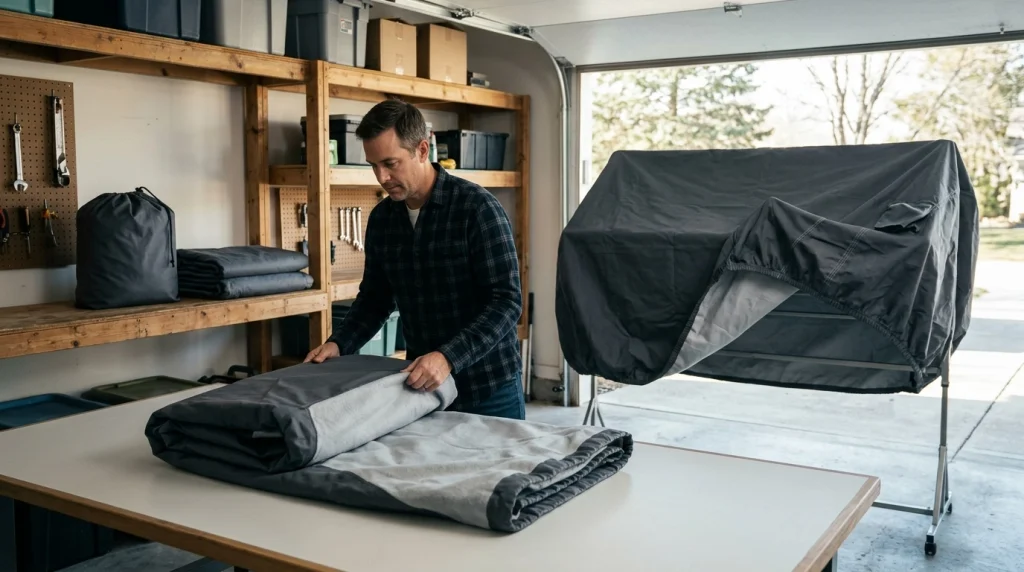
Store a car cover only after it is completely dry and free of loose debris. A clean, dry storage location protects the fabric from moisture, contamination, and unnecessary physical damage between uses.
How do you dry a car cover properly?
Spread or hang the cover in a clean, ventilated area where air can reach both sides. Follow the manufacturer’s drying instructions, particularly if the cover contains special coatings or multiple layers.
Don’t judge dryness by the largest panels alone. Seams, elastic hems, mirror pockets, straps, and reinforced sections can retain moisture longer than the main fabric.
Use this quick drying checklist:
- Remove excess water gently.
- Open folded sections so air can circulate.
- Keep the material away from dirty ground and sharp edges.
- Reposition the cover when needed so both sides can dry.
- Check thick seams and hems before packing it away.
Avoid high-temperature drying unless the manufacturer expressly allows it. If you’re uncertain about the permitted method, air drying in a suitable ventilated area is generally the more cautious option.
Should you fold or roll a car cover?
Either method can work when it follows the manufacturer’s instructions. The important points are to keep the inner surface clean, avoid excessive compression, and prevent the fabric from catching on sharp objects.
- Shake off loose debris before handling the cover.
- Keep the paint-contact surface away from dirty pavement.
- Fold or roll the fabric in manageable sections without forcing it.
- Keep straps, buckles, and accessories from cutting into the material.
- Place the bundle in its clean storage bag or another suitable container.
Don’t drag the cover across concrete to gather it into a bundle. That shortcut can transfer grit to the inner lining and create abrasion the next time you cover the vehicle.
Where should you store a car cover?
A clean, dry shelf or storage area protected from direct sunlight, standing water, and sharp objects is a sensible choice. The ideal location also limits dust, chemical exposure, and pests.
| Storage location | Advantages | What to watch for |
|---|---|---|
| Raised garage shelf | Convenient and away from floor debris | Dust, chemicals, and sharp tools nearby |
| Indoor closet | Protected from outdoor weather | Poor ventilation or damp conditions |
| Vehicle trunk | Easy access while traveling | Heat, dirty cargo, and accidental moisture |
| Shed or basement | Useful when space is limited | Humidity, pests, and temperature changes |
Keep the stored cover separate from fuel, oil, solvents, and other chemicals. Avoid placing heavy boxes on top or squeezing the fabric into a container that strains its seams.
For a more detailed walkthrough, consult this site’s guide to storing a car cover correctly. The same basic principles apply whether you’re putting the cover away overnight or for several months.
Section takeaway: Dry the entire cover, protect the inner lining, and store it in a clean, dry place. Correct storage prevents avoidable damage while the cover isn’t in use.
How Often Should You Inspect or Replace a Car Cover?
Inspect a car cover during routine installation and removal, with extra checks after severe weather, washing, or long-term storage. Replace it when damage or deterioration prevents it from fitting securely and protecting the vehicle safely.
What parts of a car cover should you inspect?
Focus on areas that experience tension, repeated contact, or frequent handling. A quick inspection can reveal developing problems before they spread across the material.
- Seams and stitching: Look for loose threads, opened seams, and separated panels.
- Elastic hems: Check whether the edges still hold their intended fit without excessive stretching.
- Straps and buckles: Inspect for fraying, cracks, missing parts, and damaged attachment points.
- Outer fabric: Look for holes, thinning, fading, or deteriorating coatings.
- Inner lining: Check for embedded grit, rough patches, mildew, or peeling material.
- Fit and shape: Confirm that the cover still sits properly over the vehicle.
Can you repair a torn car cover?
Small tears may be repairable when the manufacturer approves a compatible patch or repair method. The repair must suit the material and preserve the cover’s intended performance.
Don’t assume ordinary household tape or generic adhesive will work. Some products leave residue, damage coatings, or fail when exposed to sunlight, rain, and repeated movement.
Follow the manufacturer’s repair guidance and inspect the repaired area before returning the cover to regular use. A small tear in a low-stress area may be manageable, while extensive damage around a seam or fastening point may justify replacement.
When should you replace the cover instead of repairing it?
Replacement makes sense when the cover has widespread deterioration or can no longer stay clean, secure, and correctly fitted. Age alone doesn’t determine whether a cover remains usable.
- The fabric has numerous holes or thinning sections.
- Seams continue to separate despite an appropriate repair.
- Elastic or fastening components no longer hold the cover in place.
- The inner surface has become rough, damaged, or persistently contaminated.
- The cover repeatedly traps moisture or no longer suits the parking conditions.
If the cover leaves marks on the vehicle, stop using it until you identify the cause. Check for grit, damaged lining, moisture, and excessive movement before deciding whether cleaning, repair, or replacement is appropriate.
For wider vehicle-preservation advice, Edmunds’ car maintenance resources can help you consider the cover as one part of a broader care routine.
Section takeaway: Regular inspections help catch wear early, but a badly deteriorated cover shouldn’t remain in service just because it can still be pulled over the vehicle. Prioritize a secure fit and a clean, intact inner surface.
Frequently Asked Questions
How long should a car cover last?
There is no single lifespan that applies to every car cover. Material quality, fit, sunlight exposure, weather, frequency of use, cleaning, and storage all affect durability. Follow the manufacturer’s care guidance and judge the cover by its current condition rather than age alone.
Does washing a car cover make it wear out faster?
Repeated unnecessary washing can add wear, but leaving heavy contamination on the fabric can also create problems. Clean the cover when needed and use the approved detergent, washing method, and drying process for its specific material.
Can I leave my car cover on in the rain?
Only when the cover is designed for the conditions and can remain securely fitted. Water resistance, breathability, and weather suitability vary by product. Check the vehicle and cover periodically for trapped moisture, especially during prolonged rain or humid weather.
Is it safe to put a car cover on a dirty car?
It’s better to remove loose dirt and grit first. Contaminants trapped between the cover and paint can rub against the finish when wind or handling moves the fabric. Let the vehicle dry before covering it, and check the cover’s inner surface for debris.
Should I use fabric softener when washing a car cover?
Not unless the manufacturer specifically permits it. Fabric softener can leave residues and may be unsuitable for certain coatings or protective materials. Follow the care label and use only compatible cleaning products.
How should I store a car cover during winter or long-term parking?
Clean the cover when necessary, dry it completely, inspect its seams and fasteners, and fold or roll it without excessive compression. Store it in a clean, dry place away from sharp edges, chemicals, standing water, and pests.
Can a car cover scratch paint even if it is soft?
Yes, if dirt or grit becomes trapped between the cover and the vehicle. Wind-driven movement, rough or damaged lining, and dragging the cover across the body can also create abrasion. Keep both surfaces clean and use a properly fitted cover.
Final Takeaway: Protect the Cover to Protect Your Car
The best way to make a car cover last longer is to prevent avoidable wear before it starts. Choose the right design, keep the vehicle and cover clean, secure the fit, and follow the manufacturer’s care instructions.
Make these habits part of your normal parking routine:
- Check the vehicle and the cover’s inner surface before installation.
- Secure the cover correctly and limit unnecessary movement.
- Clean it only as needed, using approved products and methods.
- Dry it fully before storage, paying attention to seams and hems.
- Inspect for damage regularly and repair or replace the cover when necessary.
You don’t need special tools or a complicated maintenance schedule to protect a car cover. Consistent handling and proper storage can help you get more useful service from the cover while reducing the risk of preventable paint damage.