
How Often Should You Wash a Car Cover? A Practical Cleaning Guide

Quick Answer
Most car covers benefit from a thorough cleaning every one to three months, but the ideal schedule depends on dust, pollen, rain, bird droppings, and where you park. Clean the cover sooner whenever it becomes visibly dirty, develops an unpleasant smell, or collects debris that could scratch your vehicle. Always follow the manufacturer’s care instructions before washing.
Recommended cleaning schedule
- Indoor storage: Inspect monthly and wash when dust or grime accumulates.
- Outdoor parking: Inspect weekly and consider washing every two to four weeks in dusty or pollen-heavy conditions.
- After contamination: Remove bird droppings, tree sap, and other debris promptly, following the fabric’s cleaning instructions.
- After heavy rain: Check for trapped moisture and let the cover dry properly before storing it.
- Before storage: Clean and completely dry the cover to help prevent mildew and unpleasant odors.
The most important rule
- Check the care label before using a washing machine, detergent, pressure washer, or dryer.
- Never put a dirty cover back onto a clean vehicle if grit or abrasive debris remains on the inner surface.
A car cover protects your vehicle from dust, bird droppings, tree debris, and weather exposure, but the cover itself needs regular care. If dirt builds up on the fabric, moving the cover across the paint can introduce scratches.
In this guide, I’ll explain how often to wash different types of car covers, which warning signs matter most, and how to clean one without damaging its protective materials. The goal is a simple routine that keeps both your cover and your vehicle in better condition.
In This Guide
How Often Should You Wash a Car Cover?
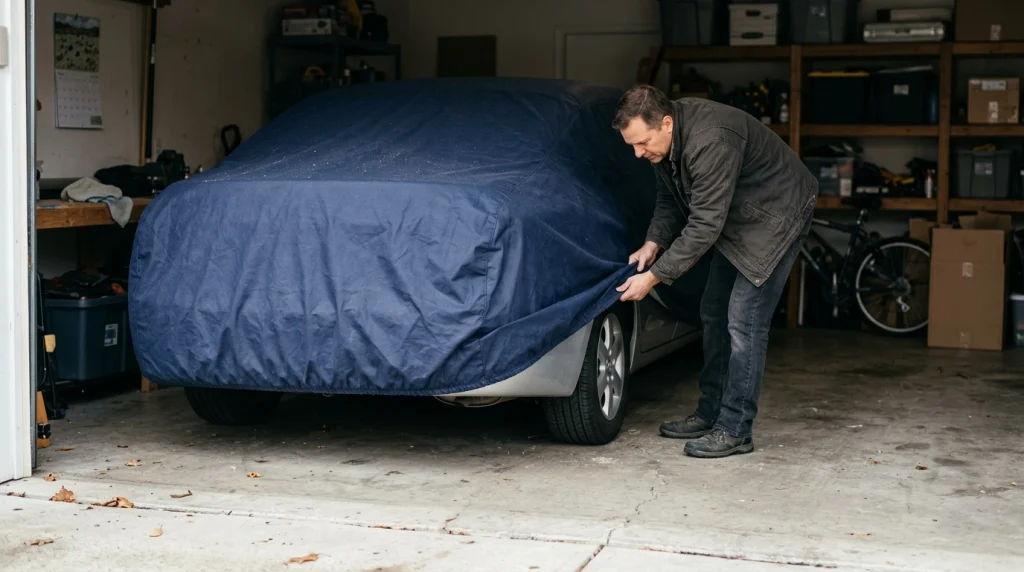
For many car owners, washing a car cover every one to three months is a reasonable starting point. However, the right interval depends on the material, storage environment, and amount of dirt the cover collects.
For cars parked indoors
A cover used inside a clean garage may need less frequent washing than one exposed to outdoor conditions. Monthly inspections can help you decide whether cleaning is necessary.
If the garage stays clean and dry, the cover may remain usable for several months without a full wash. Pay particular attention to the underside, where fine dust can collect unnoticed.
For cars parked outdoors
Outdoor covers generally need more frequent attention because they encounter windblown dust, pollen, leaves, rain, and bird droppings. In a dusty environment, inspect the cover weekly and consider cleaning it every two to four weeks if grime builds up.
That interval is a practical guideline, not a universal manufacturer requirement. A cover exposed to heavy pollen or construction dust may need attention sooner than one used in a relatively clean area.
For seasonal or occasional use
If you cover a classic car for winter storage or use a protective cover only on weekends, clean it before putting it away for an extended period. Check it again before the next use.
Do not wash a cover simply because a calendar reminder says it’s time. Inspect its surfaces and follow the manufacturer’s instructions to avoid unnecessary wear.
What Affects Car Cover Cleaning Frequency?
A car cover is a protective fabric barrier placed between the vehicle and its surroundings. Depending on its construction, it may resist water, block sunlight, repel dust, or provide protection against everyday environmental debris.
Cleaning frequency should reflect the conditions that affect that barrier, rather than relying on one fixed schedule for every vehicle.
Dust, pollen, and airborne particles
Fine particles can settle on the outside and work into the fabric. When you remove or reposition the cover, loose grit may move against the paint.
Spring pollen, nearby construction, unpaved roads, and dry weather can all increase the amount of debris a cover collects. Shake off loose dirt carefully and wash the cover when brushing or rinsing is no longer sufficient.
Rain, humidity, and moisture
Rain does not automatically mean a cover needs washing, but prolonged dampness can create problems. Moisture trapped between the cover and vehicle may contribute to mildew, odors, or corrosion risks in vulnerable areas.
After wet weather, check the cover and the vehicle’s surface. Follow the manufacturer’s guidance on drying and ventilation, especially if the cover is designed for outdoor use.
Bird droppings, tree sap, and other contaminants
Bird droppings and tree sap deserve prompt attention because they can be difficult to remove after drying. Depending on the material, harsh scrubbing or strong chemicals may damage the cover’s finish or protective treatment.
- Bird droppings: Remove carefully as soon as practical, using the recommended cleaning method.
- Tree sap: Avoid scraping aggressively or applying an unapproved solvent.
- Leaves and twigs: Clear them before removing or folding the cover.
- Road grime: Clean the affected area before dirt spreads across the fabric.
Fabric type and protective coatings
Different covers use different materials, seams, linings, and surface treatments. A lightweight indoor cover may have different care requirements from a multilayer outdoor cover.
Some fabrics tolerate machine washing, while others require hand washing or a specific cleaning product. The care label and manufacturer instructions should determine the method.
Section Takeaway: Clean according to the cover’s actual condition. Dust, contamination, moisture, and fabric construction matter more than a rigid calendar schedule.
What Are the Signs Your Car Cover Needs Washing?
The clearest sign is dirt that remains on the fabric after loose debris has been removed. Other warning signs include persistent odors, visible stains, and grime on the surface that touches your vehicle.
Inspect both sides whenever you remove the cover. The inner surface deserves special attention because it sits directly against the paint.
Check for these five warning signs
- Visible dust or grit: Dirt remains embedded in the fabric or appears along seams and folds.
- Bird droppings or sap: Sticky or dried contamination needs prompt, material-safe cleaning.
- Musty odors: A persistent smell may indicate trapped moisture or mildew.
- Dirty inner lining: Particles on the underside may rub against the paint when you install or remove the cover.
- Changed water behavior: Water begins soaking into fabric that previously repelled it, although this can also indicate worn-out water resistance.
One useful check is to inspect how water behaves on the fabric after cleaning and drying it. If the cover still absorbs water differently than before, consult the manufacturer before applying a new water-repellent treatment.
Does a dirty car cover scratch paint?
Yes, grit trapped between a cover and the vehicle can cause fine scratches when the fabric moves across the paint. This risk increases if you drag the cover over the roof, hood, or trunk while installing or removing it.
Washing helps remove embedded dirt, but it cannot eliminate every risk. Start with a reasonably clean vehicle, remove loose debris carefully, and avoid pulling a gritty cover across the finish.
How Do You Wash a Car Cover Safely?
The safest cleaning method depends on the cover’s material and manufacturer instructions. When the permitted method is unclear, do not assume that a household washing machine or ordinary laundry detergent is suitable.
For many covers, gentle hand washing is a practical option. It gives you more control over the fabric and reduces the risk of damage from an unsuitable washer.
What supplies do you need?
- A garden hose with a normal, gentle water flow.
- A bucket and clean sponge or soft brush.
- A mild, manufacturer-approved cleaning solution.
- A clean area where the cover can dry completely.
Follow these cleaning steps
- Read the care label. Confirm the permitted washing method, water temperature, detergent, and drying instructions.
- Remove loose debris. Shake the cover gently or brush away loose leaves and dust without grinding grit into the material.
- Choose a suitable washing location. Remove the cover from the vehicle unless its manufacturer specifically recommends cleaning it while fitted.
- Rinse before scrubbing. Use a gentle hose flow to loosen dirt and reduce the risk of rubbing abrasive particles into the fabric.
- Wash gently. Apply the approved cleaner with a soft sponge, following the product’s instructions and avoiding aggressive scrubbing.
- Clean both sides as directed. Pay attention to the inner surface, seams, hems, and areas where dirt accumulates.
- Rinse thoroughly. Remove all remaining cleaning solution, since residue can affect the fabric or its protective treatment.
- Air-dry completely. Follow the recommended drying method and check seams and folded areas for remaining moisture.
Do not assume that a particular detergent, solvent, or stain remover is safe for every cover. Some materials have special coatings or bonded layers that require specific care.
Can you machine-wash a car cover?
Some covers are machine-washable, but others can stretch, tear, shrink, or lose protective properties in a washer. The label should explicitly permit machine washing before you proceed.
| Cleaning method | When to use it | Main precaution |
|---|---|---|
| Gentle hand washing | When approved for the cover material | Avoid abrasive scrubbing and harsh cleaners. |
| Machine washing | Only when the care label permits it | Check washer type, cycle, temperature, and load capacity. |
| Spot cleaning | Small stains or isolated contamination | Test only with a compatible cleaner and method. |
| Gentle rinsing | Loose dust and light surface debris | Rinsing alone may not remove oily grime or sticky residue. |
Avoid using a pressure washer unless the manufacturer expressly approves it. Strong water pressure may damage delicate fabrics, seams, or coatings.
For additional guidance, compare your cover’s care label with the manufacturer’s published car cover care and cleaning instructions. Material-specific instructions should take priority over general advice.
What Cleaning Mistakes Should You Avoid?
Overwashing is not the only way to shorten a car cover’s life. The wrong cleaning product, excessive heat, or poor storage can also damage its material or reduce its protective performance.
Using harsh chemicals
Bleach, strong solvents, degreasers, and other aggressive cleaners may discolor fabric or damage its water-resistant treatment. Use only products approved for your particular cover.
Fabric softener is also a poor default choice because it may interfere with the performance of some water-repellent materials. Avoid it unless the manufacturer explicitly permits it.
Drying the cover with excessive heat
High heat can shrink some fabrics or damage coatings and bonded layers. Air drying is a sensible default when the care label does not authorize another method.
Make sure the fabric is dry throughout, including thick seams and elastic edges. A surface that feels dry can still hold moisture in folded areas.
Folding and storing a damp cover
Storing a wet cover traps moisture and creates conditions that encourage mildew and unpleasant odors. Clean the storage bag as needed, and put the cover away only when both are dry.
Putting the cover on a dirty car
A cover does not replace washing the vehicle itself. Dust, sand, and dried mud on the paint can become trapped under the fabric and rub against the finish.
Before covering your vehicle, inspect the paint and the cover’s inner lining. Remove loose contamination first and follow the manufacturer’s recommendations for handling the cover safely.
Section Takeaway: Gentle cleaning and complete drying are more important than washing as frequently as possible. Avoid harsh products, unauthorized machine cycles, and damp storage.
How Often Should Different Car Covers Be Cleaned?
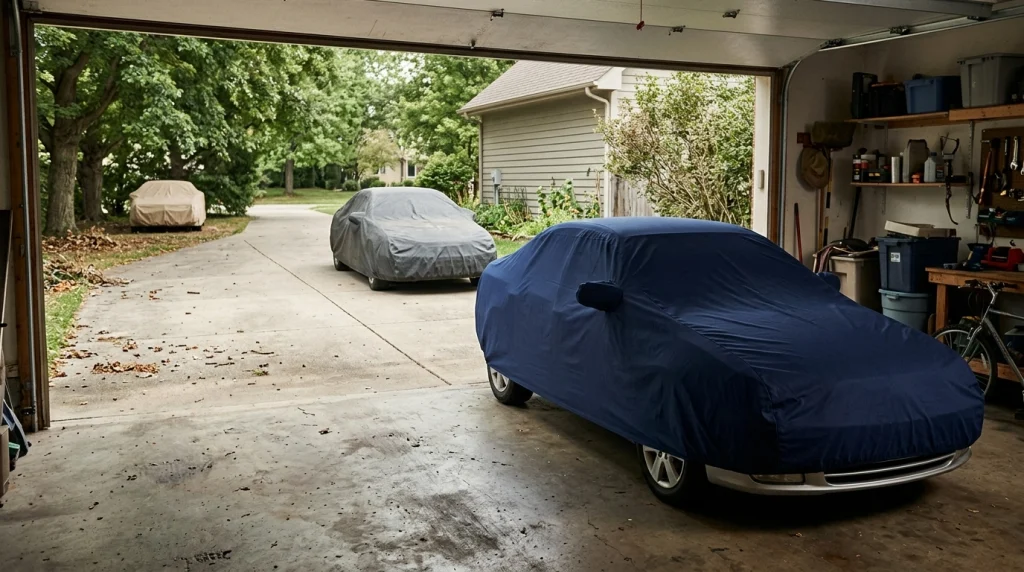
Indoor and outdoor covers face different conditions, so their cleaning needs can vary considerably. The following intervals are practical starting points rather than universal manufacturer specifications.
| Cover use | Suggested inspection | Possible washing interval |
|---|---|---|
| Clean indoor garage | Monthly | Every 6–12 months, or when dirty |
| Typical outdoor parking | Weekly | Every 1–3 months |
| Dusty roads or heavy pollen | Weekly or more often | Every 2–4 weeks if dirt builds up |
| Under trees or near frequent bird activity | Several times a week | As needed, with prompt spot cleaning |
| Long-term seasonal storage | Before covering and before reuse | Clean before storage when necessary |
These intervals are not guarantees that a cover will remain clean or effective until the next wash. A cover used outdoors in a dusty climate may need more attention, while a lightly used indoor cover may need very little cleaning.
For owners who want a straightforward routine, inspect the cover weekly, remove contamination promptly, and schedule a full wash when the material needs it. Review the instructions again before changing the cleaning method.
Frequently Asked Questions
Can I wash my car cover every week?
You can clean it more frequently when necessary, but a full wash every week is usually unnecessary for a cover that remains relatively clean. Repeated washing may add avoidable wear, so use inspections and the manufacturer’s instructions to decide when a complete wash is appropriate.
Should I wash my car cover after every rainstorm?
No, rain alone does not mean the cover needs washing. Check for mud, waterlogged dirt, contamination, and trapped moisture, then let the cover dry as directed. Wash it when residue builds up or the care instructions call for cleaning.
Can I use regular laundry detergent on a car cover?
Only if the cover manufacturer permits that detergent. Some covers need a specific cleaner or a mild product without additives that could affect the fabric. Avoid bleach and fabric softener unless the manufacturer expressly approves them.
How do I know when my car cover is too dirty?
Look for embedded grit, visible grime, sticky stains, persistent odors, and debris on the inner lining. If dirt remains after loose particles are removed, or the fabric’s water behavior changes, consult the manufacturer’s cleaning guidance.
Can I put a wet car cover back on my vehicle?
Follow the cover manufacturer’s instructions, but avoid trapping moisture against the vehicle for extended periods. Check the car’s surface and the cover for dampness, and allow adequate drying and ventilation to reduce the risk of mildew and moisture-related problems.
How should I store a car cover after washing it?
Let it dry completely before folding it loosely and placing it in a clean, dry storage bag or suitable container. Keep it away from excessive heat and direct sunlight during storage, and avoid sealing moisture inside the folded fabric.
Does washing a car cover restore its waterproofing?
Cleaning may improve water behavior when dirt is interfering with the fabric’s water resistance, but it cannot restore every worn coating. If the cover still absorbs water after appropriate cleaning and drying, consult the manufacturer before applying any additional treatment.
Final Takeaway: Follow the Condition, Not Just the Calendar
For most regularly used car covers, a wash every one to three months is a useful starting point. Indoor covers may need much less frequent cleaning, while dusty outdoor conditions and contamination can make earlier washing necessary.
The best routine is simple: inspect the cover regularly, remove bird droppings and other debris promptly, use the approved cleaning method, and dry the fabric completely before storage or reuse.
Before your next wash, check the manufacturer’s care label. That small step helps you protect the cover’s materials while reducing the chance of transferring grit onto your vehicle’s paint.
Note: Cleaning intervals in this guide are practical recommendations, not universal specifications. Always follow the instructions supplied with your specific car cover.