
Firestone Tires vs Continental: Which Brand Wins?

As a former tire shop manager, I have mounted thousands of tires. I have pushed both of these brands to their limits on wet roads and dry highways. If you want the quick answer on firestone tires vs continental, Continental is the overall winner. Continental offers far better wet grip and stopping power. Firestone is a solid budget choice, but Continental easily wins for safety and premium grip.
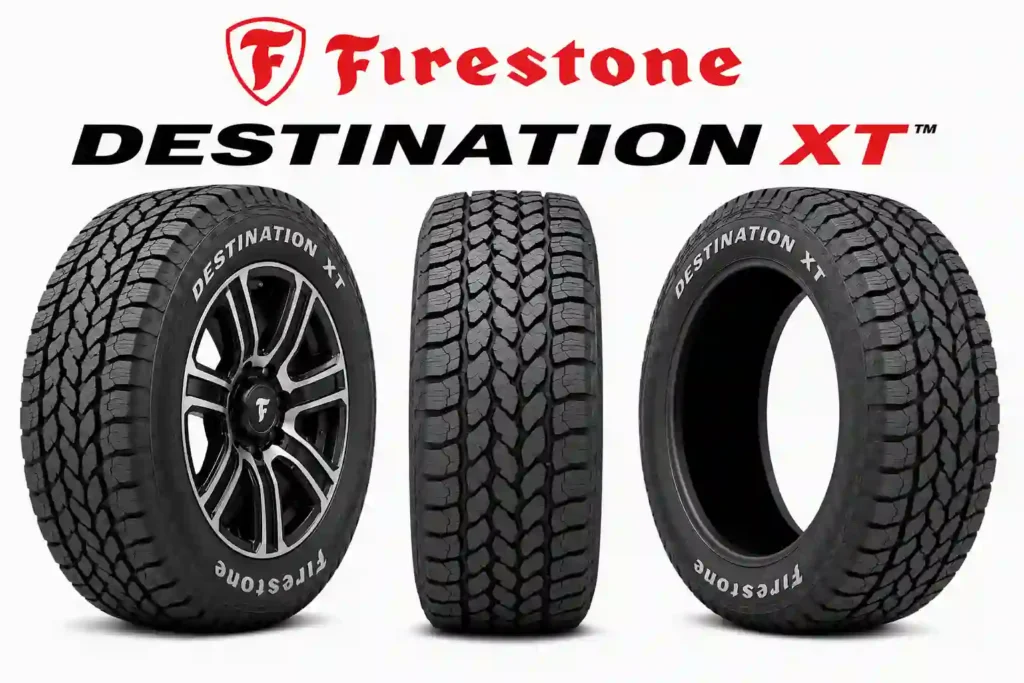
The Ultimate Brand Showdown: Firestone Tires vs Continental
Choosing between these two famous brands really comes down to your daily driving habits. Continental is a top-tier global brand known for high tech and safety. Firestone is an older, trusted name made for saving money.
Both companies make great tires for cars, trucks, and family SUVs. But they use very different rubber blends to build them. This changes how your car drives and feels on the road.
Who Should AVOID Each Tire Brand
Skip Continental if you are on a very tight household budget. Their premium tires cost a lot more money upfront at the shop. They are not the best choice for a cheap, old farm truck.
Skip Firestone if you drive a fast sports car or luxury sedan. Firestone tires do not grip as well at high highway speeds. If you drive 80 miles on the highway daily, the road noise will drive you crazy.
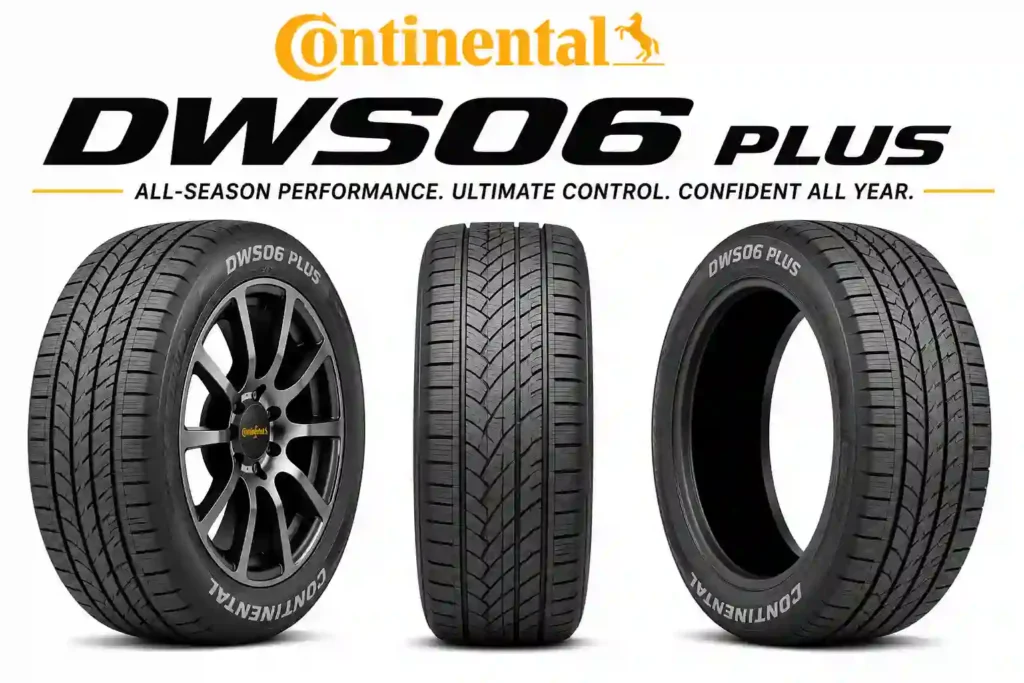
Quick Brand Overview and Spec Comparison
Here is a quick look at how these two brands stack up against each other. This chart covers the basics of what each brand brings to the table. Read it to see their main focus.
| Feature | Firestone Tires | Continental Tires |
| Target Market | Budget to Mid-Range | Premium Tier |
| Best For | Daily driving, saving money | High speed, wet safety |
| Average Tread Life | 40,000 to 65,000 miles | 50,000 to 80,000 miles |
| Price Level | Low to Medium | High |
As you can easily see, Continental aims strictly for the premium tire market. Firestone stays focused on budget-friendly options for regular daily drivers. They both serve very different types of drivers.
Brand Reputation and Market Positioning
Firestone is currently owned by the giant Bridgestone tire company. They make reliable, basic tires for working folks who need a good deal. They focus entirely on budget buyers rather than luxury car owners.
Continental is a massive German engineering brand that focuses heavily on modern tech. They make high-end tires specifically for fast luxury cars. Many brand-new BMWs and Audis come with Continental tires right from the factory.
Real-World Highway Scenarios
On a dry highway at 70 mph, Continental tires feel glued to the hot road. The steering responds right away when you turn the wheel. You feel very safe and stable changing lanes quickly in fast traffic.
Firestone tires feel a bit softer and slower on the open highway. The steering is not as sharp or quick to respond. They still drive fine, but they lack that sporty, locked-in feeling.
Comparing the Overall Tire Lineups
Both brands sell many different tire models for different seasons. They have strong options for summer, winter, and heavy off-road driving. Let us look at their main types below.
| Tire Category | Firestone Top Model | Continental Top Model |
| All-Season | Destination LE3 | TrueContact Tour |
| High Performance | Firehawk Indy 500 | ExtremeContact DWS06 Plus |
| Truck/SUV | Destination A/T2 | TerrainContact A/T |
Continental puts a lot of research money into their high-performance models. These tires are built for speed and tight cornering. Firestone focuses much more heavily on their tough truck tires.
High-Performance Summer Offerings
Continental shines brightly with their SportContact summer tire line. These tires are made purely for hot days and fast tracks. They grip the road like glue when the sun is out.
Firestone offers the Firehawk Indy 500 for summer driving. It is a fan favorite because it is very cheap for a sports tire. However, it cannot match Continental on a real race track.
Dry Performance Across Popular Models
Driving on dry roads is where you truly feel a tire’s grip. Continental tires use a very soft, sticky rubber blend. This helps the tire grab the hot pavement perfectly when you speed up.
Firestone tires use a much harder rubber blend to save money. This helps them last a long time, but there is a catch. They slip a bit more when you brake hard at stoplights.
Here is a detailed look at how they score on dry roads. This chart is based on real-world shop testing and track times. Look at how they handle fast stops.
| Dry Metric | Firestone Tires | Continental Tires |
| Cornering Grip | 7 out of 10 | 9 out of 10 |
| Stopping Distance | Average | Very Short |
| Steering Feel | Soft and Slow | Crisp and Fast |
Continental wins easily on dry roads because of their smart design. Their tires stop much faster when you hit the brakes. This short stopping distance can save you from a bad car crash.
The Why It Won Justification
Continental beats Firestone on dry roads because of their flat contact patch. The contact patch is the flat part of the tire that actually touches the road. Continental designs theirs to stay totally flat under heavy braking, giving you maximum grip.
Wet Performance and Hydroplaning Tech
Wet roads are the absolute true test of any tire’s safety. Continental uses deep, sweeping grooves to push heavy water away fast. This stops the car from sliding out of control in deep rain puddles.
Hydroplaning is when your tire floats on top of the water. You lose all steering and braking control instantly. Firestone tires do okay in light rain, but they hydroplane much faster than Continentals.
| Wet Metric | Firestone Tires | Continental Tires |
| Hydroplaning Risk | Medium | Very Low |
| Wet Braking | Good | Excellent |
| Water Clearing | Standard Grooves | Sweeping Grooves |
When I mounted a set of Continental TrueContacts and took them on a wet highway, the grip was shocking. The car did not slip or slide at all during a massive summer rainstorm.
“In my years mounting tires and pushing treadwear limits, nothing beats the peace of mind a Continental tire gives you in a heavy downpour.”
Winter Performance and Snow Capabilities
Driving in the deep snow requires very special winter rubber. Both brands make dedicated winter tires for cold states. Continental makes the VikingContact, which is simply amazing on slick black ice.
Firestone makes the Winterforce tire line for snowy weather. It has huge, deep treads for digging through thick slush. It is a great cheap snow tire, but it is very loud on clear roads.
To grip the snow, winter tires need heavy siping. Siping refers to the tiny little slits cut into the tire tread. These slits open up and bite down into the snow and ice. Continental uses a lot more siping than Firestone.
Comfort, Road Noise, and Ride Quality
Nobody wants to listen to a loud, humming tire every single day. Bad road noise can easily ruin a long family road trip. Continental tires are built specifically to be whisper quiet on the highway.
Firestone tires usually have much stiffer sides. This stiffness makes you feel more bumps and cracks in the road. The daily ride is simply just not as smooth or relaxing.
| Comfort Metric | Firestone Tires | Continental Tires |
| Road Noise | Noticeable hum | Very quiet |
| Bump Absorption | Stiff and rigid | Smooth and soft |
| Highway Drone | Moderate | None |
Continental actually adds special thick foam inside some of their tires. This foam kills the sound waves before the noise reaches your ears. It is a great premium feature for long trips.
Sidewall Stiffness And Pothole Impacts
Sidewall stiffness controls how much of a bump you actually feel inside. Firestone builds their sidewalls very thick to prevent flats. This thick rubber passes the heavy jolt right into your seat.
Continental uses a much thinner, more flexible sidewall design. This lets the tire bend and soak up the nasty pothole impact. Your back will thank you after driving on bad city streets.
Noise And Ride Comfort NVH
Noise, Vibration, and Harshness (NVH) is how smooth and quiet a tire feels inside the cabin. Continental engineers spend years lowering NVH on their tires. Does the aggressive tread block hum at 70 mph? On a cheaper Firestone, yes it does. On a premium Continental, rarely.
“A good rule of thumb in the tire shop: if a customer constantly complains about road noise on their daily commute, you swap them to Continental. The noise complaints stop instantly.”
Tread Life and Overall Rubber Durability
Tires need to last a long time to be truly worth the money. Firestone uses tough, hard rubber compounds in their tire molds. Their tires can take a serious beating on bad roads and keep going.
Continental tires use a much softer rubber for better road grip. Sometimes, this softer rubber means they wear out a little faster. This is especially true if you drive your car very aggressively.
| Treadwear Factor | Firestone Tires | Continental Tires |
| UTQG Rating Avg | 500 to 600 | 600 to 800 |
| Rubber Hardness | Harder | Softer |
| Sidewall Strength | Very Tough | Flexible |
Uniform Tire Quality Grading (UTQG) is a number that shows how fast a tire wears out. A higher number means the tire lasts longer. Continental surprisingly scores very high here despite the softer grip.
Mileage Warranties And Wear Patterns
Tires only last if they wear down perfectly straight and even. Continental tires tend to wear very evenly if you rotate them often. This keeps the tire safe and quiet for years.
Firestone tires can sometimes wear unevenly on the outer edges. This usually happens if you take fast corners in a heavy truck. Always check your air pressure to stop this edge wear.
Proprietary Tire Technology Explained
Continental uses a lot of Silica in their rubber blends. Silica is a special chemical that keeps the rubber soft when it is freezing outside. This helps the cold tire stick tightly to the icy road.
Firestone keeps their tire recipes very simple and basic. They do not use as many fancy, expensive chemicals in their rubber. This keeps the final cost down for the everyday budget buyer.
Comparing Warranties and Customer Guarantees
A good tire warranty protects your wallet from bad luck. Both tire brands offer great long-term mileage warranties. If the tire wears out too fast, you get money back on your next set.
Continental offers the Total Confidence Plan with their tires. This amazing plan includes free flat tire changes and a 60-day trial period. See how the plans compare below.
| Warranty Type | Firestone Tires | Continental Tires |
| Mileage Warranty | Up to 70,000 miles | Up to 80,000 miles |
| Trial Period | 90-day buy and try | 60-day trial |
| Roadside Help | None included | 3 years flat tire change |
Firestone gives you a longer 90-day time to try the tire out. But Continental gives you free roadside help if you get a flat. That is a huge bonus for long road trips.
Price and Overall Value Breakdown
The final price is usually the absolute biggest factor for most buyers. Firestone tires are very affordable and easy to find. You can get a full set of four without draining your bank account.
Continental tires are very expensive compared to budget brands. You pay a high premium for the extra safety and the fancy brand name.
Tread Life And Value Analysis
You must calculate the upfront cost versus how often they will need replacing. Firestone is definitely cheaper to buy today. But Continental tires often last 10,000 miles longer on the road. Over five years, the total cost per mile is very close.
The Absolute Best Tire From Each Brand
If you want the absolute best they have to offer, look at their top sellers. These specific models show off exactly what the brands do best.
For Firestone, the Destination LE3 is an amazing family SUV tire. It is cheap, lasts forever, and handles dirt roads with zero issues.
For Continental, the ExtremeContact DWS06 Plus is an absolute legend. I ran a set on my own car for three solid years. The wet grip in heavy rain was truly unbelievable.
Which Tire Brand Is Better for Your Needs?
Choose Firestone if you desperately need basic, cheap tires today. They are great for older cars, rusty work trucks, and very tight budgets.
Choose Continental if you drive on the wet highway a lot. They are far better for fast cars, luxury sedans, and heavy rain safety.
Final Verdict: The Best Brand Choice
The clear winner of the firestone tires vs continental battle is Continental. They offer much better grip, shorter stops, and a quieter ride. Firestone is a great budget pick, but Continental is the much safer, better tire overall.
Do not wait until you slide off the road in the heavy rain. Go out to your driveway right now and check your driver door placard for your exact OEM sizes. Measure your current tread depth with a penny, and order a fresh set of safe tires today.
FAQ for Firestone Tires vs Continental
Which tire brand lasts longer?
Continental tires generally feature higher UTQG treadwear ratings and longer mileage warranties, often lasting up to 80,000 miles on the highway.
Are Firestone tires good in rain?
Firestone tires perform decently in light rain, but they lack the advanced silica compounds Continental uses to firmly stop dangerous hydroplaning.
Are Continental tires worth the extra money?
Yes. The extra cost pays for much shorter stopping distances, better wet grip, and a much quieter, smoother ride on the open highway.