
Cooper vs Continental Tires: Which Is Actually Better?

As a former tire shop manager and ASE-certified technician, I have mounted thousands of these tires. Customers always ask me which brand is the smart buy for their daily commute. Here is the direct answer: Continental wins for high-speed wet grip and quiet luxury, while Cooper wins for tough truck durability and budget value. In this test, we will find the exact tire that fits your driving needs.
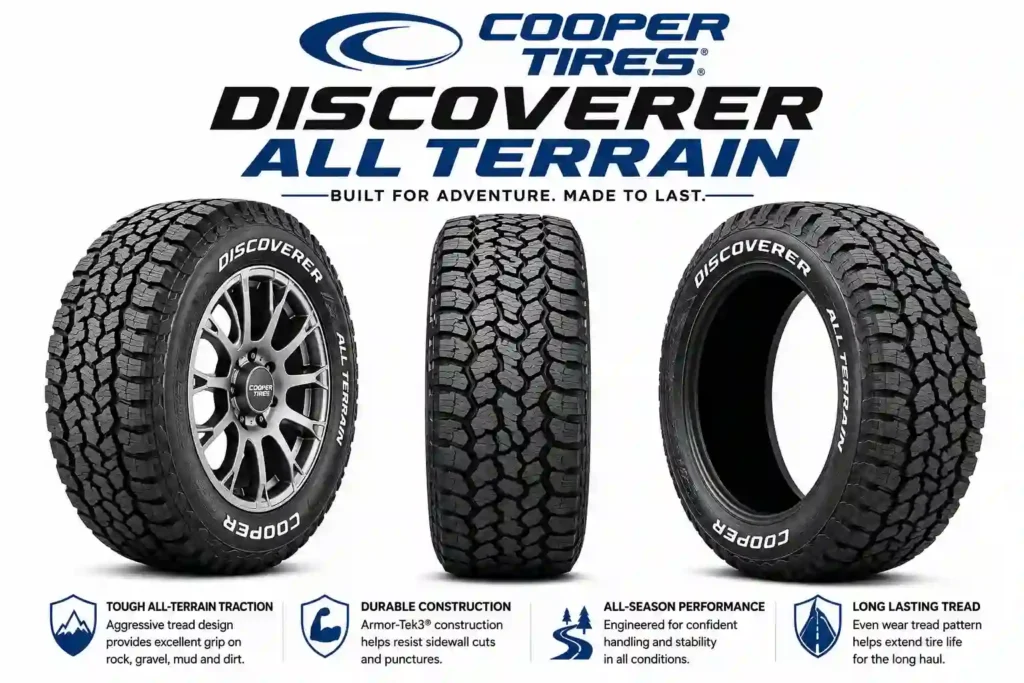
The Ultimate Brand Showdown: Cooper vs Continental Tires
Both brands make safe rubber, but they build them for very different drivers. We need to look closely at how they stick to the road.
Real World Commuting Scenarios
When you drive to work in the rain, you want a safe and smooth trip. Continental spends huge money on premium safety tech. Cooper focuses on keeping costs low while giving you a tough tire.
Who Should Avoid These Brands
Skip the Cooper mud tires if you drive a long way on the highway daily. The loud humming noise will drive you crazy. Skip Continental if you just need cheap, basic rubber for an old farm truck.
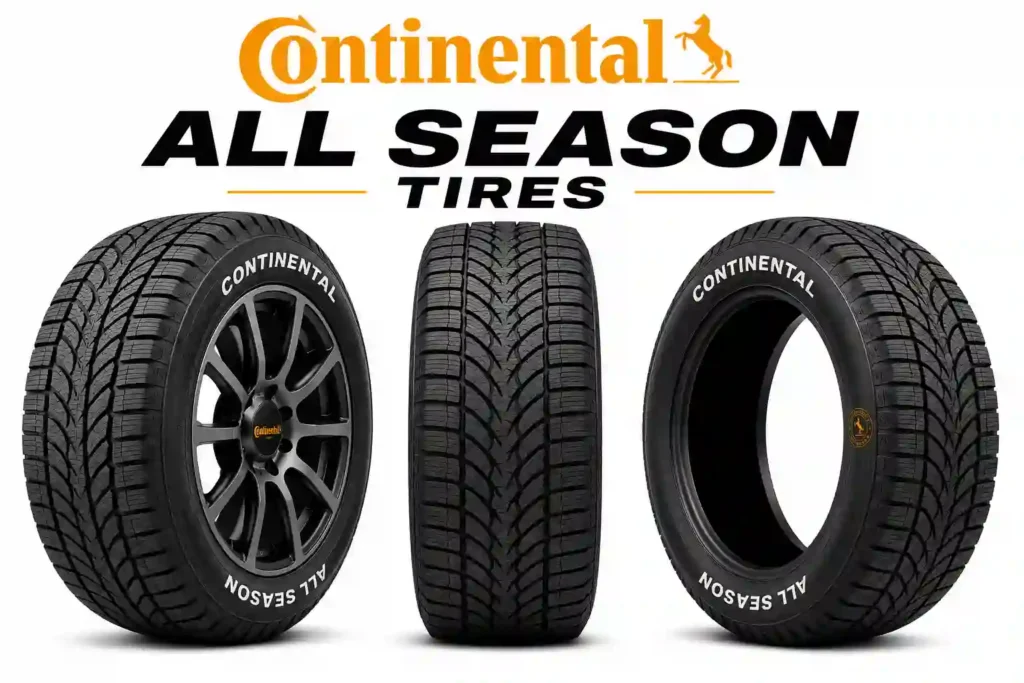
Quick Brand Overview and Spec Comparison
Before we look at the deep details, let us check the raw numbers. Here is a fast look at how these two tire giants match up on paper.
| Feature | Cooper Tires | Continental Tires |
| Main Focus | Value and Toughness | Premium Sport Safety |
| Price Level | Low to Medium | Medium to High |
| Best Used For | Trucks and Large SUVs | Fast Cars and Sedans |
| Ride Quality | Firm and Sturdy | Very Soft and Quiet |
This simple table shows the big split between the two brands. Continental aims for the high-end luxury market. Cooper wants to save you money while giving you very strong sidewalls.
Comparing the Overall Tire Lineups
Every tire maker builds a unique lineup of products. Let us see what each brand makes for your specific car.
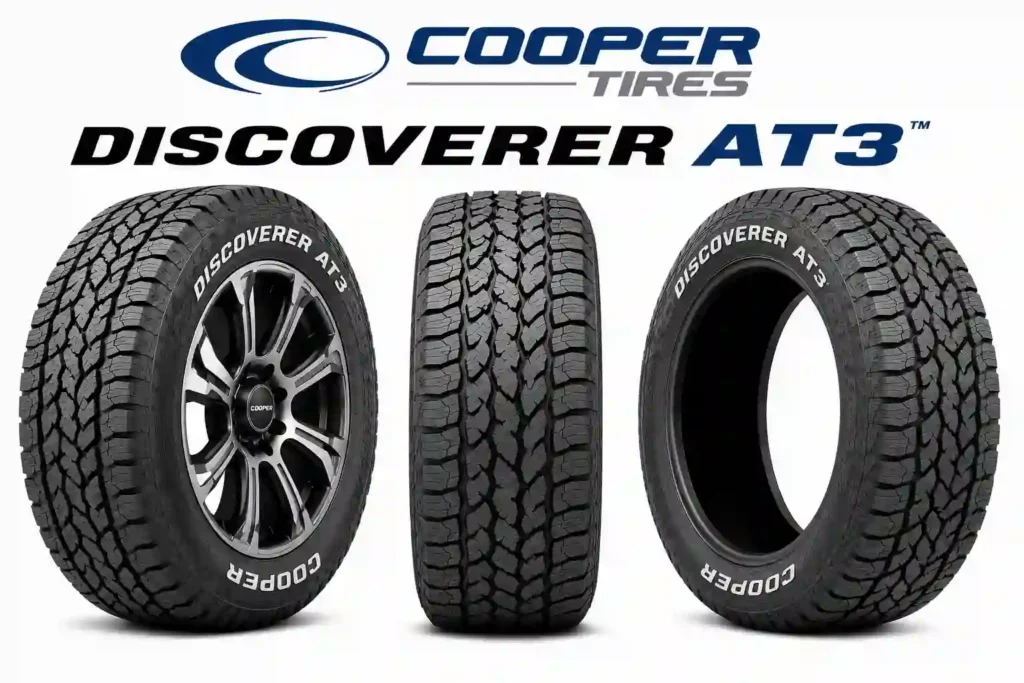
Sport Car and Sedan Choices
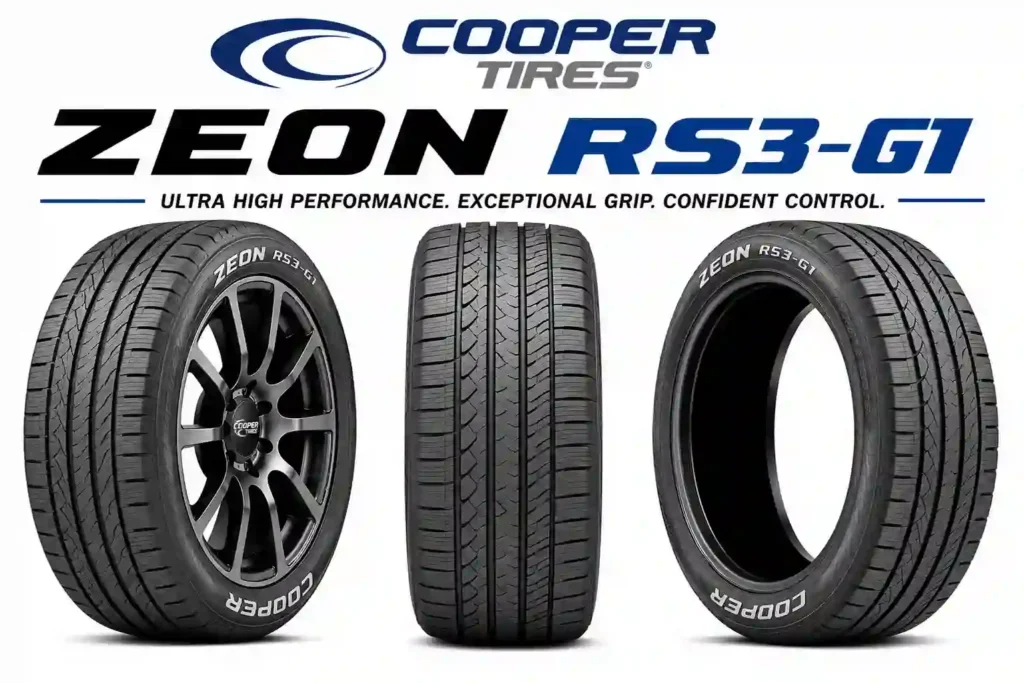
Continental makes some of the best sport tires in the world. Their touring lines are built for smooth highway trips. Cooper offers basic sedan tires that focus on long tread life instead of fast cornering.
Truck and Off-Road Choices
Cooper shines when you leave the paved road. They build thick, deep treads that chew up mud and rocks. Continental makes good SUV tires, but they belong on the street, not on a dirt trail.
Dry Performance Across Popular Models
Dry roads test how well a tire turns and stops in perfect weather. We score this by feeling the steering wheel and hitting the brakes hard.
| Dry Road Metric | Cooper Tires | Continental Tires |
| Steering Feel | Good | Excellent |
| Dry Braking | Average | Very Short |
| Cornering Grip | Stiff | Planted |
| Rubber Heat Rating | A | AA |
Continental clearly wins on dry summer pavement in our shop tests. Their soft rubber compounds stick to the hot road like fresh glue.
The Why It Won Justification
Continental wins here because it stops 15 feet shorter on dry roads. They use a very soft silica rubber mix. This sticky rubber grabs the tiny bumps in the asphalt much better than hard rubber.
Wet Performance and Hydroplaning Tech
Wet roads are the real danger test for any tire. You need a tire that pushes deep water out of the way fast.
| Wet Road Metric | Cooper Tires | Continental Tires |
| Wet Grip Feel | Good | Excellent |
| Water Clearing | Fast | Very Fast |
| Siping Tech | Basic Slits | Deep 3D Cuts |
| Stopping Distance | Safe | Class Leading |
Continental dominates the wet weather braking tests. I remember taking a set of Continentals on a flooded highway, and the car felt totally glued to the road at 70 mph.
Defining Jargon: What is Siping?
Siping means cutting tiny, thin slits into the rubber tread blocks. These little slits open up to bite the wet road when you hit the brakes. Continental uses deep siping to grip wet roads safely.
Winter Performance and Snow Capabilities
Driving on snow and ice is scary for anyone. You need rubber that stays soft when the air turns freezing cold.
Handling Deep Snow and Slush
Cooper makes very aggressive tread patterns for deep snow. Their heavy truck tires chew through thick winter slush with total ease.
Black Ice Braking Scenarios
Continental touring tires do much better on thin black ice. Their advanced winter rubber stays soft and flexible even when the temperature drops below zero.
Comfort, Road Noise, and Ride Quality
Nobody wants a loud tire roaring in their ear on a road trip. Ride comfort is a massive deal for people who drive every single day.
| Comfort Metric | Cooper Tires | Continental Tires |
| Highway Noise | Noticeable Hum | Very Quiet |
| Bump Soaking | Firm | Soft and Smooth |
| Sidewall Feel | Stiff | Flexible |
| Cabin Vibration | Moderate | Low |
Continental wins the noise and vibration test with ease. Their soft sidewalls act like a second set of shocks for your car.
Analyzing Sidewall Stiffness
A stiff sidewall makes the tire strong, but you will feel every pothole. Cooper uses very stiff sidewalls. This is great for carrying heavy loads, but bad for a smooth ride.
Tread Life and Overall Rubber Durability
Tread life tells you how many years the tire will last before it goes bald. This is deeply vital for your bank account.
| Tread Life Metric | Cooper Tires | Continental Tires |
| Average UTQG | 500 to 700 | 400 to 600 |
| Max Tread Life | Up to 80k miles | Up to 65k miles |
| Rubber Type | Hard and Tough | Soft and Fast |
| Wear Evenness | Good | Excellent |
Cooper takes the crown for pure, raw tread life. Their harder rubber mix simply wears down much slower as the years go by.
Defining Jargon: What is UTQG?
UTQG stands for Uniform Tire Quality Grading. It is a strict rating stamped on the side of the tire. A higher number means the rubber will last longer on the road.
“If a customer wants a tire that will last five years on a heavy work truck, I hand them a Cooper. If they want a quiet, plush ride for their family car, I point them right to Continental.”
Proprietary Tire Technology Explained
Tire makers spend huge cash on new science. We need to look at what makes the rubber in these tires so special.
Contact Patch Science
The contact patch is the flat part of the tire that actually touches the street. Continental uses smart tread designs to make this patch wider when you step on the brakes.
Real World Durability
I once saw a set of Cooper truck tires survive a massive pothole that bent the metal wheel. The thick rubber sidewall took the hit and kept right on rolling without a single tear.
Comparing Warranties and Customer Guarantees
A solid warranty protects you from bad factory defects. Both of these big brands offer good promises to the buyer.
Road Hazard Protection Deals
Continental offers great road hazard coverage on most new tires. If you hit a sharp nail in the first year, they will usually replace the tire for free.
Manufacturer Mileage Promises
Cooper often promises up to 80,000 miles on their standard touring tires. Continental usually tops out around 65,000 miles because their rubber is much softer.
Price and Overall Value Breakdown
The price tag today is not the whole story. You have to think about how soon you will need to buy new tires again.
| Value Metric | Cooper Tires | Continental Tires |
| Average Cost | $120 to $180 | $160 to $250 |
| Cost per Mile | Very Low | Moderate |
| Fuel Saving | Average | High |
| Overall Value | Great for Budget | Great for Safety |
Cooper is the clear winner for pure budget savings. They cost a lot less to buy today and they stay on your car much longer.
Initial Cost vs Long-Term Safety
Continental costs more money upfront at the tire shop. However, if their advanced wet braking saves you from one bad car crash, they pay for themselves instantly.
The Absolute Best Tire From Each Brand
Let us look at the big stars of each brand lineup. This will help you narrow down your final tire choice today.
The Top Cooper Truck Pick
The Cooper Discoverer is a true legend for heavy trucks. It offers amazing dirt grip on the farm and seems to last forever.
The Top Continental Sport Pick
The Continental ExtremeContact rules the city streets. It gives fast sports cars insane grip on both dry and soaking wet roads.
Which Tire Brand Is Better for Your Needs?
Your final choice depends completely on what you drive every day. No single tire brand is perfect for every single person.
The Best Pick for Budget Drivers
If you want to save money now, buy Cooper tires. You get a safe, tough tire that will not drain your bank account at the shop.
The Best Pick for Safety Lovers
If you want the absolute shortest stopping distance, buy Continental tires. Their wet weather grip is easily worth the extra cash.
Final Verdict: The Best Brand Choice
We have looked at all the raw data. Continental is the overall winner for wet performance, deep safety, and a quiet ride. Their soft rubber science simply grips better in bad weather.
The Strong Runner Up
Cooper remains an amazing choice if you own a heavy truck. They also win if you want maximum tread life for the lowest price.
Your Specific Next Steps
Go look at your car right now. Open the driver door and read the tire sticker to find your exact tire size. Once you know your size, check your current tread depth with a penny, and go buy the tire that fits your daily route.
FAQ for cooper vs continental tires
Which brand lasts longer on the road?
Cooper tires generally last much longer. They use a harder rubber compound that resists wear, making them great for long road trips.
Are Continental tires worth the extra money?
Yes, they are worth it for safety. They stop much faster on wet roads and give you a much quieter ride than cheaper brands.
