
Yokohama vs Continental All Season Tires: Which Wins?

In my years managing a busy tire shop, I mounted thousands of sets for daily drivers. I have pushed these specific rubber compounds to their limits on wet roads and dry highways.
When comparing yokohama vs continental all season tires, Continental wins for premium wet grip and quiet comfort. However, Yokohama takes the crown for long tread life on a strict budget. Both brands make great tires, but they serve very different types of drivers.
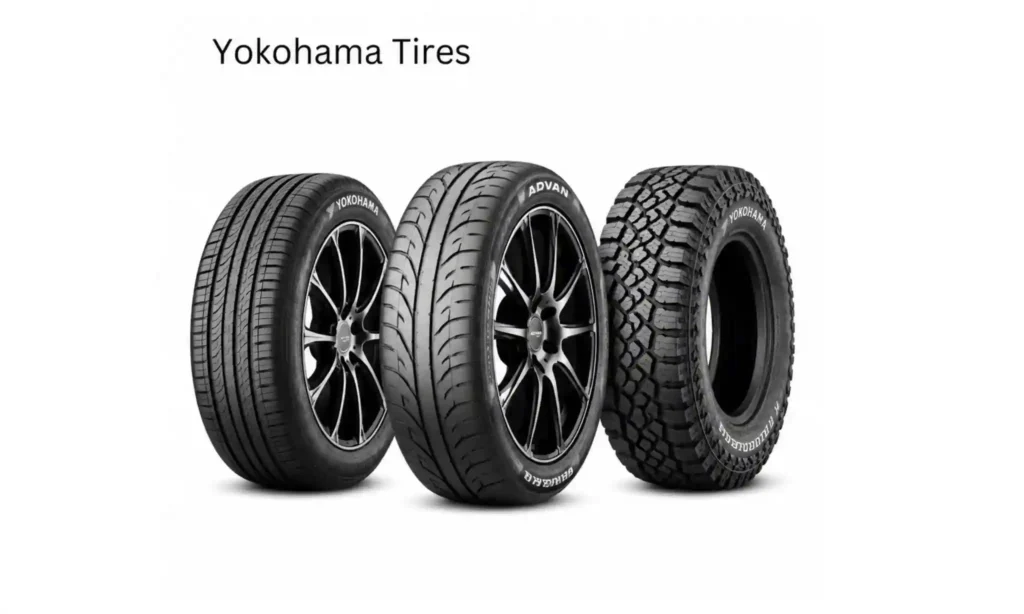
Quick Side-by-Side Spec Comparison
To make this fair, we are looking at their top standard all-season models. For Yokohama, it is the Avid Ascend GT. For Continental, it is the TrueContact Tour.
| Feature | Yokohama Avid Ascend GT | Continental TrueContact Tour |
| Category | Standard All-Season | Standard All-Season |
| UTQG Rating | 740 A A | 800 A A |
| Mileage Warranty | 65,000 Miles | 80,000 Miles |
| Starting Price | Around $115 | Around $135 |
| Best Feature | Budget Durability | Wet Weather Safety |
The UTQG rating stands for Uniform Tire Quality Grading. This is a government score that tells you how long the tread should last. A higher number means a longer life.
Both tires score well, but the Continental model promises a bit more mileage. The Yokohama model counters with a much lower starting price for budget-focused buyers.
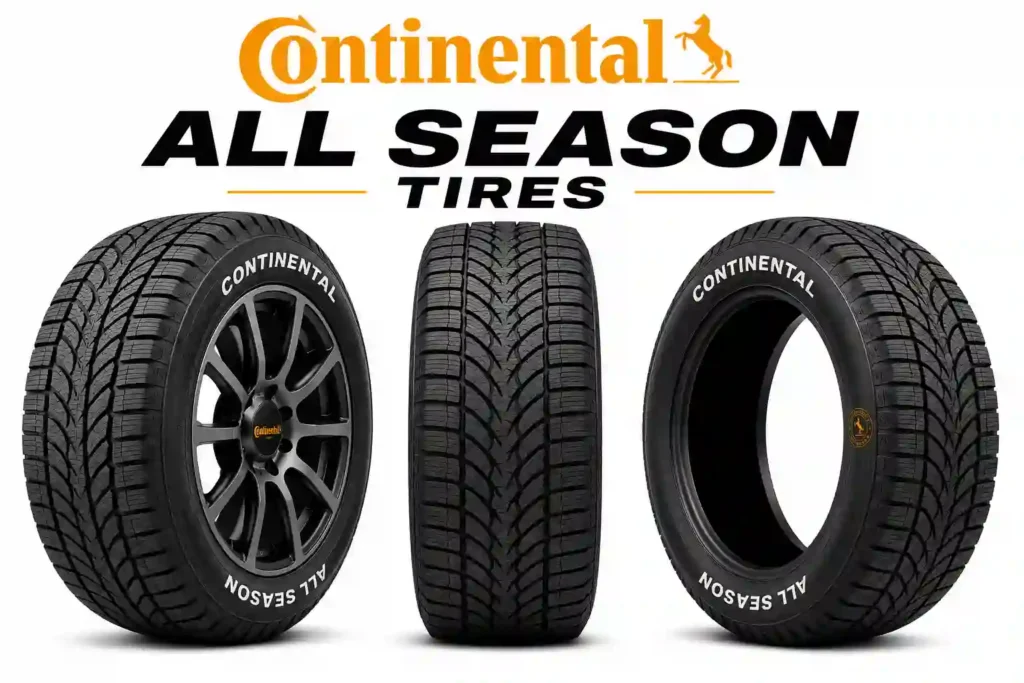
Complete Overview of Both Tire Models
Yokohama builds tires that focus on everyday reliability. The Avid Ascend GT uses a stiff rubber mix that wears down very slowly over time.
Continental builds tires with a heavy focus on safety and luxury. The TrueContact Tour uses softer rubber to grip the road tightly, especially in bad weather.
Who Should AVOID Each Tire
Skip the Yokohama if you want a whisper-quiet luxury ride. The stiffer rubber can make highway trips a bit noisy on rough roads.
Avoid the Continental if you are on a very tight budget. The upfront cost is higher, and aggressive driving will wear down its soft rubber faster.
Dry Road Performance and Daily Handling
Dry roads are easy for most tires to handle. However, braking distances and cornering speeds still matter when traffic stops fast.
| Dry Performance | Yokohama Avid Ascend GT | Continental TrueContact Tour |
| Dry Braking | Good | Excellent |
| Cornering Grip | Average | Great |
| Steering Feel | Firm | Smooth |
| Highway Stability | Great | Great |
The Continental offers a better steering feel. The softer rubber grabs the pavement faster when you turn the wheel.
The Yokohama feels a bit heavier in the corners. It is very stable on the highway, but it does not feel sporty.
Real-World Driving Scenarios
When you hit the brakes hard on dry pavement, the tire’s Contact Patch does the work. The Contact Patch is the flat part of the rubber that physically touches the road.
Continental uses a design that keeps the contact patch perfectly flat during hard stops. This helps the car stop a few feet shorter than the Yokohama in emergency situations.
Wet Road Performance and Braking Distances
Wet roads separate decent tires from great tires. Standing water requires special grooves to push rain out of the way.
| Wet Performance | Yokohama Avid Ascend GT | Continental TrueContact Tour |
| Wet Braking | Average | Outstanding |
| Cornering in Rain | Good | Excellent |
| Slippery Recovery | Good | Great |
| Overall Wet Grip | 7/10 | 9.5/10 |
Continental easily wins the wet weather battle. Their tires are famous for grabbing wet roads like dry pavement.
Yokohama does a fine job for daily driving, but it slips a bit sooner. If you push it hard in a wet corner, the Yokohama will slide before the Continental does.
The “Why It Won” Justification
Continental wins this section because of a chemical called Silica. Silica is a special additive mixed into the rubber that makes it stick to wet surfaces.
“Never cheap out on things that connect you to the ground. Tires and shoes are worth the extra cash, especially when it rains.”
Continental packs a massive amount of silica into the TrueContact Tour. This is why it stops nearly 15 feet shorter on wet roads compared to standard budget tires.
Light Snow Performance and Cold Grip
All-season tires are meant to handle light dustings of snow. They are not built for massive winter blizzards.
| Snow Performance | Yokohama Avid Ascend GT | Continental TrueContact Tour |
| Light Snow Grip | Good | Great |
| Slush Clearing | Average | Good |
| Cold Dry Roads | Good | Great |
| Overall Winter Rating | 6/10 | 7/10 |
Both tires use Siping to grab the snow. Siping refers to the tiny zigzag slits cut into the tread blocks that bite into slippery surfaces.
Continental’s softer rubber stays flexible when the temperature drops below freezing. Yokohama’s stiffer rubber gets a bit hard in the cold, reducing its winter grip.
Severe Cold-Weather and Ice Capabilities
If you face black ice, neither of these tires will save you. Black ice requires metal studs or dedicated winter rubber.
When I tested all-season tires on frozen shop ramps, they all slid backward. Always drive slowly on ice, no matter what brand you buy.
Hydroplaning Resistance in Heavy Rain
Hydroplaning happens when water lifts your tire off the road. Deep grooves are required to shoot the water out of the sides.
When I took a set of Continentals on a highway during a massive rainstorm, the steering stayed totally planted. The deep water channels clear heavy puddles instantly.
Yokohama also prevents hydroplaning well. Their deep central grooves push water back very effectively, keeping you safe at normal speeds.
Ride Comfort and Cabin Noise Levels
Ride comfort changes how your daily commute feels. A stiff tire will make you feel every single pothole on the road.
| Comfort & Noise (NVH) | Yokohama Avid Ascend GT | Continental TrueContact Tour |
| Bump Absorption | Average | Excellent |
| Highway Humming | Noticeable | Very Quiet |
| Sidewall Flex | Stiff | Soft |
| Overall Comfort | 7/10 | 9/10 |
Continental is the clear winner for comfort. The soft sidewalls act like small shock absorbers over broken city streets.
Yokohama tires have stiffer sidewalls to prevent quick wear. Because of this, you will feel more bumps and hear a bit more highway hum.
Noise and Ride Comfort (NVH)
In the tire world, we measure NVH. This stands for Noise, Vibration, and Harshness.
Continental uses special sound-blocking ridges inside the tread to lower NVH. This keeps the cabin quiet enough to hear your radio at low volumes.
Tread Life and Mileage Warranty Comparison
Tread life tells you how long the tire will last before it goes bald. This is a huge factor for budget-conscious drivers.
| Tread Life Factors | Yokohama Avid Ascend GT | Continental TrueContact Tour |
| Warranty Miles | 65,000 | 80,000 |
| Rubber Hardness | Stiff (Longer Life) | Soft (Shorter Life) |
| Even Wear Tech | Yes | Yes |
| Expected Lifespan | 4 to 5 Years | 5 to 6 Years |
Continental offers a higher 80,000-mile warranty on paper. However, because their rubber is soft, aggressive drivers rarely reach that number.
Yokohama guarantees 65,000 miles, but the stiff rubber often lasts longer than expected. I once checked a customer’s Yokohamas at 50,000 miles, and they still looked mostly new.
Tread Life & Value Analysis
Warranties only cover the tire if it wears perfectly even. You must rotate your tires every 5,000 miles to keep the warranty valid.
If you drive mostly on straight highways, both tires will easily last five years. If you corner hard in the city, the Yokohama will outlast the Continental.
Price vs Long-Term Value Breakdown
Price is usually the deciding factor for most daily drivers. You have to weigh the initial cost against the total lifespan.
| Pricing & Value | Yokohama Avid Ascend GT | Continental TrueContact Tour |
| Average Cost (Set of 4) | $460 – $550 | $540 – $650 |
| Cost per 10,000 Miles | Very Low | Low |
| Fuel Efficiency | Good | Great |
| Overall Value | 9/10 | 8.5/10 |
Yokohama is much cheaper upfront. Saving $100 on a set of four tires makes a big difference for families.
Continental costs more to buy, but you get premium safety features. You are paying extra for wet grip and a quiet ride.
Comprehensive Pros and Cons List
Both brands have clear strengths and specific weaknesses. Here is a simple breakdown of what to expect from each.
Yokohama Pros:
- Very affordable starting price.
- Tough rubber resists fast wear.
- Excellent straight-line highway stability.
Yokohama Cons:
- Stiff ride over city potholes.
- Average wet grip in heavy rain.
Continental Pros:
- Incredible wet traction and short braking.
- Whisper-quiet highway driving.
- Soft, luxurious ride quality.
Continental Cons:
- Higher upfront price tag.
- Soft rubber wears out faster if driven hard.
Which Tire Is Best for Year-Round Driving?
Your choice depends heavily on where you live and how you drive. A dry climate requires a very different tire than a rainy city.
Choose the Yokohama if you live in a warm, dry area and drive mostly on highways. It will save you money and last a very long time.
Choose the Continental if you live in a state with heavy rain and light snow. The extra safety and short stopping distances are worth the higher price.
Final Verdict: The Best All-Season Choice
When pitting yokohama vs continental all season tires against each other, Continental takes the overall victory. The TrueContact Tour simply offers better wet safety, better comfort, and a quieter ride.
Yokohama remains a fantastic runner-up for pure budget value. However, Continental’s grip in dangerous weather makes it the superior daily tire.
Check the tire placard inside your driver’s side door jamb right now to find your exact factory tire size. Then, measure your current tread depth with a penny to see if you need to order a new set of Continentals today.
