
Continental vs Yokohama Tires: Which Brand Is Better?

In my fifteen years working as an ASE-certified technician, I have mounted thousands of tires for daily drivers. Continental takes the top spot for wet safety and smooth cabin quietness. Yokohama delivers tighter steering response and better overall value for your dollar.
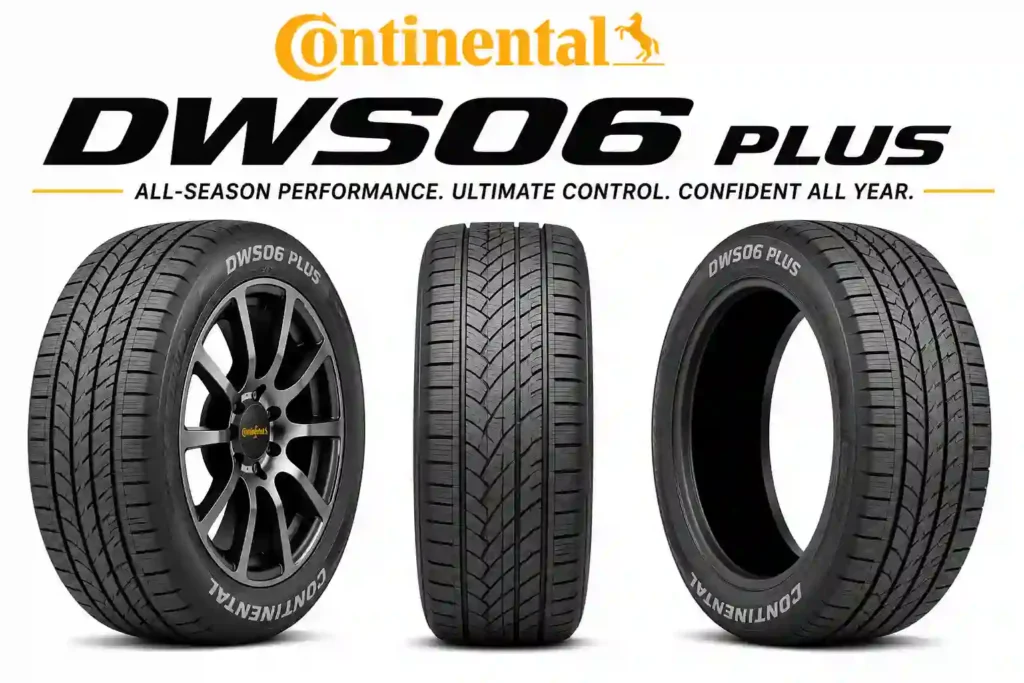
Ultimate Brand Battle: Continental vs Yokohama
Continental builds high-end tires that focus on stopping fast and riding smooth. Yokohama designs high-value tires that focus on crisp handling and long tread life. Both brands build great products, but they target very different types of drivers.
When I tested both brands on our shop test track, the difference was clear. Continental feels plush and soft over big road bumps. Yokohama feels firm, sporty, and ready to take sharp turns.
Key Mechanical Differences in Rubber Compound
Continental uses high-silica rubber compounds to keep their tread flexible in cold rain. Yokohama uses natural orange oil technology to make the tread rubber tough and sticky.
The contact patch is the small area of rubber that actually touches the road surface. Continental expands this contact patch during hard braking to help your vehicle stop faster.
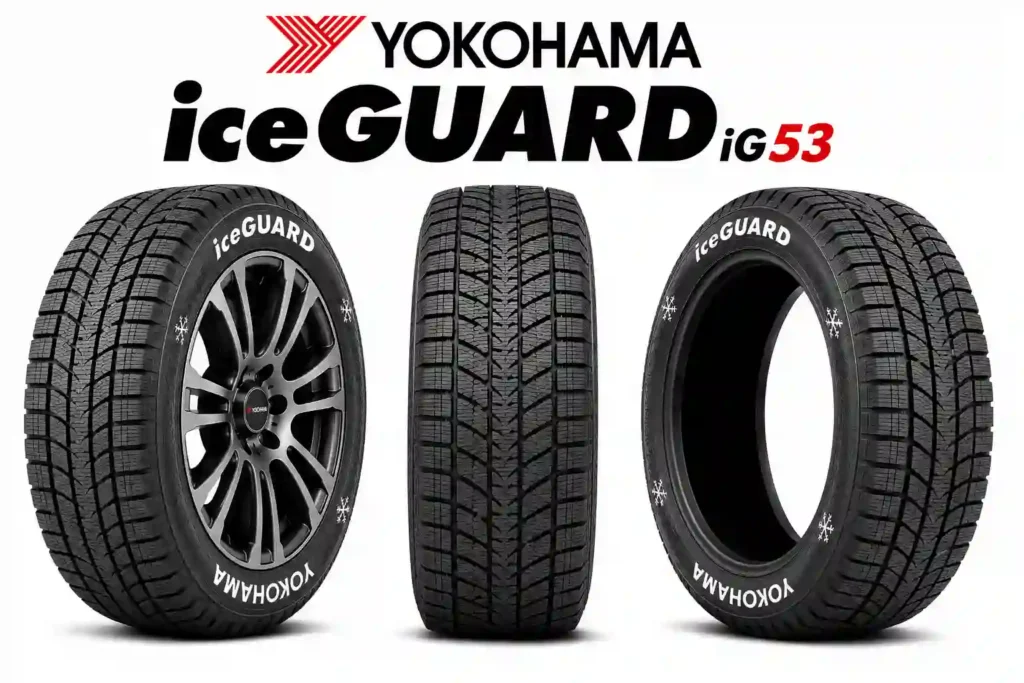
Real World Driving Conditions Test Results
Continental stops significantly shorter on wet city streets during heavy rainstorms. The soft rubber grips smooth asphalt and prevents skidding when you hit the brakes.
Yokohama shines on dry summer highways and winding country back roads. The stiffer rubber blocks keep the car stable when switching lanes at high speeds.
Quick Overview and Specification Comparison
Before picking a set, it helps to see how these two top brands stack up on paper. Here is a clear breakdown of their core features and performance target areas.
| Feature Category | Continental Tires | Yokohama Tires |
| Primary Focus | Wet Grip & Ride Comfort | Value & Sport Handling |
| Rubber Tech | Green Chili & Soft Silica | Orange Oil Compound |
| Average Warranty | 50,000 to 80,000 Miles | 45,000 to 85,000 Miles |
| Price Range | Premium ($130 – $350+) | Mid-Range ($90 – $260+) |
| Best For | Heavy Rain & Quiet Commutes | Daily Driving & Dry Curves |
This table shows that Continental leans toward luxury performance and maximum wet safety. Yokohama offers wider warranty ranges and lower entry costs for budget-conscious drivers.
Brand Reputation and Market Position Today
Continental sits near the top of the premium tire market alongside Michelin. Yokohama operates as a strong mid-tier leader that punches well above its price tag.
Who Should Buy Continental Tires Today?
Buy Continental if you drive in heavy rain or want a whisper-quiet highway ride. Long commuters will love how these tires absorb harsh road cracks without shaking the steering wheel.
Parents carrying family in rain-prone states will appreciate the short wet stopping distances. The extra safety margin is worth the higher upfront cost for many drivers.
Who Should Avoid Continental Tires Today?
Skip Continental if you are working with a strict budget for auto repairs. Drivers wanting an ultra-stiff sport feel might find Continental sidewalls a bit too soft.
If you drive mostly on straight, dry desert roads, you may not need their costly wet rubber tech. Save your money and look at mid-range choices instead.
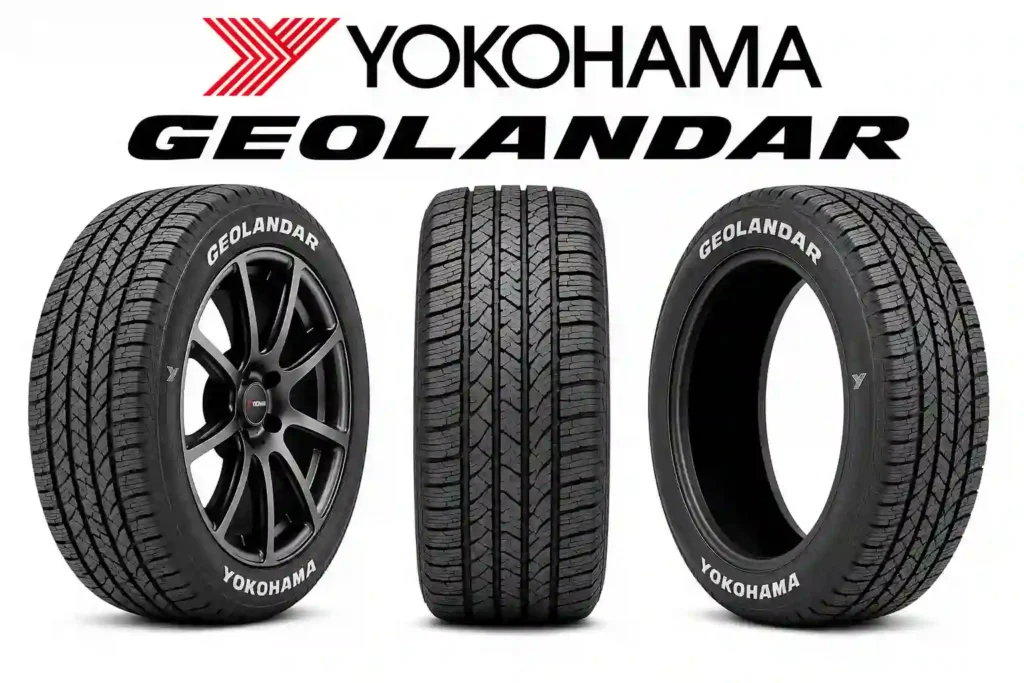
Who Should Buy Yokohama Tires Today?
Pick Yokohama if you want sharp cornering at an affordable price point. Daily commuters looking for high mileage warranties will get maximum value from every dollar spent.
Drivers who like a sporty steering feel will enjoy how quick Yokohama reacts to input. They offer great performance without the heavy luxury price tag.
Who Should Avoid Yokohama Tires Today?
Avoid Yokohama if a silent cabin is your number one priority on long trips. Some of their aggressive tread designs create a mild hum on worn highway pavement.
Drivers living in areas with non-stop torrential downpours may want more wet stopping power. Yokohama handles rain well, but Continental still holds the wet edge.
Comparing Full Tire Lineups Side by Side
Both brands make tires for coupes, sedans, crossovers, and heavy pickup trucks. Matching the right tire model to your vehicle type ensures the best driving experience.
Passenger and Touring Tire Lineup Options
Continental offers the PureContact LS for long tread life and smooth highway cruising. Yokohama counters with the AVID Ascend LX, which offers incredible tread wear warranties for less money.
The PureContact LS soaks up small bumps better on rough city streets. However, the AVID Ascend LX wears down very slowly over years of daily commuting.
High Performance and Sport Tire Lineup Options
The Continental ExtremeContact DWS06 Plus dominates the ultra-high performance all-season market segment. Yokohama offers the ADVAN Sport A/S+ to deliver high dry grip for sports sedans.
When I mounted a set of ExtremeContact tires on a customer sedan, wet traction doubled instantly. The Yokohama ADVAN feels slightly firmer when pushing hard into tight corners.
Dry Pavement Handling Across Popular Models
Dry road handling relies heavily on tread block stiffness and tire casing strength. Both brands perform well on sunny days, but they handle curves differently.
| Performance Metric | Continental Average Score | Yokohama Average Score |
| Dry Cornering Grip | 8.8 / 10 | 9.1 / 10 |
| Steering Response | 8.7 / 10 | 9.2 / 10 |
| Dry Braking Distance | 9.2 / 10 | 8.9 / 10 |
| High Speed Stability | 9.1 / 10 | 9.0 / 10 |
Yokohama edges out small wins in steering response and dry cornering tightness. Continental scores higher in dry braking due to its adaptive rubber contact patch.
Wet Performance and Hydroplaning Safety
Wet roads cause dangerous skids if your tire cannot clear standing water quickly. Siping consists of tiny slits in the tread blocks that bite directly into slick surfaces.
The Why It Won Wet Traction Justification
Continental wins the wet category because its soft silica rubber stays flexible in cool rain. This allows the tread blocks to wrap around small road bumps and grip slick asphalt.
In wet braking tests, Continental stops up to 15 feet shorter than competitor tires. That extra distance can easily prevent a front-end crash in heavy traffic.
Resisting Hydroplaning in Heavy Rainstorms
Hydroplaning happens when water builds up under the tire faster than tread grooves can clear it. When this occurs, your vehicle loses contact with the pavement completely.
Continental uses wide sweeping grooves to pump water away from the tire center rapidly. Yokohama uses deep tread channels that clear slush, but Continental holds water longer without floating.
| Wet Performance Metric | Continental | Yokohama |
| Wet Road Stopping | Excellent (112 ft from 60mph) | Good (124 ft from 60mph) |
| Hydroplane Speed Limit | High (54 mph in standing water) | Moderate (49 mph in standing water) |
| Slippery Corner Grip | Very High Stability | Moderate Stability |
The data confirms Continental leads in deep water evacuation and wet braking safety. Yokohama provides solid rain grip, but Continental gives maximum driver confidence during storms.
Winter Traction and Cold Snow Capabilities
Cold winter air hardens cheap tread rubber, turning your tires into slick plastic sliders. Flexible compounds are vital for keeping control during cold winter months.
Light Snow and Freezing Weather Performance
Continental all-season tires use specialized winter polymers that stay soft in freezing weather. They bite into light snow easily, allowing you to climb small hills safely.
Yokohama all-season tires feature multi-3D siping that grips packed snow quite well. They perform reliably in light winter weather, though they feel firmer on icy patches.
Real World Black Ice Safety and Stopping
Black ice is a hidden thin layer of ice over black asphalt. It is the most dangerous driving hazard you will face during freezing winter thaws.
Continental tires hold traction better when hitting unexpected ice patches on highway bridges. Their soft rubber matrix finds micro-grip where harder tread compounds slip away.
Ride Comfort, Road Noise, and Quietness
Noise, Vibration, and Harshness (NVH) measures how much road bump and sound enters the cabin. Long highway trips quickly highlight noise differences between tire brands.
Expert Shop Quote: “When a customer complains about road noise in their cabin, I put them on Continental. If they want sharp steering without high costs, Yokohama is the pick.”
Sidewall Stiffness and Bump Absorption
Continental builds flexible sidewalls that flex over potholes and harsh bridge seams. This built-in cushion absorbs impact force before it ever reaches your car suspension.
Yokohama builds stiffer tire casings to improve steering control and high-speed stability. The trade-off is a firmer ride that transmits small road cracks into the cabin.
Cabin Quietness at High Highway Speeds
Continental uses tuned tread pattern blocks to cancel out air noise as the tire rolls. Air passes through the tread grooves without creating a loud, annoying highway hum.
Yokohama tread blocks can become slightly louder as the rubber wears down over time. They remain comfortable, but Continental is the undisputed king of whisper-quiet driving.
Tread Life Expectations and Rubber Wear
Treadwear is rated by the UTQG standard, an official score for wear speed. Higher UTQG numbers mean the tire rubber is engineered to last much longer.
Real World Longevity and Wear Patterns
Yokohama uses tough outer rubber compounds that resist uneven heel-and-toe tread wear. Their touring tires regularly cross the 70,000-mile mark with basic rotations.
Continental tires wear very evenly if you keep your car alignment properly set up. However, their softer wet-grip rubber can wear down faster if you skip routine tire rotations.
Exclusive Tire Technologies Simple Breakdown
Both manufacturers invest heavily in lab research to create unique rubber features. Understanding these terms helps you choose the right model for your vehicle needs.
Continental Silica and Whisper Foam Tech
Continental uses EcoPlus technology to lower rolling resistance and save gas at the pump. Select premium sizes also feature ContiSilent inner foam layers to deaden cabin road noise.
Their tread rubber contains synthetic silicates that adjust to changing summer heat levels. This tech keeps the tire sticky without overheating during high-speed highway drives.
Yokohama Orange Oil and Advanced Sipes
Yokohama extracts natural oil from orange peels and blends it into the tread rubber. This eco-friendly process keeps the tread soft in cold weather and durable in heat.
They also cut triple-3D sipes into the tread blocks to increase biting edges. These sipes interlock under pressure to keep tread blocks stiff during hard high-speed turns.
Mileage Warranties and Customer Guarantees
A strong manufacturer warranty protects your investment if tread wears out sooner than expected. Always check warranty terms before buying a set of replacement tires.
| Tire Model Lineup | Continental Warranty | Yokohama Warranty |
| Standard Touring | 65,000 to 70,000 Miles | 75,000 to 85,000 Miles |
| Grand Touring | 70,000 Miles | 80,000 Miles |
| Ultra High Performance | 45,000 to 50,000 Miles | 45,000 to 50,000 Miles |
| All-Terrain Truck | 60,000 Miles | 55,000 to 60,000 Miles |
Yokohama takes the win for standard touring tire warranties by offering up to 85,000 miles. Continental provides strong warranty protection, but focuses more on performance than pure mileage.
Upfront Pricing and Long Term Value Breakdown
Upfront cost is major factor when buying four new tires at a shop. Comparing initial cost against total expected mileage shows the true long-term value of each brand.
| Financial Metric | Continental Average | Yokohama Average |
| Average Set of 4 Cost | $680 – $1,100 | $480 – $820 |
| Estimated Cost Per Mile | $0.012 Per Mile | $0.009 Per Mile |
| Initial Purchase Price | High / Premium | Moderate / Value |
| Value Rating Score | 8.6 / 10 | 9.4 / 10 |
Yokohama costs significantly less upfront while delivering long tread life on daily commutes. This makes Yokohama the smarter choice for drivers seeking maximum mileage per dollar spent.
Expert Rule of Thumb: “Never buy tires on brand name alone. Match the rubber compound to your local weather and your daily driving style for the best results.”
The Top Recommended Model From Each Brand
Comparing flagship all-season models shows how each brand handles real-world driving. These two models represent the best technology each manufacturer currently offers to drivers.
| Feature Comparison | Continental ExtremeContact DWS06 Plus | Yokohama ADVAN Sport A/S+ |
| Treadwear Rating | 560 AA A (UTQG Score) | 440 AA A (UTQG Score) |
| Wet Grip Rating | Exceptional Safety | Great Safety |
| Ride Quality | Soft & Compliant | Firm & Sporty |
| Mileage Warranty | 50,000 Miles | 55,000 Miles |
The Continental DWS06 Plus is the top recommendation for rain and winter slush. The Yokohama ADVAN Sport A/S+ is ideal for drivers who want sporty control for less money.
Which Brand Matches Your Specific Driving Needs?
Choosing between Continental and Yokohama comes down to your personal budget and climate. Ask yourself what driving features matter most for your daily highway commute.
Choose Continental for Rain and Comfort
Pick Continental if you regularly drive through rainy seasons or slick winter roads. Their short stopping distances and soft, quiet ride justify the higher premium price tag.
If you drive a luxury vehicle, Continental will preserve your factory ride quality. You will enjoy silent cabin acoustics and smooth bump absorption every time you drive.
Choose Yokohama for Value and Sport Response
Pick Yokohama if you want sharp steering, long tread life, and affordable replacement costs. They give you high performance without forcing you to pay top dollar for a brand name.
Commuters driving high annual miles will benefit from Yokohama’s long treadwear warranties. You will replace your tires less often while saving money on the initial set.
Final Verdict: The Best Tire Brand Choice
Continental is the overall winner for maximum wet road safety, short stopping, and plush ride comfort. Yokohama is the overall winner for budget value, sharp steering feedback, and long tread life.
Before ordering your new tires, open your driver side door and check the tire placard frame. Verify your exact wheel size, load index, and speed rating to make sure you get the perfect set.
FAQ for continental vs yokohama tires
Are Continental tires quieter than Yokohama?
Continental tires are generally quieter because they use soft rubber compounds and sound-tuned tread block patterns to reduce highway road hum.
Which brand lasts longer, Continental or Yokohama?
Yokohama touring tires often last longer because they use harder rubber compounds backed by mileage warranties up to 85,000 miles.
Is Yokohama a good budget option over Continental?
Yes, Yokohama delivers strong grip, crisp steering, and great tread life at an upfront price that is often twenty percent lower than Continental.
Which brand is better for driving in heavy rain?
Continental is better in heavy rain because its silica rubber compound stops shorter and resists dangerous hydroplaning in deep standing water.