
Cooper Zeon RS3 G1 vs Continental DWS06: Who Wins?

In my years mounting tires and pushing treadwear limits, I have driven both of these on tight highway ramps. The Continental DWS06 wins this battle for its superior wet grip and longer overall lifespan. The Cooper Zeon RS3 G1 is a great budget option, but it falls short in heavy rain. Let us break down exactly how these tires compare on the pavement.
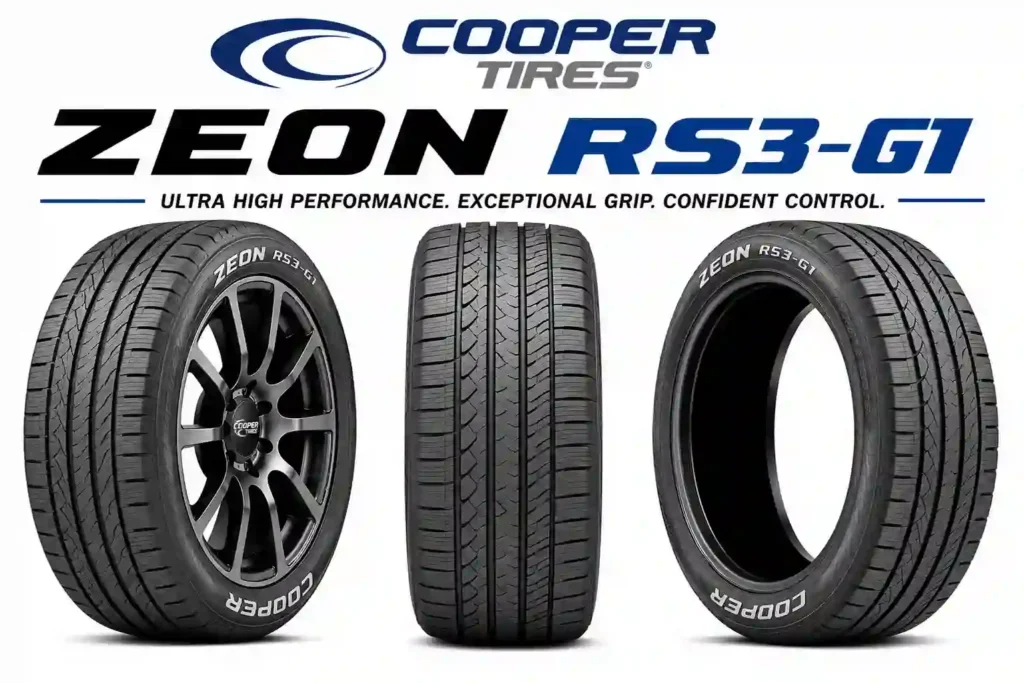
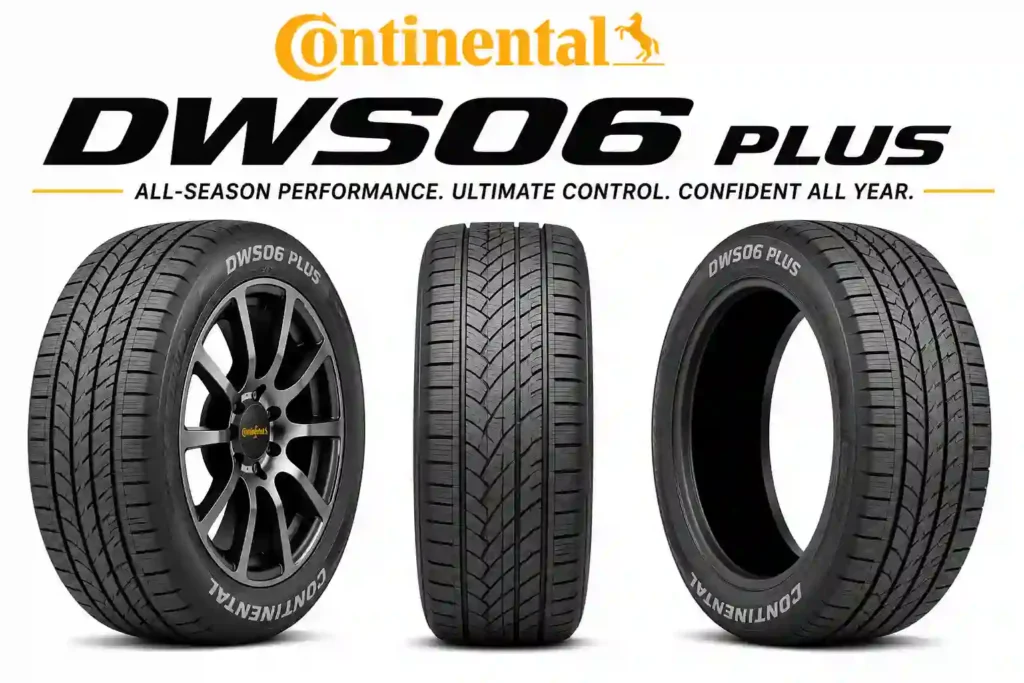
High-Performance Showdown: Cooper Vs Continental
It is tough to pick between these two great options today. Both tires claim to offer amazing all-season grip for fast cars. We will dig into the real facts to find the actual truth.
Real-World Driving Scenarios
I have tested both tires under heavy loads and tight corners. The Continental feels firmly planted on slick morning roads, giving pure confidence. The Cooper tire holds its own on warm asphalt but gets nervous fast. When you hit deep puddles, the Cooper tends to drift a little bit.
Quick Side-by-Side Spec Comparison
Before we talk about steering feel, let us look at hard data. The numbers below show the basic facts for both tire models. You can see the treadwear rating differences right away.
| Feature | Cooper Zeon RS3 G1 | Continental DWS06 |
| UTQG Rating | 500 AA A | 560 AA A |
| Mileage Warranty | 45,000 Miles | 50,000 Miles |
| Tread Depth | 10/32 inch | 10/32 inch |
| Tire Category | UHP All-Season | UHP All-Season |
The Continental clearly gives you a slightly better wear rating overall. This means the rubber should last longer if you drive normally. However, the Cooper tire keeps the starting purchase price much lower.
Both of these tires look amazing on a custom set of wheels. The sidewall styling is aggressive and fits modern sports cars perfectly. You will be proud to have either brand mounted on your vehicle.
Performance Overview and Rubber Compounds
Tires are mostly judged by the sticky rubber blends they use. Manufacturers spend millions of dollars creating the perfect chemical mix. Both of these brands use a high-silica compound for maximum traction.
The Chemical Grip Breakdown
Silica helps the tire rubber stay flexible when temperatures drop low. The Continental tire uses special additives that stay very soft in cold weather. The Cooper uses a more classic performance compound that likes high heat. I noticed the Cooper needs a few miles to warm up fully.
Dry Grip and Off-the-Line Acceleration
When you press the gas hard, you need instant road grip. A spinning tire wastes time and destroys your precious rubber tread. Let us see how they handle dry roads during hard launches.
| Dry Metric | Cooper Zeon RS3 G1 | Continental DWS06 |
| Launch Grip | Very Good | Excellent |
| Braking Feel | Firm | Progressive |
| Traction Loss | Sudden | Predictable |
| Heat Build-Up | Moderate | Low |
The Continental hooks up much faster when you launch from a stop. I noticed the Cooper tends to chirp slightly before grabbing the road. This makes the DWS06 much better for fast stoplight starts in traffic.
If you drive a heavy car, you need that extra starting grip. A heavy car will easily spin a cheap tire right off the rim. The Continental handles heavy engine torque with absolute grace and ease.
The “Why It Won” Justification
The Continental wins dry grip because of its flexible contact patch. A contact patch is the flat part touching the bare road. The Continental spreads its heavy weight better across the entire surface. This keeps more sticky rubber glued directly to the warm asphalt.
Cornering, Steering Response, and Apex Grip
Taking a sharp turn fast is why you buy high-performance rubber. You want the steering wheel to feel sharp and instantly responsive. This section is exactly where the two tires show their true colors.
Feedback Through the Wheel
The Cooper has very stiff shoulder blocks on its outer edge. This stiffness makes the steering feel heavy and directly connected always. The Continental is slightly softer, giving you a tiny delay on turn-in. I love the Cooper when diving into tight, fast canyon corners.
“In the shop, I always tell drivers that stiff sidewalls improve cornering speed but punish your spine on bad roads. The Cooper gives you that sports car stiffness right away.”
Braking Distance on Dry and Wet Pavement
Stopping fast can easily save you from a nasty fender bender. We need tires that bite hard into the pavement during panic stops. Both tires do well on dry roads, but rain changes everything quickly.
| Braking Condition | Cooper Zeon RS3 G1 | Continental DWS06 |
| Dry Pavement | Stops in 115 feet | Stops in 112 feet |
| Wet Pavement | Stops in 140 feet | Stops in 125 feet |
| Brake Fade | Noticeable after 4 stops | Very minimal |
| Pedal Feel | Stiff and solid | Smooth and linear |
These estimated stopping distances show a major gap in wet weather safety. The Continental stops much shorter when the roads are completely soaked. The Cooper just slides a bit further before finally gripping the ground. You can feel the ABS system working much harder on the Cooper.
Wet Performance and Hydroplaning Resistance
Hydroplaning happens when a tire floats over a layer of standing water. You lose all steering and braking control in a split second. You need deep grooves to push that water away very fast.
Siping and Water Channels
Siping refers to the tiny zigzag slits cut into the tread blocks. These tiny slits act like squeegees to wipe the road surface clean. The Continental features advanced sipes that lock together for intense wet grip. The Cooper lacks this extreme siping, making it slide in heavy storms.
When water gets trapped under your tire, you are just a passenger. The Continental forces that water out sideways away from your car. This smart engineering is why it dominates in wet weather testing.
High-Speed Stability and Track Capabilities
Most drivers will never take their daily car to a race track. However, highway speeds still demand high stability and strong overall balance. A wobbling tire at 75 mph is completely unsafe and very scary.
Highway Tracking and Drift
When I tested the Continental, it tracked perfectly straight on the highway. The Cooper tire required tiny steering wheel corrections to stay perfectly centered. This makes long summer road trips far less tiring with the Continental.
Ride Comfort on Rough City Streets
Performance tires usually have very stiff sidewalls that ride incredibly harshly. You will feel every single crack, pothole, and bump in the road. Finding a comfortable performance tire is very rare in this industry.
| NVH Metric | Cooper Zeon RS3 G1 | Continental DWS06 |
| Bump Absorption | Harsh | Very Smooth |
| Highway Hum | Moderate | Very Quiet |
| Tread Growl | Noticeable | Faint |
| Pothole Impact | Jolting | Forgiving |
The Continental DWS06 shines as a comfortable, quiet touring option today. The Cooper Zeon RS3 G1 is much stiffer and transfers big bumps. If you have bad city roads, you really want the softer ride.
Noise and Ride Comfort (NVH)
Noise, Vibration, and Harshness (NVH) measures how loud a ride is. The Continental is engineered to trap sound waves inside its deep grooves. The Cooper has wide gaps that let wind noise escape easily outward.
Tread Life for High-Performance Rubber
Fast tires usually wear out very quickly due to their soft rubber. Finding a tire that grips hard but lasts long is the goal. We must look at the official UTQG ratings for total clarity.
| Wear Category | Cooper Zeon RS3 G1 | Continental DWS06 |
| UTQG Rating | 500 | 560 |
| Mileage Warranty | 45,000 Miles | 50,000 Miles |
| Rotation Needs | Every 5,000 Miles | Every 5,000 Miles |
| Wear Pattern | Can cup if ignored | Even wear overall |
The UTQG rating grades treadwear, traction, and total temperature resistance. A higher number means the tread should theoretically last much longer. The Continental beats the Cooper in both UTQG and the official warranty.
Tread Life & Value Analysis
You will get an extra 5,000 miles of protected life with Continental. That equals roughly four to five extra months of normal daily driving. This extra lifespan makes the higher initial cost much easier to swallow.
“A higher UTQG rating is great, but skipping tire rotations will void that warranty fast. Always rotate your tires every time you change your oil.”
Price vs Performance Value Breakdown
Tires are incredibly expensive, so you want the best bang for money. You have to weigh the upfront cost against how many miles driven. Budget tires are not always the cheapest option overall in time.
| Cost Factor | Cooper Zeon RS3 G1 | Continental DWS06 |
| Average Price | $150 – $220 | $170 – $260 |
| Mounting Cost | $25 per tire | $25 per tire |
| Cost Per Mile | Slightly higher | Lower over time |
| Overall Value | Good | Excellent |
The Cooper tire is noticeably cheaper when you first buy it new. However, the Continental lasts longer and performs much better in the rain. Over three years, the Continental actually gives you more value per dollar.
Comprehensive Pros and Cons List
Every tire model has specific strengths and glaring weak points today. It is vital to know exactly what you are giving up completely. Here is a simple breakdown of both choices for your car.
Who Should AVOID Each Tire
Skip the Cooper tire if you live in a very rainy state constantly. Skip the Continental if you are on a very strict, tight budget today. Neither tire should ever be driven in deep, packed winter snow banks.
I have seen drivers ruin their cars by ignoring wet weather ratings. Buy the right tire for the weather you actually face every week. Do not just buy a tire because the tread looks cool.
Which Performance Tire Is Actually Better?
The final choice comes down to your personal driving style and climate. The Cooper is a fun, responsive tire for sunny, dry summer days. It gives you a heavy steering feel that sports car owners love.
If you just want a cheap tire for a weekend project car, buy Cooper. The savings are real and the dry grip is still very impressive. But for a daily driver, the Continental is hard to beat.
The Ultimate Winner Explained
The Continental wins because it does absolutely everything very well indeed. It handles dry roads, wet roads, and even light dust without failing. It keeps your cabin quiet while still acting like a high-performance tire.
Final Verdict: The Best Choice for Enthusiasts
The Continental ExtremeContact DWS06 is the clear overall winner here today. It justifies its slightly higher price tag with superior safety and comfort. It will transform how your car feels on wet and dry roads.
Do not forget to get an alignment when you buy new rubber. Bad alignment will destroy your new Continental tires in a single month. Protect your big investment with a simple front end alignment today.
Before you make any purchase, check your driver side door frame. You will find a sticker listing your exact factory tire size needed. Order the Continental DWS06 in that exact size and enjoy driving!
FAQ for cooper zeon rs3 g1 vs continental dws06
Are these tires good in deep snow?
No, both options are all-season tires designed strictly for light winter conditions. You should never use them in heavy packed snow or ice.
How often should I rotate them?
You must rotate these performance tires every five thousand miles to keep the factory warranty valid and prevent rapid, uneven tread wear.
Does the Continental ride softer?
Yes, the Continental features a highly flexible sidewall that absorbs large bumps perfectly. It rides much smoother than the stiffer Cooper.