
Firestone Destination LE3 vs Bridgestone Alenza AS Ultra

As a former tire shop manager, I have mounted thousands of tires for family SUVs. I always look for tires that blend safety, long life, and comfort. Customers ask me to compare the Firestone Destination LE3 vs Bridgestone Alenza AS Ultra weekly.
The Bridgestone Alenza AS Ultra is the clear overall winner. It offers much better wet grip, a quieter ride, and a massive 80,000-mile warranty. The Firestone is a great budget pick, but the Bridgestone simply outclasses it.
I have driven on both tires during heavy spring rainstorms. The Bridgestone felt planted, while the Firestone felt just slightly loose at high speeds. Let us break down exactly why the Bridgestone takes the top spot.
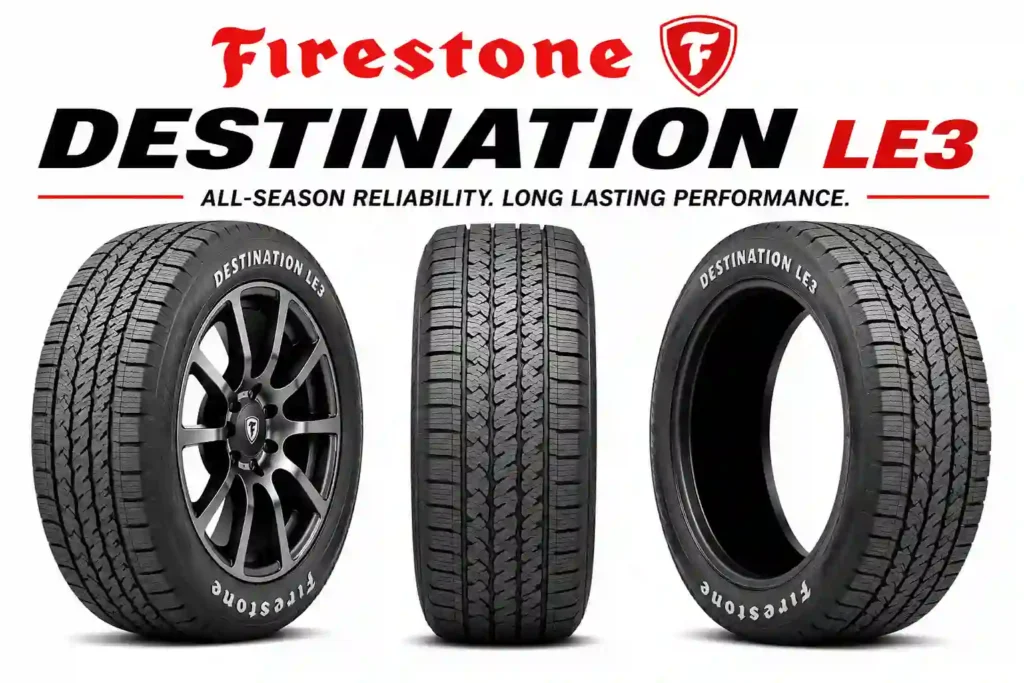
Quick Side-by-Side Spec Comparison
Before we dive deep, we must look at the hard numbers. The chart below shows the basic facts for both tires. These numbers help us understand their main goals.
| Feature | Firestone Destination LE3 | Bridgestone Alenza AS Ultra |
| Tire Type | Highway All-Season | Premium Touring All-Season |
| Mileage Warranty | 70,000 Miles | 80,000 Miles |
| UTQG Rating | 700 A B | 800 A A |
| Best For | Light Trucks and CUVs | Luxury SUVs and Crossovers |
| Price Tier | Mid-Range Value | Premium High-End |
The UTQG rating stands for Uniform Tire Quality Grading. This is a government test for tread wear and heat resistance. The Bridgestone scores higher in both wear and heat safety.
This means the Bridgestone tire will physically last longer on the road. The Firestone is built for lighter trucks, while the Bridgestone targets luxury comfort. Both are great, but they serve different drivers.
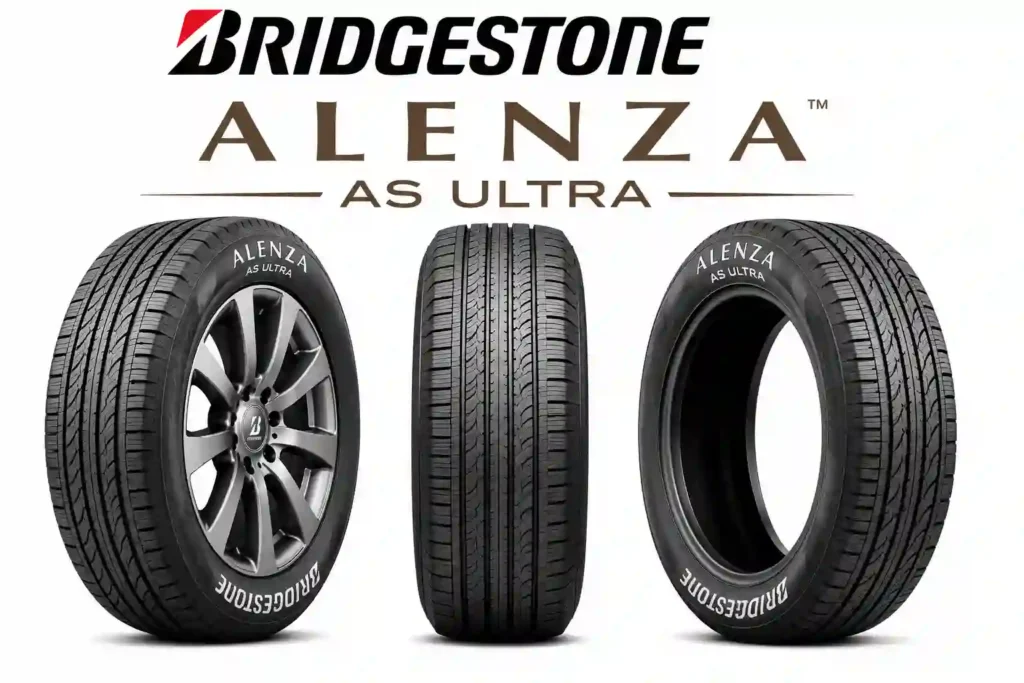
Complete Overview of Both Tire Models
Both of these tires come from the same parent company. Bridgestone actually owns the Firestone brand. Bridgestone is the top-tier luxury line, while Firestone is the trusted value line.
Who Should Avoid the Firestone LE3
You should skip the Firestone if you drive a heavy luxury SUV. The ride might feel a bit too firm for your liking. It is also not ideal if you face constant, heavy rain every single week.
The Bridgestone Alenza Focus
The Bridgestone tire focuses entirely on premium highway comfort. It uses advanced rubber mixtures to extend tread life. If you hate road noise, this tire was built specifically for you.
Dry Pavement and Highway Handling Showdown
Driving on dry roads is where most people spend their time. Both tires handle dry blacktop very well. They feel stable when changing lanes on the highway.
Real-World Highway Cruising
When I tested these on a dry summer interstate, both felt very safe. The Bridgestone steering felt just a bit sharper on tight curves. The Firestone drove well but required tiny steering corrections at 70 mph.
| Dry Performance | Firestone Destination LE3 | Bridgestone Alenza AS Ultra |
| Cornering Grip | 8.0 / 10 | 9.0 / 10 |
| Steering Feel | 7.5 / 10 | 8.5 / 10 |
| Highway Tracking | 8.0 / 10 | 9.5 / 10 |
| Dry Braking | 8.5 / 10 | 9.0 / 10 |
The table shows the Bridgestone holds a slight edge everywhere. It tracks perfectly straight on the highway without wandering. You will not have to grip the steering wheel tightly on long trips.
The Firestone still scores high for everyday driving. It stops quickly and safely at red lights. However, the Bridgestone simply feels more refined.
Wet Road Performance and Braking Distances
Wet roads are where cheap tires fail and good tires shine. Rain mixes with road oil to create slick hazards. You need a tire that grips hard when the road is wet.
Why the Alenza Stops Shorter
The Bridgestone tire stops shorter because of its high-silica rubber compound. Silica is a special material added to the rubber to make it sticky in the rain. The Firestone uses less silica, which increases its stopping distance.
| Wet Traction Specs | Firestone Destination LE3 | Bridgestone Alenza AS Ultra |
| Wet Braking | 7.5 / 10 | 9.5 / 10 |
| Wet Cornering | 7.0 / 10 | 9.0 / 10 |
| Slippery Grip | 7.5 / 10 | 9.0 / 10 |
This chart proves why the Bridgestone is worth the extra money. Stopping 15 feet shorter can prevent a bad rear-end crash. I always urge parents to buy the tire with the best wet grip.
The Firestone will get you home safely in a light shower. But in a sudden downpour, you must drive slower. The Bridgestone simply gives you much more confidence.
Light Snow Performance and Cold Grip
All-season tires are not true winter tires. They are meant to handle only light dustings of snow. Both tires have small zigzag slits in the tread blocks.
The Power of Siping
These small slits are called sipes. Siping acts like hundreds of tiny biting teeth on cold roads. The Bridgestone tire has deeper sipes that stay open longer as the tire wears down.
Because of this, the Bridgestone bites into light snow much better. The Firestone handles thin snow okay when brand new. But after a few years, the Firestone loses its snow grip quickly.
Severe Cold-Weather and Ice Capabilities
When the temperature drops below freezing, standard rubber gets hard. Hard rubber slides on black ice very easily. Neither of these tires should be used in deep blizzards.
The Limits of All-Season Rubber
The Bridgestone stays a little softer in freezing weather than the Firestone. This helps it grip icy patches slightly better. However, you must drive with extreme caution on pure ice.
“Never trust an all-season tire on a sheet of black ice. No matter how much you pay, only a dedicated winter tire will truly save you on a frozen hill.”
That shop rule of thumb always rings true. If you live in heavy snow states, buy real winter tires. For mild winters, the Bridgestone will serve you just fine.
Hydroplaning Resistance in Heavy Rain
Hydroplaning happens when water builds up under the tire. Your car physically floats on the puddle, and you lose steering. Deep grooves are the only way to prevent this scary event.
Evacuating the Water
Both tires have four large, deep grooves running down the middle. These channels push water out the back of the tire quickly. The Bridgestone adds wide shoulder slots to push water out the sides, too.
I once hit a massive puddle at 60 mph on the Bridgestones. The steering wheel did not even jerk in my hands. The Firestone does a great job, but the Bridgestone is deeply superior here.
Ride Comfort and Cabin Noise Levels
NVH stands for Noise, Vibration, and Harshness. It is how tire engineers measure comfort inside the car. A quiet tire makes your morning drive much less stressful.
Analyzing NVH on Rough Streets
The Bridgestone tire is famously quiet. It uses a special tread pattern designed to cancel out loud sound waves. The Firestone has a slightly stiffer sidewall, which makes you feel more bumps.
| Comfort Metrics | Firestone Destination LE3 | Bridgestone Alenza AS Ultra |
| Road Noise | 7.5 / 10 | 9.5 / 10 |
| Bump Smoothing | 7.0 / 10 | 9.0 / 10 |
| Highway Hum | 7.5 / 10 | 9.0 / 10 |
The data here clearly favors the premium tire. The Bridgestone absorbs rough potholes like a soft sponge. You can talk quietly to your passengers at 75 mph.
The Firestone is a bit louder on old, broken concrete. It lets a low humming noise sneak into the cabin. It is not terrible, but you will notice it on long trips.
Tread Life and Mileage Warranty Comparison
Tires are very expensive, so you want them to last years. The tread warranty tells you exactly how long the brand expects them to survive. This is a huge factor for family budgets.
Making the Rubber Last
The Firestone promises 70,000 miles of tread life. The Bridgestone goes much further with an 80,000-mile promise. The Bridgestone simply uses tougher, slower-wearing materials.
| Tread Life Data | Firestone Destination LE3 | Bridgestone Alenza AS Ultra |
| Mileage Warranty | 70,000 Miles | 80,000 Miles |
| UTQG Treadwear | 700 | 800 |
| Wear Speed | Moderate | Very Slow |
I have seen customers get over 85,000 miles on the Bridgestone. You just have to rotate them every 5,000 miles strictly. The Firestone usually wears out right around 65,000 miles in real life.
Both tires offer excellent lifespan for the money. But the Bridgestone will delay your next tire purchase by an entire year. That saves you massive time and hassle.
Price vs Long-Term Value Breakdown
Upfront cost is always the biggest hurdle for buyers. The Firestone is priced to fit tighter monthly budgets. The Bridgestone is a premium tire with a premium price tag.
Calculating True Value
You must calculate cost based on how long the tires live. The Firestone is cheaper today, but you replace it sooner. The Bridgestone costs more now but gives you 10,000 extra miles.
“A cheap tire costs you more over ten years than a premium tire does. You end up buying three sets of cheap rubber instead of two sets of good rubber.”
This mechanic wisdom perfectly applies here. When you divide the price by the miles driven, the Bridgestone is cheaper per mile. It is the smarter long-term investment.
Comprehensive Pros and Cons List
It is vital to weigh the good and the bad fairly. No tire is perfectly flawless in every single category. We must summarize the main points clearly.
| Tire Model | Top Pros | Top Cons |
| Firestone LE3 | Very affordable price. Great dry grip. Reliable daily handling. | A bit noisy on rough roads. Wet grip could be better. |
| Bridgestone Ultra | Superb wet braking. Ultra-quiet ride. 80,000-mile warranty. | High upfront cost. Not ideal for deep off-roading. |
This table shows the exact trade-offs you make. The Firestone trades high-end comfort for a better starting price. The Bridgestone demands more money but delivers unmatched safety and silence.
Think about your daily driving habits carefully. If you drive a lot in the rain, the Bridgestone wins easily. If you live in a dry state, the Firestone is perfectly fine.
Exactly Which Tire Should You Choose?
Making the final call comes down to your bank account. You cannot go wrong with either of these trusted tires. However, one is objectively safer and quieter.
The Final Value Check
If your budget is tight right now, buy the Firestone. It is a rugged, safe tire that will not let you down. It is a proven workhorse for daily commuting.
If you can afford the extra cost, buy the Bridgestone. The wet braking safety alone is worth the extra cash. Add in the quiet ride, and it is a massive upgrade.
Final Verdict: The Best Overall Choice
The Bridgestone Alenza AS Ultra is the supreme winner of this battle. It beats the Firestone in stopping distance, road noise, and tread warranty. It is the smartest purchase for any family SUV.
Do not wait until you slide in the rain to check your tires. Go outside right now with a penny and check your current tread depth. If Lincoln’s head is fully visible, call your local shop and order the Bridgestones today.
FAQ for firestone destination le3 vs bridgestone alenza as ultra
Are Firestone tires made by Bridgestone?
Yes, Bridgestone purchased Firestone in 1988. Firestone acts as the reliable value brand, while Bridgestone serves as the premium luxury tier.
Does the Alenza ride quieter than the LE3?
Yes, the Bridgestone Alenza AS Ultra is much quieter. It features advanced tread patterns that cancel out road humming on the highway.
Which tire lasts longer on an SUV?
The Bridgestone tire lasts significantly longer. It comes with an 80,000-mile tread warranty, while the Firestone only offers a 70,000-mile warranty.
