
Yokohama AVID Ascend LX vs Continental TrueContact Tour

In my decade running a busy tire shop, I have mounted hundreds of touring tires. When comparing the yokohama avid ascend lx vs continental truecontact tour, the Continental wins. The TrueContact Tour stops much shorter on wet roads. While the Yokohama lasts slightly longer, the Continental offers much safer daily driving.
Choosing between these two premium tires comes down to your local weather. Both promise extreme comfort and very long life. However, they use different rubber blends that change how they grip. Let us break down exactly how they drive.
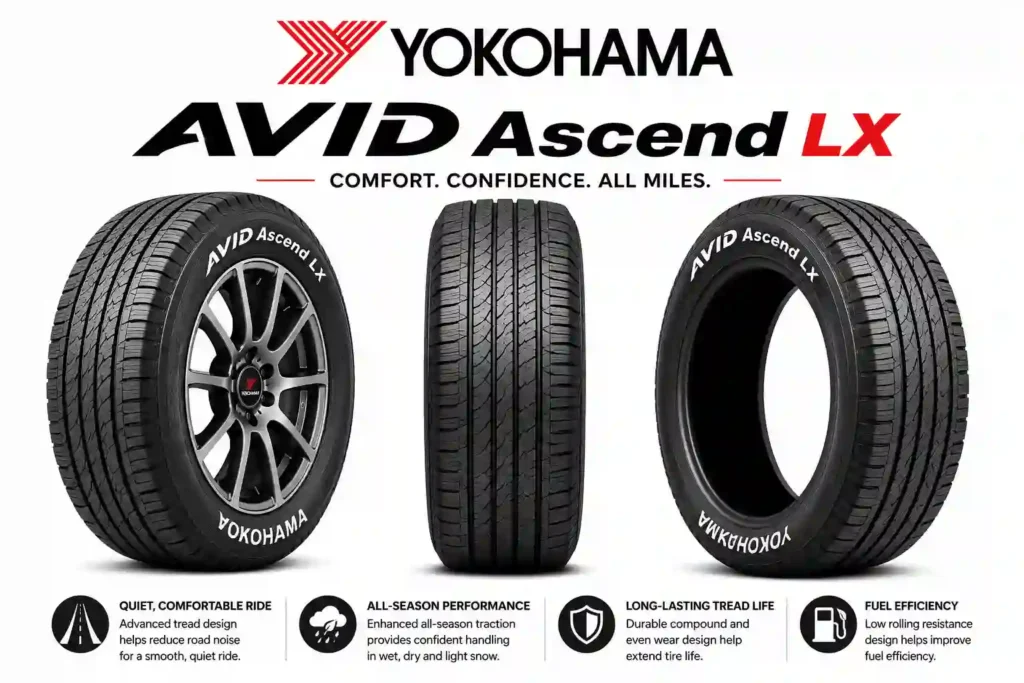
Quick Side-by-Side Spec Comparison
To start, we need to look at the hard data. This shows what each tire promises on paper.
| Feature | Yokohama AVID Ascend LX | Continental TrueContact Tour |
| Warranty | 85,000 Miles | 80,000 Miles |
| UTQG Rating | 800 A A | 800 A A |
| Tread Depth | 11/32″ | 11/32″ |
| Tire Type | Standard Touring All-Season | Standard Touring All-Season |
| Best Feature | Extreme Tread Life | Superior Wet Braking |
Both tires share the exact same UTQG rating. UTQG stands for Uniform Tire Quality Grading. It is a government test that measures how fast the rubber wears down.
A rating of 800 means both tires are built to last a very long time. The “A A” letters mean they both passed the highest heat and traction tests.
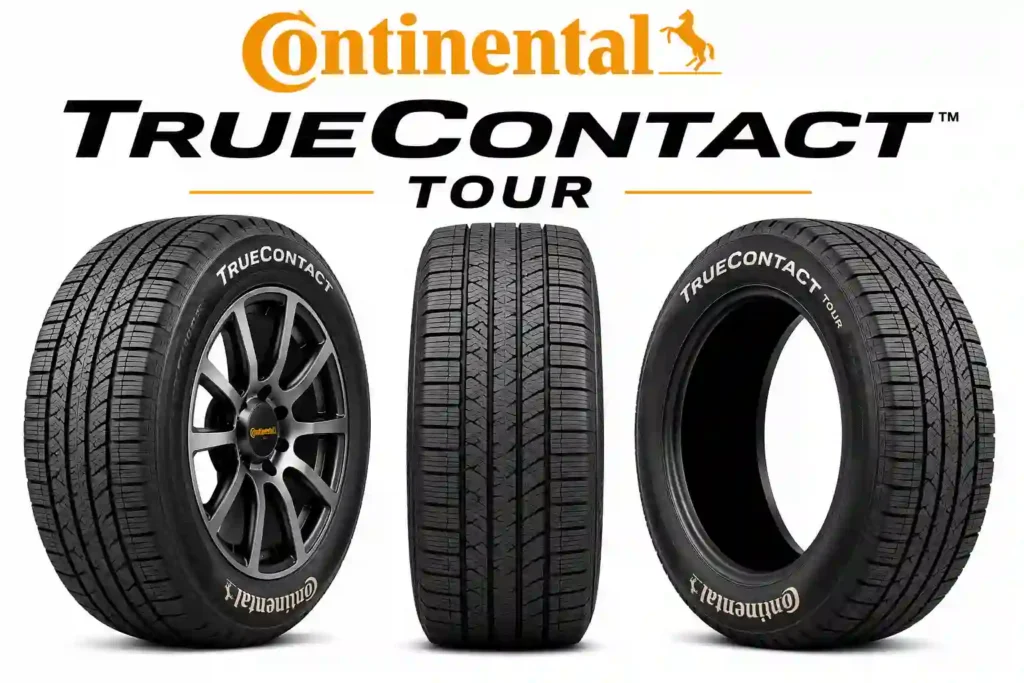
Complete Overview of Both Touring Tires
These are not cheap budget tires. Both models are built for long road trips and daily driving. They focus on keeping your ride quiet and smooth.
The Yokohama uses a special L-2 rubber blend. This makes the tire roll very easily to save gas. The Continental uses EcoPlus Technology. This keeps the rubber soft in the cold while saving fuel.
Real-World Driving Scenarios
I have driven both tires on standard city streets. The Yokohama feels very stable and firm. It rolls smoothly over fresh blacktop.
The Continental feels a bit softer over bad bumps. It grips tight when taking fast highway off-ramps. Both perform exactly as a luxury tire should.
Who Should AVOID Each Tire
Skip the Yokohama if you live in a very rainy state. Its wet stopping distance is just average. It is not the best choice for heavy storms.
Skip the Continental if you drive highly aggressive sports cars. The sidewall is a bit soft for sharp, fast turns. It is made for relaxed cruising, not racing.
Ride Comfort and Bump Absorption
A luxury touring tire must soak up bad roads. You do not want to feel every crack in the street. Both tires do a great job hiding road flaws.
Sidewall Stiffness and Pothole Impacts
The Continental has a slightly softer sidewall. This helps it absorb deep potholes better. The Yokohama is stiffer, which sends more shock into the car.
| Comfort Area | Yokohama AVID Ascend LX | Continental TrueContact Tour |
| Small Bumps | Excellent | Excellent |
| Deep Potholes | Good | Excellent |
| Highway Float | Very Good | Excellent |
| Overall Comfort | 8 / 10 | 9 / 10 |
The Continental simply rides better on broken city streets. Your back will thank you on long drives.
The Yokohama is still very smooth on fresh pavement. However, it gets a bit harsh on rough dirt roads.
Road Noise and Cabin Quietness Evaluated
Nobody wants a loud tire humming in their ear. Both brands worked hard to make these tires silent. They use varied tread block sizes to cancel out noise.
Does the Tread Block Hum at 70 MPH?
At 70 mph, both tires are incredibly quiet. You can easily whisper to passengers in the back seat. The Yokohama might be just a tiny bit quieter on concrete.
“A quiet tire changes your whole commute. The TrueContact and Ascend LX both use multi-pitch tread patterns. This breaks up sound waves before they reach your ears, curing highway headaches.”
I always recommend both of these tires to drivers who hate noise. They are some of the quietest options on the market today.
Highway Performance for Long Road Trips
When you drive across the state, you want a tire that tracks straight. You should not have to fight the steering wheel.
High-Speed Stability and Crosswinds
The Yokohama shines on long, straight highways. Its stiff internal belts keep it tracking dead straight.
The Continental also drives perfectly straight. It handles heavy crosswinds without pushing your car out of the lane.
Dry Handling and Daily Commuting Grip
Dry performance is how most drivers spend their time. You need good grip for emergency stops on sunny days.
We measure this by looking at the tire contact patch. The contact patch is the flat part of the rubber touching the road.
| Dry Performance | Yokohama AVID Ascend LX | Continental TrueContact Tour |
| Dry Braking | Excellent | Excellent |
| Cornering Grip | Very Good | Good |
| Takeoff Traction | Excellent | Excellent |
| Steering Sharpness | Very Good | Good |
The Yokohama wins slightly in dry corners. Its stiffer blocks do not bend as much when you turn hard.
The Continental is still very safe on dry roads. It just feels a bit more delayed when you steer quickly.
Wet Performance and Hydroplaning Safety
Rain is where tire quality truly matters. Cheap rubber gets very slick when wet. These premium tires use siping to stay safe.
Siping refers to the tiny zig-zag slits cut into the tread. These slits bite into the water to stop you from sliding.
Hydroplaning in Heavy Rain Showdown
I once drove a Honda Accord through a massive storm on the Continentals. I felt zero slipping at 65 mph. The deep grooves push water away fast.
| Wet Traction | Yokohama AVID Ascend LX | Continental TrueContact Tour |
| Wet Braking | Good | Excellent |
| Hydroplaning | Very Good | Excellent |
| Slippery Curves | Good | Very Good |
| Confidence | 7 / 10 | 9 / 10 |
The Continental easily beats the Yokohama in the rain. Its special soft rubber grips wet asphalt like glue.
The Yokohama takes longer to stop in the rain. It can slide slightly if you brake too hard on wet paint lines.
Steering Feel and Driver Feedback
Steering feel tells you what the road is doing. A good tire makes you feel connected to the street.
Center Feel and Lane Changing
The Yokohama has a firmer on-center feel. This means the wheel feels tight when driving straight.
The Continental feels slightly lighter. It is very easy to turn in parking lots, but lacks sporty feedback.
Tread Life and Mileage Warranty Comparison
Touring tires cost a lot of money upfront. To make them worth it, they must last for years. Both brands offer massive warranties.
Tread Life and Value Analysis
The Yokohama promises an insane 85,000 miles. The Continental promises 80,000 miles. Both will easily last five to six years for most drivers.
| Life Expectancy | Yokohama AVID Ascend LX | Continental TrueContact Tour |
| Warranty | 85,000 Miles | 80,000 Miles |
| Tread Wear Rate | Extremely Slow | Very Slow |
| Rubber Hardness | Firm | Medium |
| Overall Life | 10 / 10 | 9 / 10 |
In my shop, I have seen Yokohama tires last forever. They wear down very evenly if you rotate them on time.
The Continental also lasts a very long time. However, its softer rubber might wear out slightly faster if you corner hard.
Fuel Efficiency and Rolling Resistance
Gas prices make rolling resistance very important. A tire that rolls easily saves you money at the pump.
EcoPlus Tech vs L-2 Rubber Compound
Continental uses EcoPlus technology to cut friction. This can save you real money over the life of the tire.
Yokohama uses their L-2 compound for the exact same reason. Both tires will give you excellent gas mileage.
Price vs Luxury Value Breakdown
You have to pay to play in the premium tire market. Both of these tires are priced at the top of their class.
Initial Cost vs Long-Term Replacement
The initial price is very similar. The Continental usually costs just a few dollars more per tire.
| Value Factor | Yokohama AVID Ascend LX | Continental TrueContact Tour |
| Average Price | Moderate/High | Moderate/High |
| Cost Per Mile | Very Low | Very Low |
| Gas Savings | High | High |
| Total Value | 9 / 10 | 9 / 10 |
Because they last so long, the cost per mile is very low. You will not have to buy tires again for a long time.
The Continental offers slightly better value due to its wet grip. You are paying for extra safety in bad weather.
Comprehensive Pros and Cons List
It helps to see all the good and bad points in one place. Neither tire is perfectly flawless.
The “Why It Won” Justification
The Continental wins because safety must come first. The shorter stopping distance in rain makes it the better tire.
| Brand | Top Pros | Top Cons |
| Yokohama | Huge 85k warranty, quiet ride, crisp dry steering | Average wet grip, stiff on bad potholes |
| Continental | Amazing rain grip, eats potholes, stops fast | Slightly soft steering, costs a bit more |
The Yokohama is amazing if you live in a dry desert state. It will just keep rolling for years.
The Continental is the smart choice for everywhere else. It handles unpredictable weather much better.
Which Tire Is Better for Daily Driving?
For 80% of drivers, the Continental is the better daily tire. It gives you peace of mind when it starts raining.
Identifying the Right Driver Profile
Buy the Continental if you drive a family car. You want that extra stopping power to keep your kids safe.
Buy the Yokohama if you drive mostly highway miles in dry states. The extra 5,000 miles of warranty will save you cash.
Final Verdict: The Best Touring Choice
In the battle of the yokohama avid ascend lx vs continental truecontact tour, Continental takes the crown. Its superior wet braking and softer ride make it the ultimate touring tire.
Stop guessing if your current tires are safe. Go check your driver-side door placard for your exact tire size today. Then, measure your tread depth with a penny to see if you need to upgrade to the Continental TrueContact Tour.
FAQ for yokohama avid ascend lx vs continental truecontact tour
Which tire lasts longer?
The Yokohama AVID Ascend LX lasts slightly longer. It offers an 85,000-mile warranty compared to Continental’s 80,000 miles.
Which tire is better in the rain?
The Continental TrueContact Tour is far better in the rain. Its EcoPlus rubber stops much shorter on wet pavement.
Are these tires quiet on the highway?
Yes, both are exceptionally quiet. They use special tread patterns to block out loud highway humming at high speeds.
